Past Exhibitions
An archive of two decades of exhibitions at LACMA, including landmark presentations such as Magritte and Contemporary Art: The Treachery of Images (2006), John Baldessari: Pure Beauty (2010), Gifts of the Sultan: The Arts of Giving at the Islamic Courts (2011), James Turrell: A Retrospective (2013), and The Portable Universe/El Universo en tus Manos: Thought and Splendor of Indigenous Colombia (2022). Browse the full archive by year.
Phantom Sightings: Art after the Chicano Movement
April 6, 2008–September 1, 2008
Phantom Sightings: Art after the Chicano Movement is the largest exhibition of cutting-edge Chicano art ever presented at LACMA. Chicano art, traditionally described as work created by Americans of Mexican descent, was established as a politically and culturally inspired movement during the counterculture revolutions of the late 1960s and early 1970s. This exhibition explores the more experimental tendencies within the Chicano art movement—ones oriented less toward painting and declarative polemical...
Doctrinal Nourishment: Art and Anarchism in the Time of James Ensor
April 10, 2008–July 6, 2008
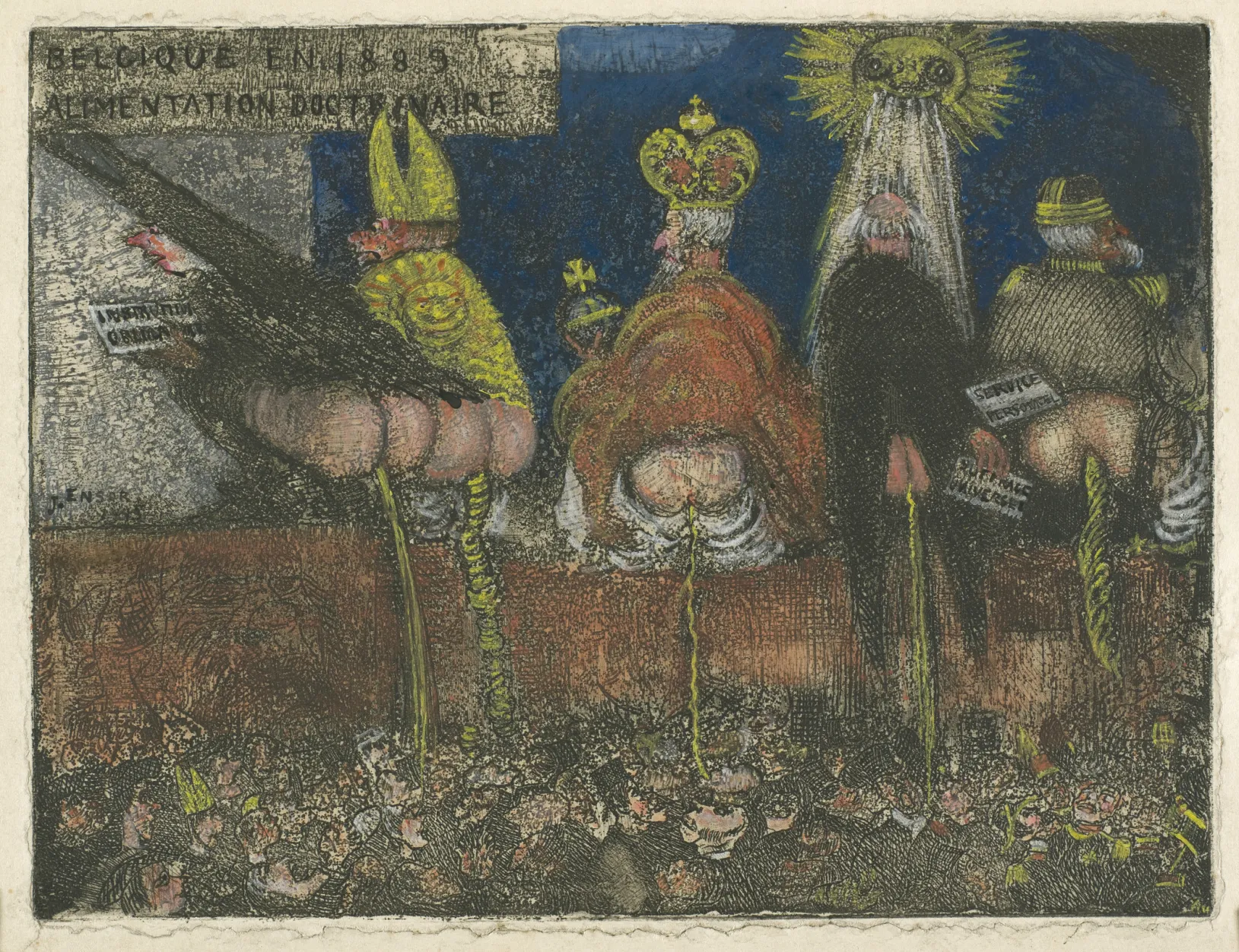
Focusing on a rare impression of one of James Ensor’s most important and politically subversive etchings, Doctrinal Nourishment: Art and Anarchism in the Time of James Ensor will bring The Doctrinal Nourishment (1889–1895) together with approximately sixty works on paper selected from LACMA’s significant holdings in Ensor and German Expressionist prints, as well as from key local institutions and private collections. While it is well known and widely acknowledged that Ensor’s...
Kanemitsu in California during the 1960s and 1970s
February 23, 2008–June 15, 2008
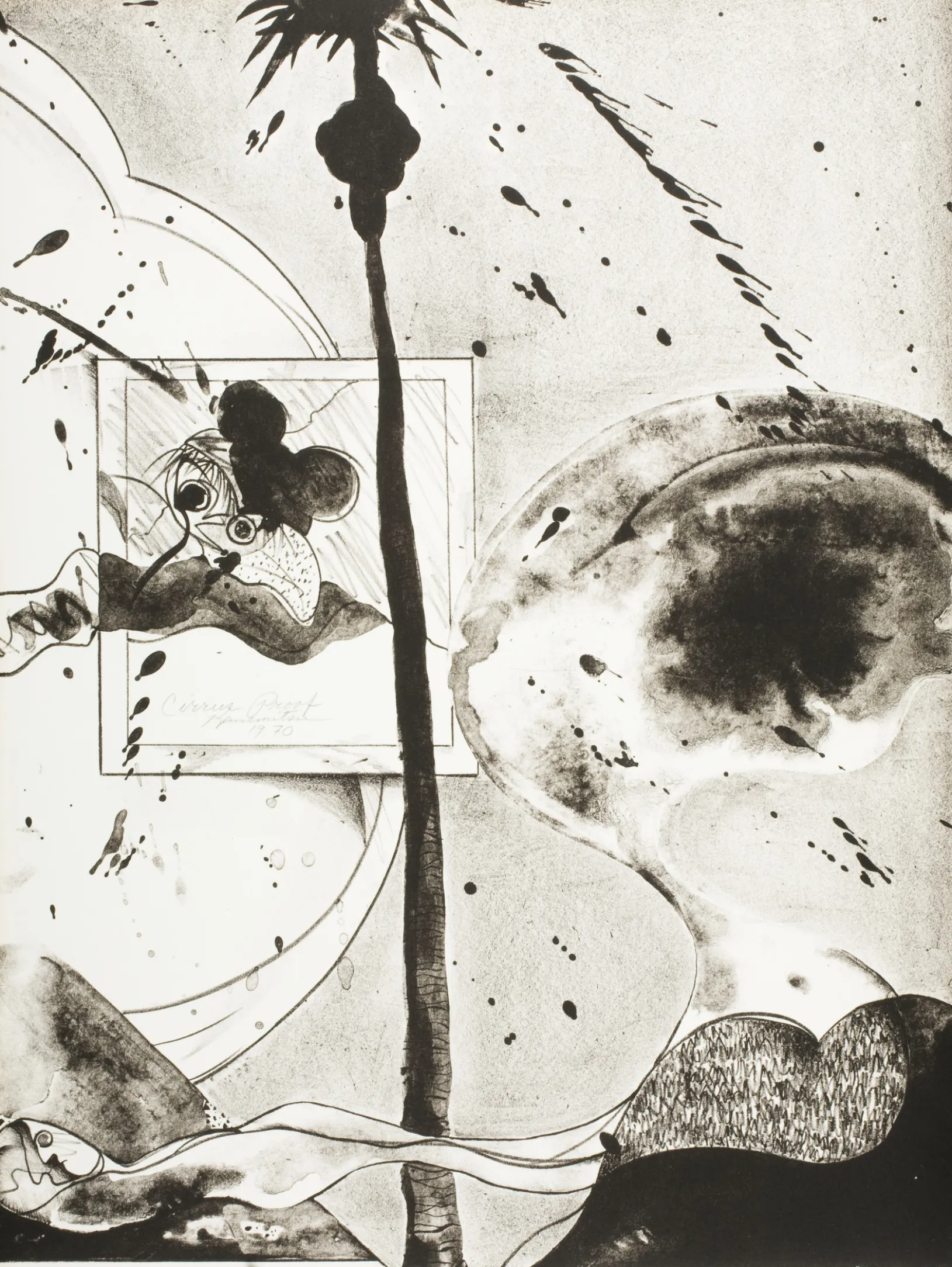
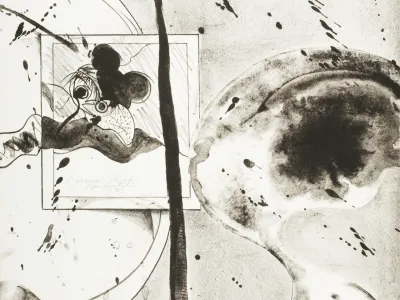
Nicknamed Mike by his friend Jackson Pollock, Matsumi Kanemitsu was an abstract painter of the New York School during the 1950s. But in 1961, June Wayne, founder and director of the Tamarind Lithography Workshop, invited him to Los Angeles to create lithographs. He mastered the new medium quickly—the fast and sure application of ink, ratio of tuche (grease) to ink, and layering on dry paint—and combined with his affinity for...
SWAP
November 7, 2007–June 8, 2008
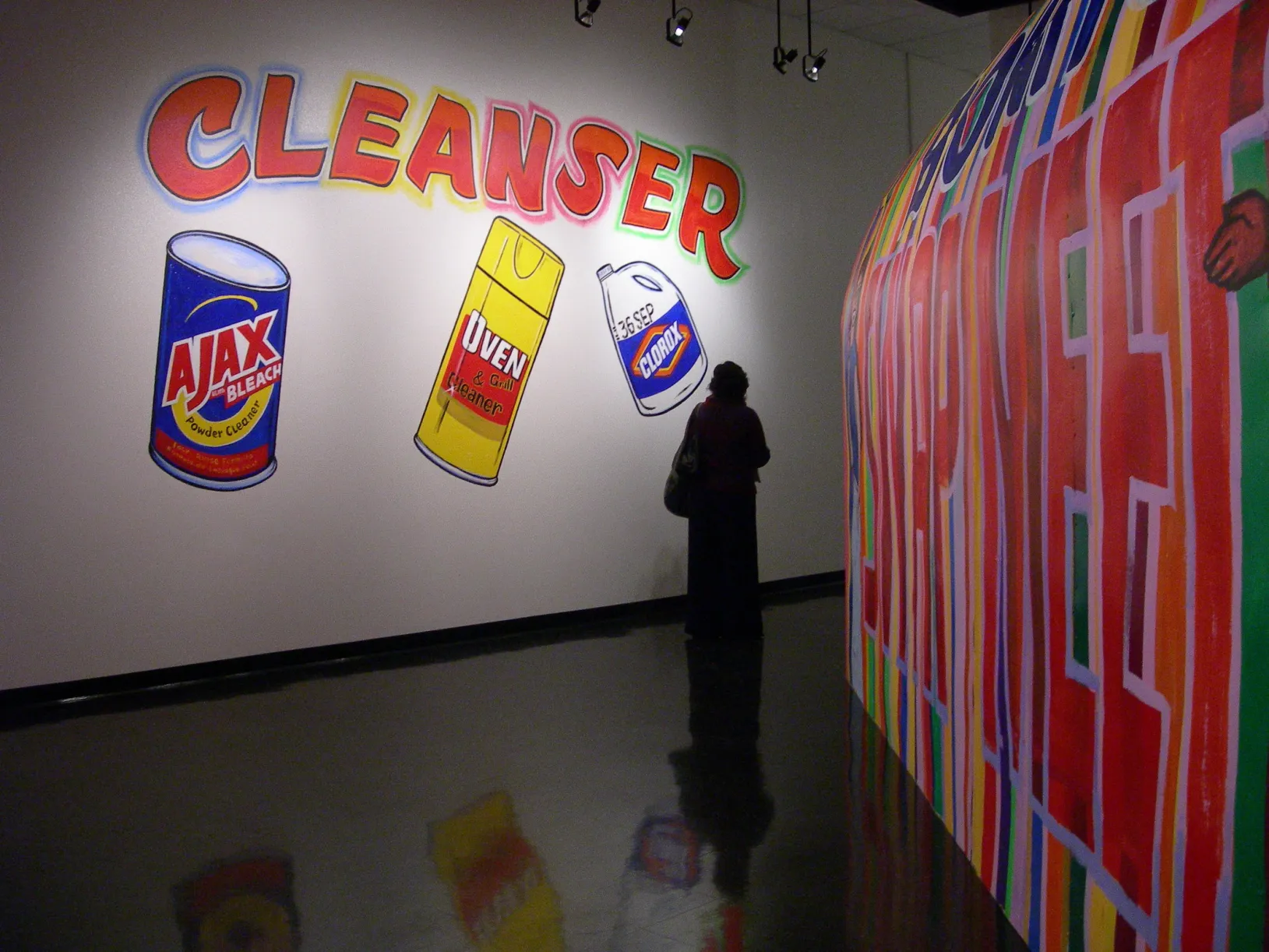
LACMA commissioned Los Angeles artists Mark Bradford and Ruben Ochoa to create SWAP in conjunction with Art Programs with the Community: LACMA On-Site, an outreach program that provides art experiences for students and the community. The installation is inspired by the neighborhood that frames MacArthur Park, where the school is located, and includes art from LACMA’s collection as well as installation pieces created by Ochoa and Bradford. The installation...
Expressionism: Selections from the Robert Gore Rifkind Center for German Expressionist Studies
January 12, 2008–April 20, 2008
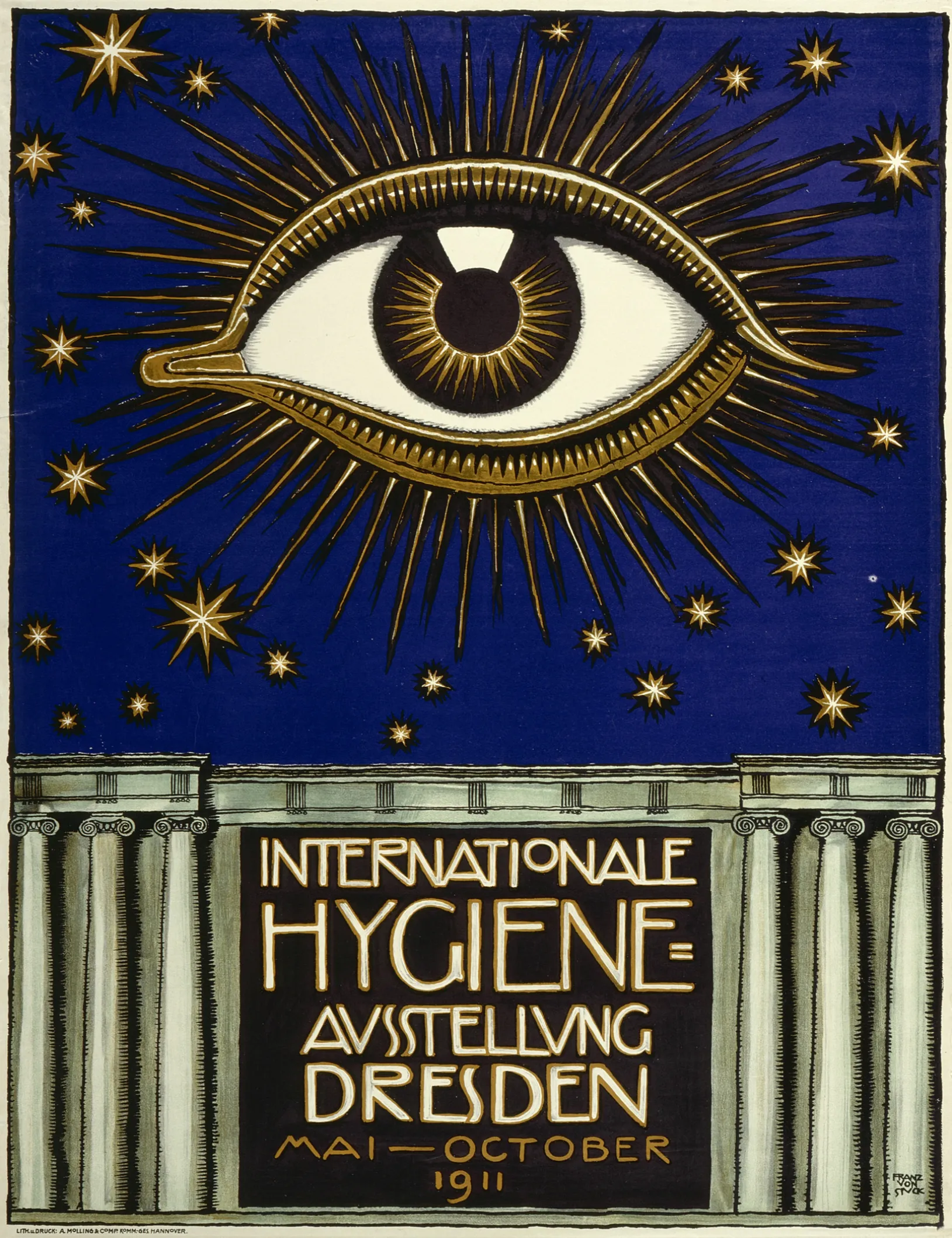
This exhibition presents a selection of highlights from the Rifkind Center for German Expressionist Studies ranging from antecedents in Jugendstil through the Brücke and Blaue Reiter to the "New Objectivity" period that followed Expressionism in the 1920s. Among the items on view are selections from the Brücke's annual portfolios, which contain some of their most admired graphic works. Also included is a complete hand-colored set of Max Pechstein's woodcut portfolio...
Matisse on Paper
January 12, 2008–April 20, 2008
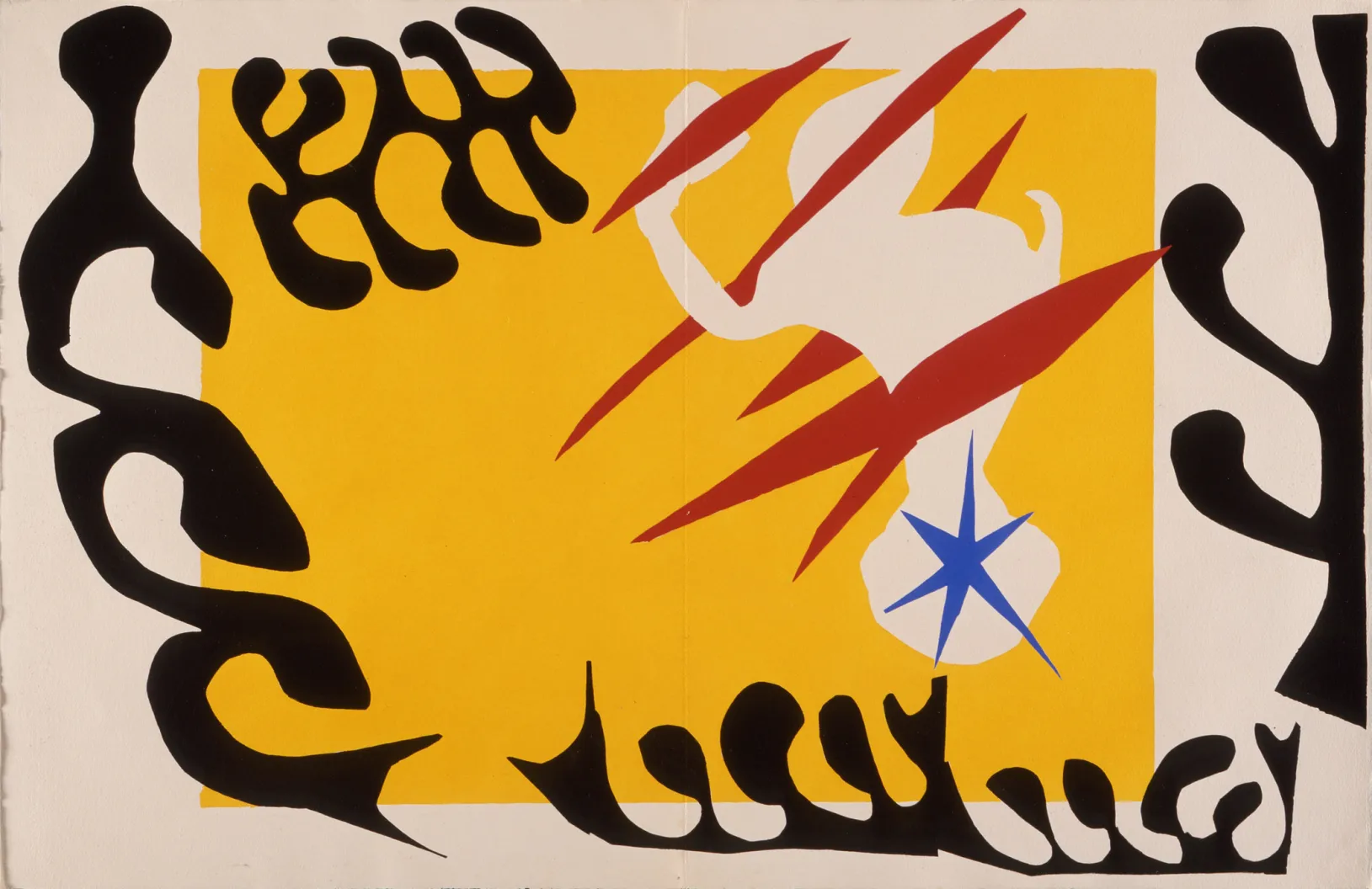
Besides being one of the greatest artists of the twentieth century, Henri Matisse (1869–1954) was also one of its greatest draftsmen. The works on paper in this gallery, covering nearly thirty years (from the 1920s to the 1950s) of the artist's long career, display the full range of his facility with charcoal, graphite, and ink, as well as with the sister arts of printmaking and collage, both of which he...
SoCal: Southern California Art of the 1960s and 70s from LACMA's Collection
August 19, 2007–March 30, 2008
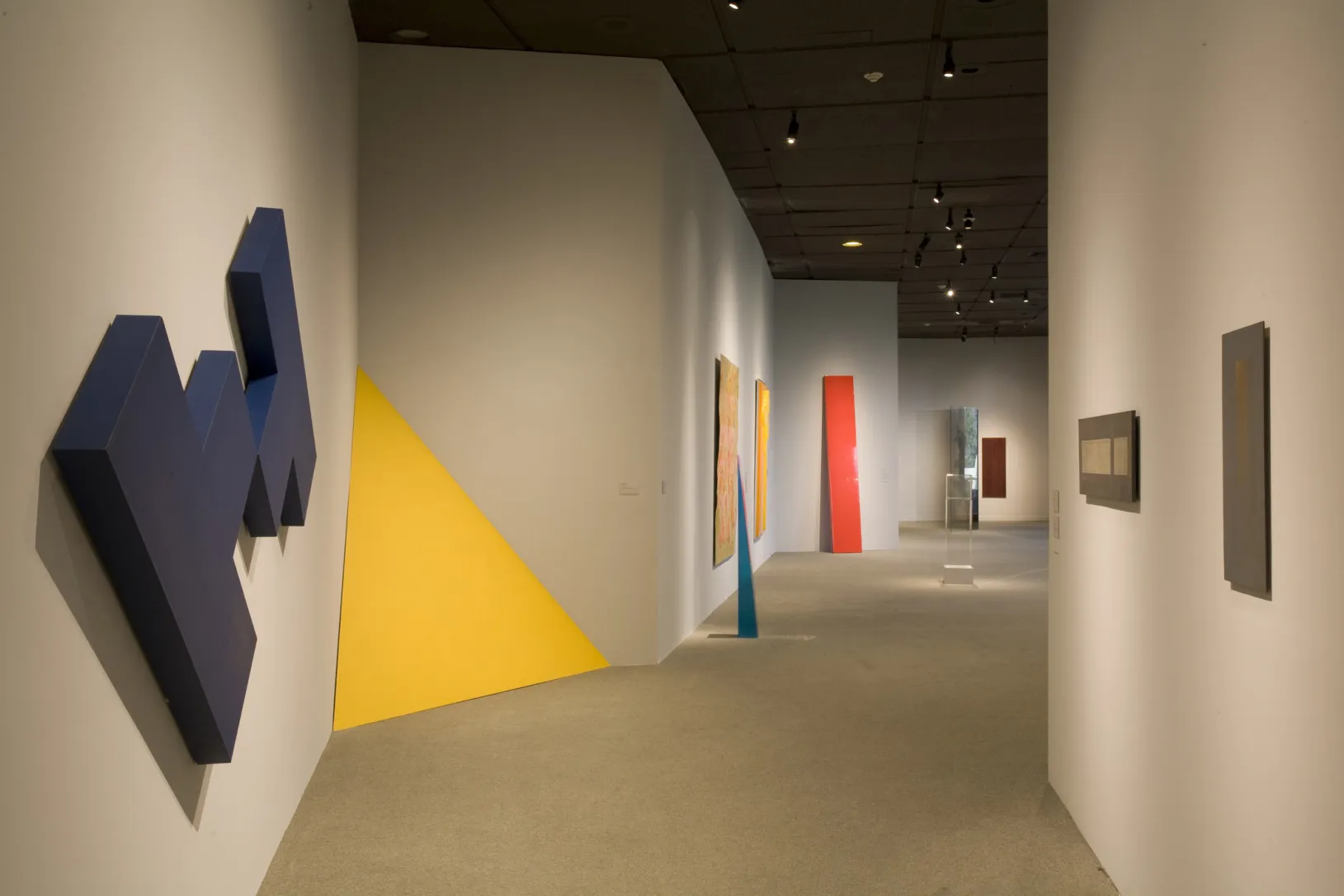
The myth of California—and particularly of southern California—looms large in the modern psyche. Portrayed in the early years of the twentieth century as the land of gold and sunshine, California by the mid-twentieth century was understood in the popular imagination in more nuanced terms. Images of both the utopian and the dystopic took shape in the vision of artists working in the 1960s and 70s in southern California, emerging on...
Japanese Prints: Word/Poem/Picture
September 13, 2007–February 19, 2008
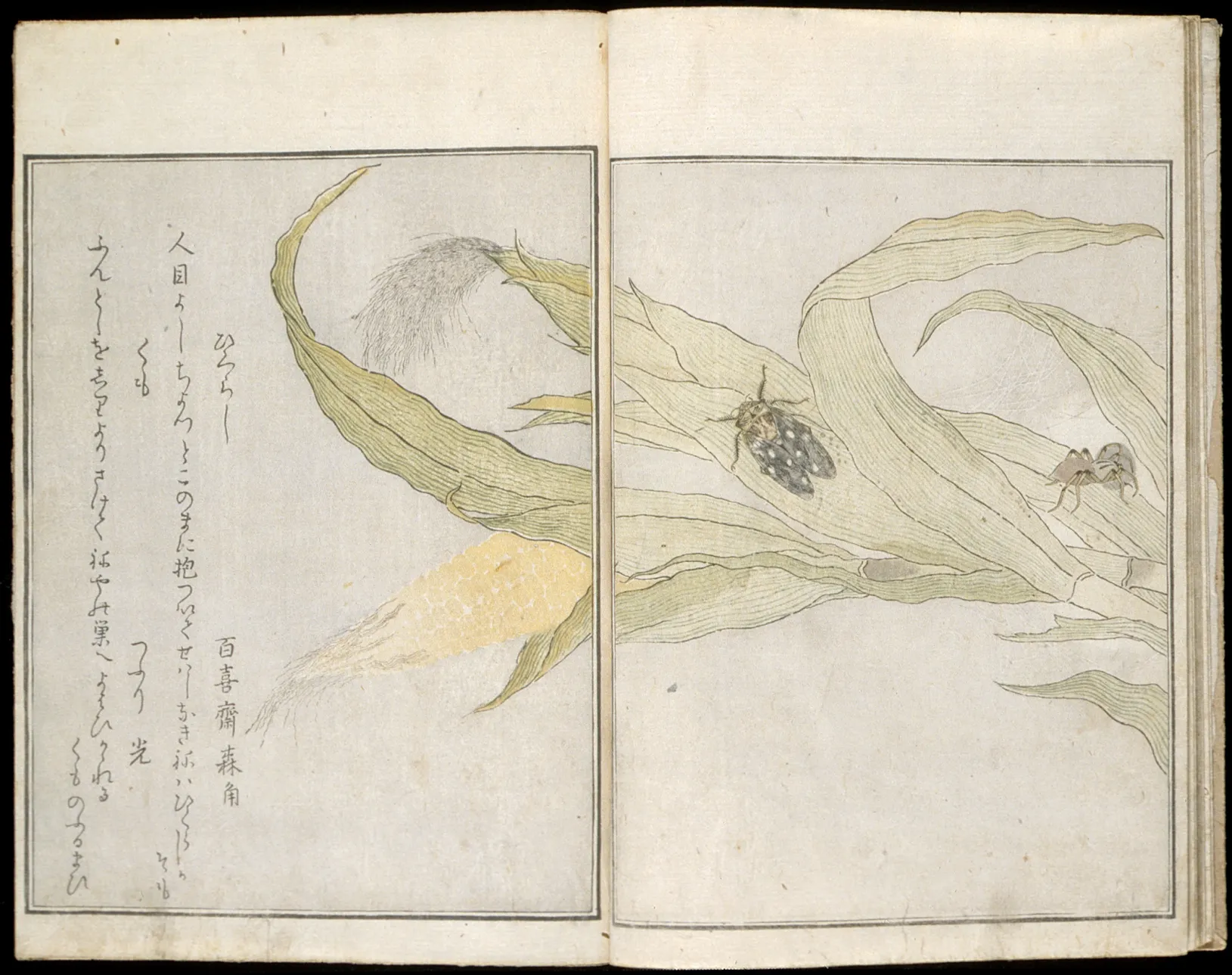
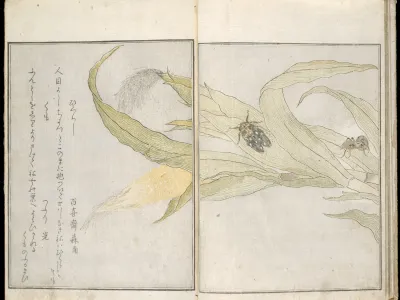
Japanese writing, composed of Chinese ideographs and kanasyllabary, is pictographic in origin and as such combines seamlessly with pictorial imagery. In prints, paintings and decorative arts, the interweaving of poems or bits of famous poetry with associated pictures was continuous from at least the eleventh century forward. In Western art, words entered pictorial imagery in the early twentieth century with cubist collage, stimulating a new look at words, poems...
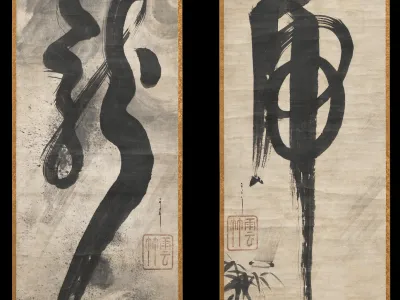
Japanese Painting: Calligraphy and Image
September 13, 2007–February 19, 2008
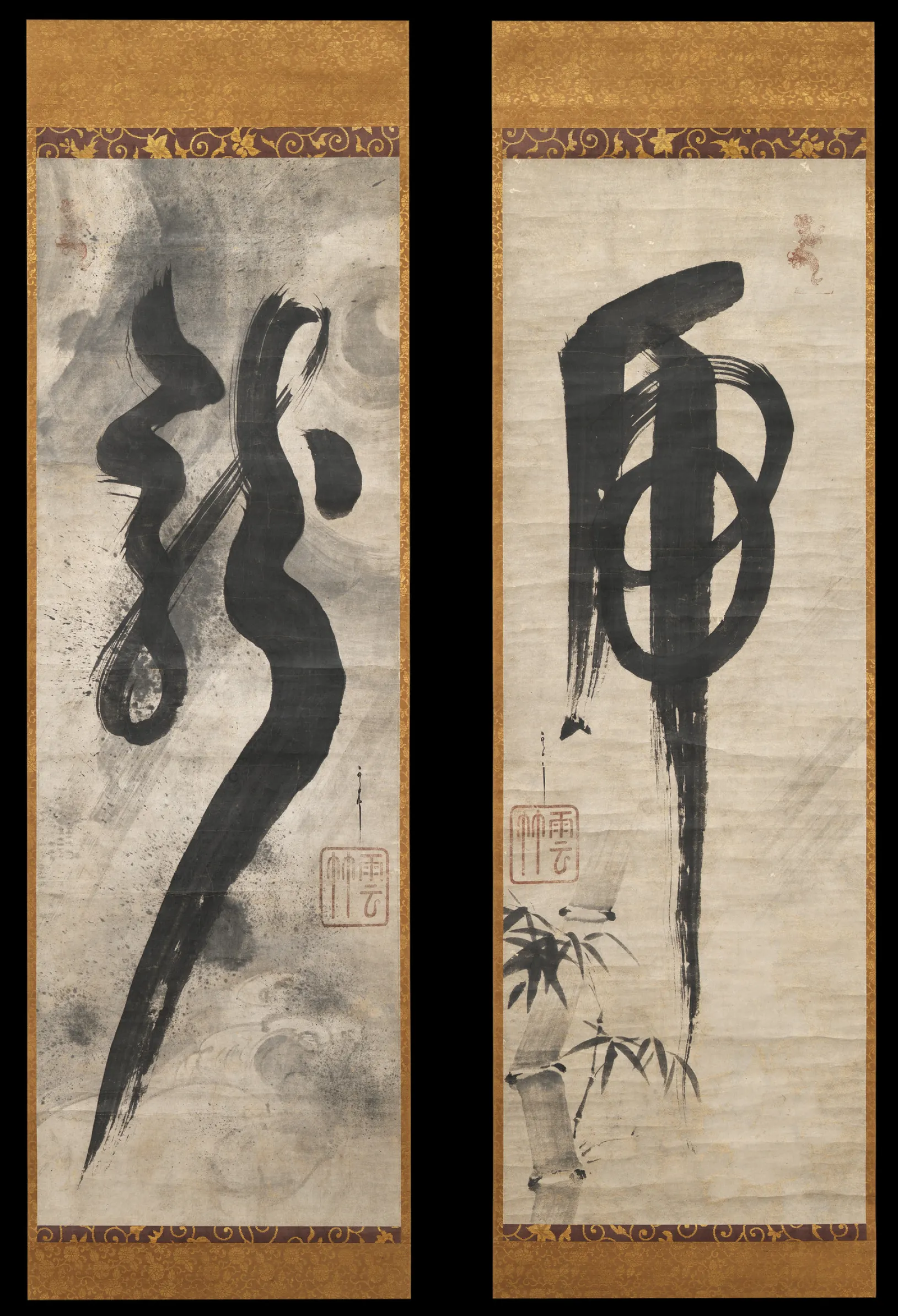
In traditional Chinese aesthetics, scholars considered poetry to be the highest form of communication, followed by calligraphy, which revealed the character of the writer, then by painting, a pictorial branch of calligraphy also meant to elucidate poetic imagery and reveal the painter's individual nature. This group of paintings and calligraphies features three main groups of Japanese artists for whom calligraphy became a central means of expression: Zen and other Buddhist...
Dalí: Painting & Film
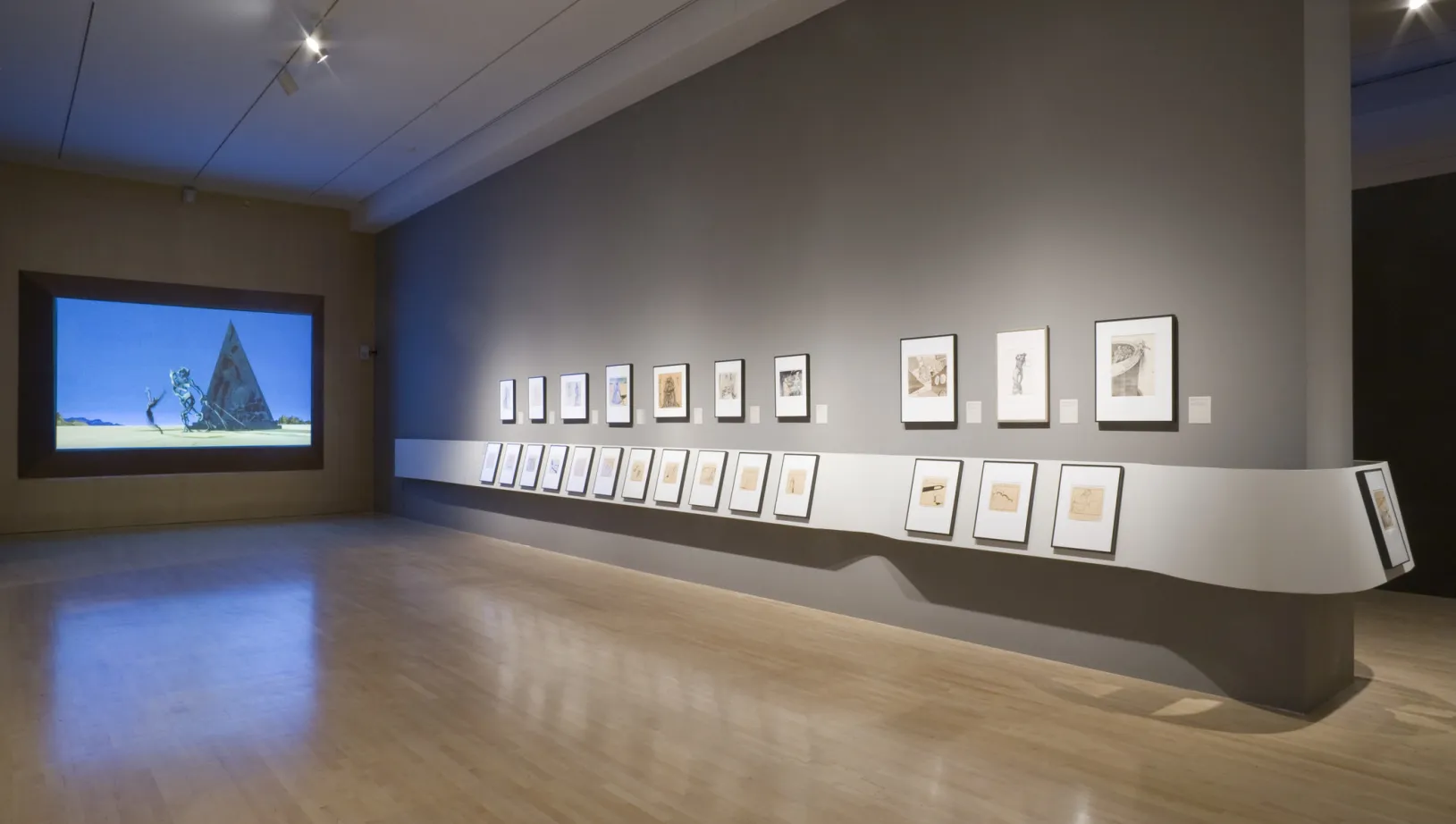
October 14, 2007–January 6, 2008
Throughout his life and career, renowned surrealist Salvador Dalí maintained a deep connection with film as an artistic medium. He collaborated with movie greats such as Luis Buñuel, Alfred Hitchcock, and Walt Disney, and created works influenced by Cecil B. De Mille and the Marx Brothers. Dalí: Painting & Film, coming to Los Angeles, the epicenter of film, aims to illustrate the cinematic influences and elements that are present in...
Dan Flavin: A Retrospective
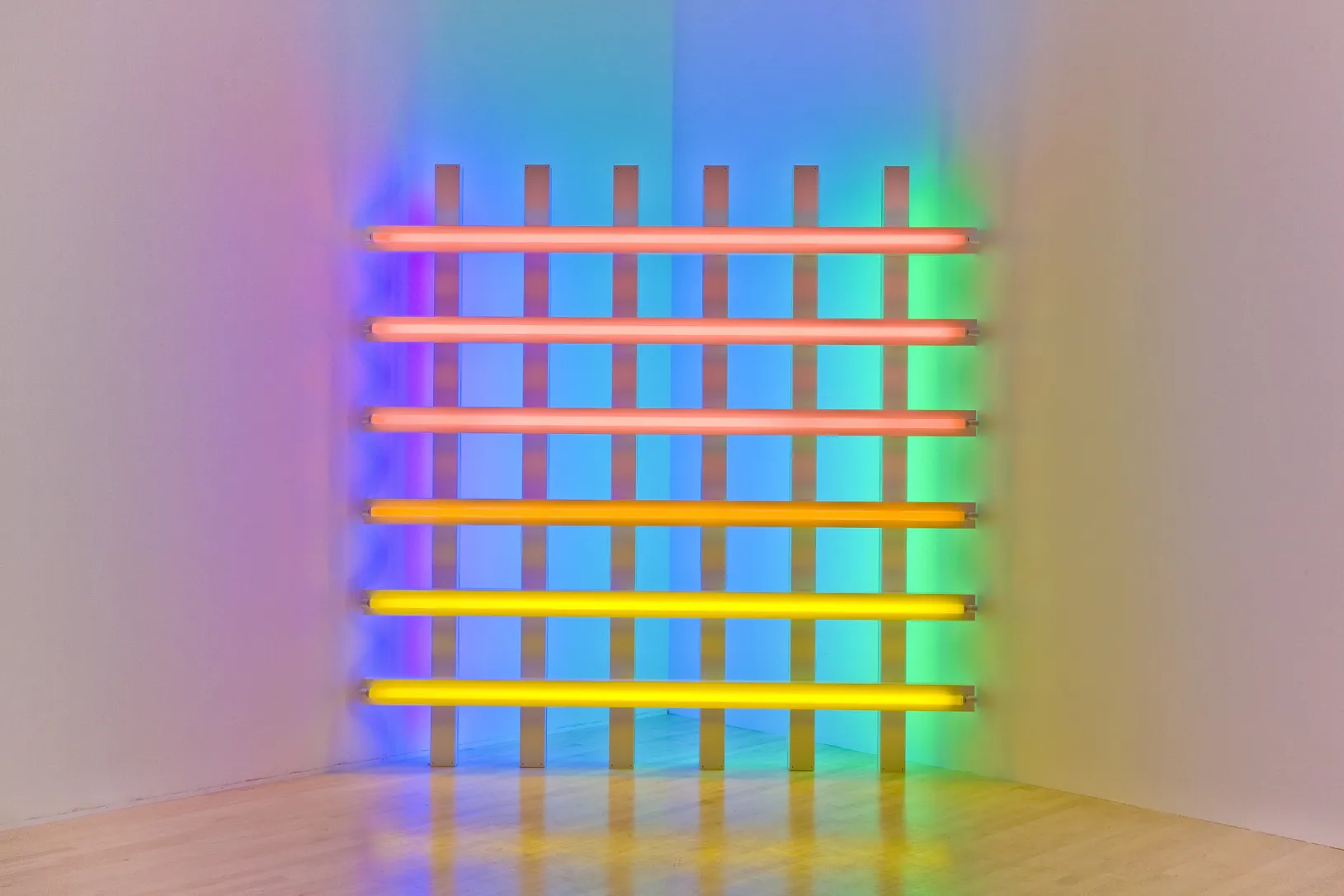
May 12, 2007–August 12, 2007
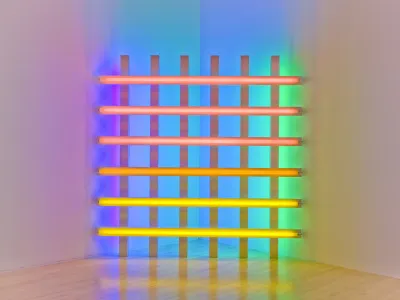
This is the first comprehensive exhibition devoted to minimalist artist Dan Flavin's full career. Organized by Dia Art Foundation in association with the National Gallery of Art, Washington, and co-curated by Michael Govan, LACMA CEO and Wallis Annenberg Director, and Tiffany Bell, Director of the Dan Flavin catalogue raisonné, the exhibition features more than forty of Flavin's seminal fluorescent light works. Also presented is a special reconstruction of the...
Re-SITE-ing the West: Contemporary Photographs from the Permanent Collection
March 4, 2007–June 3, 2007
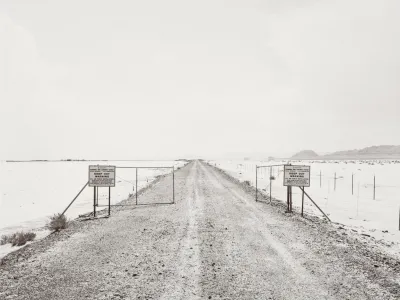
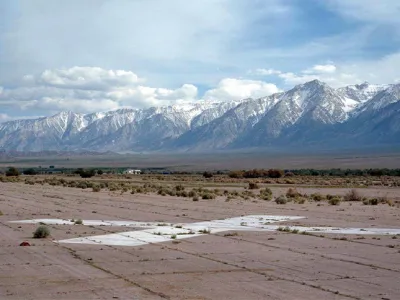
This exhibition, which includes approximately thirty works by artists such as Lewis Baltz, Hank Wessel, and Mark Ruwedel, continues the dialogue about—and affirms the enduring mystique of—the place we call the West. By the 1970s, when most of the photographs on view were made, America's postwar optimism had faded. Anxiety about potential nuclear annihilation grew as the cold war raged. With its weapons laboratories and test sites, the West was...
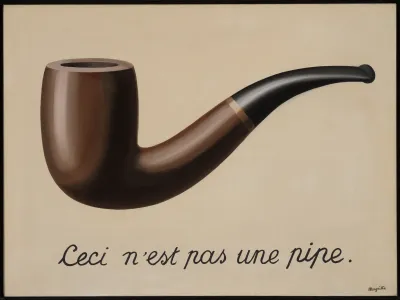
Magritte and Contemporary Art: The Treachery of Images
November 19, 2006–March 4, 2007
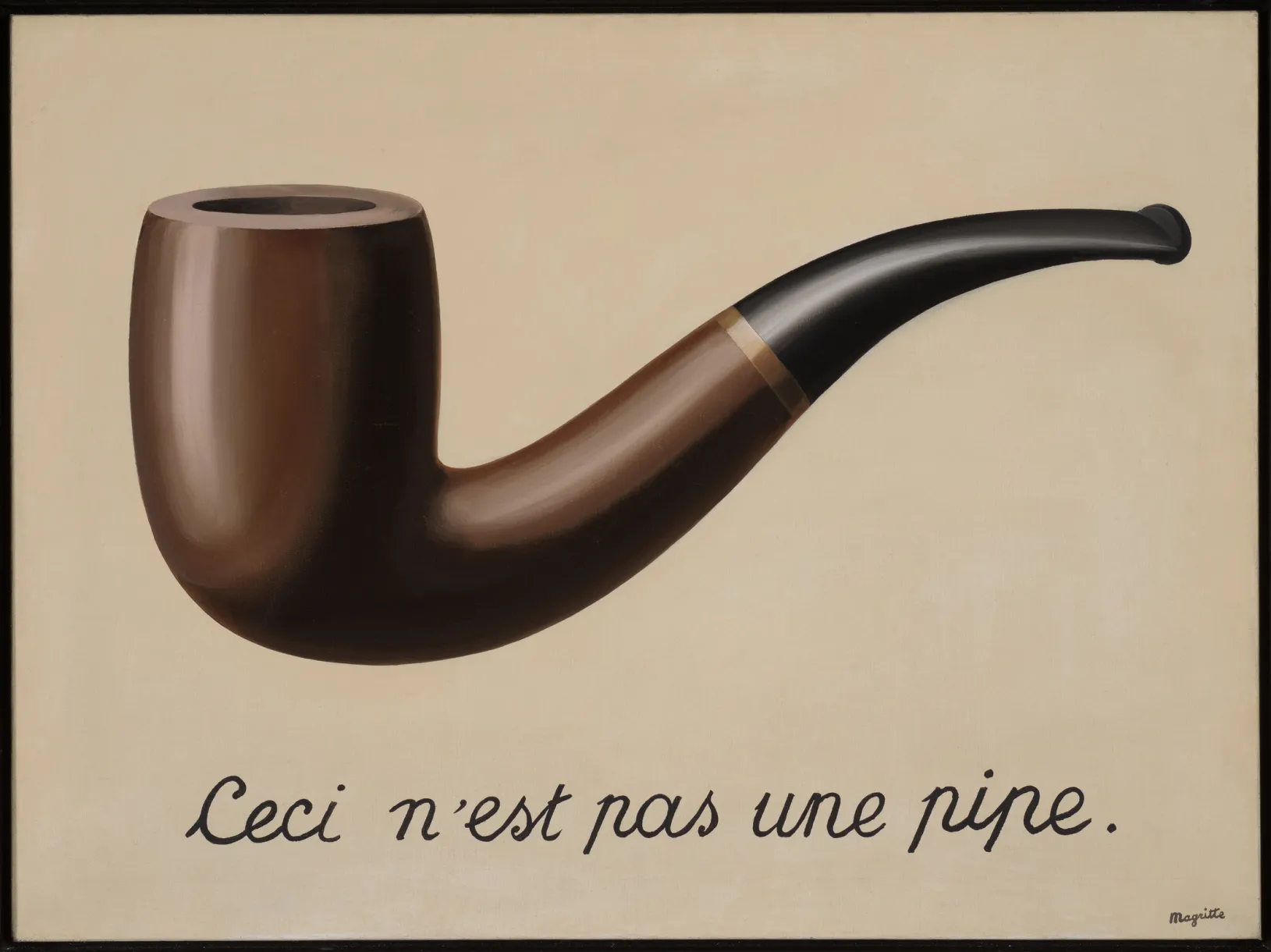
Magritte and Contemporary Art: The Treachery of Images is the first major exhibition to explore the impact of Belgian surrealist artist René Magritte's (1898-1967) work on U.S. and European artists of the post-war generation. Featuring sixty-eight paintings and drawings by Magritte, including many international loans of his signature works, and sixty-eight works in diverse media by thirty-one contemporary artists such as Richard Artschwager, John Baldessari, Vija Celmins, Robert Gober, Jasper Johns...
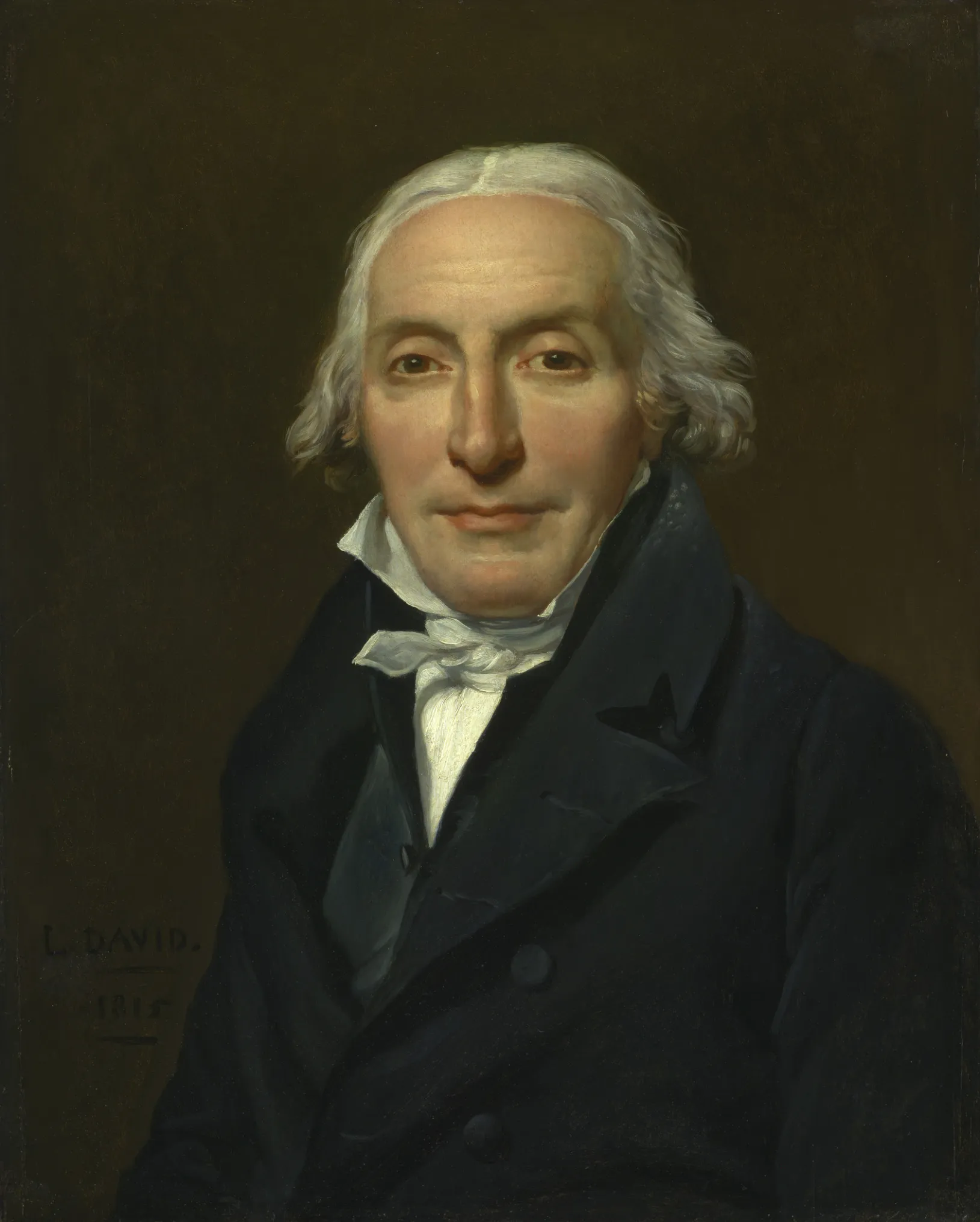
Jacques-Louis David: Portrait of Jean-Pierre Delahaye, a Rediscovered Masterpiece
October 19, 2006–January 21, 2007
The Los Angeles County Museum of Art (LACMA) presents a special exhibition featuring the recent acquisition and first-ever public display of French artist Jacques-Louis David's Portrait of Jean-Pierre Delahaye (1815), along with works by eleven artists illustrating the portrait's historical context — all drawn from LACMA's permanent collection. In June 2006, LACMA purchased the painting at auction with funds provided by The Ahmanson Foundation; it had been in the sitter's...
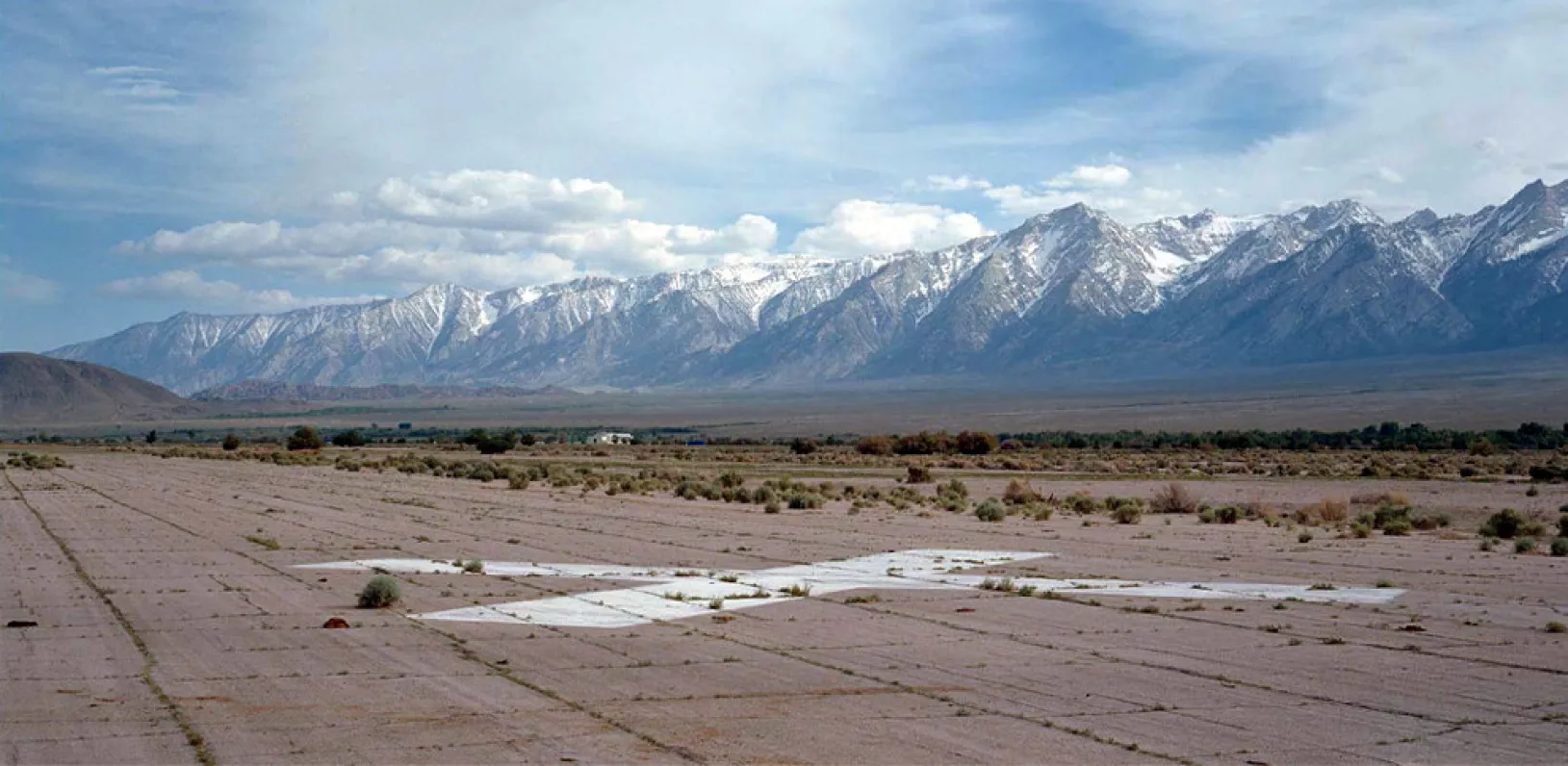
Long Exposures: Contemporary Photo-Essays from the Permanent Collection
October 12, 2006–January 7, 2007
Long Exposures is an exhibition of contemporary photo-essayists organized by the Los Angeles County Museum of Art and incorporates works drawn exclusively from the Photography department's permanent collection. The exhibition explores varying themes of humanistic or environmental conversion, transition, and upheaval, and reflects a varied range of conceptual, formal, and technical approaches prominent in the genre from the 1990s to the present, with works from six artists—Simon Norfolk, Anne Fishbein...
![Cindy Sherman (United States, b. 1954), Untitled Film Still #5 [Woman opening letter], 1977, gelatin-silver print, 6 3/4 x 9 1/2 in., Los Angeles County Museum of Art, The Audrey and Sydney Irmas Collection, © Cindy Sherman.](https://www-images.lacma.org/s3fs-public/styles/me_full_width_1x/public/primary_image/2018-11/AC1992_197_112-Access.jpg.webp?VersionId=ESZqWxtWEKNNca.YwnP78JeMr.qYf9PA&h=ca597c4e&itok=1bTDW3fA)
Masquerade: Role Playing in Self-Portraiture—Photographs from the Audrey and Sydney Irmas Collection
October 12, 2006–January 7, 2007
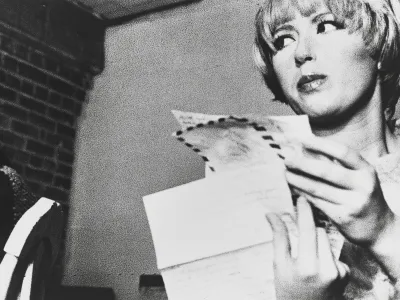
Consisting of some thirty works drawn from LACMA’s permanent collection, Masquerade: Role Playing in Self-Portraiture explores the way in which photographers—costumed, masked, wigged, made-up or transformed through technique or situation—present their fictional, or “Other Selves.” Photographers whose work is featured include Cindy Sherman, Yasumasa Morimura, Claude Cahun and Pierre Molinier, as well as nineteenth-century photographers Roger Fenton and Francis Frith, who dressed in authentic clothing from faraway places to associate...
Breaking the Mode: Contemporary Fashion from the Permanent Collection
September 17, 2006–January 7, 2007
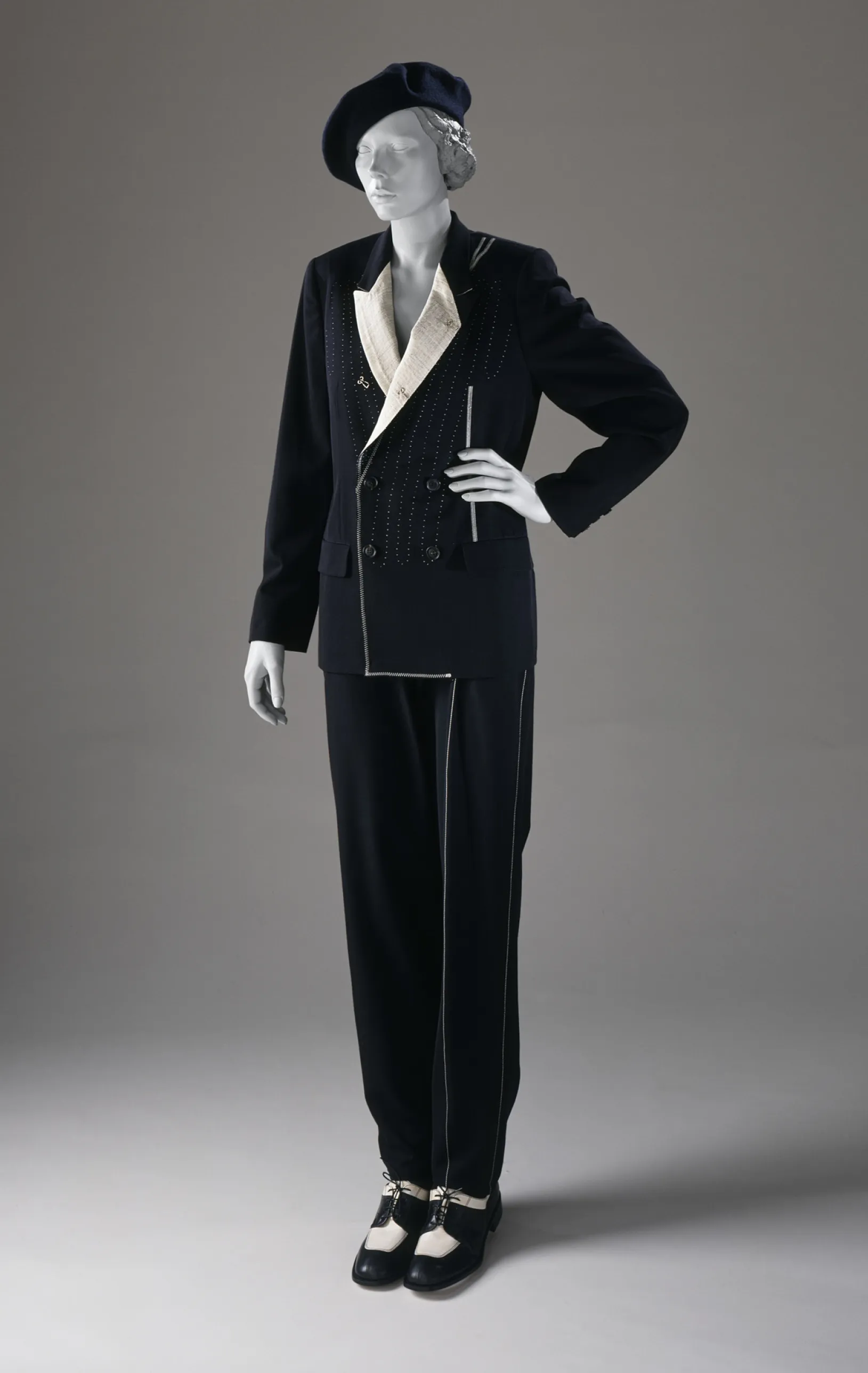
Creating clothing, for protection, profession, or spectacle, has undergone dramatic change over the past twenty-five years. A number of designers have introduced subversive elements into the fashion system, examining and deconstructing its entrenched conventions and changing the rules about what is aesthetically pleasing and fashionable. Breaking the Mode: Contemporary Fashion from the Permanent Collection presents designers who found traditional criteria and solutions obsolete—designers who challenged the canons of the body’s...
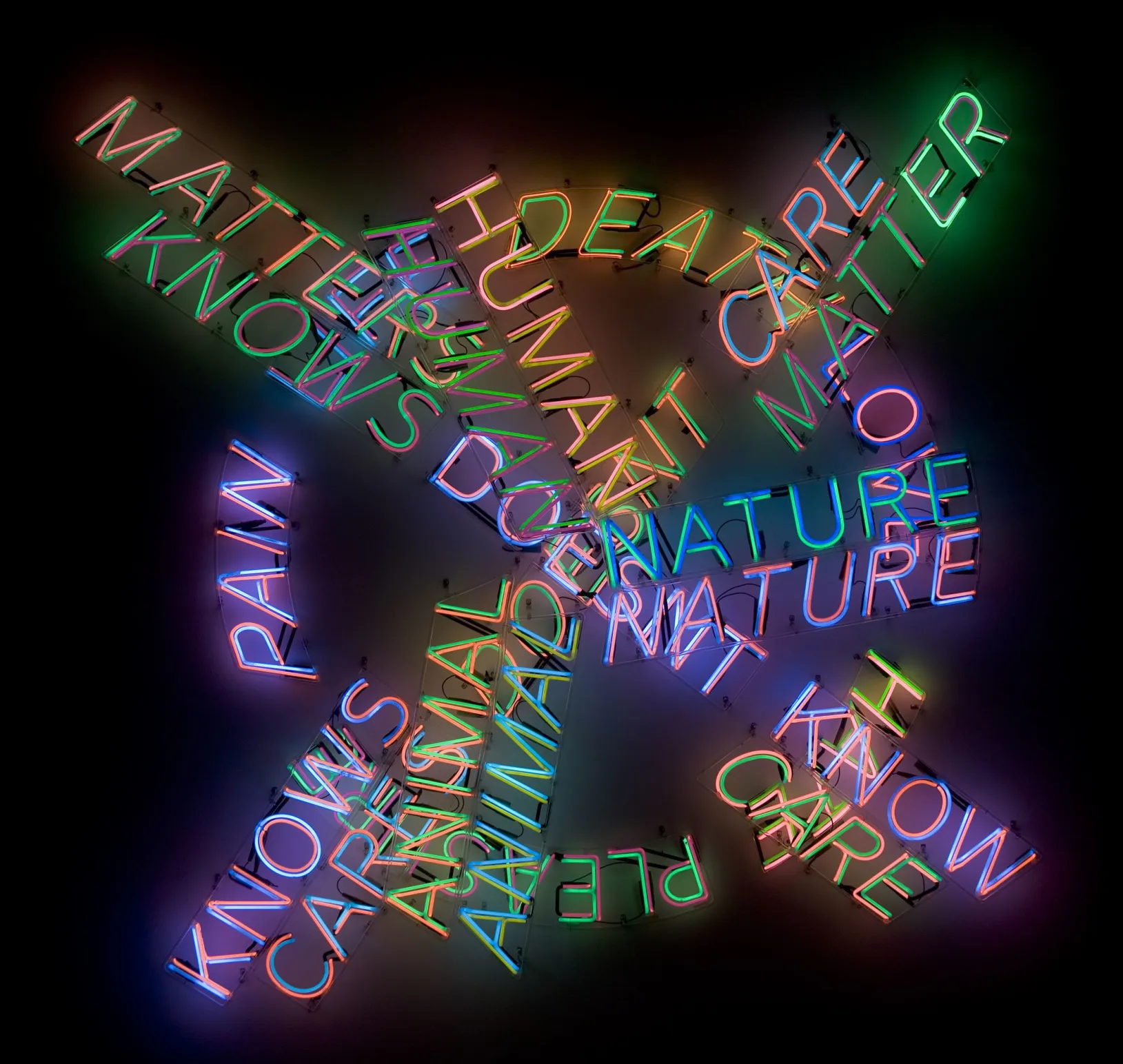
Glass: Material Matters
April 30, 2006–December 10, 2006
Glass: Material Matters is the first exhibition of contemporary glass organized by the Los Angeles County Museum of Art and incorporates more than fifty works from LACMA’s permanent collection. This eclectic presentation is organized to reflect a spectrum of thematic, formal, and technical directions in glass primarily from the mid-1980s to the present; the works of such artists as Zaha Hadid, Norman Foster, Maya Lin, and Rem Koolhaas, who have been...
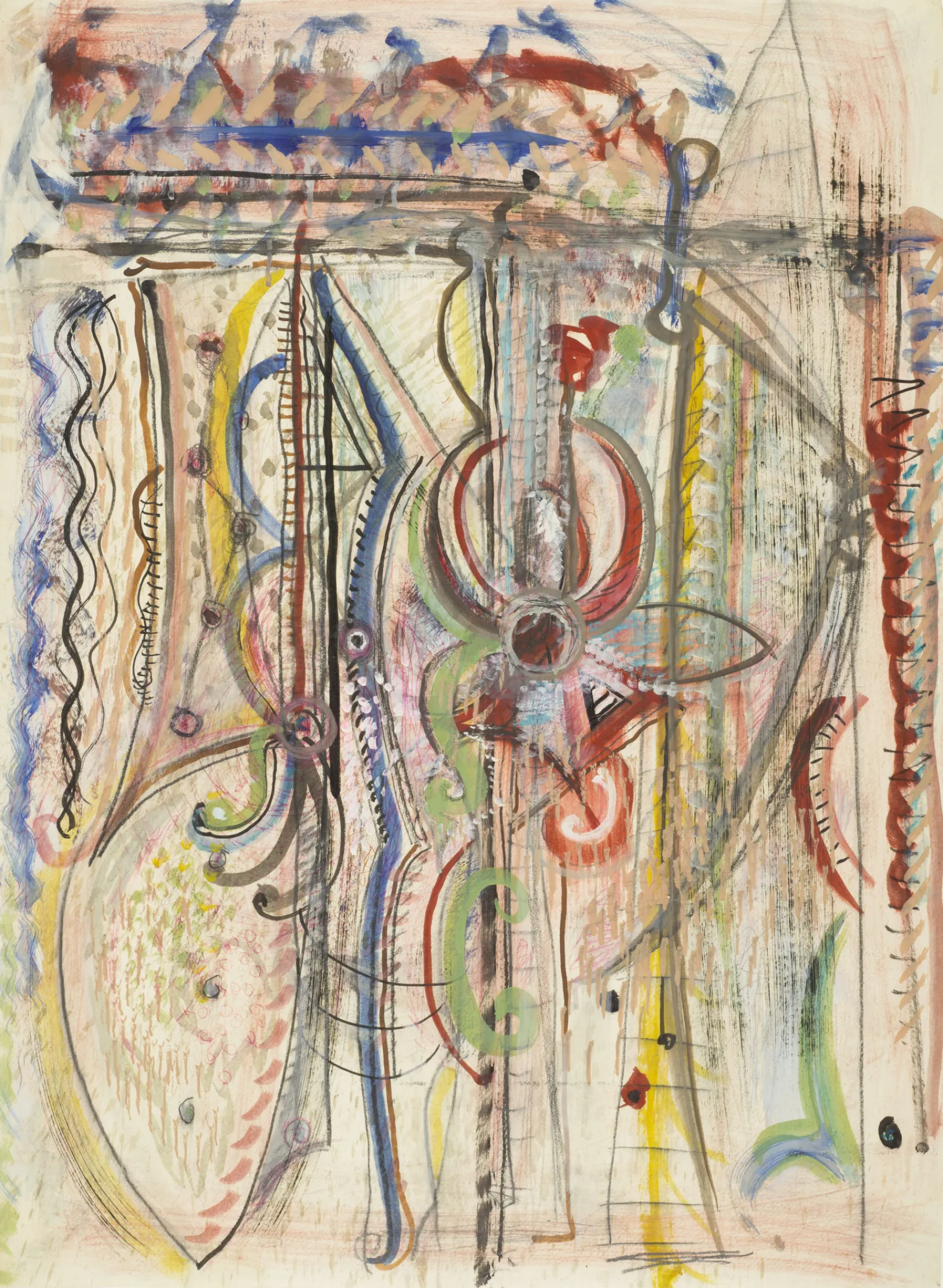
Transparent Reflections: Richard Pousette-Dart, Works on Paper, 1940-1992
June 29, 2006–September 17, 2006
In the first West Coast museum retrospective of his work, LACMA in collaboration with the Fine Arts Museums of San Francisco and the Cincinnati Art Museum have organized this small but highly selective exhibition of fifty of Richard Pousette-Dart’s drawings and paintings on paper, representing the full range of his fifty-year career from the 1940s to the 1990s. Pousette-Dart, the youngest of the abstract expressionists and the first of them...
A Curator’s Eye: The Visual Legacy of Robert A. Sobieszek
May 11, 2006–August 20, 2006
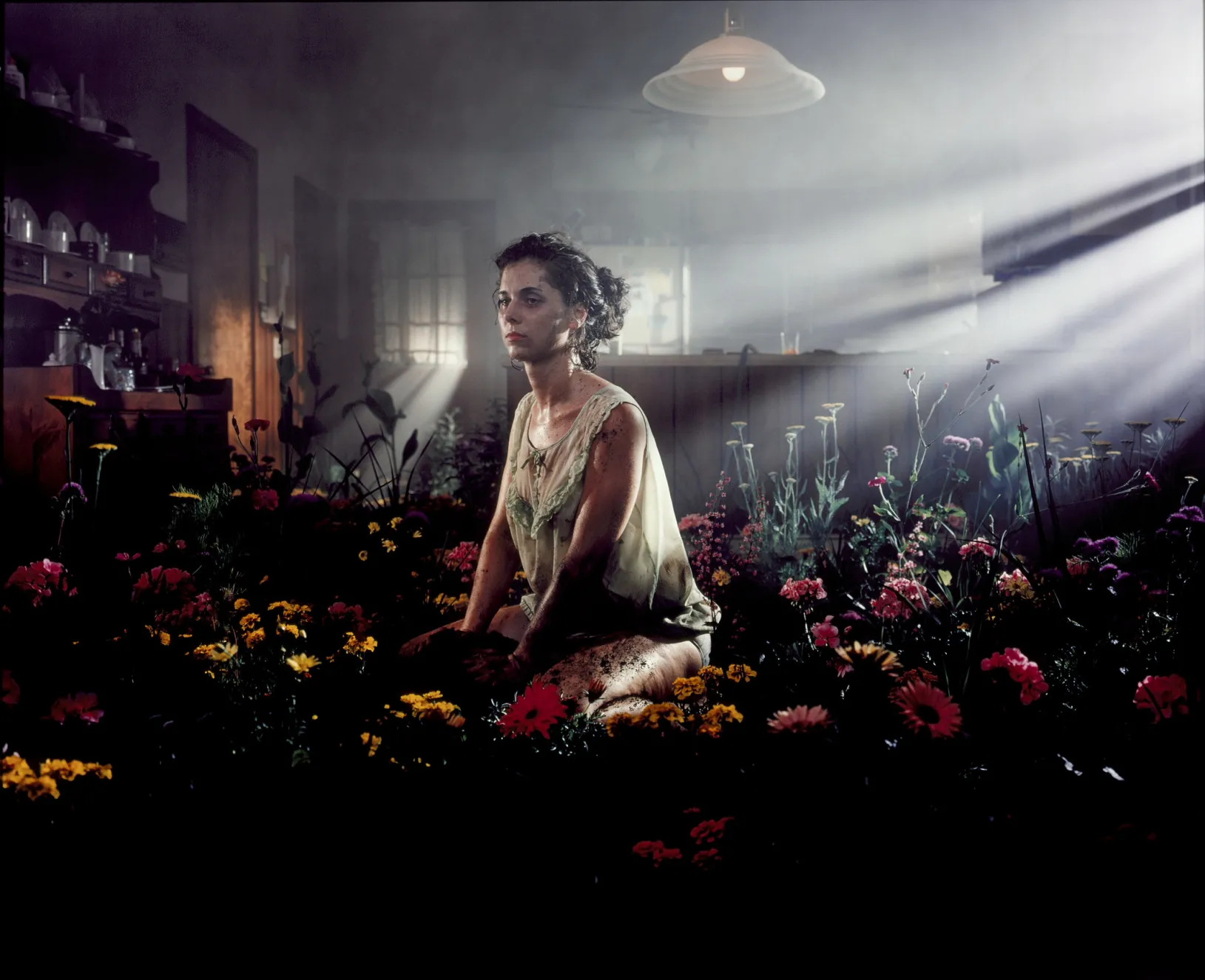
For fifteen years, Robert A. Sobieszek shepherded LACMA’s permanent collection of photographs with the highly refined visual understanding of an historian, the intellectual rigor and sophistication of an academic, the critical eye and sensitivity of a connoisseur, and the exuberance and passion of a man totally enthralled by photographers, photographs, and visual culture. This exhibition will feature pivotal works from the permanent collection acquired during Sobieszek’s tenure that have substantially...
Gustav Klimt: Five Paintings from the Collection of Ferdinand and Adele Bloch-Bauer
April 4, 2006–June 30, 2006
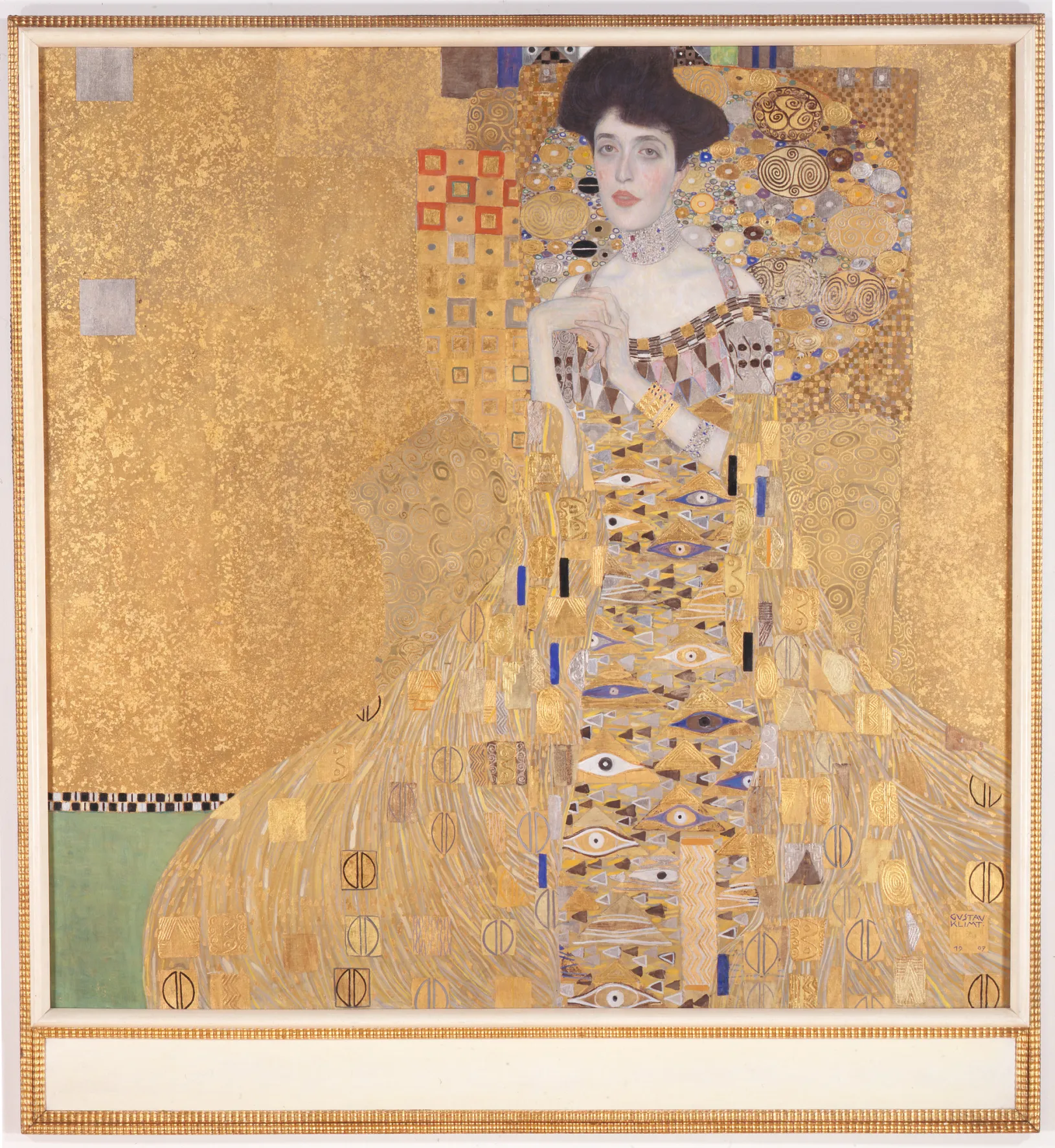
LACMA is honored to announce a special exhibition of five important paintings by Austrian artist Gustav Klimt (1862–1918). The paintings were recently returned by the Austrian government to the family of Maria Altmann, of Los Angeles, following a lengthy legal dispute over the rightful ownership of these works stolen by the Nazi regime. The five masterpieces by Klimt epitomize the height of Viennese Jugendstil. They include two portraits of Maria...
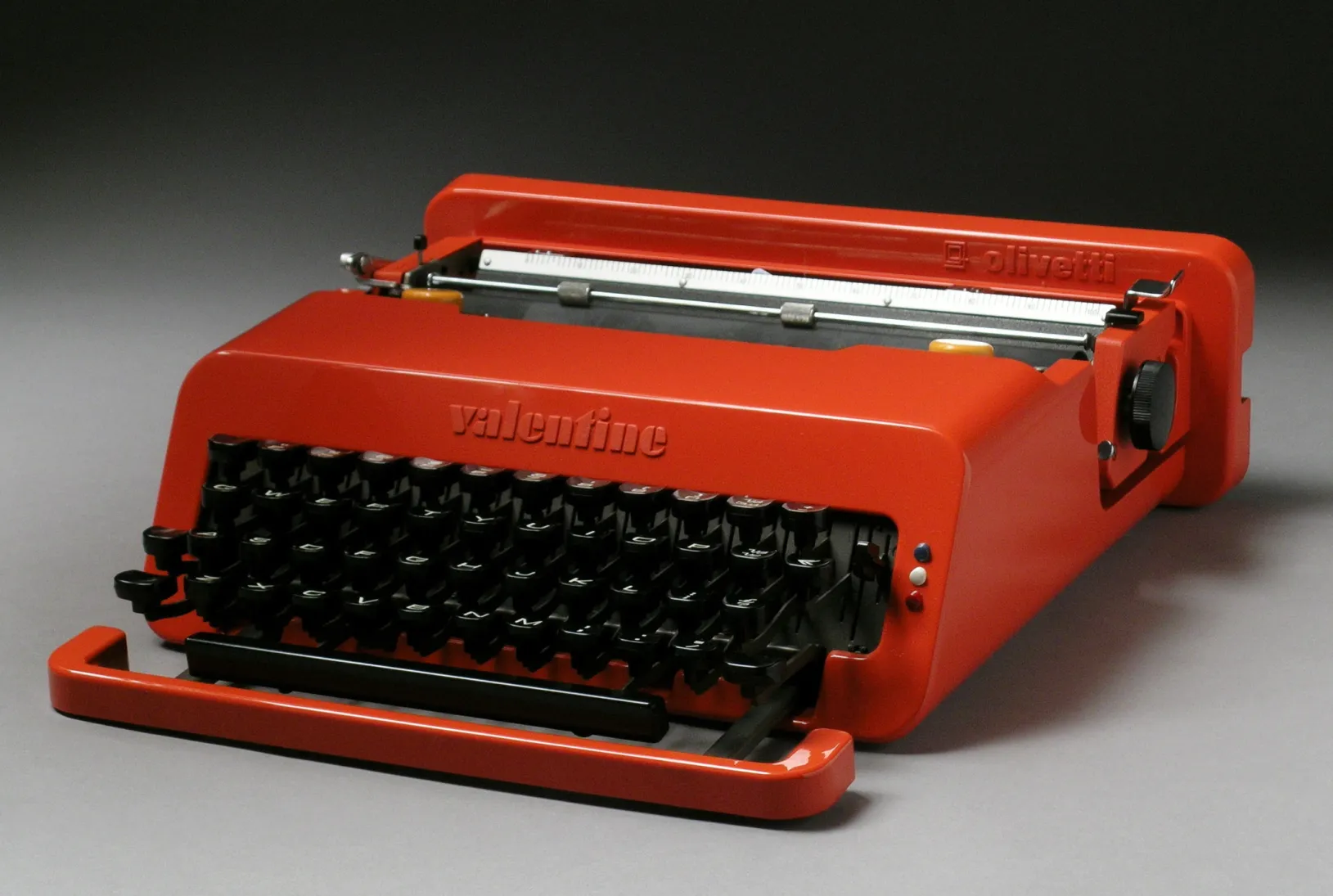
Ettore Sottsass
March 12, 2006–June 11, 2006
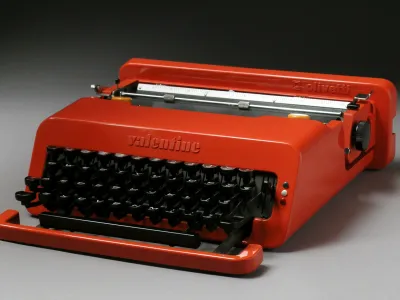
Long recognized as a major figure in architecture and design, Ettore Sottsass, Jr., is celebrated internationally for his landmark contributions such as the first Italian calculator—the Elea 9003, the bright red poppy plastic Valentine typewriter, and mobile, multi-functional fiberglass furniture units of the 1970s. This exhibition will be a survey of his career, and will present the wide array of objects he has created: furniture, ceramics, glass, product design, silver...