Danse Macabre: Death in Print from Durer to Dix
- Dates: Jun 12–Dec 6, 2026
- Location: BCAM, Level 3
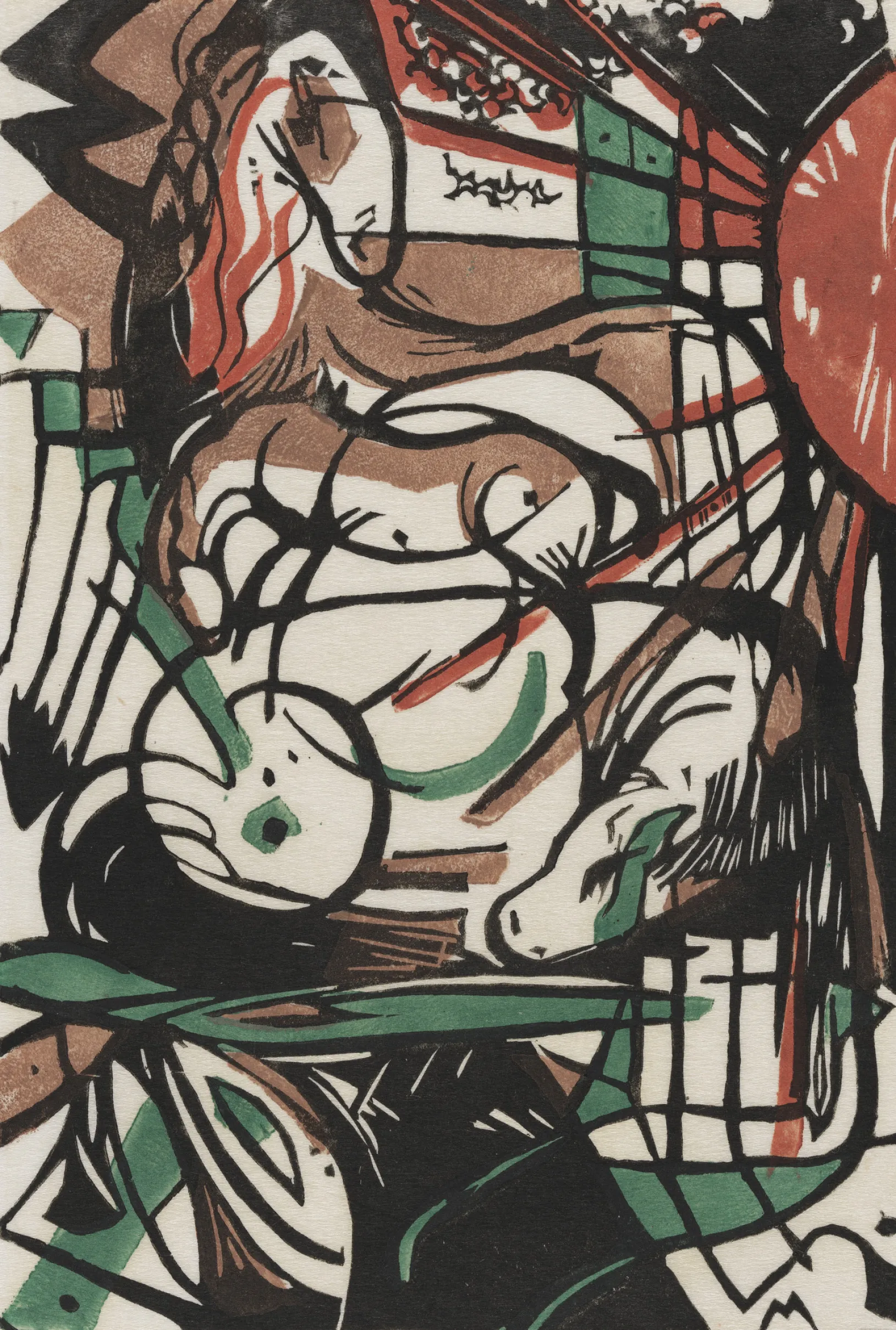
The danse macabre (dance of death), a visual allegory of life’s impermanence depicted by lively dancing skeletons, was popularized in woodcut illustrations as early as the 14th century. Equal parts foreboding and whimsical, this ghoulish imagery was taken up by artists across Europe in the centuries that followed. By World War I, German Expressionist artists found relevance in the subject, deploying motifs of skulls, hourglasses, and personifications of Death to evoke the grim circumstances of war, revolution, and industrialization.
Go Metro. The D Line now brings you directly to LACMA (Wilshire/Fairfax Station). Plan your trip at Metro.net.
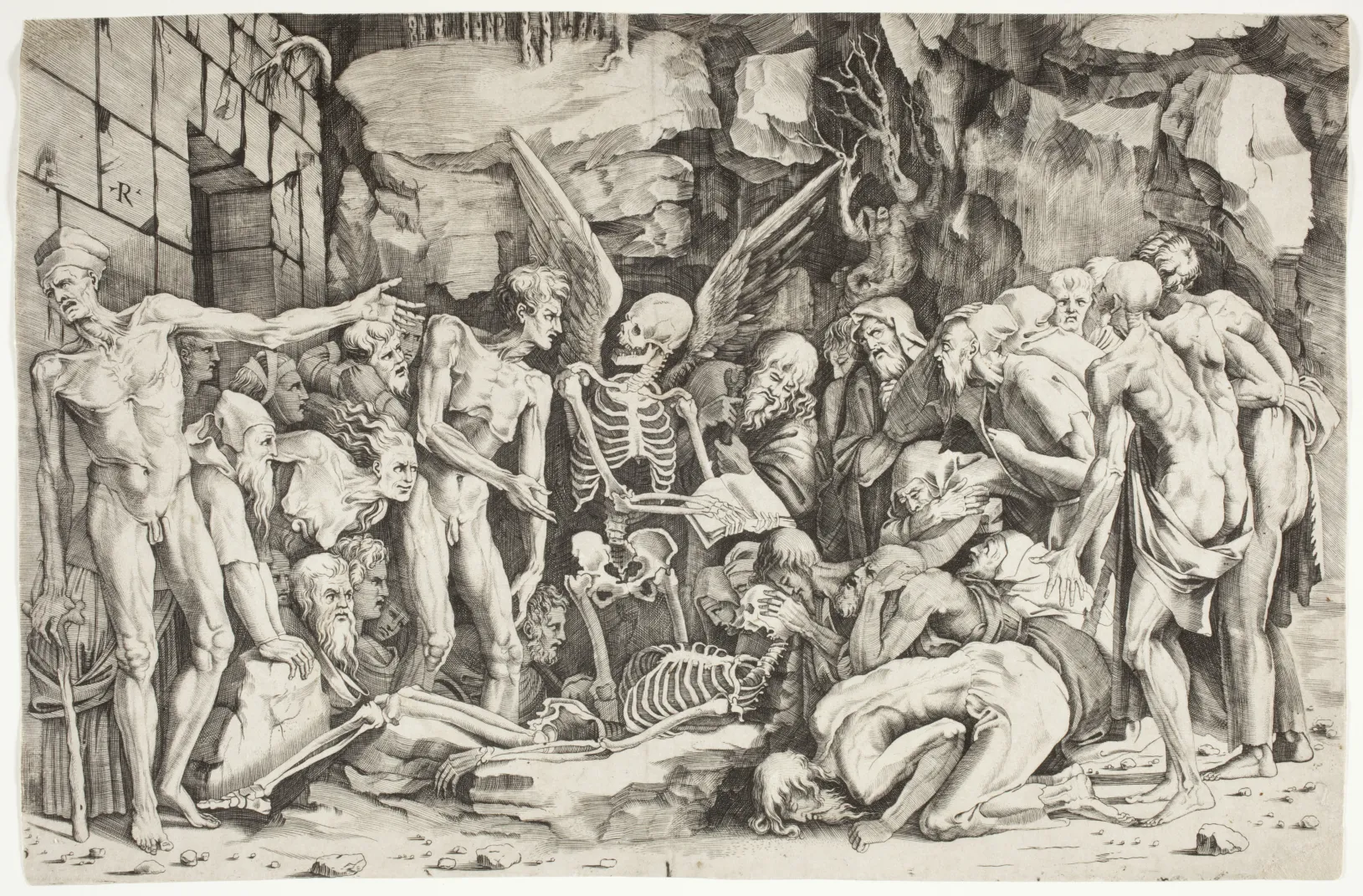
Marco Dente, Baccio Bandinelli, The Skeletons, 1518—25, Los Angeles County Museum of Art, Mary Stansbury Ruiz Bequest, photo © Museum Associates/LACMA
Support
This installation was organized by the Los Angeles County Museum of Art.