Current Exhibitions
Browse our current offerings, including special exhibitions, presentations drawn from our permanent collections, outdoor sculpture installations, and site-specific artworks. LACMA’s program ranges from monographic exhibitions and thematic surveys to shows built on collection strengths such as California design, art of the ancient Americas, German Expressionism, and Southern California’s Light and Space movement.
The Brockman Gallery: Los Angeles, 1967–1990
Oct 18, 2026–Jan 24, 2027 | BCAM, Level 1
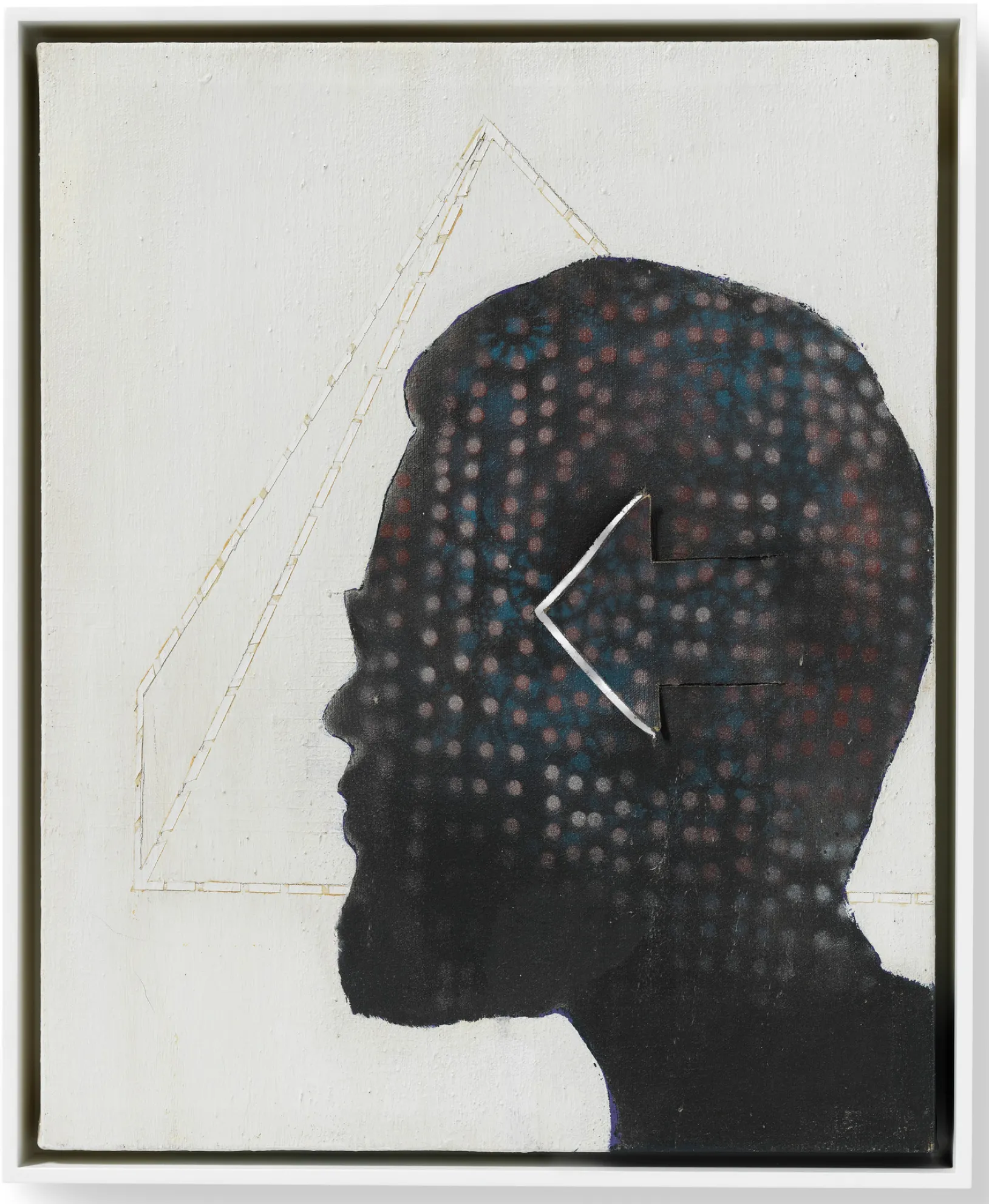
The Brockman Gallery: Los Angeles, 1967–1990 is the first large-scale exhibition dedicated to the impact of the Brockman Gallery, founded in South L.A. by brothers Alonzo and Dale Brockman Davis in the wake of the Watts Rebellion. Their space became vital for young artists of color, nurturing the early careers of David Hammons, Suzanne Jackson, and Carrie Mae Weems, among others. Featuring rich archival material and over 60 works of...
Home of the Future, 1925–1985: Designing Domestic Utopias
Sep 27, 2026–Mar 14, 2027 | Resnick Pavilion
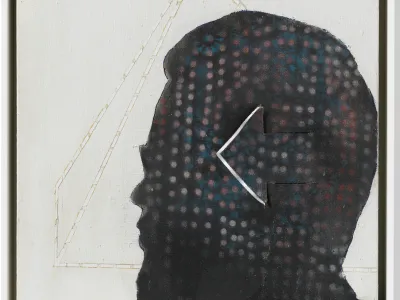
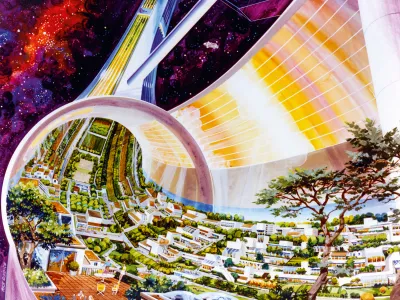
Between 1925 and 1985, Americans were offered an astonishing array of domestic utopias. Self-cleaning kitchens, plastic houses assembled in a day, push-button appliances, and desktop computers all shaped aspirations about how to live. Through architectural models, drawings, photographs, films, and objects ranging from sinks to television sets, Home of the Future traces how the American home of tomorrow was imagined, packaged, and sold—by whom, and for whom. While these visions...
The Kitchen and Its Discontents
Sep 27, 2026–Mar 14, 2027 | Resnick Pavilion
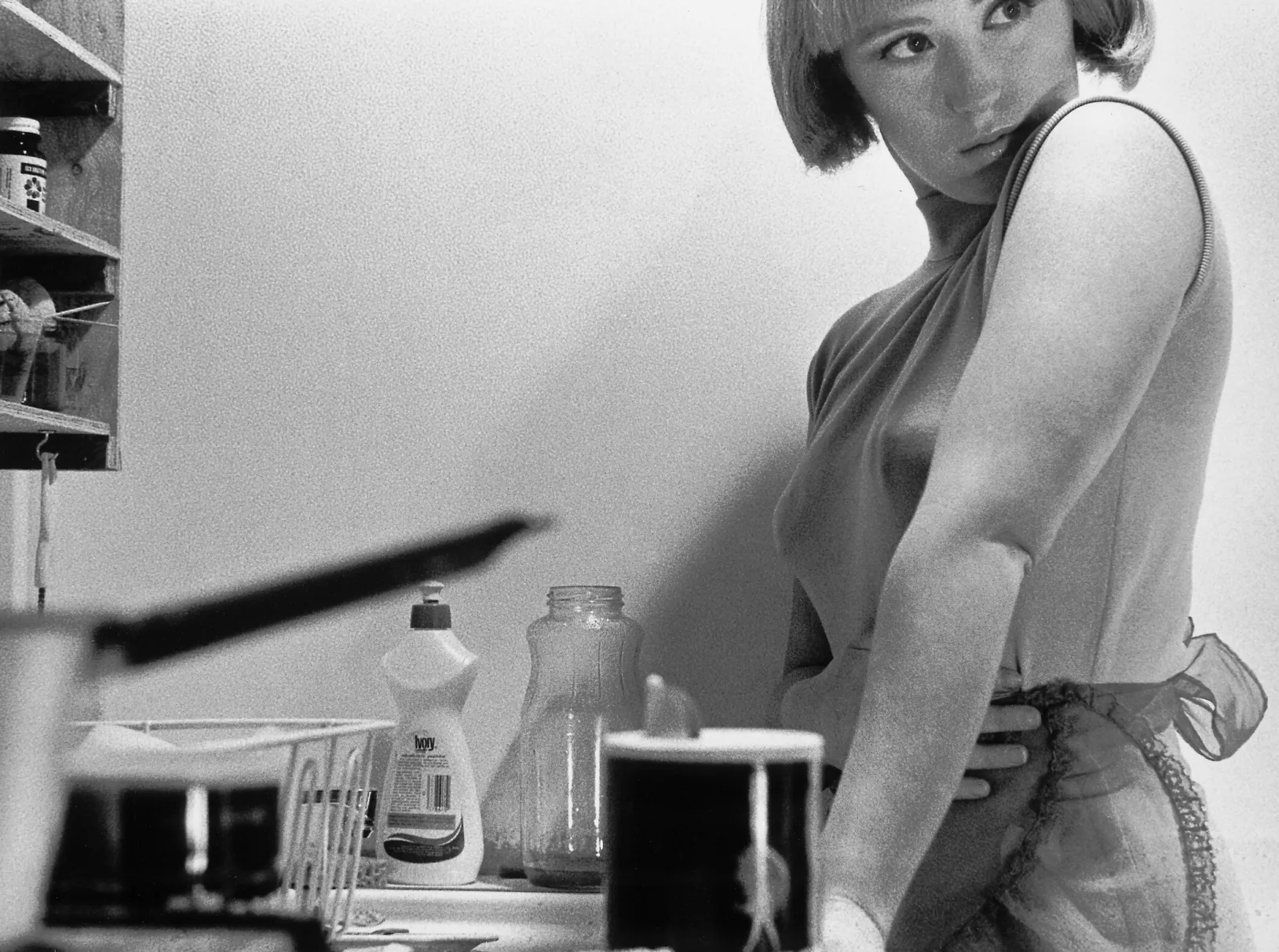
Historically a site of women’s labor, the kitchen has also been the subject of their design research and cultural critique. The Kitchen and Its Discontents brings two influential kitchens from LACMA’s collection into conversation: Margarete Schütte-Lihotzky’s 1926–30 kitchen for the New Frankfurt social housing program in Germany, and Charlotte Perriand and Le Corbusier’s 1948–50 kitchen for L’Unité d’Habitation in Marseille, France. These designers applied modern principles of efficiency and modularity...
Textile Alchemy: The Art of Reiko Sudo & NUNO
Sep 20, 2026–Mar 7, 2027 | Resnick Pavilion
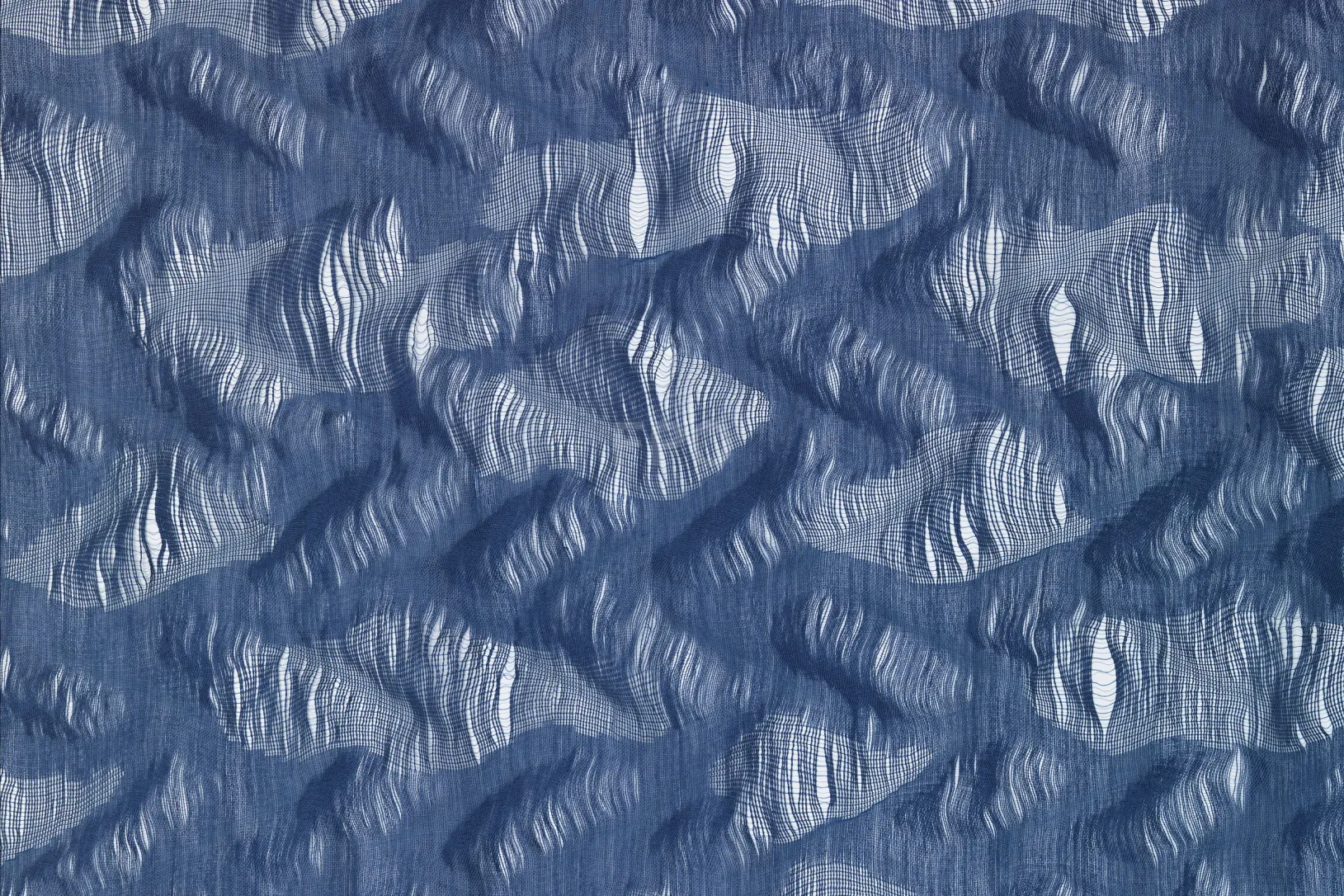
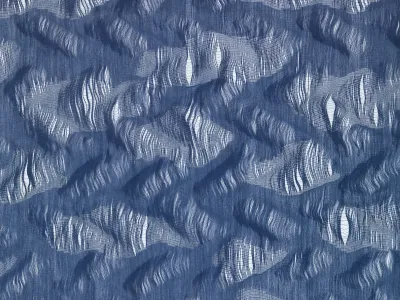
Reiko Sudō is a textile alchemist who, for more than 40 years, has pioneered innovative textiles that merge tradition with experimentation and handicraft with technology. Textile Alchemy: The Art of Reiko Sudō & NUNO provides an in-depth survey of the acclaimed Japanese designer’s work created with her textile collective NUNO, often in collaboration with independent artisans and workshops across Japan, and utilized by celebrated architects. The largest retrospective of Sudō’s textiles...
Eileen Cowin: Between Panic and Paradise
Aug 23, 2026–Jan 3, 2027 | BCAM, Level 2
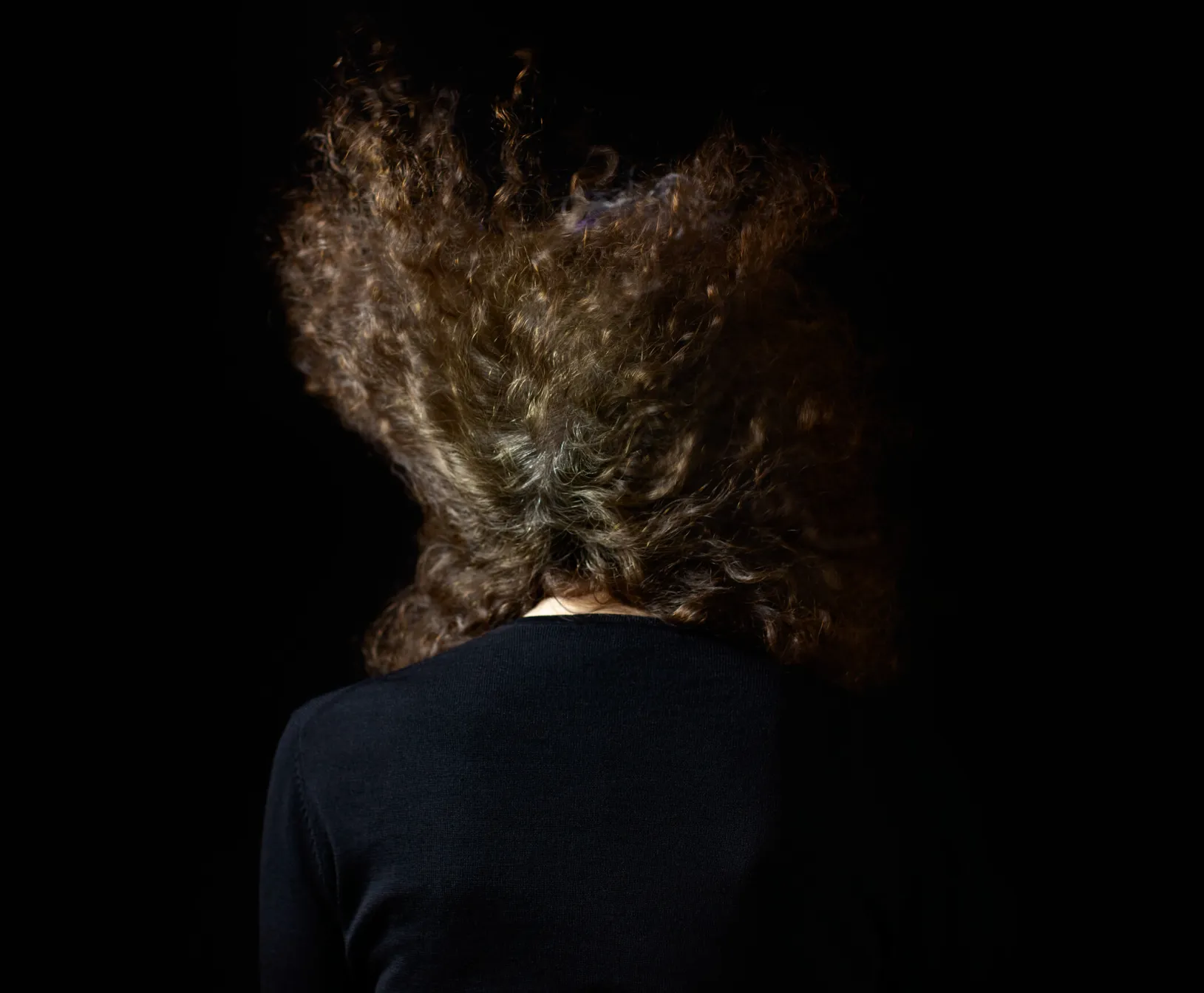
Eileen Cowin: Between Panic and Paradise presents the provocative photography and video of the Los Angeles–based artist who has explored romance and rivalry, the personal and the political, and the monotony and mystery of daily life, for more than 50 years. Often blurring the distinction between nonfiction and fiction, Cowin draws on cinema, literature, poetry, and painting to shape her photographic narratives. This survey highlights the artist’s work with experimental...
Danse Macabre: Death in Print from Durer to Dix
Jun 12–Dec 6, 2026 | BCAM, Level 3
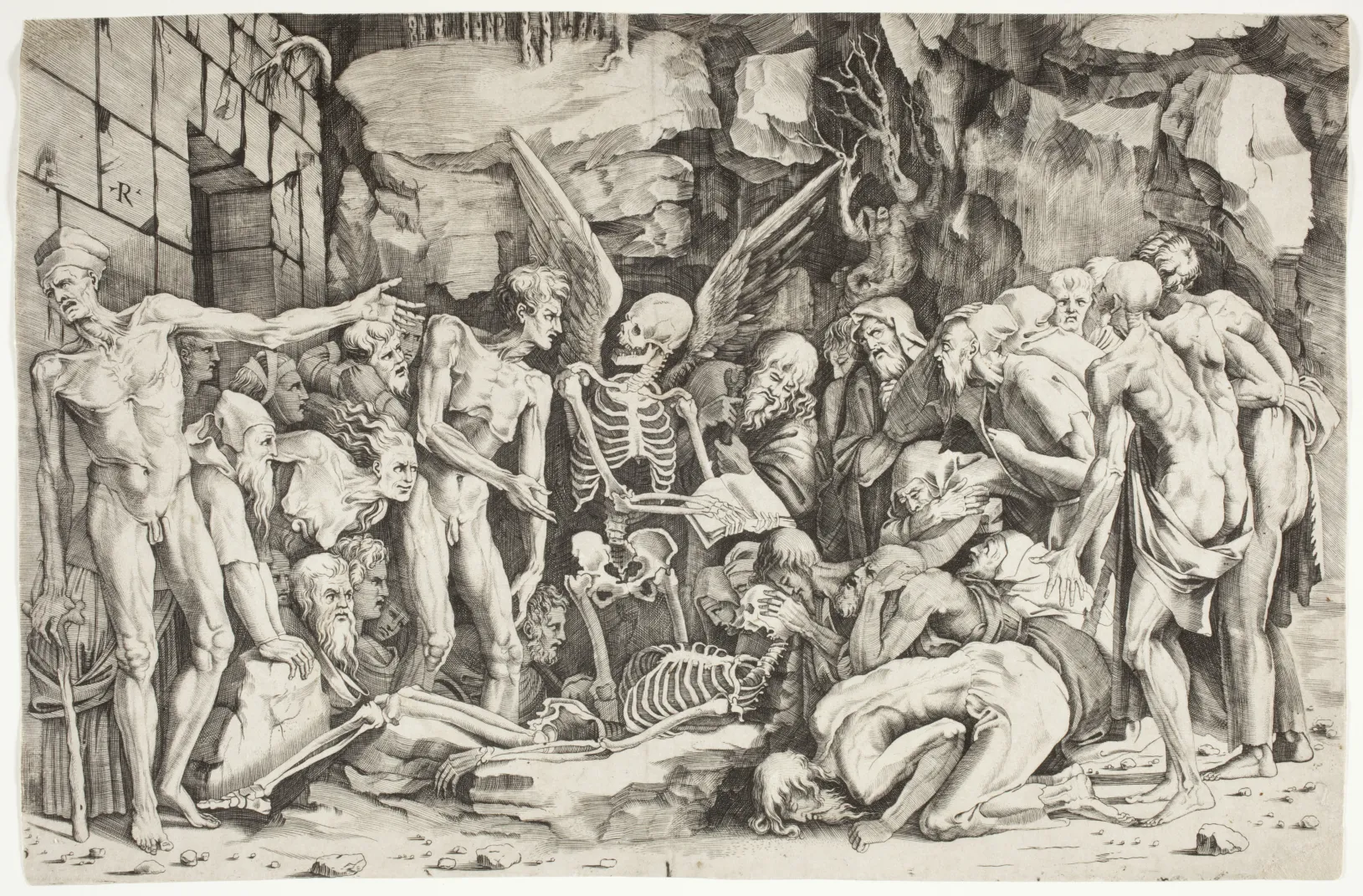
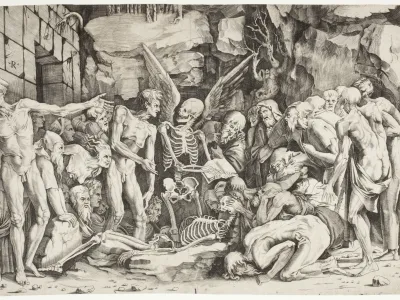
The danse macabre (dance of death), a visual allegory of life’s impermanence depicted by lively dancing skeletons, was popularized in woodcut illustrations as early as the 14th century. Equal parts foreboding and whimsical, this ghoulish imagery was taken up by artists across Europe in the centuries that followed. By World War I, German Expressionist artists found relevance in the subject, deploying motifs of skulls, hourglasses, and personifications of Death to...
Pablo Picasso—Portraits in Disguise
Jun 12–Dec 6, 2026 | BCAM, Level 3
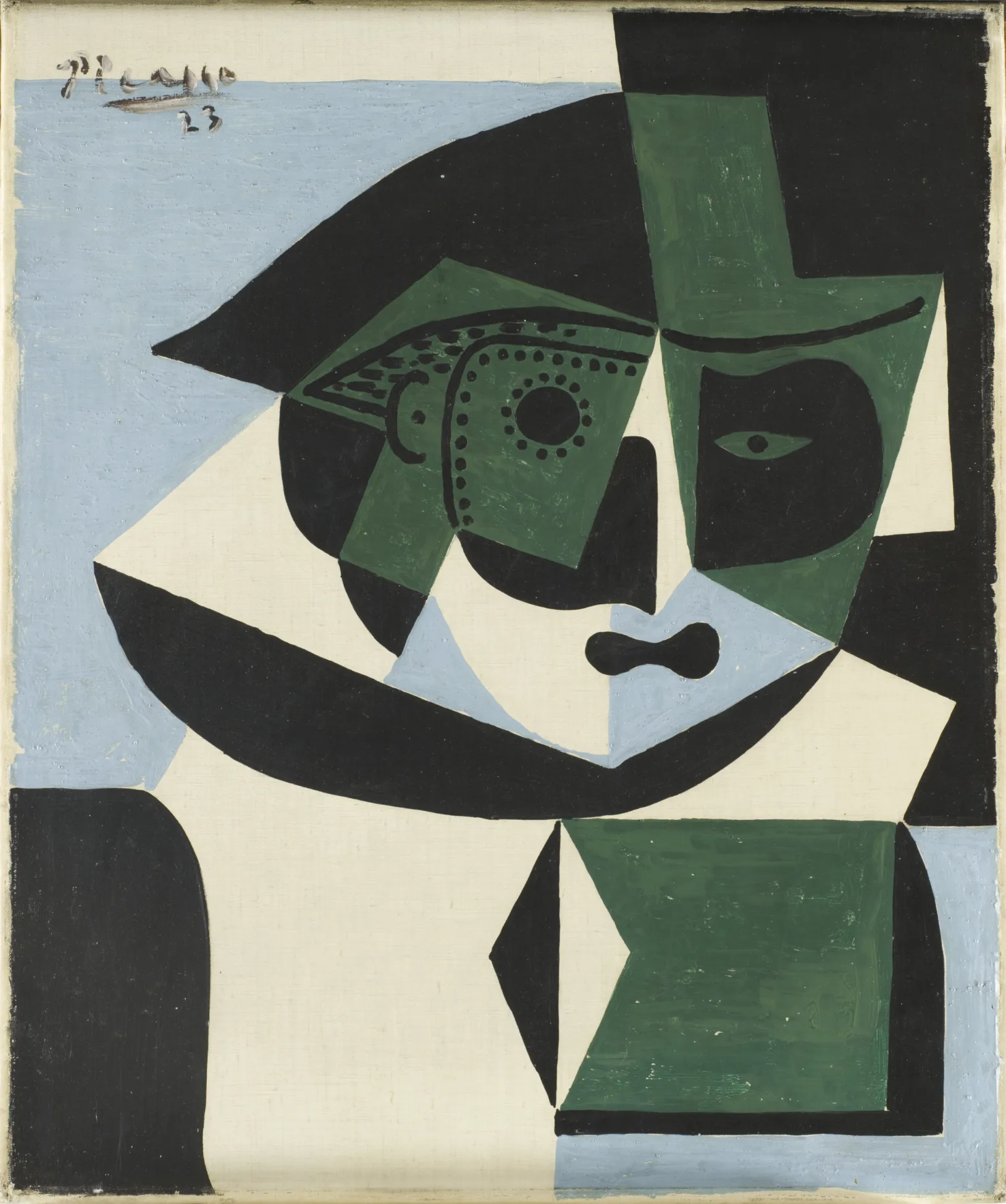
The human figure was Pablo Picasso’s favorite subject, and portraiture remained a constant throughout his career. Drawing from his personal life, he depicted lovers, friends, rivals, and himself in whichever pictorial language occupied him at the moment, from the fractured planes of Cubism to the expressive gestures of his late work.
This selection of works reveals how many of Picasso’s portraits operate in disguise. Rather than depicting his subjects directly...
Christina Quarles: Now We’re There (And We’ Only Just Begun)
May 3–Nov 8, 2026
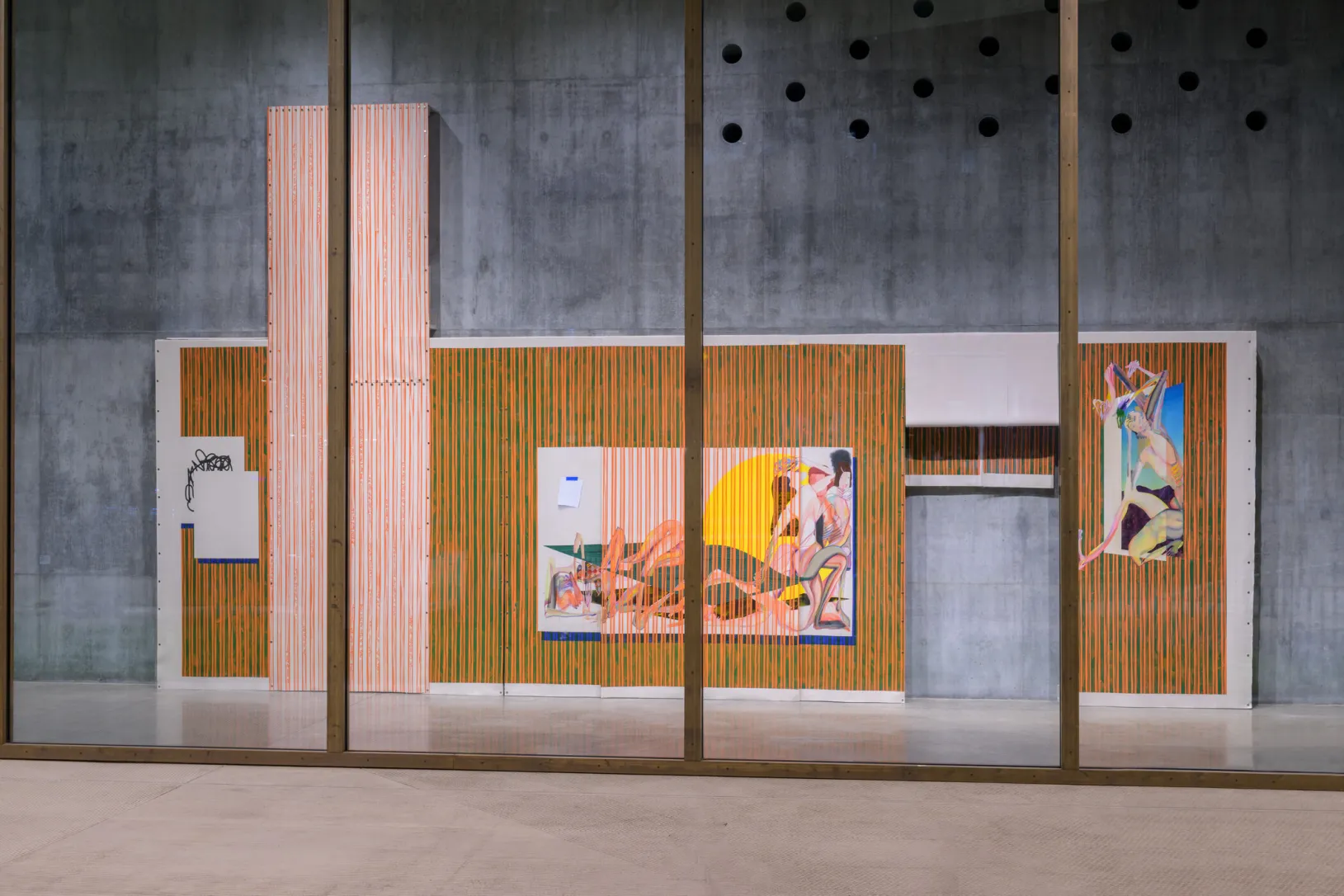
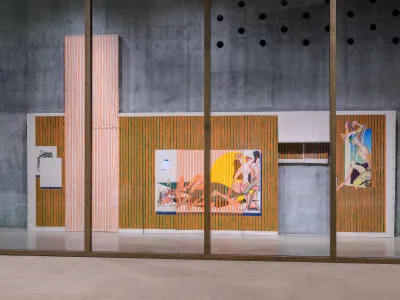
For the inaugural exhibition in a series devoted to working with contemporary artists in the new W.M. Keck Foundation Gallery, LACMA presents Christina Quarles’s Now We're There (And We' Only Just Begun) (2023). Based in Los Angeles, Quarles is known for large-scale canvases that explore what it feels like to inhabit a body shaped by identity and lived experience. Now We're There (And We' Only Just Begun), recently acquired...
Alfonso Gonzalez Jr.: In Between Stops
Feb 22–Dec 1, 2026
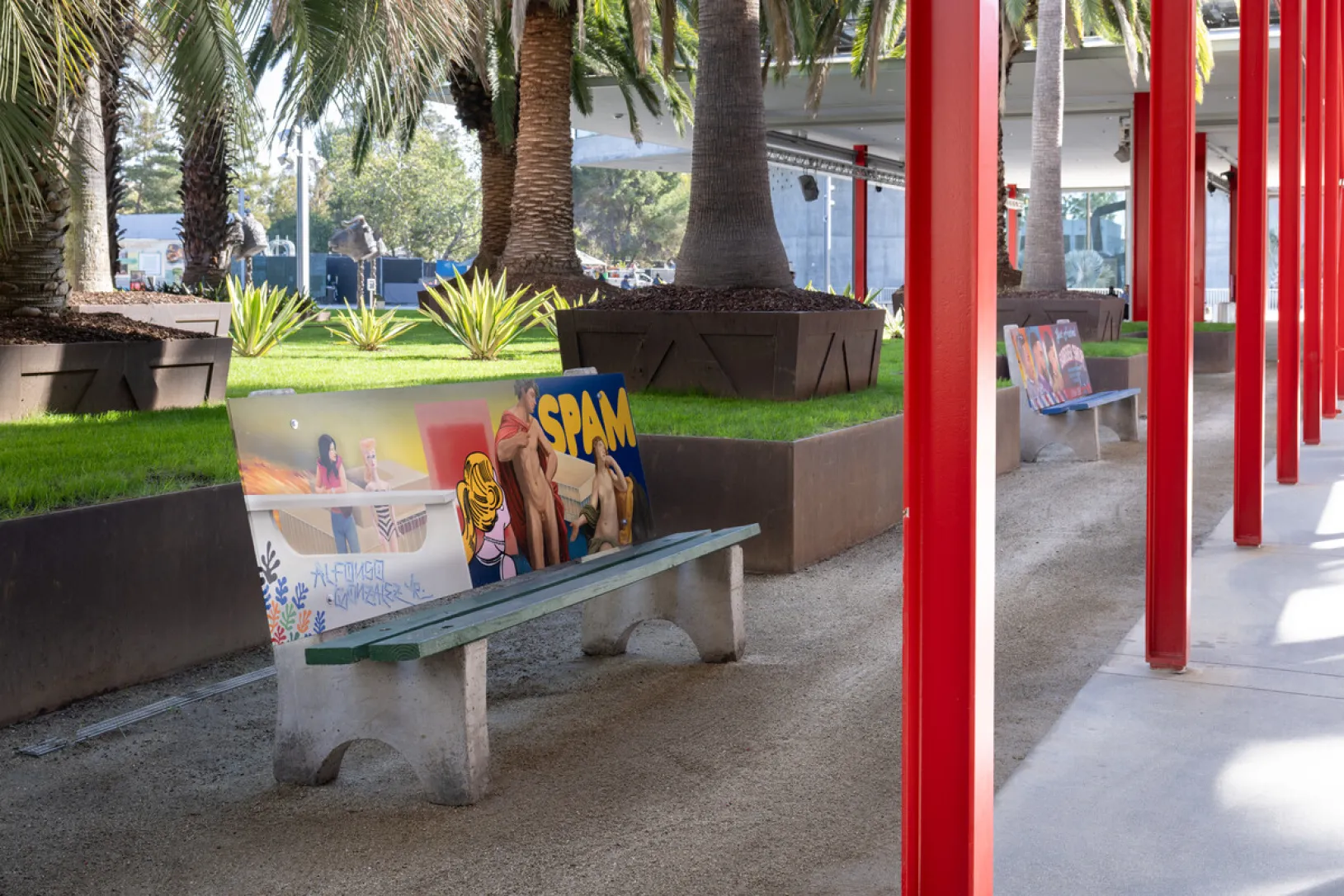
Alfonso Gonzalez Jr.: In Between Stops features 12 benches designed by the Los Angeles–based artist installed along LACMA’s Kendall Concourse. A second-generation sign painter, Gonzalez draws on rotulismo mexicano—the tradition of Mexican hand-painted signage—to continue a craft increasingly displaced by digital graphics and urban clean-up efforts. His benches feature personal or socially conscious messages in place of typical bus stop advertisements and, at times, incorporate elements from LACMA’s history and collection, generating a dialogue...
Collecting Impressionism at LACMA
Dec 21, 2025–Jan 3, 2027 | Resnick Pavilion
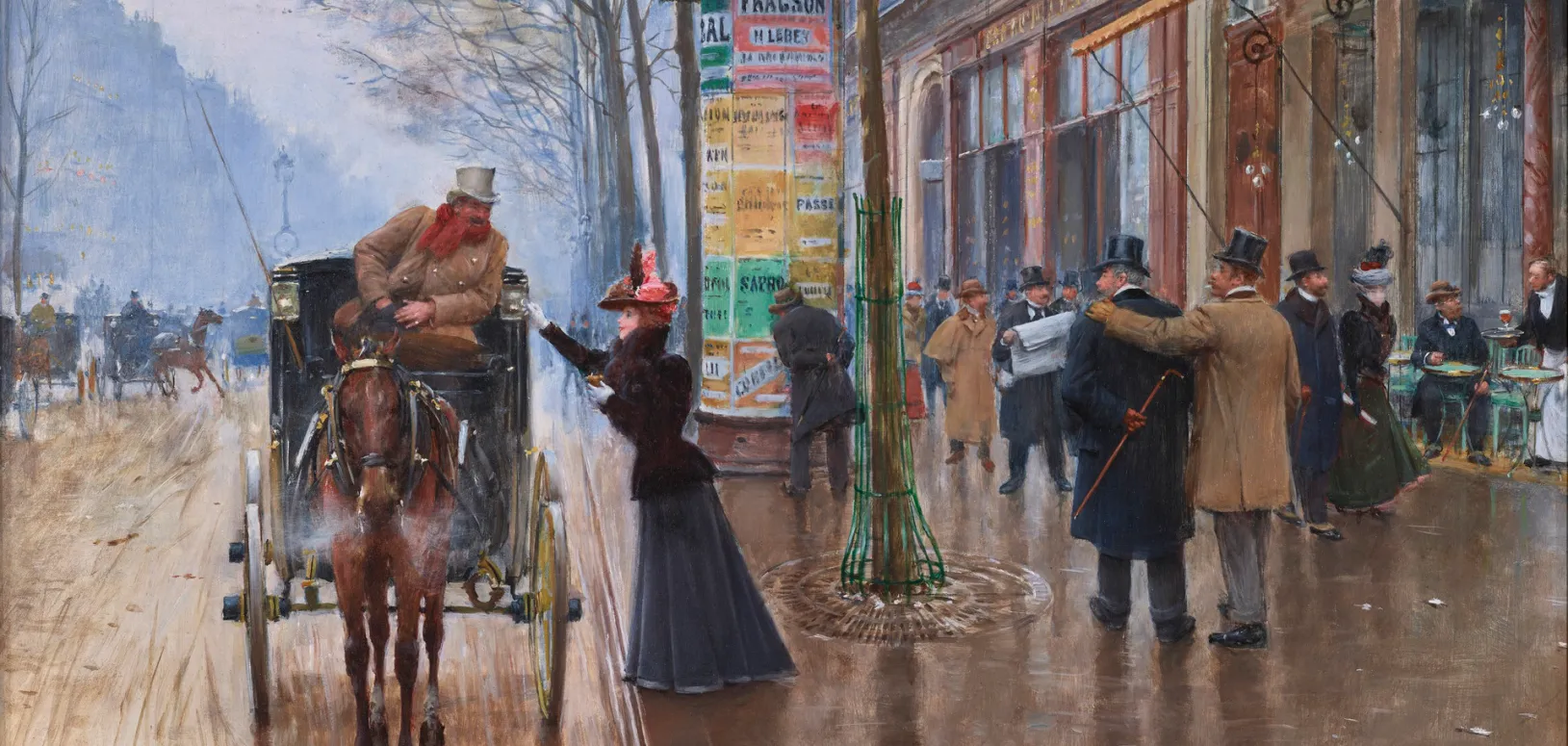
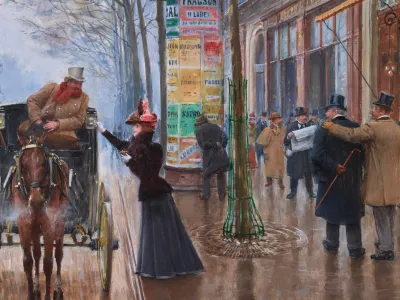
Inspired by breakthroughs in industry and technology, visual culture in the final quarter of the 19th century in France expanded well beyond the traditional media of painting, sculpture, and drawing to include advances in printmaking, photography, decorative arts, and fashion. Yet, 150 years later, French Impressionism single-handedly defines this period at American art museums. Unpacking the reasons why, Collecting Impressionism at LACMA offers a surprising narrative about the people and...
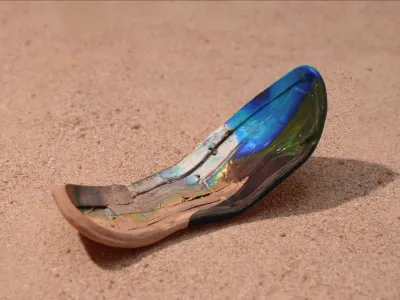
john gerrard: SPIRITS
Dec 21, 2025–Dec 20, 2026
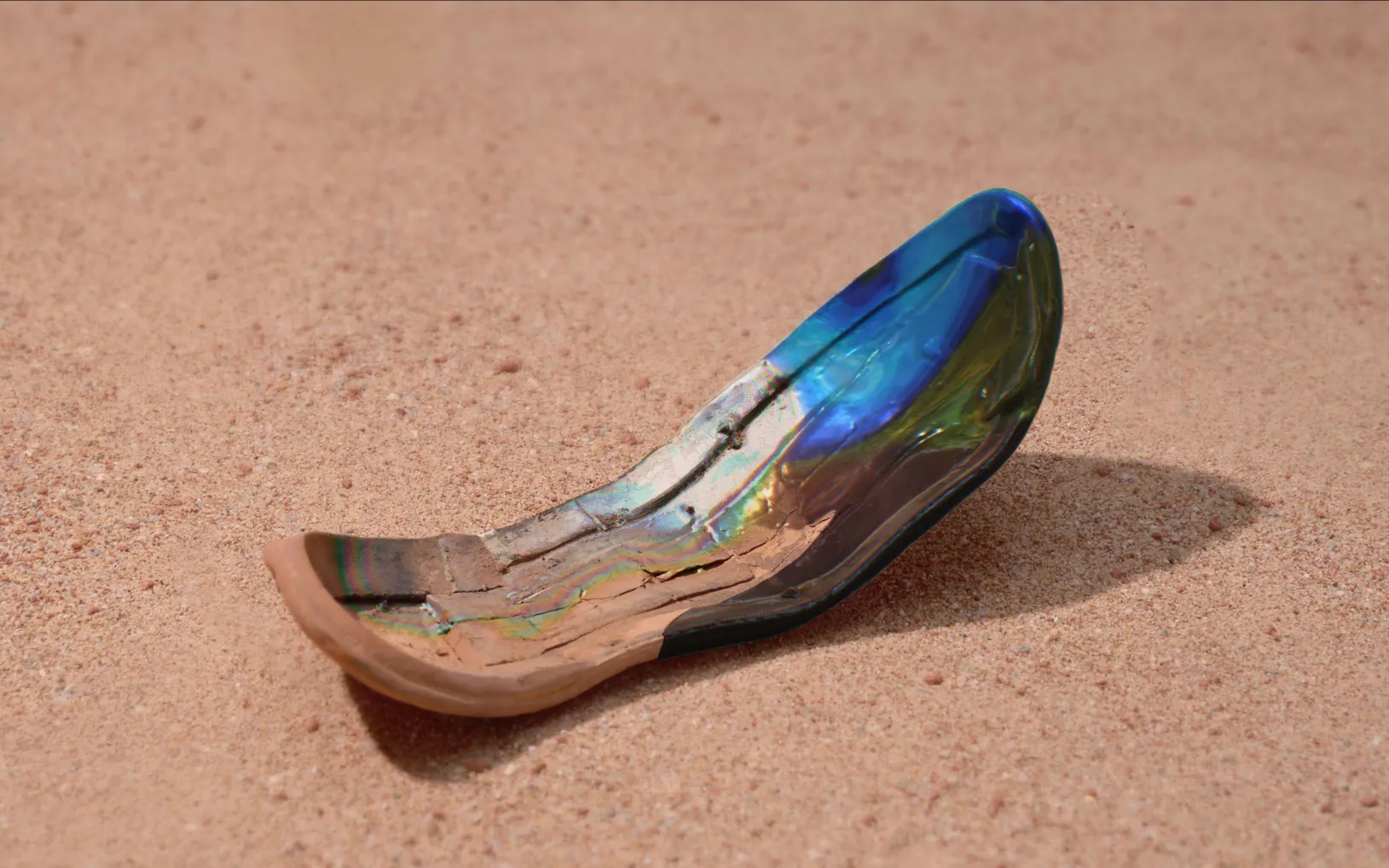
SPIRITS is a year-long artwork designed to be experienced on your mobile browser. Irish artist john gerrard collected 96 plastic sandals and shoes from beaches across the world, each one carrying unknown stories of the people who wore them. By photoscanning the discarded objects into high-resolution “gaussian splats,” gerrard transforms them into sculptural forms, inviting the viewer to overlay them with oil slicks or ocean currents. The work unfolds across...