Collections
Gráfica Popular
The Political Broadsheet: The Taller de Gráfica Popular
The Taller de Gráfica Popular (The People’s Print Workshop), commonly known as the TGP, was established in Mexico City in 1937 by artists Leopoldo Méndez (1902–1968), Luis Arenal (1908–1985), Raúl Anguiano (1915–2006), and Pablo O’Higgins (1904–1983). The TGP was a collective center for the creation of sociopolitical art. Sharing the post-revolutionary idealism of the Mexican muralists, the TGP aimed to reach a broad audience, primarily through the dissemination of inexpensive wood- and linoleum-block prints. The group’s declaration of principles announced, “The TGP believes that, in order to serve the people, art must reflect the social reality of the times and have unity in content and form.”
In an effort to be relevant to workers and their struggles, artists created works that were highly didactic. The workshop’s output, which included posters, prints, portfolios, and other illustrations, was enormous. Most of the works made in the 1930s and 1940s—the workshop’s heyday—expose the exploitation of the poor, attack the abuse of peasant rights, criticize the land-ownership system, and denounce European fascism and United States imperialism. A remarkable aspect of the TGP is that it was open to applicants from all social classes and occupations; it also included a number of foreign artists. The TGP earned international acclaim, which led to the creation of similar workshops throughout the world.
- Ilona Katzew, 2008
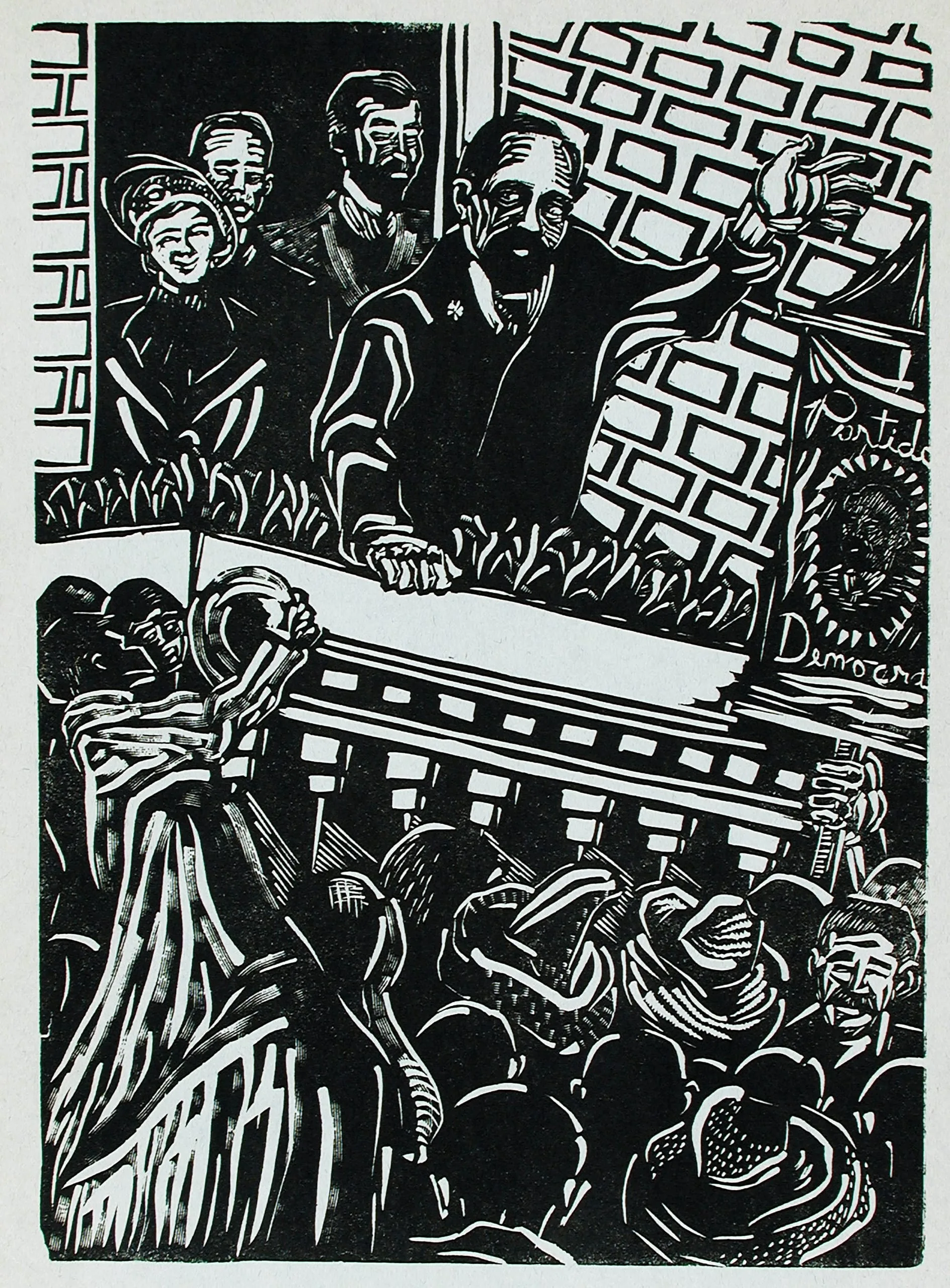
Jules Heller
Francisco I. Madero, Popular Candidate (Francisco I. Madero, candidato popular), 1947
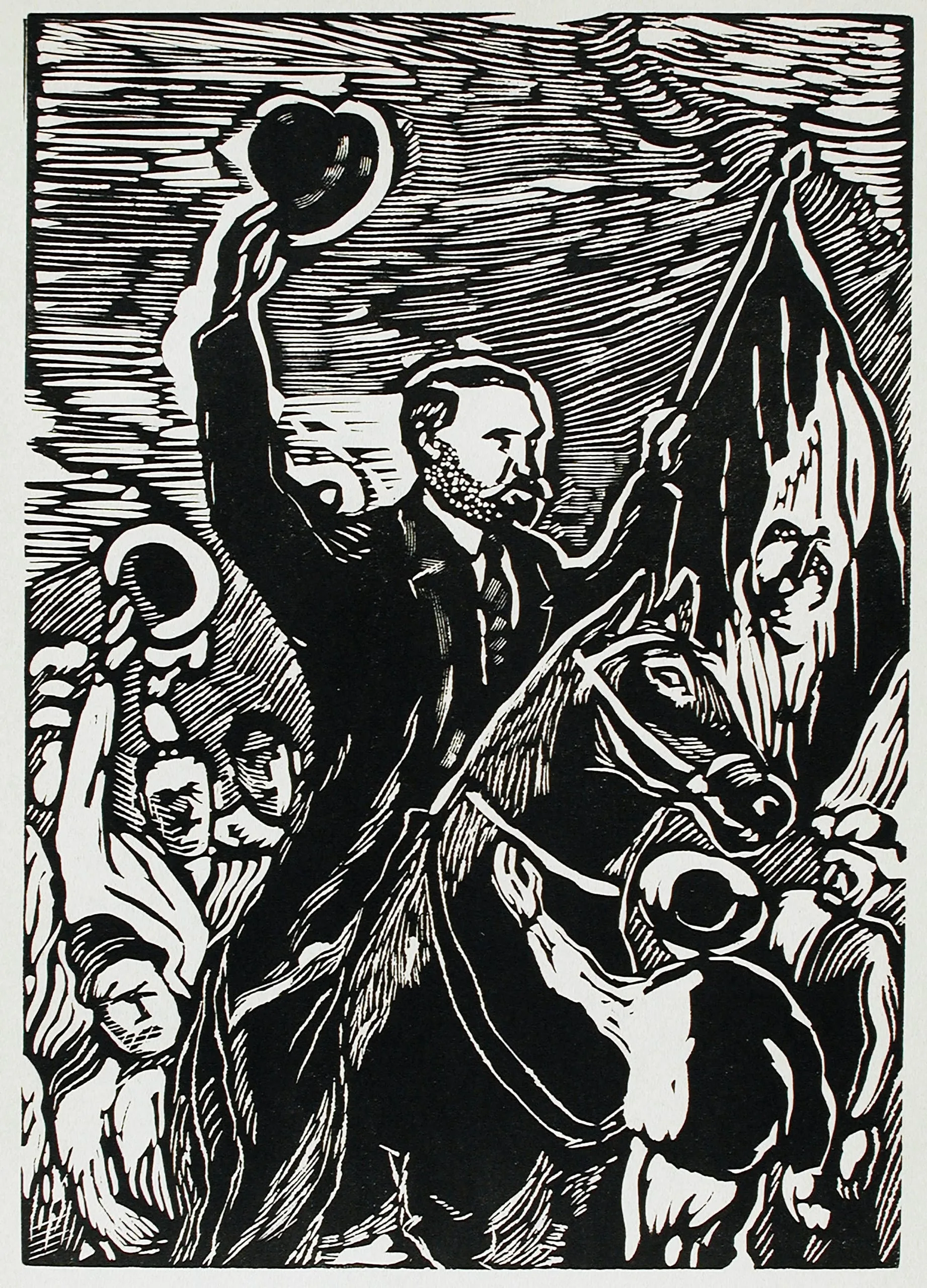
Isidoro Ocampo
Francisco I. Madero’s Entrance into Mexico City. June 7, 1911 (La entrada de Francisco I. Madero en la ciudad de México. 7 de junio de 1911), 1947
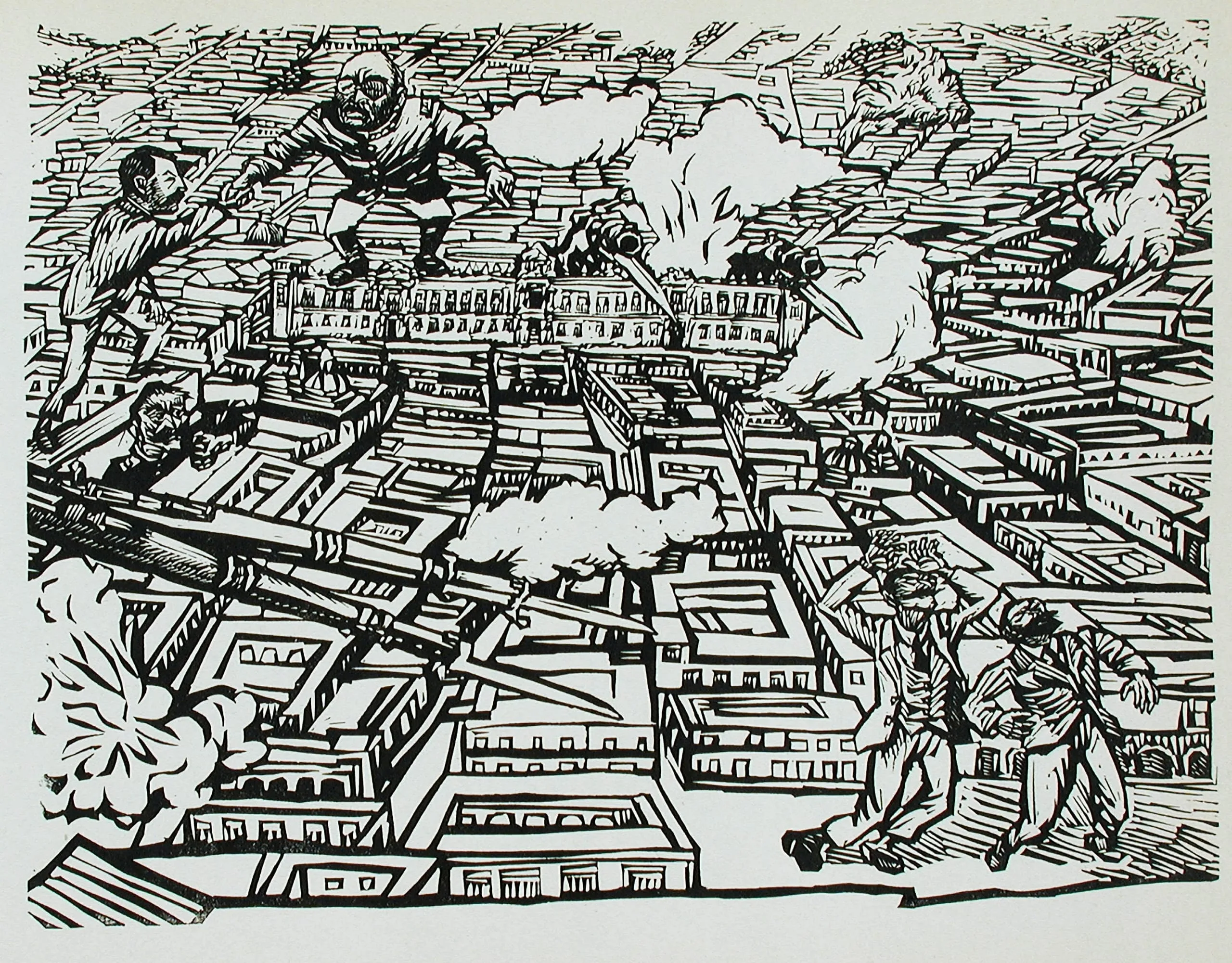
Alfredo Zalce
The Ten Tragic Days. February 9–18, 1913 (La decena trágica. 9-18 de febrero de 1913), 1947
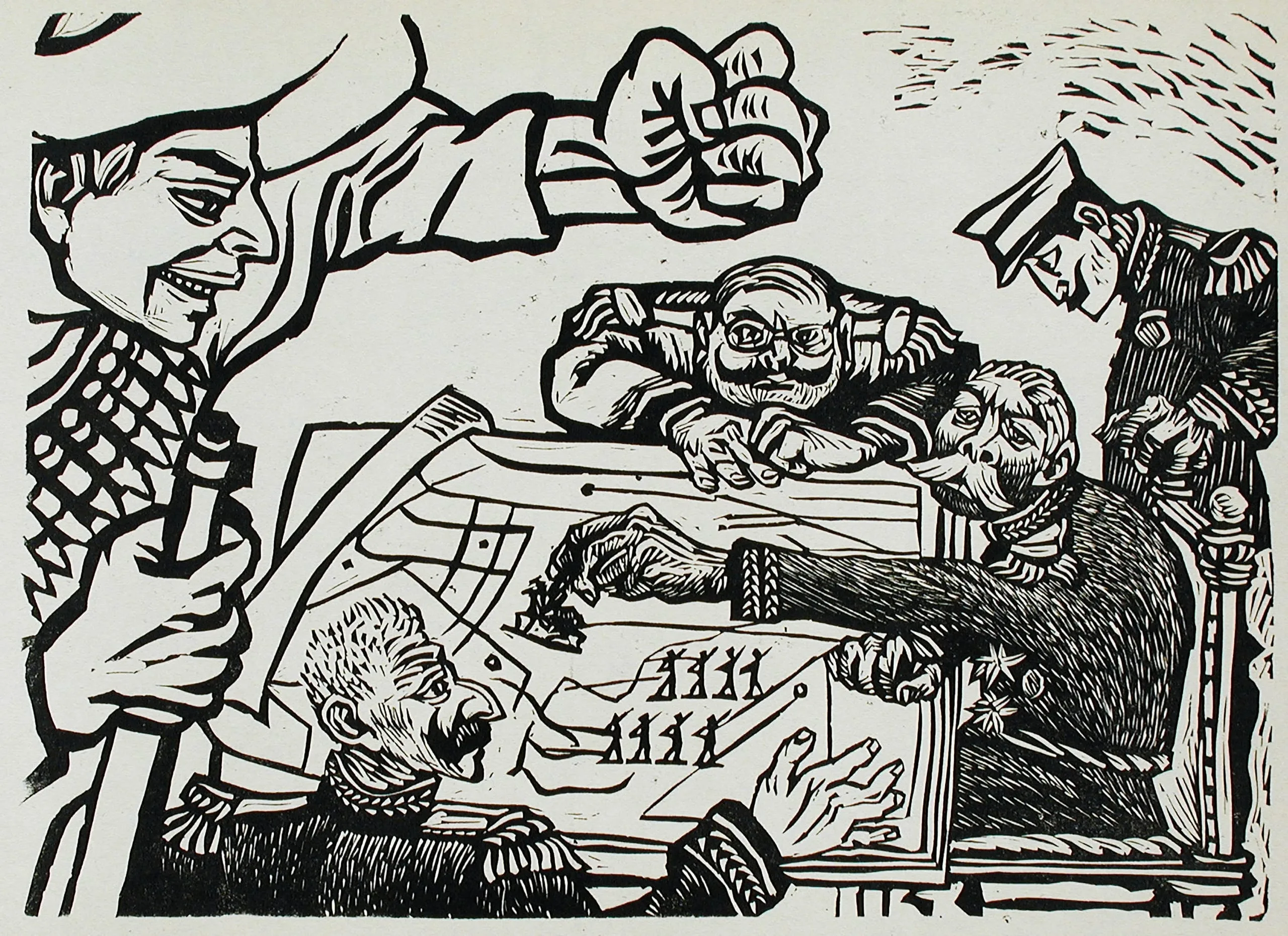
Alfredo Zalce
The Revolution and the Strategists (La revolución y los estrategas), 1947
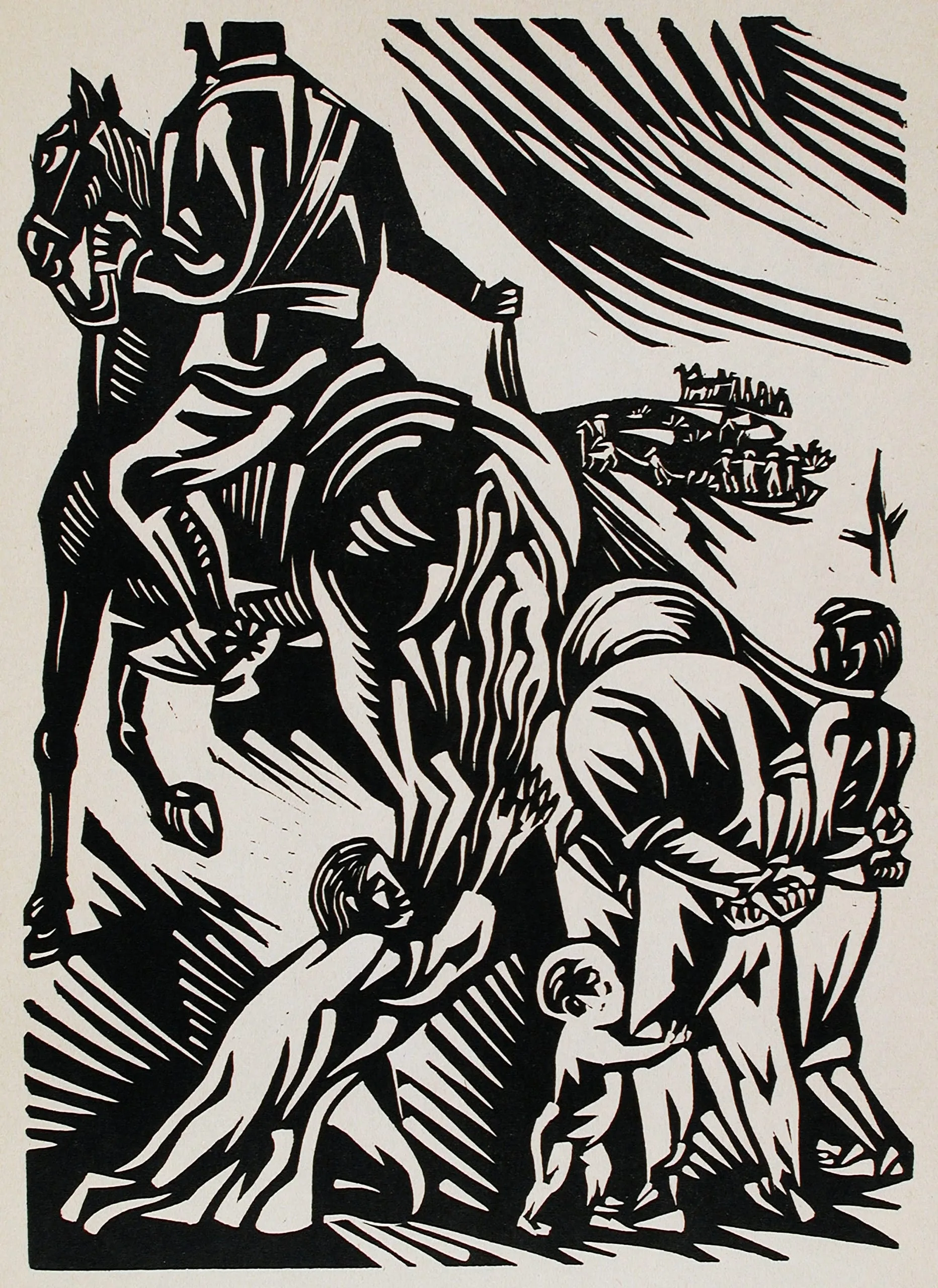
Jesús Escobedo
The Acordada Rural Police (Las acordadas), 1947
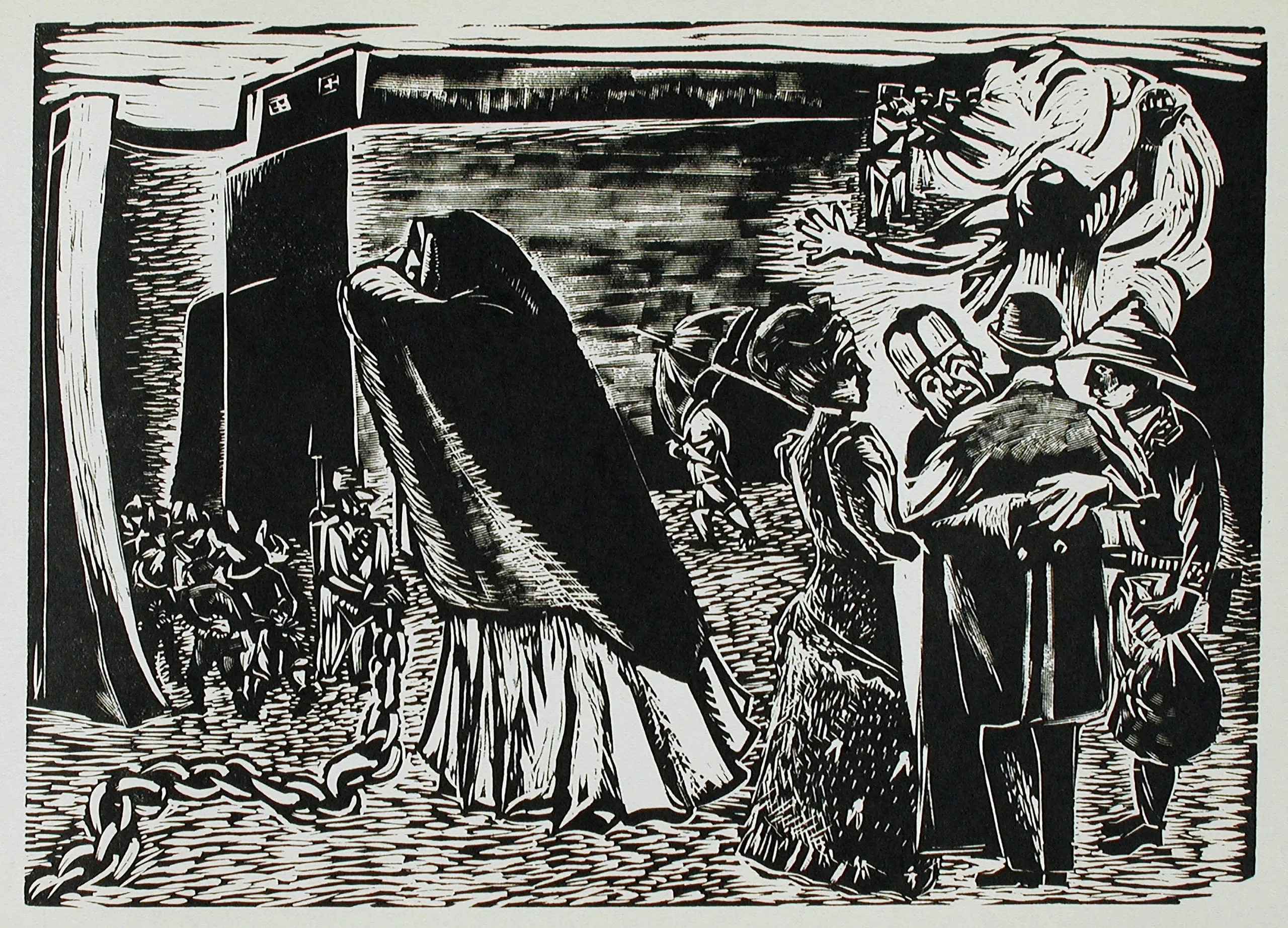
Ignacio Aguirre
Prison and Death for the Malcontents in the North of the Country. 1909 (Prisión y muerte de los descontentos en el norte del país. 1909), 1947
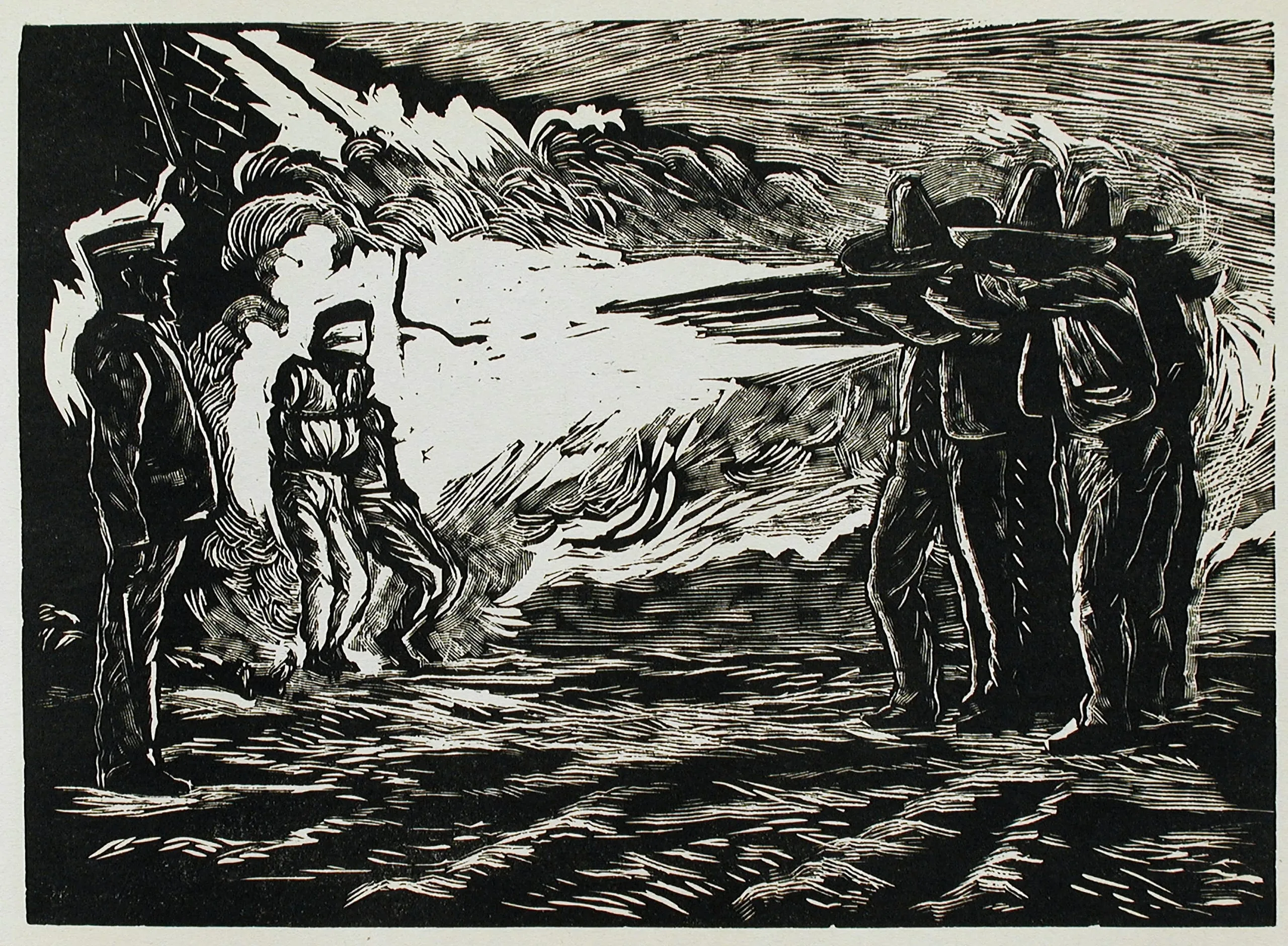
Arturo García Bustos
The Peasants’ Unrest Receives an Answer (El descontento de los campesinos obtiene su respuesta), 1947
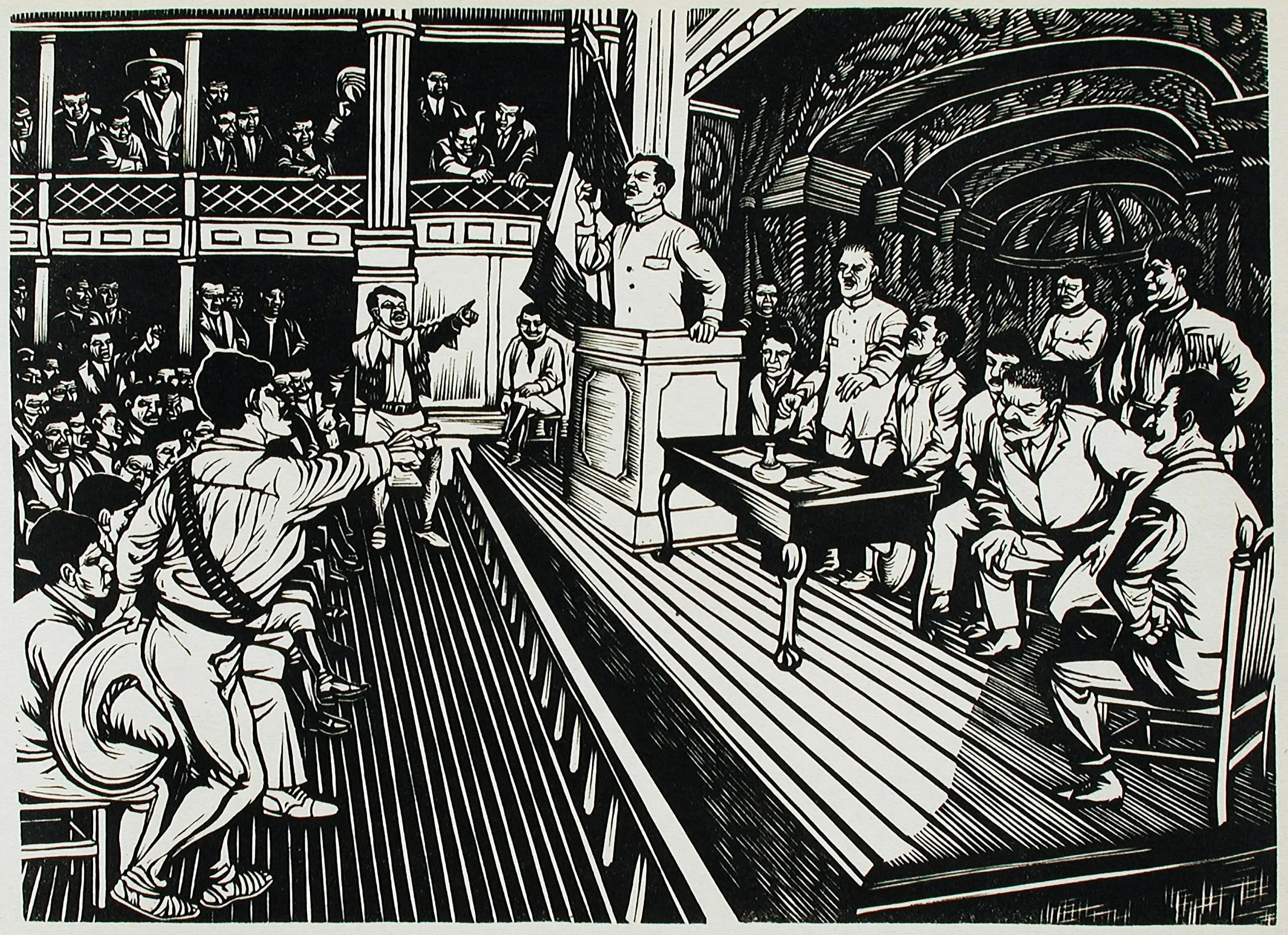
Alberto Beltrán
The Convention of Aguascalientes. October 10, 1914 (La convención de Aguascalientes. 10 de octubre de 1914), 1947
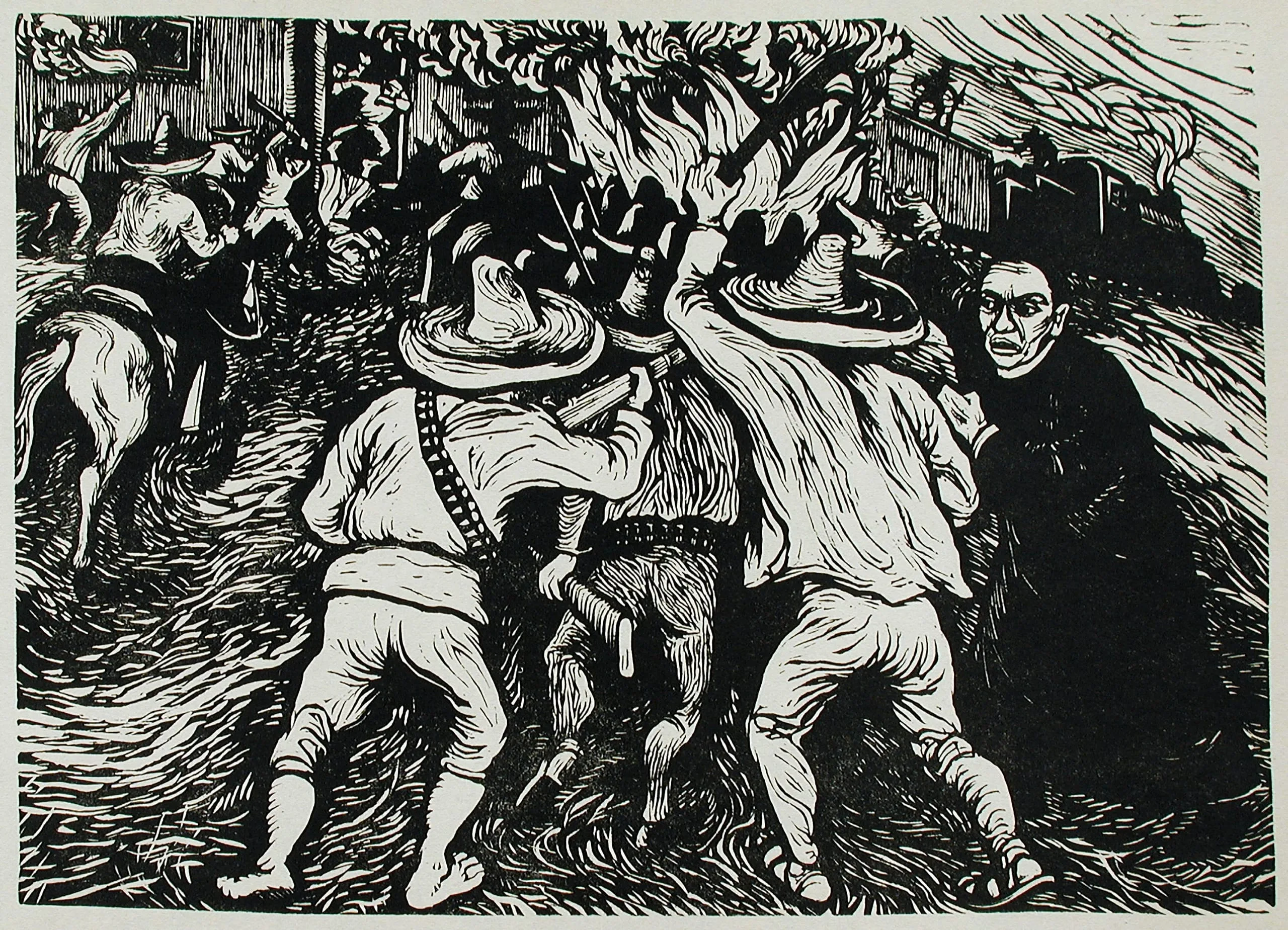
Mariana Yampolsky
Attack on the Guadalajara Train, Directed by Father Angulo. April 13, 1927 (Asalto al tren de Guadalajara, dirigido por el cura Angulo. 13 de abril de 1927), 1947
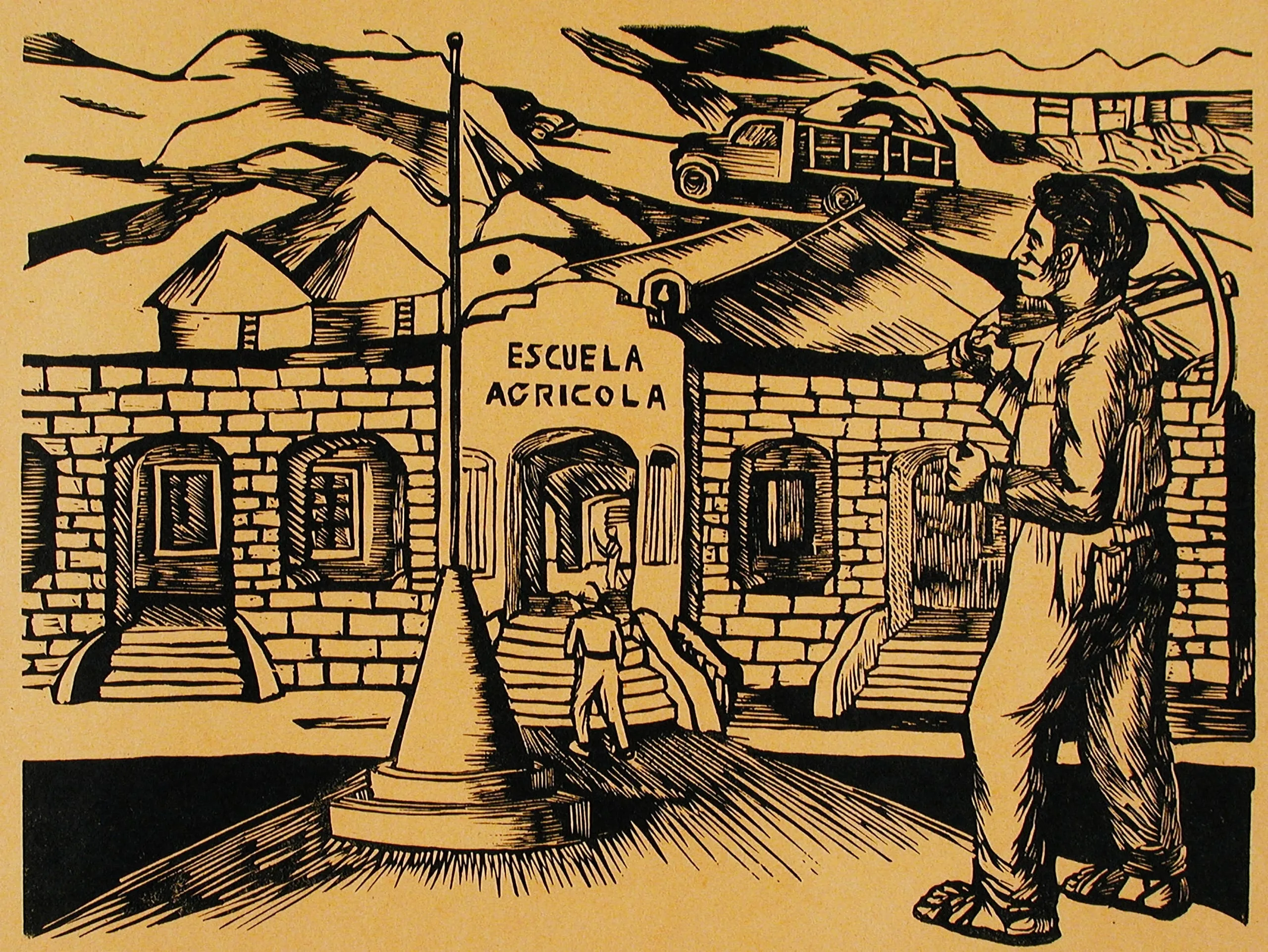
Francisco Mora
Schools Are Built and Education Is Provided (Se contruyen escuelas y se imparte la enseñanza), 1947
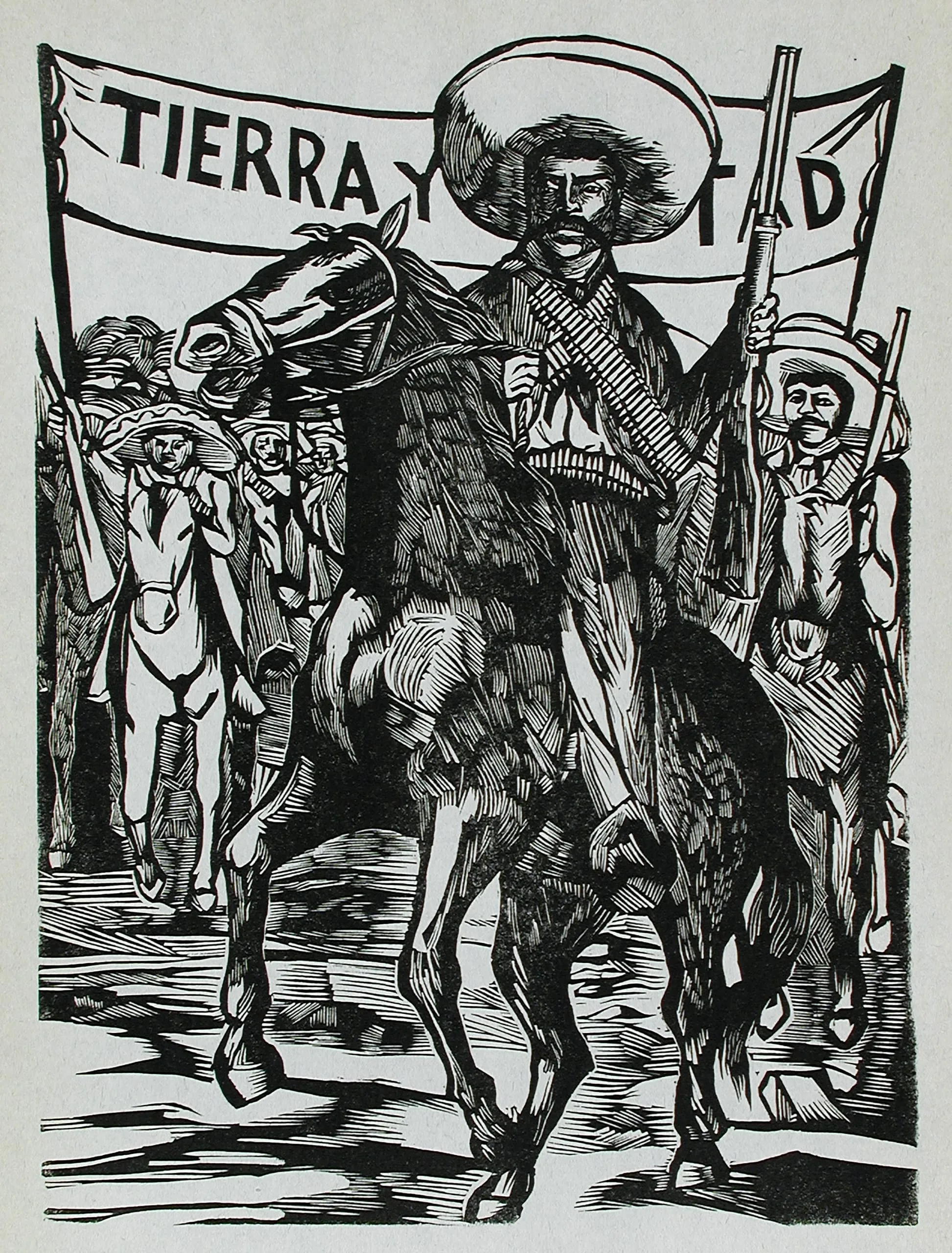
Francisco Mora
Emiliano Zapata. Leader of the Agrarian Revolution (Emiliano Zapata. Líder de la revolución agraria), 1947
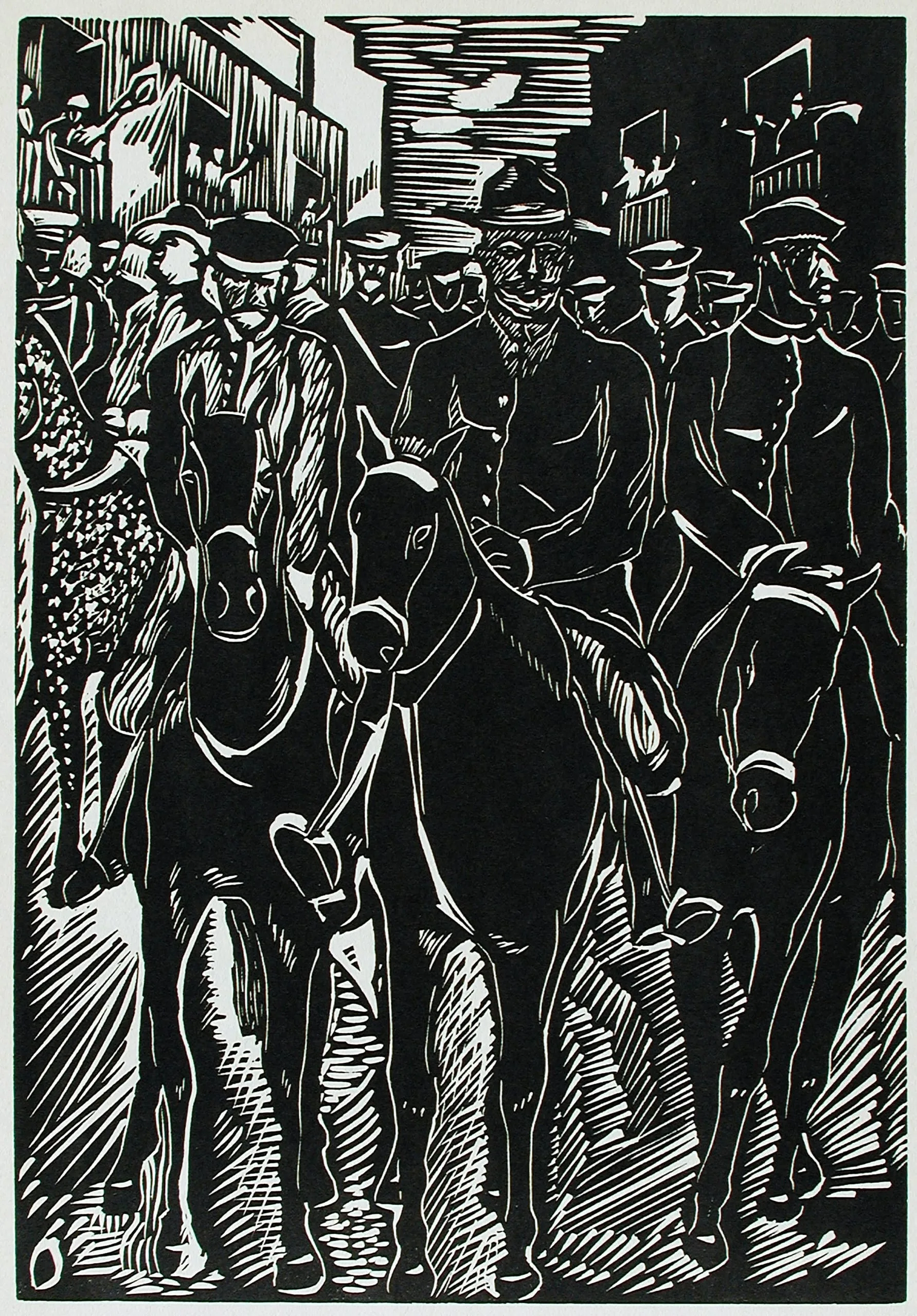
Isidoro Ocampo
The Constitutionalist Army's Entrance into Mexico City. August 20, 1914 (La entrada del ejército constitucionalista en la ciudad de México. 20 de agosto de 1914), 1947
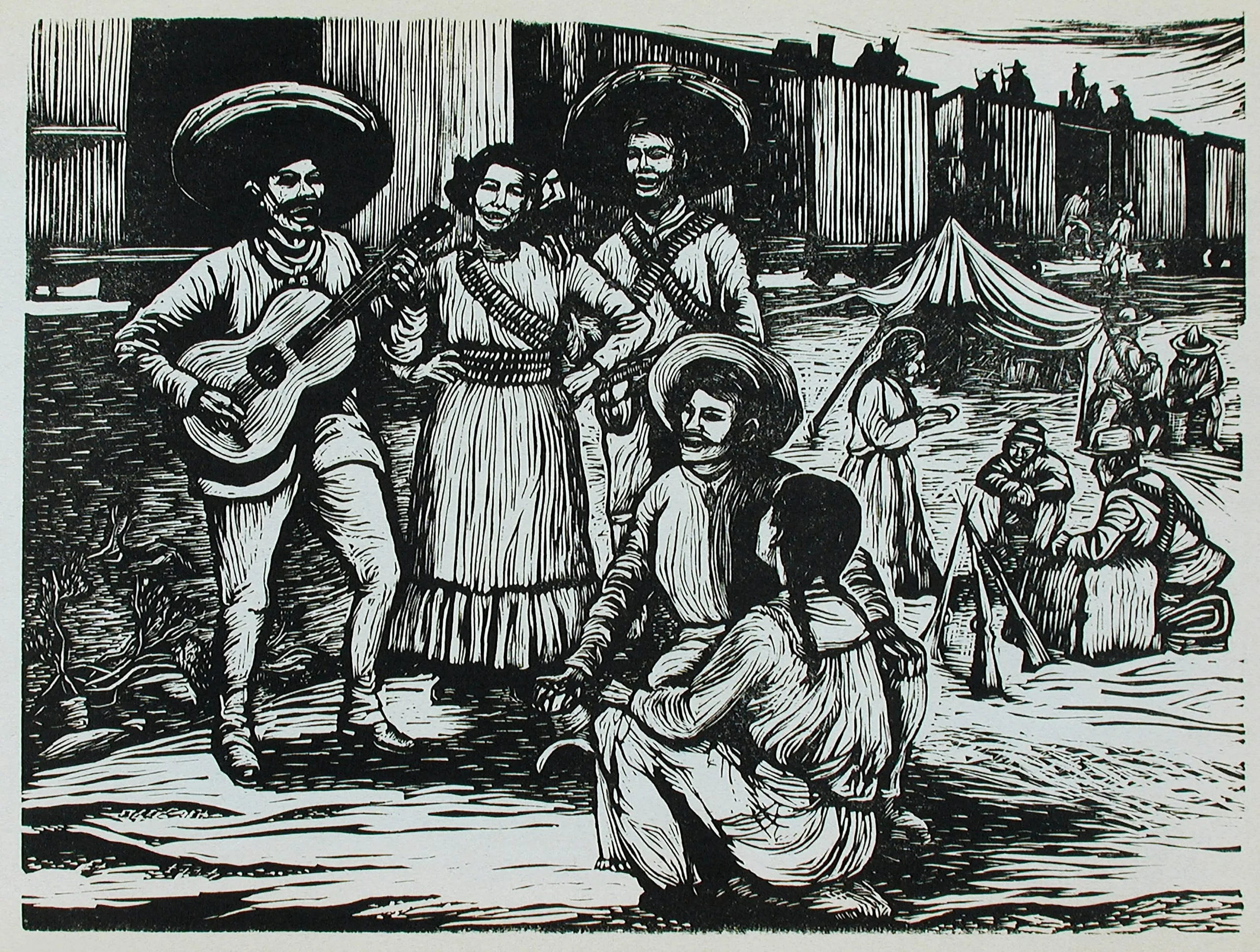
Mariana Yampolsky
Revolutionaries’ Camp (Vivac de revolucionarios), 1947
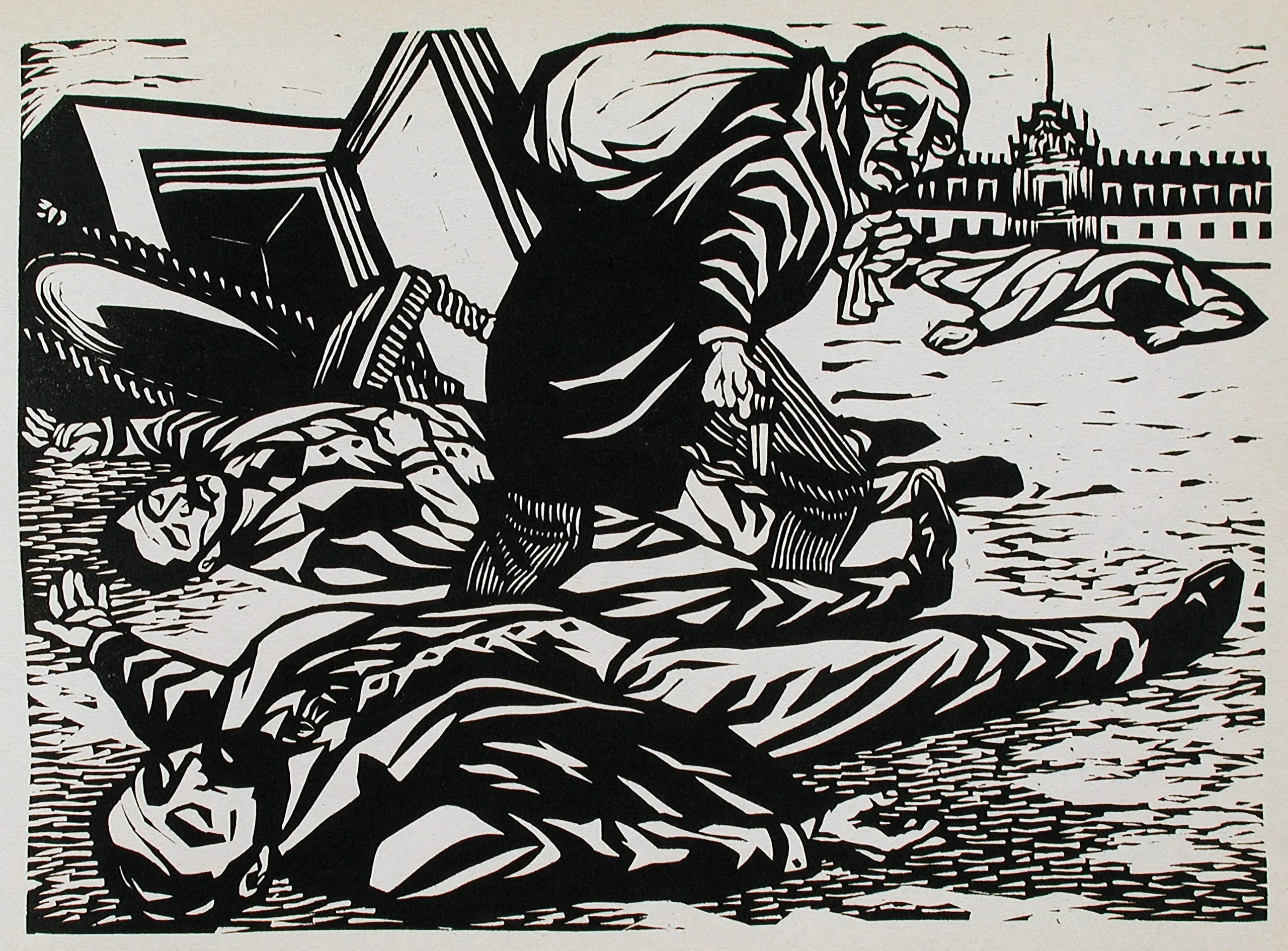
Fernando Castro Pacheco
Victoriano Huerta Abandons the Country. July 20, 1914 (Victoriano Huerta abandona el país. 20 de julio de 1914), 1947
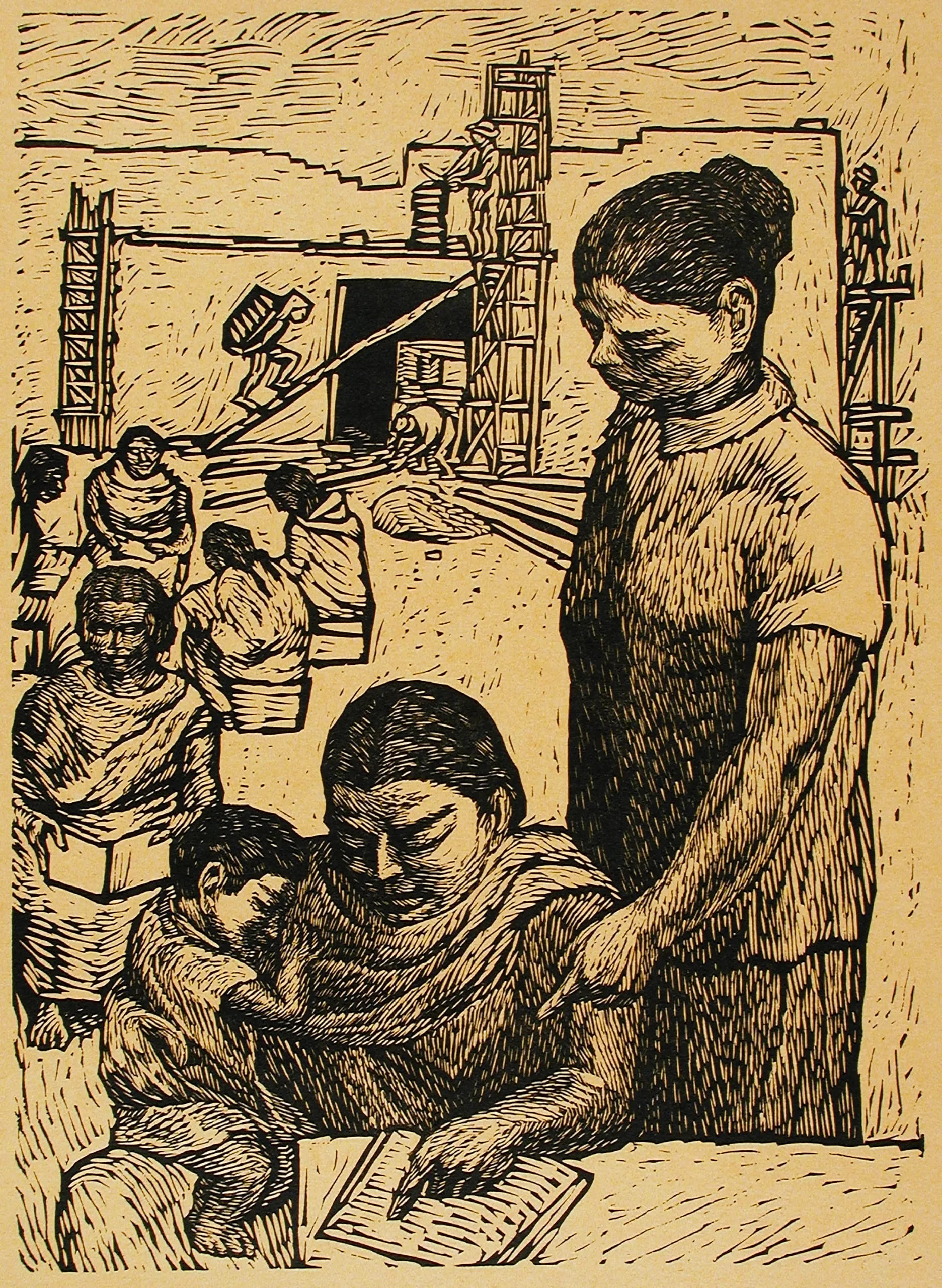
Alfredo Zalce
Schools, Roads, Dams (Escuelas, caminos, presas), 1947
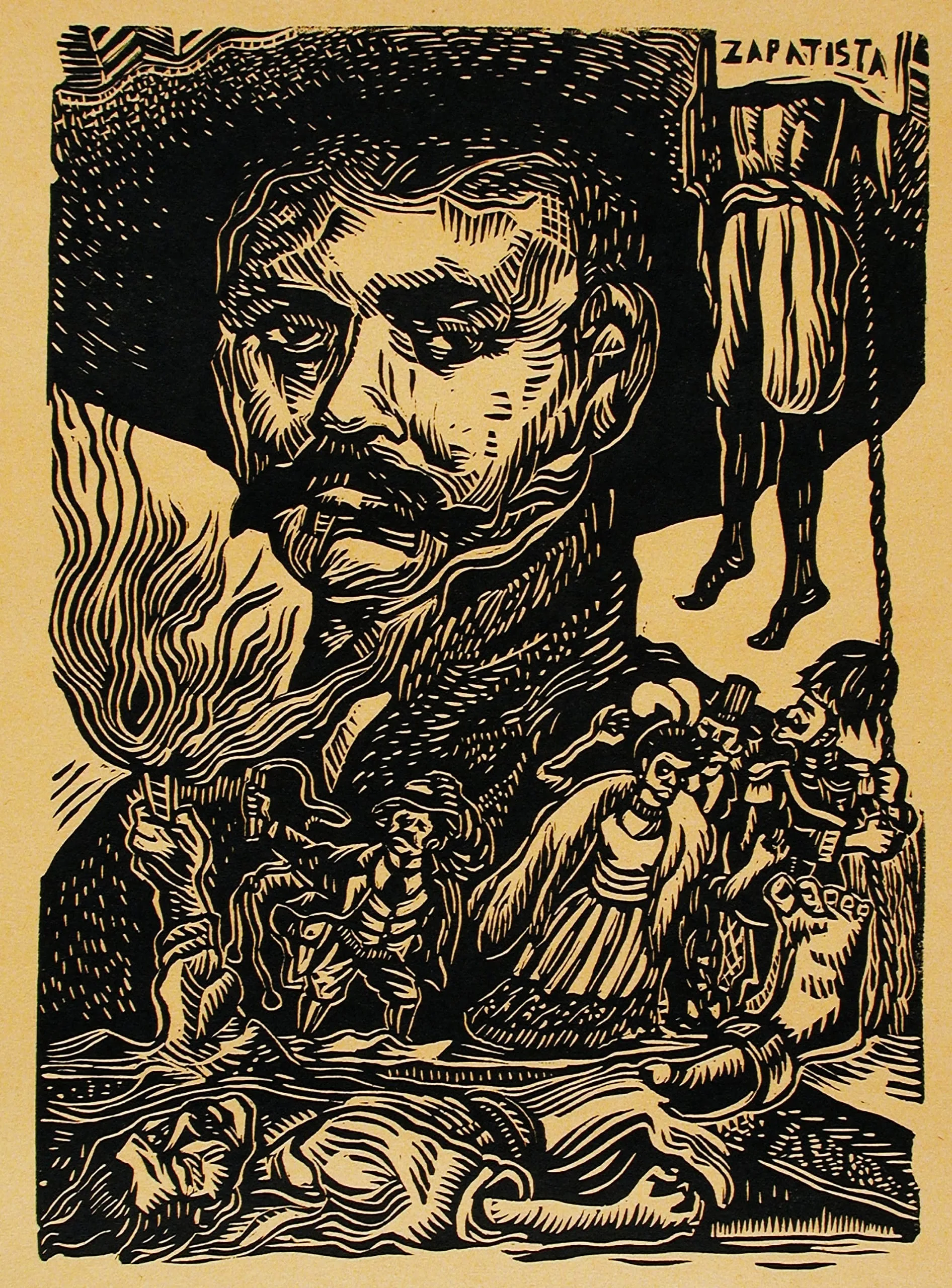
Ángel Bracho
Emiliano Zapata (1877–1919), 1947
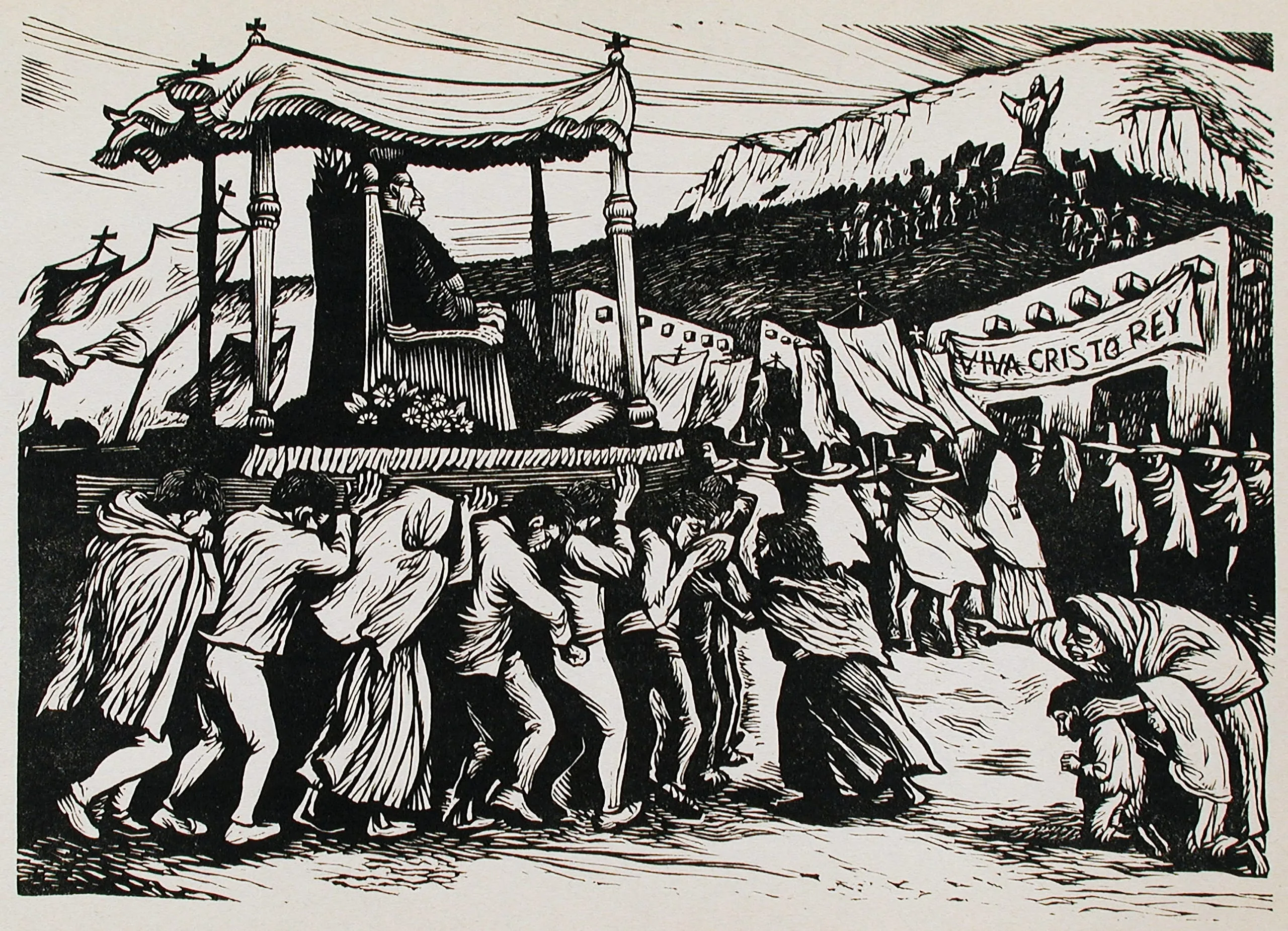
Alberto Beltrán
Cerro del Cubilete: Start of the Cristero Rebellion (El cerro de El Cubilete: comienzo de la agitación cristera. 11 de enero de 1923), 1947
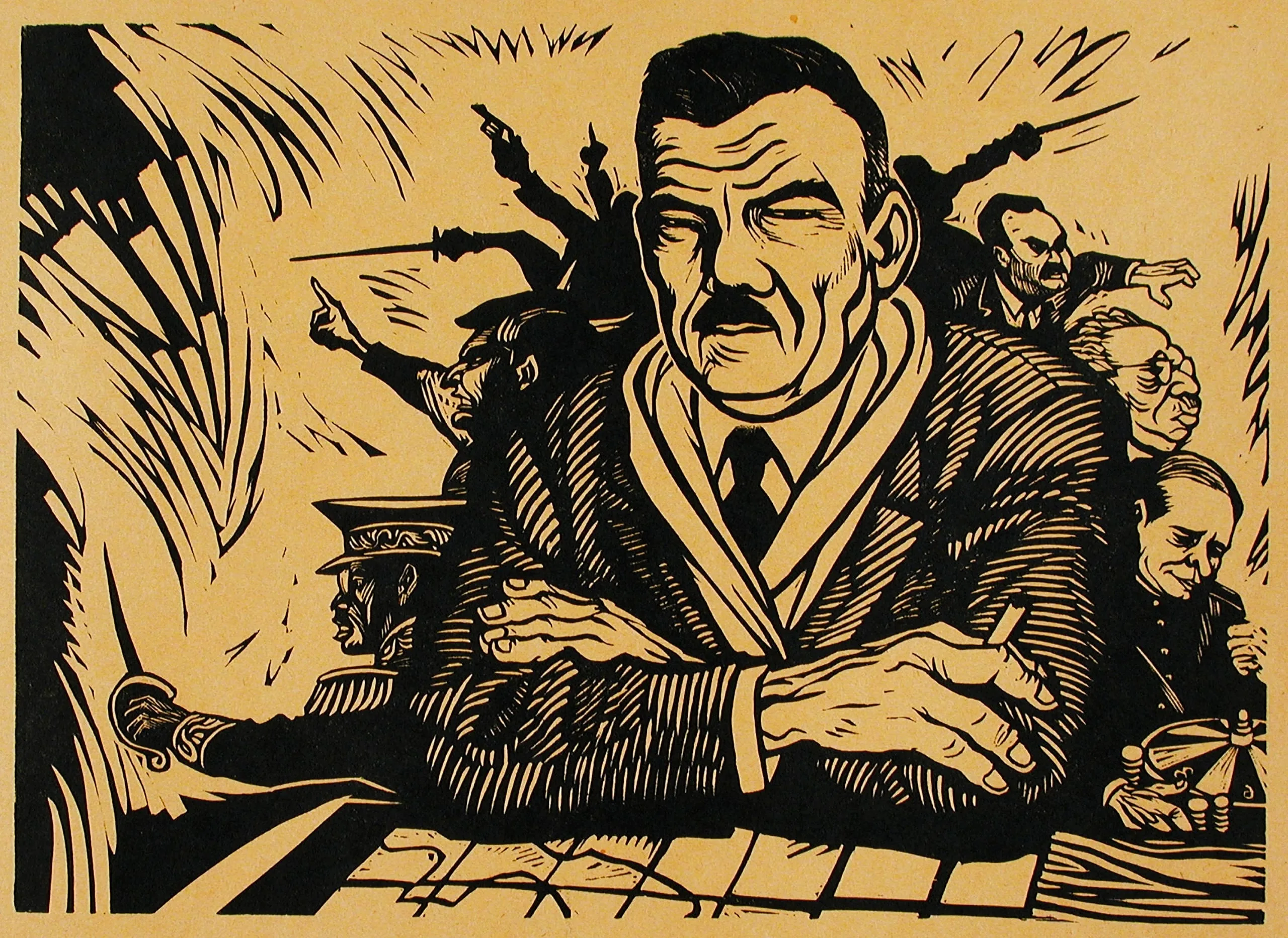
Alberto Beltrán
Plutarco Elías Calles, Supreme Leader (Plutarco Elías Calles, el jefe máximo), 1947
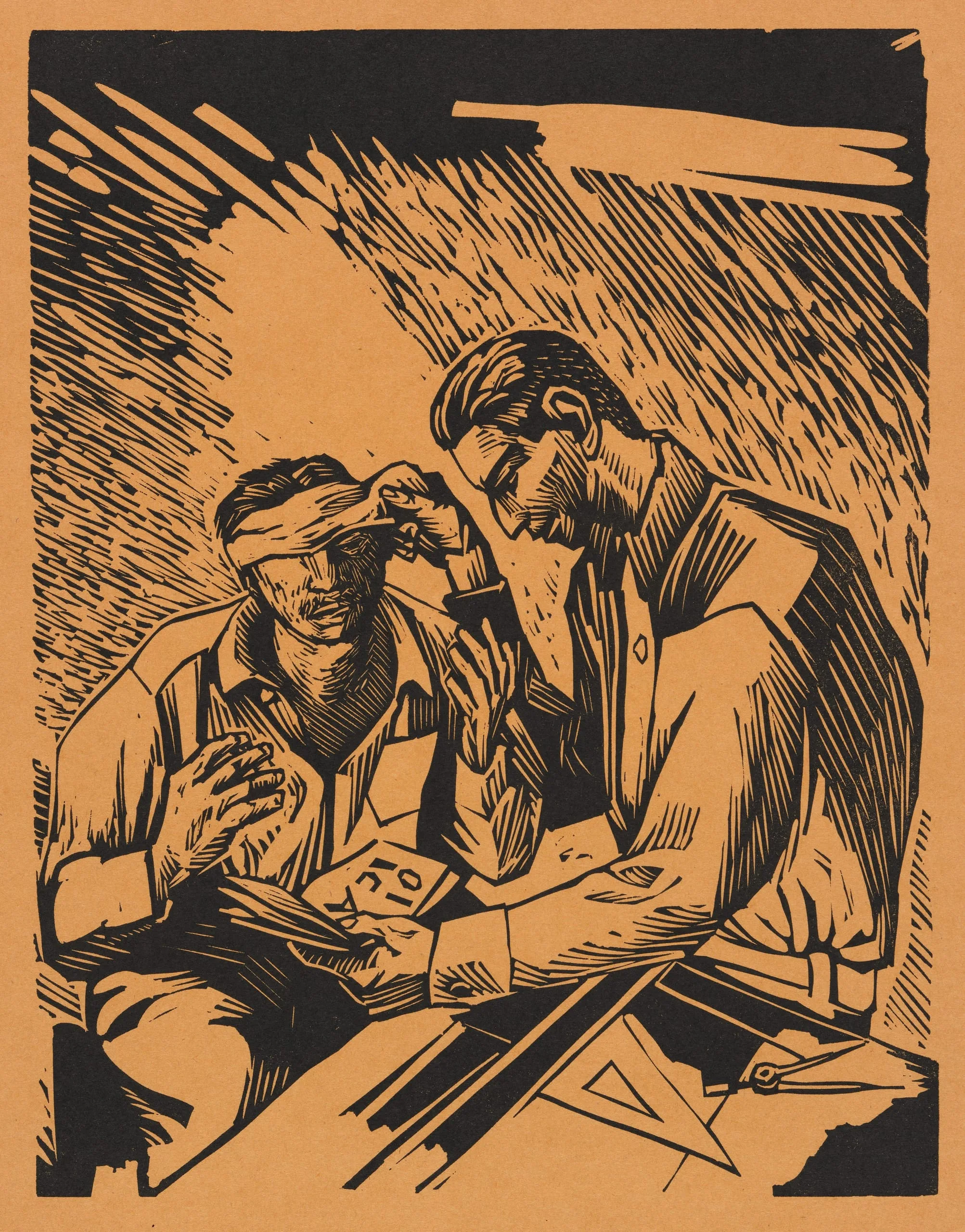
Alfredo Zalce
Let’s Remove the Blinders!; Literacy Campaign (¡Quitemos la venda!; Campaña de alfabetización), 1947
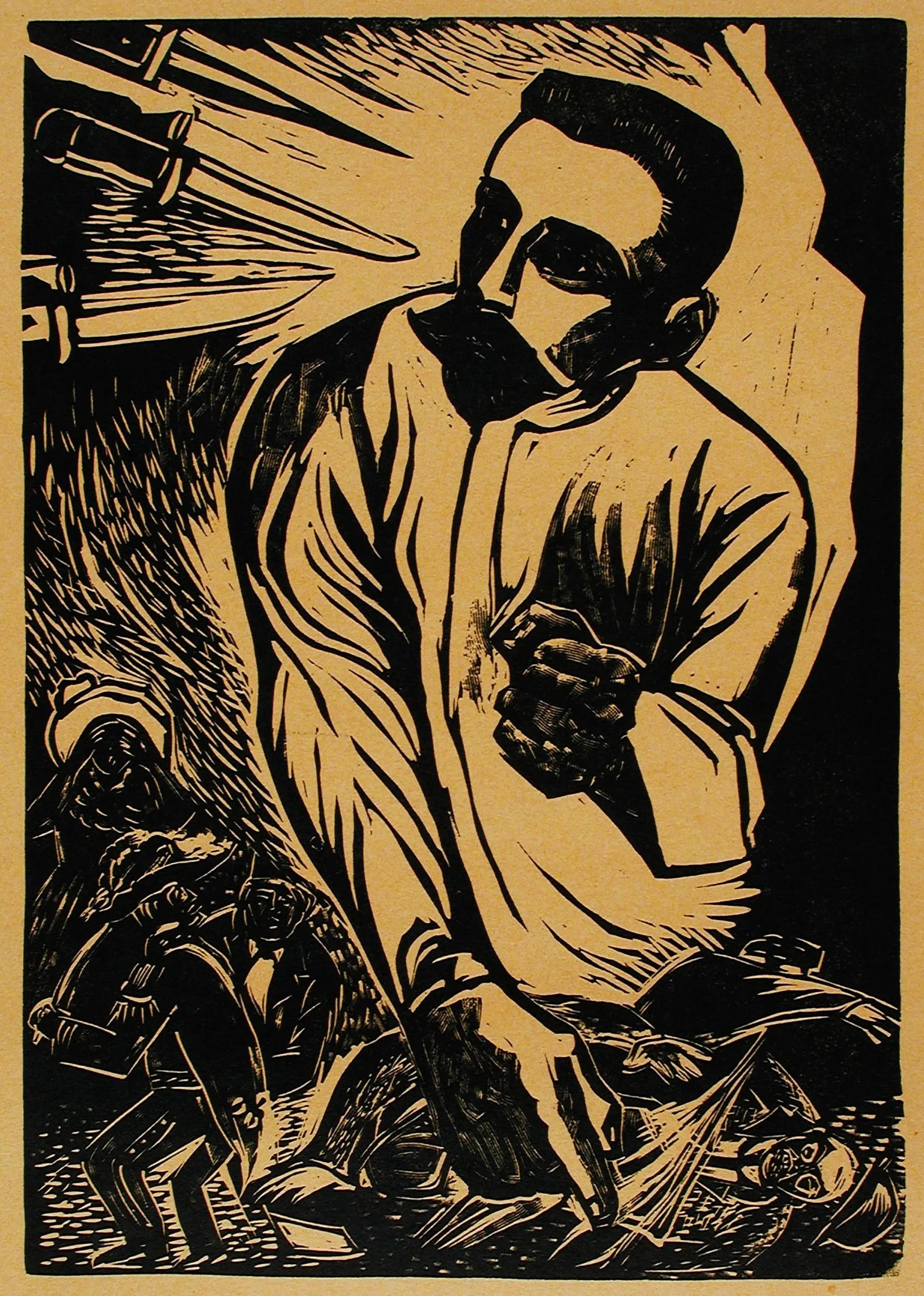
Ignacio Aguirre
Senator Belisario Domínguez Protests against the Military Coup. 1913 (El diputado Belisario Domínguez protesta contra el cuartelazo. 1913), 1947