Collections
Keepers of the Mesoamerican Cosmos
Mesoamerican artists channeled the creative forces of the cosmos to recreate it in miniature, painting, sculpting, and carving powerful images that testify to the world’s creation. The works in this collection, from ceramic cups to stone monuments, architectural models to incense burners, embody cosmic narratives and their protagonists. They tell of an endless sea—both pacific and chaotic—at the beginning of everything. From these primordial waters, the sky is raised and held aloft at the world’s four corners, like a roof supported by a house. The earth emerges, and celestial deities—the sun, moon, and stars—establish the rhythmic order of existence. Gods of rain, lightning, and maize intervene to create sustenance for humankind. In return, people nourish the gods with offerings of incense and blood, maintaining the balance of the universe that guides Mesoamerican life.
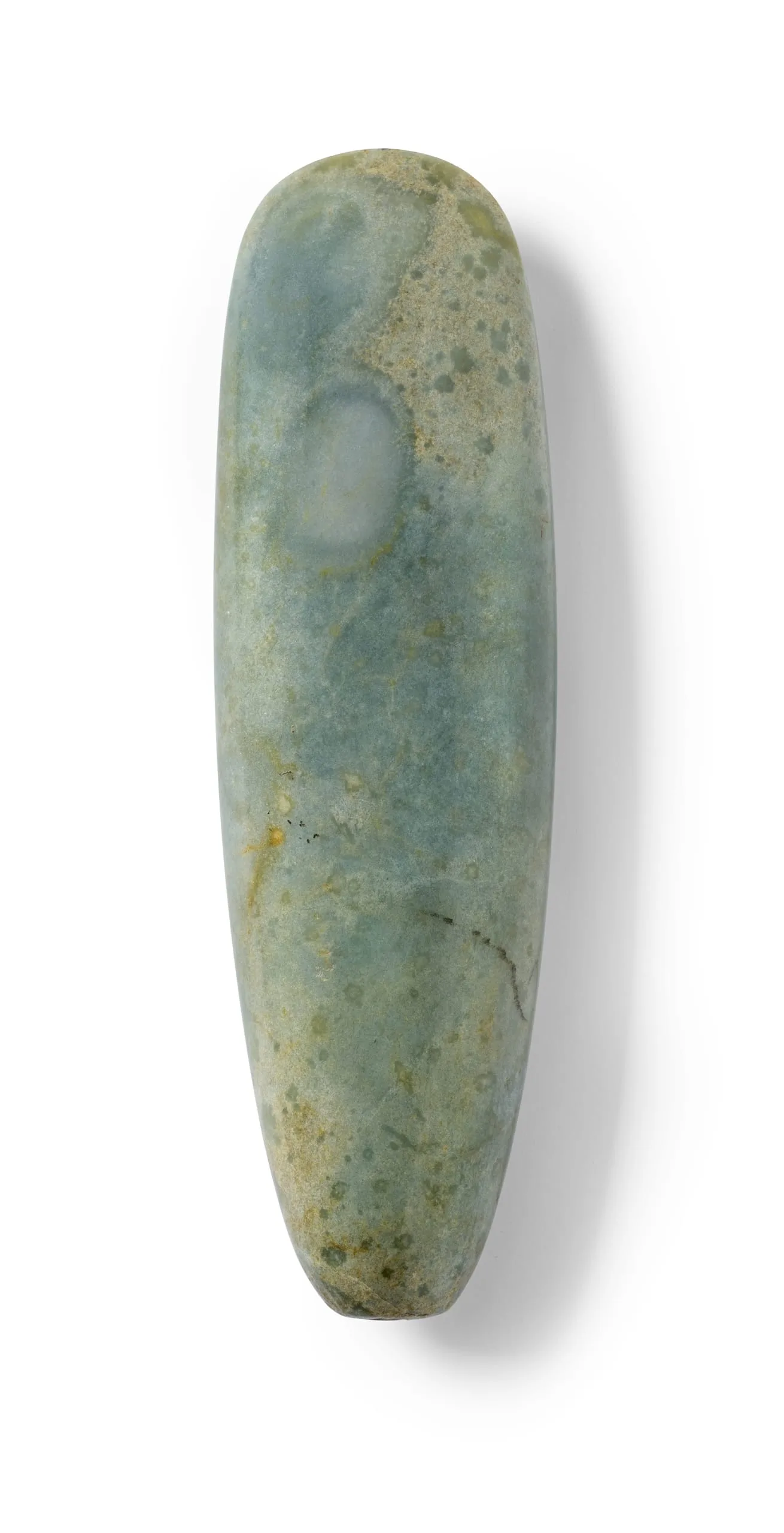
Unknown
Celt, 900–400 BCE
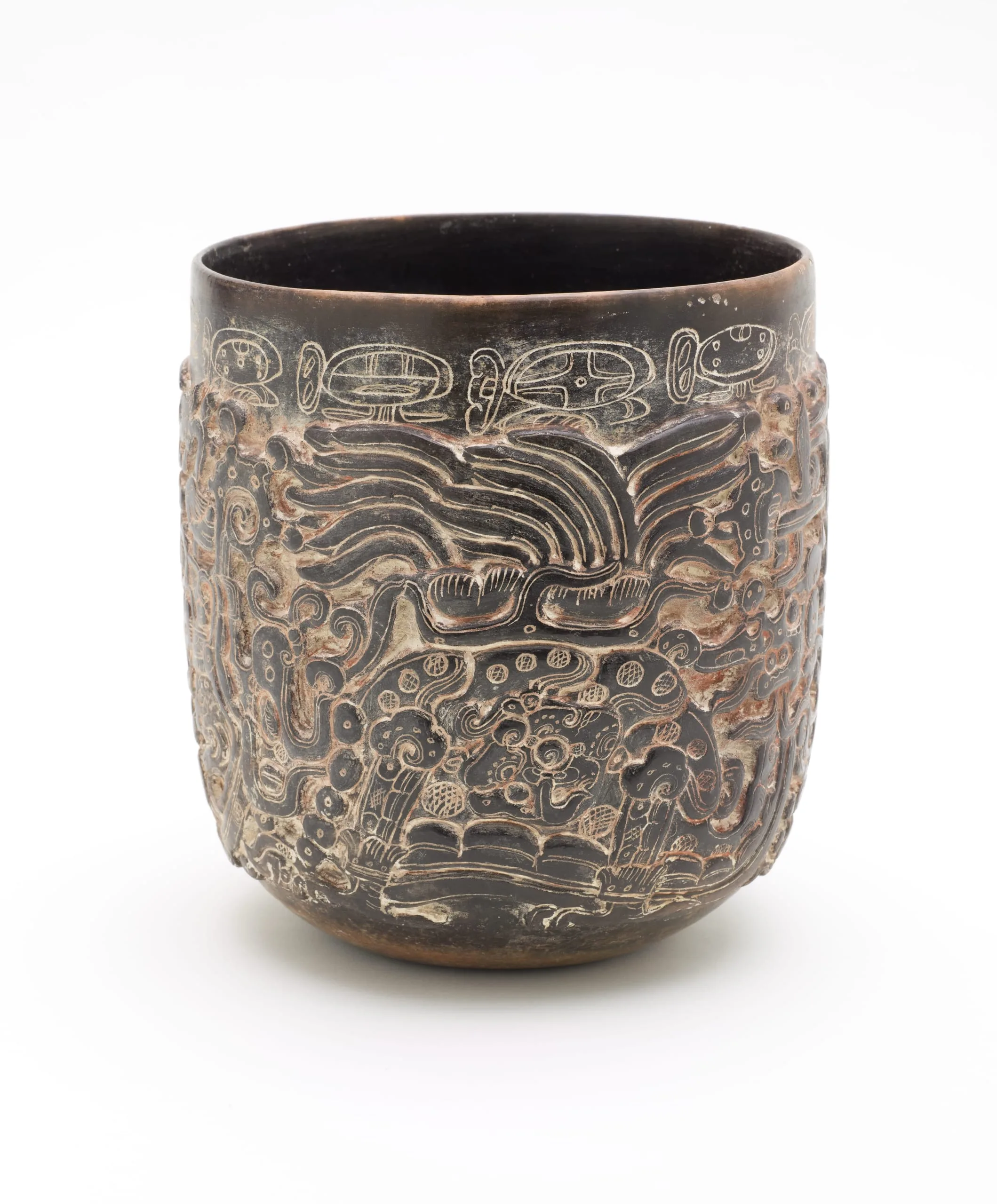
Unknown
Drinking Cup with Composite Creator Deities, 400–600 CE
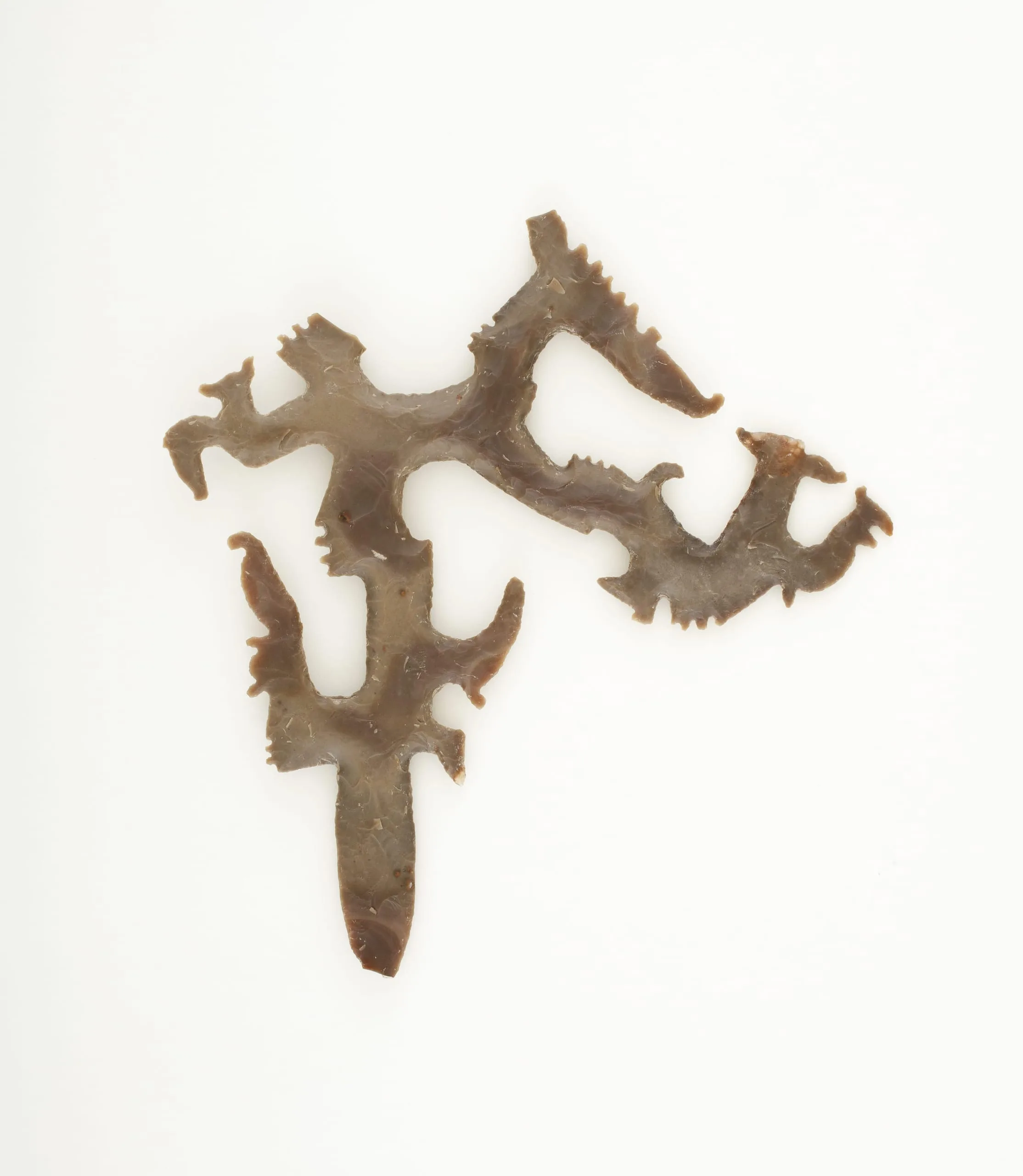
Unknown
K'awiil Eccentric Flint, 600–900 CE
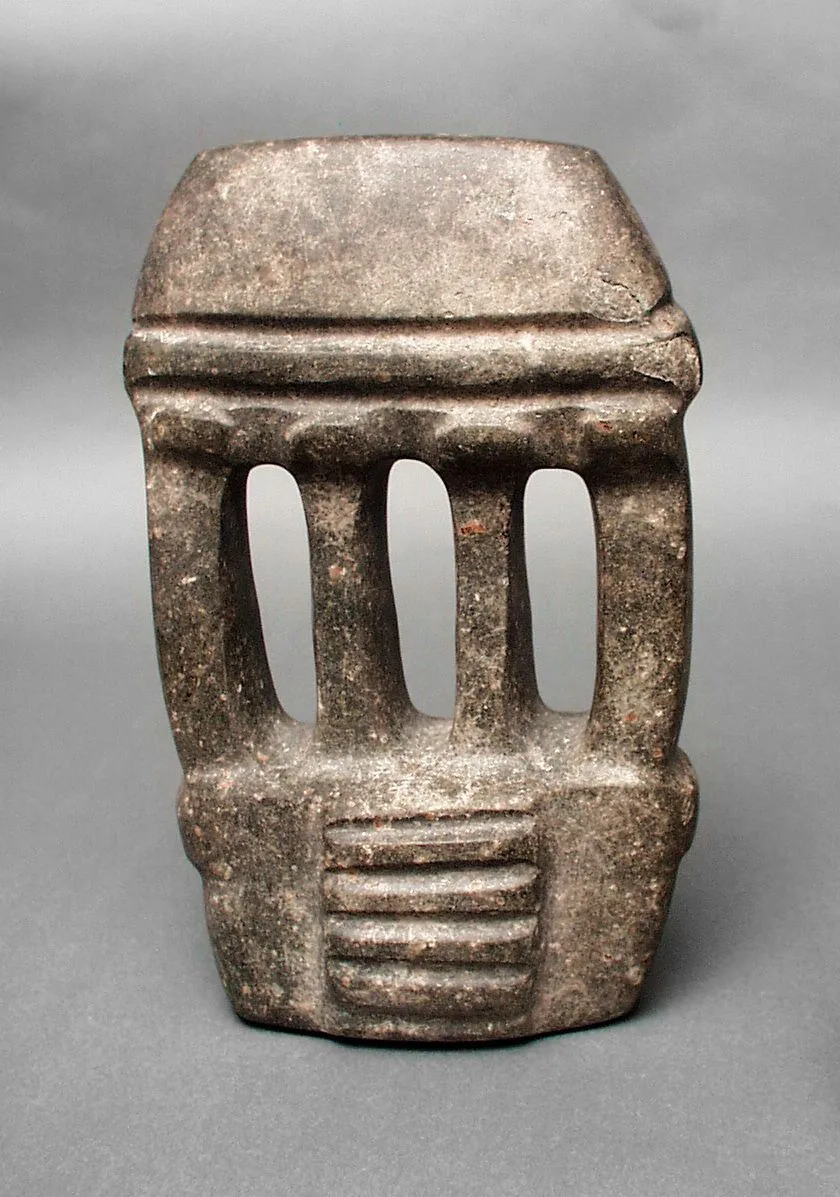
Unknown
House, 400–100 BCE
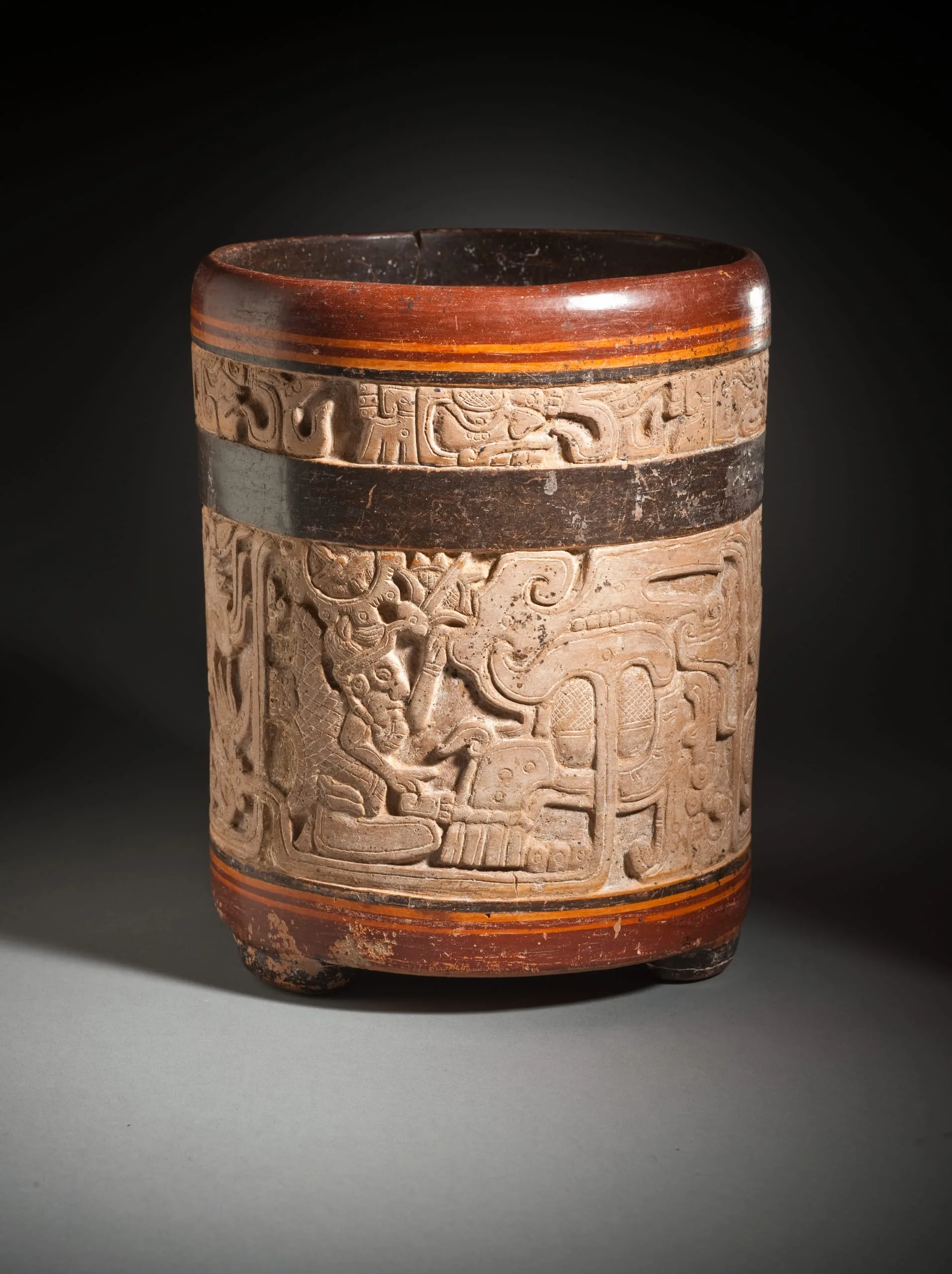
Unknown
Drinking Cup with Denizens of the Primordial Sea, 600–900 CE
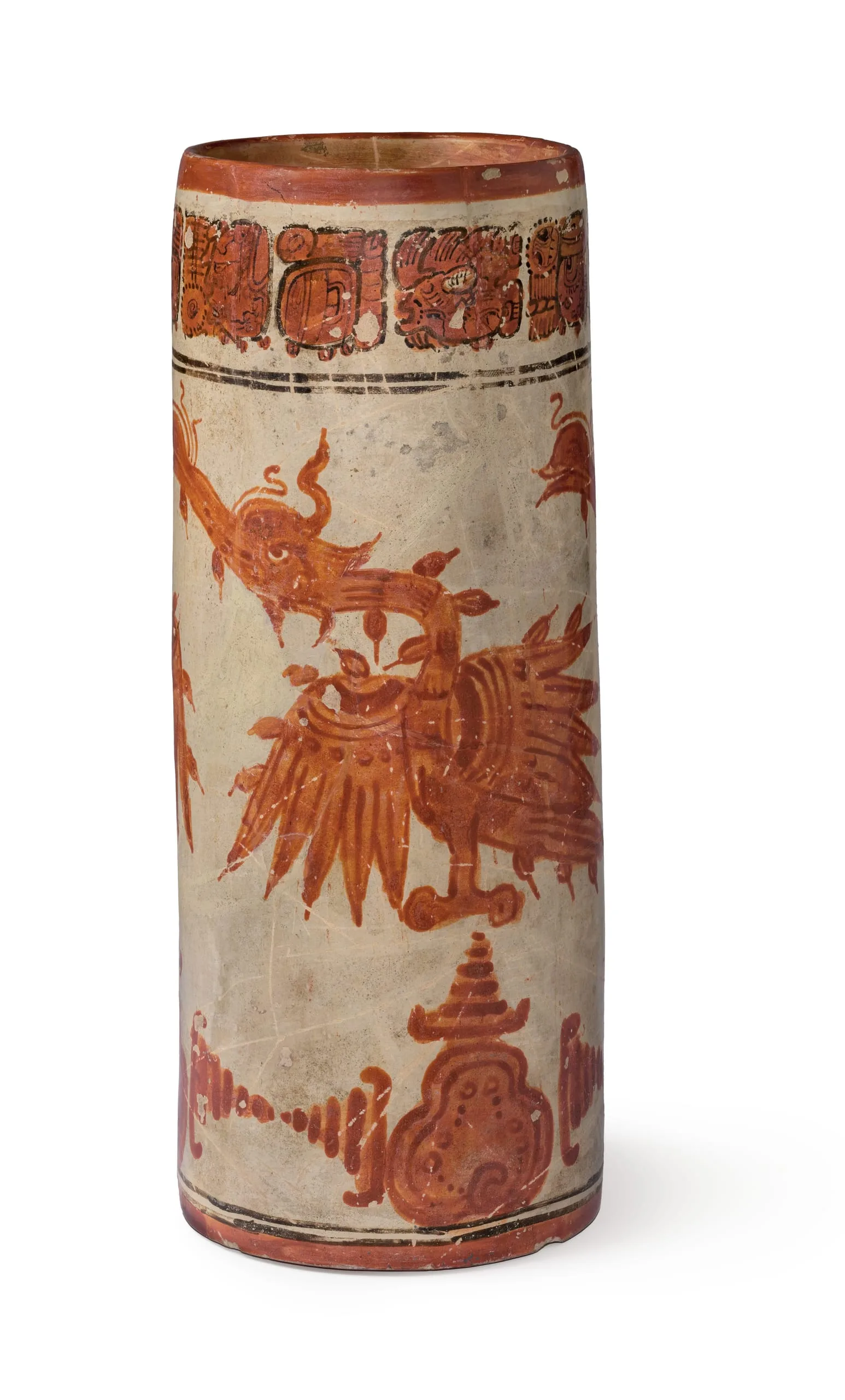
Unknown
Drinking Cup for Cacao of Itzam Kokaj Bahlam, the Lord of K’anwitznal, probably 731 CE
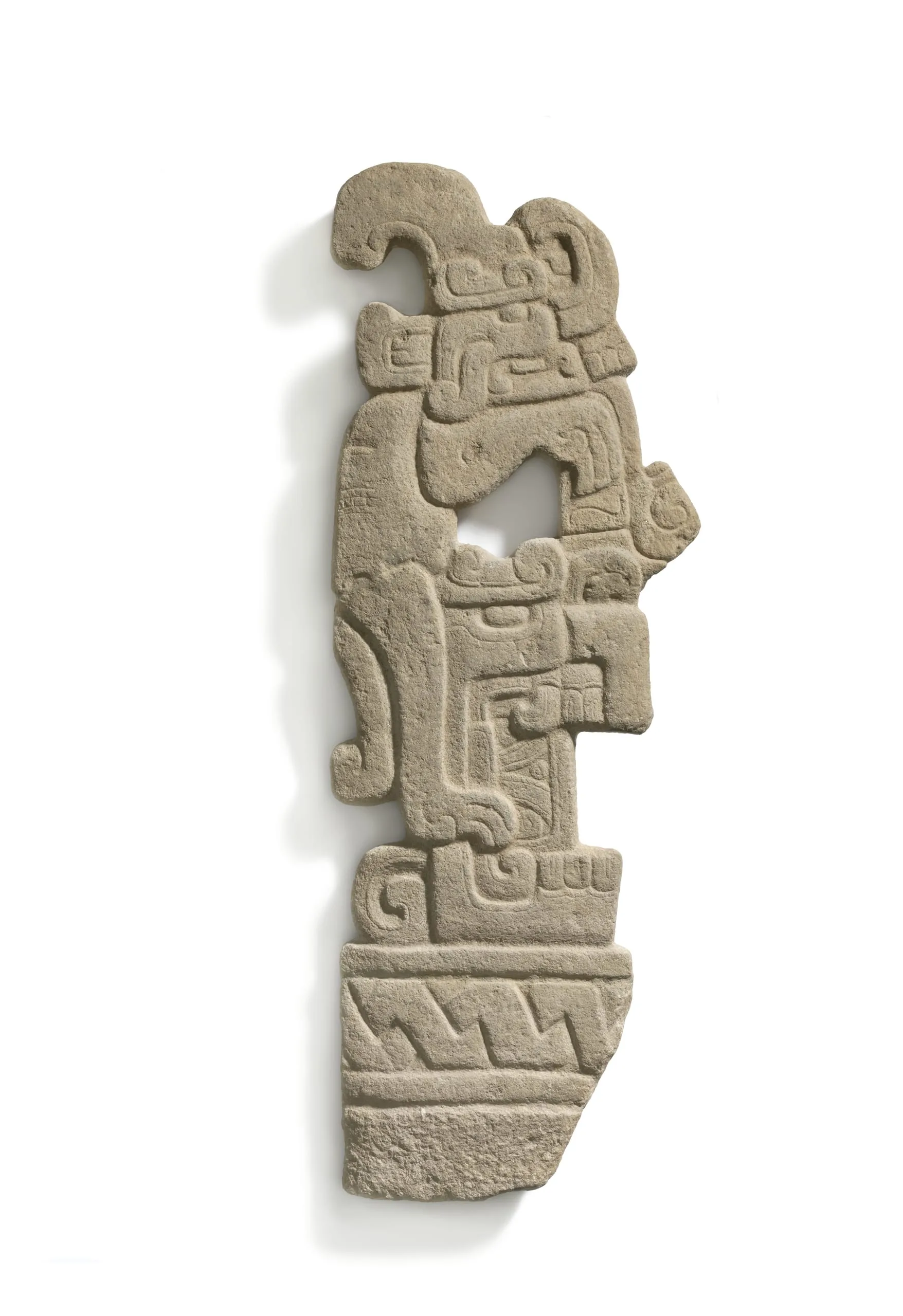
Unknown
Silhouette Sculpture of Animate Storm and Mountain, 100–200 CE
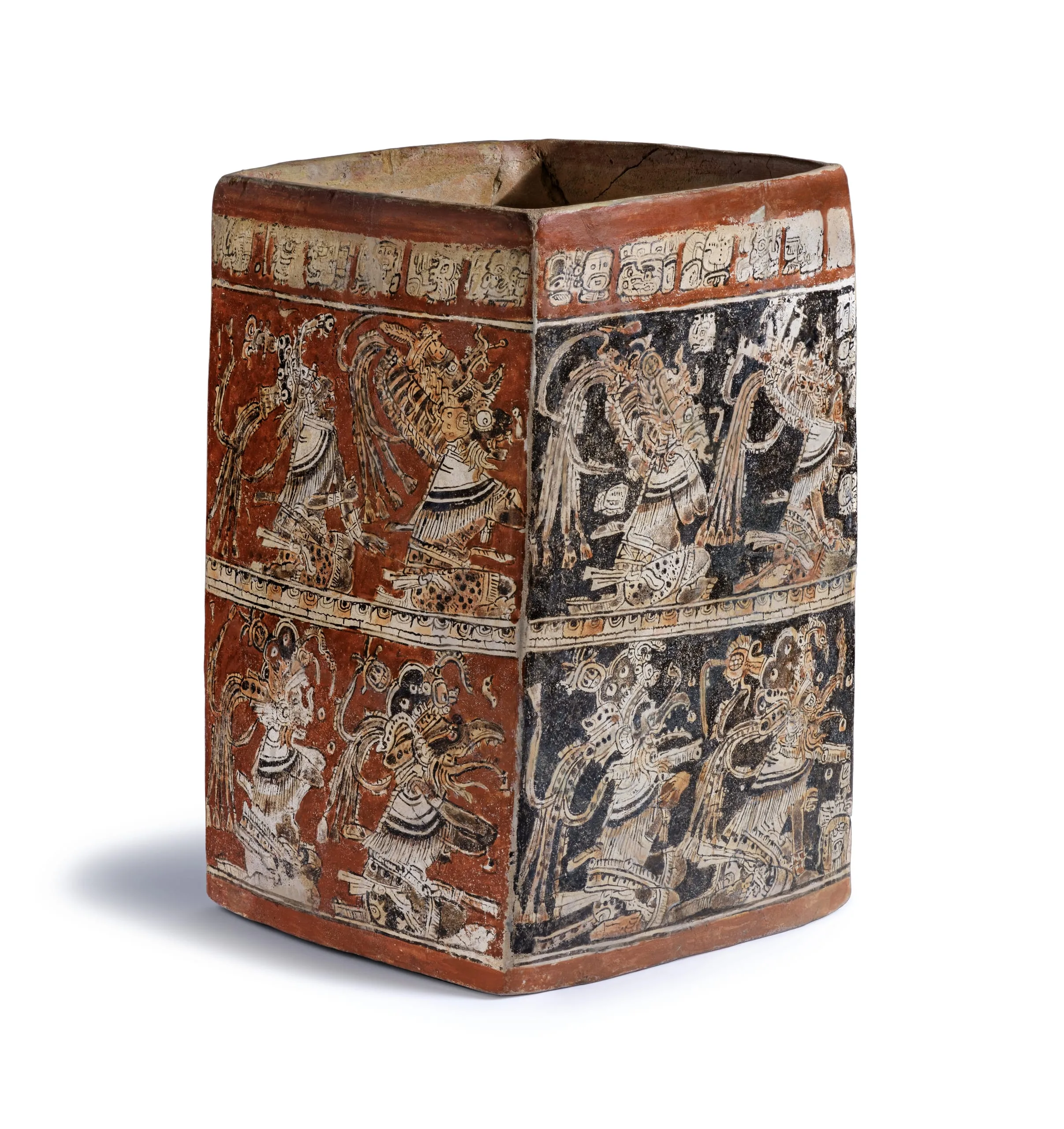
Lo' Took' Akan Xok
Drinking Cup for Cacao of K'ahk' Ukalaw Chan Chahk, 755–780 CE
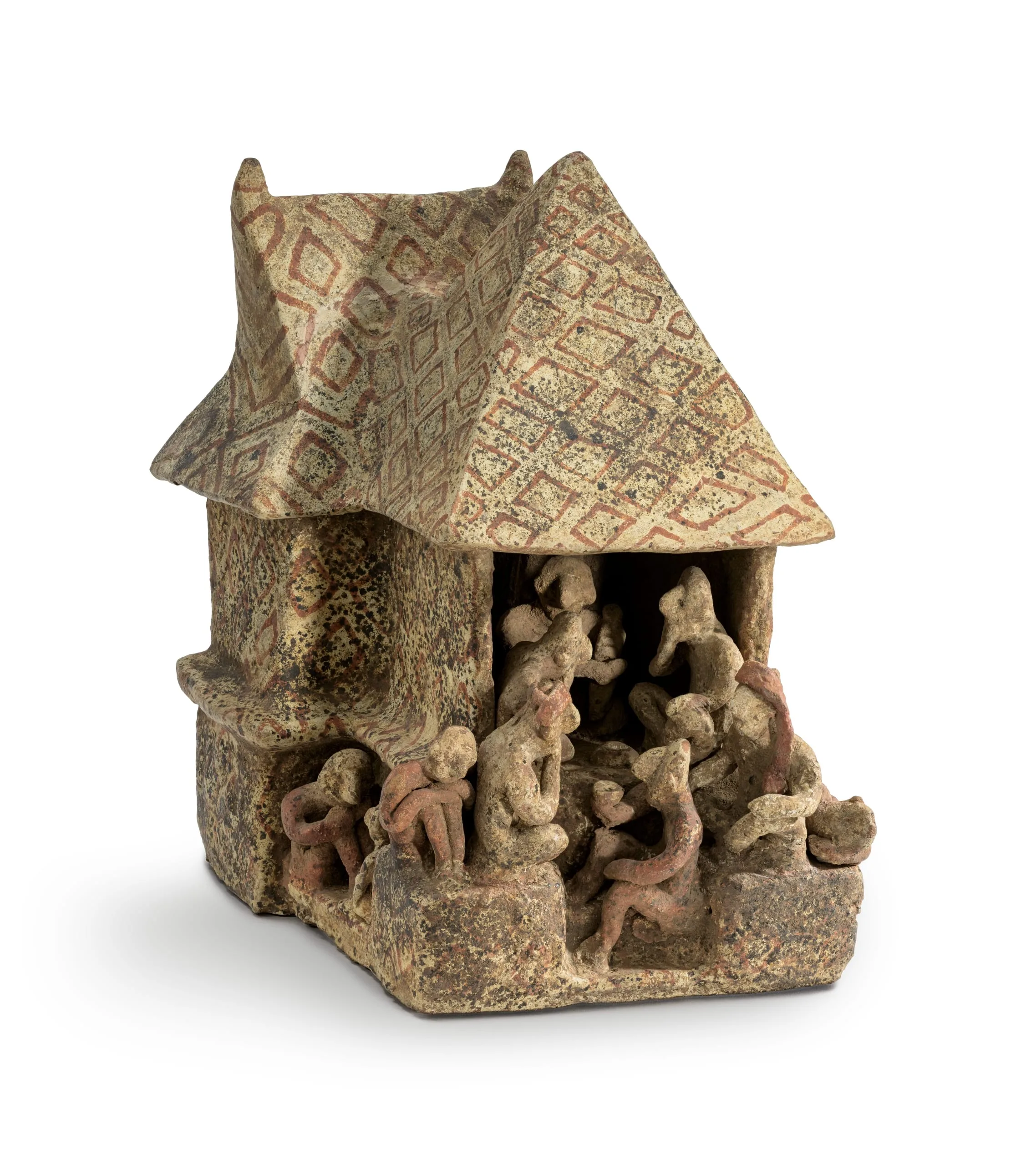
Unknown
House Group, 200 BCE–500 CE
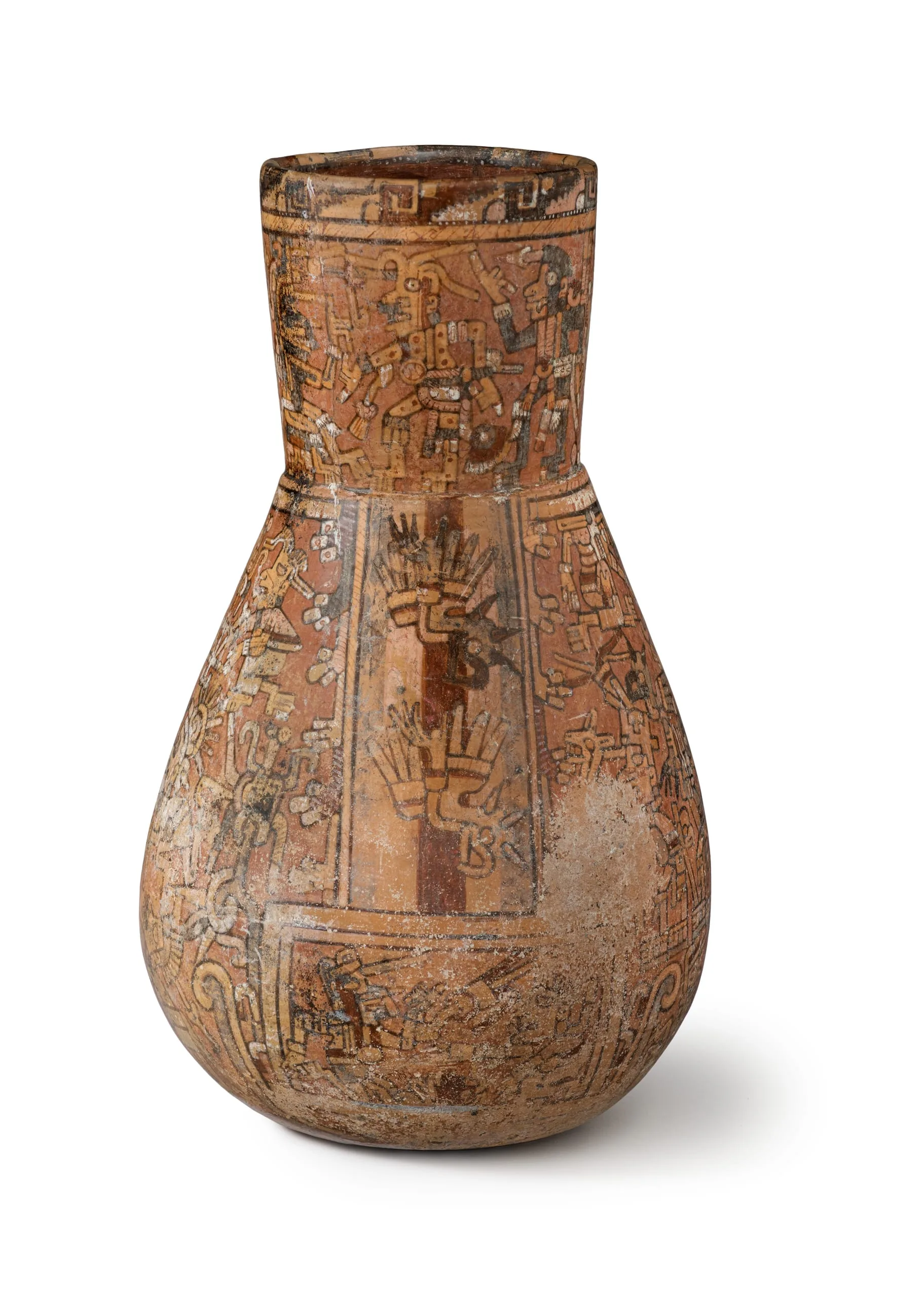
Unknown
Vessel with Codex-Style Scene, 1350–1500
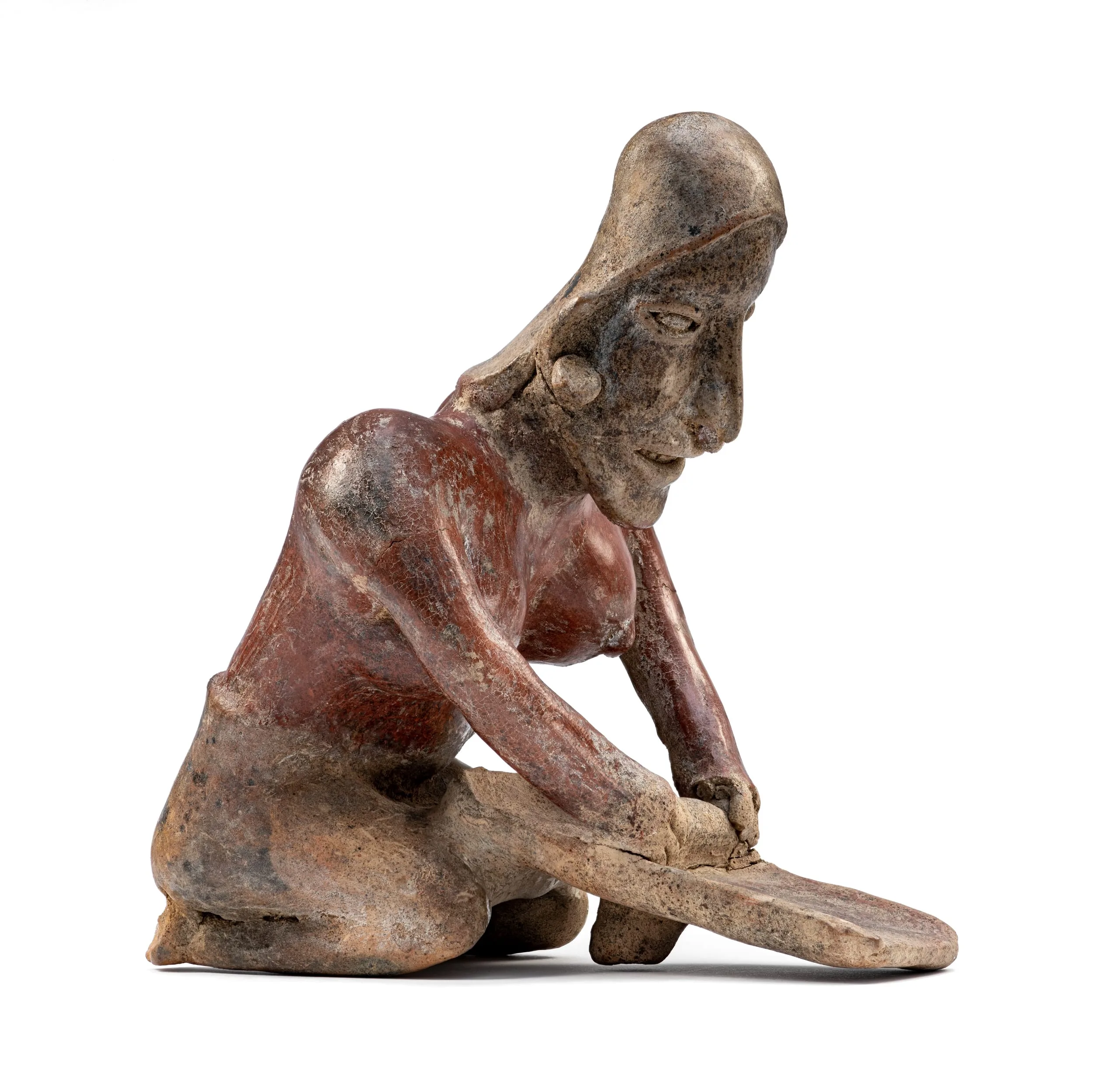
Unknown
Kneeling Woman with Grinding Stone, 200 BCE–400 CE
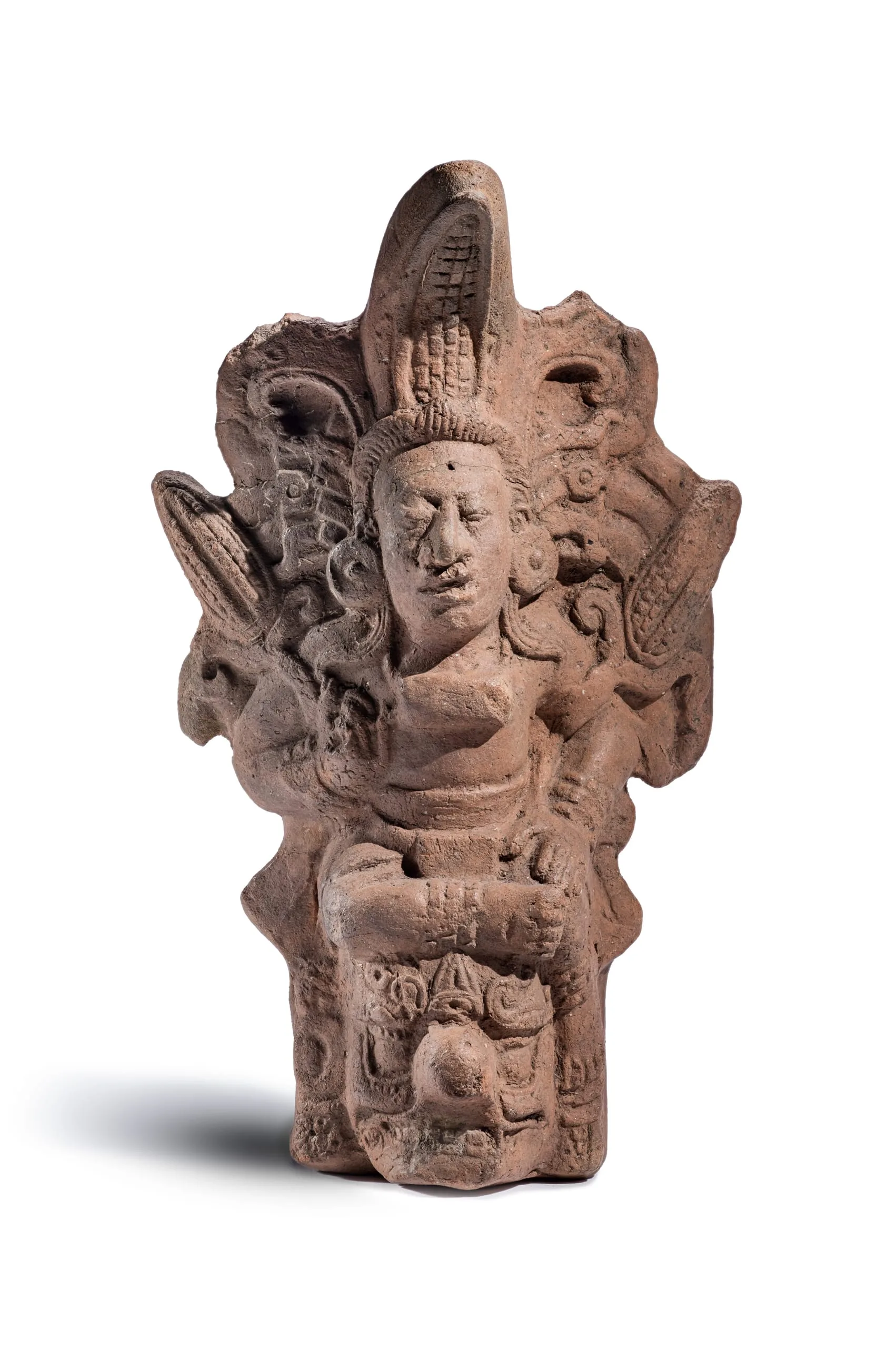
Unknown
Figurine-Whistle of Maize Deity on Mountain, 600–900 CE
Unknown
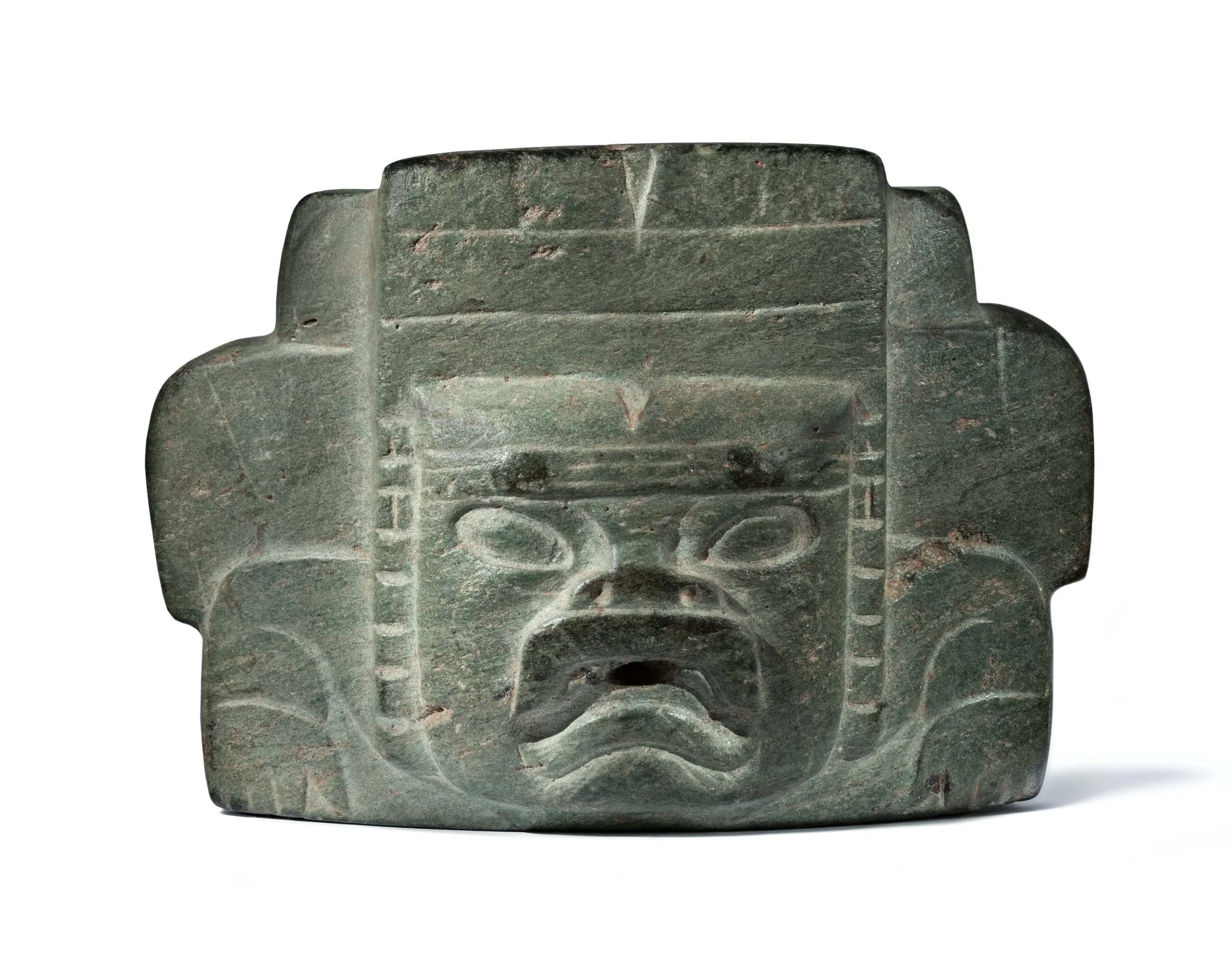
Plaque of Descending Maize or Rain Deity, 900–400 BCE
Unknown
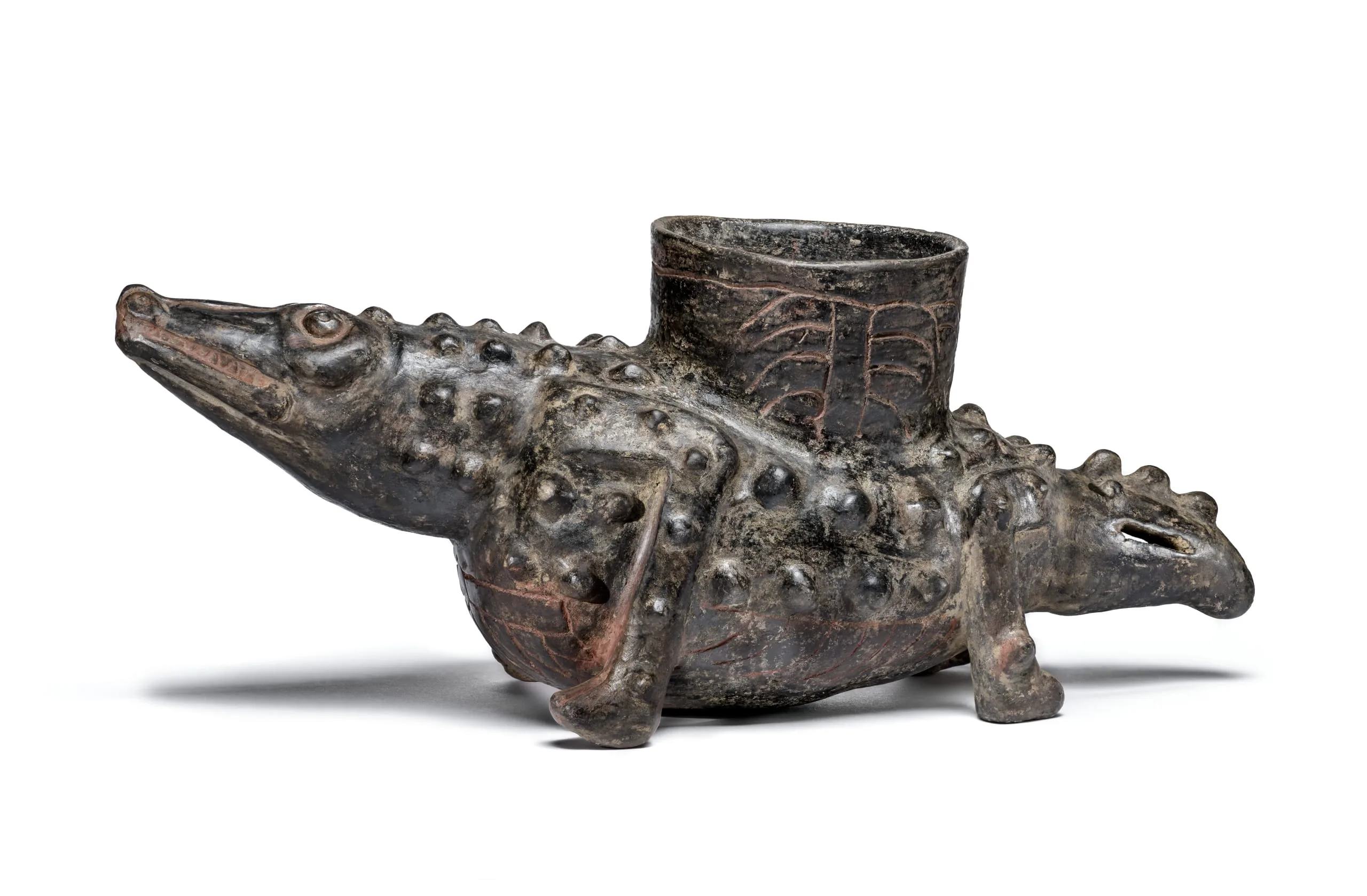
Crocodile Vessel, 300–600 CE
Unknown
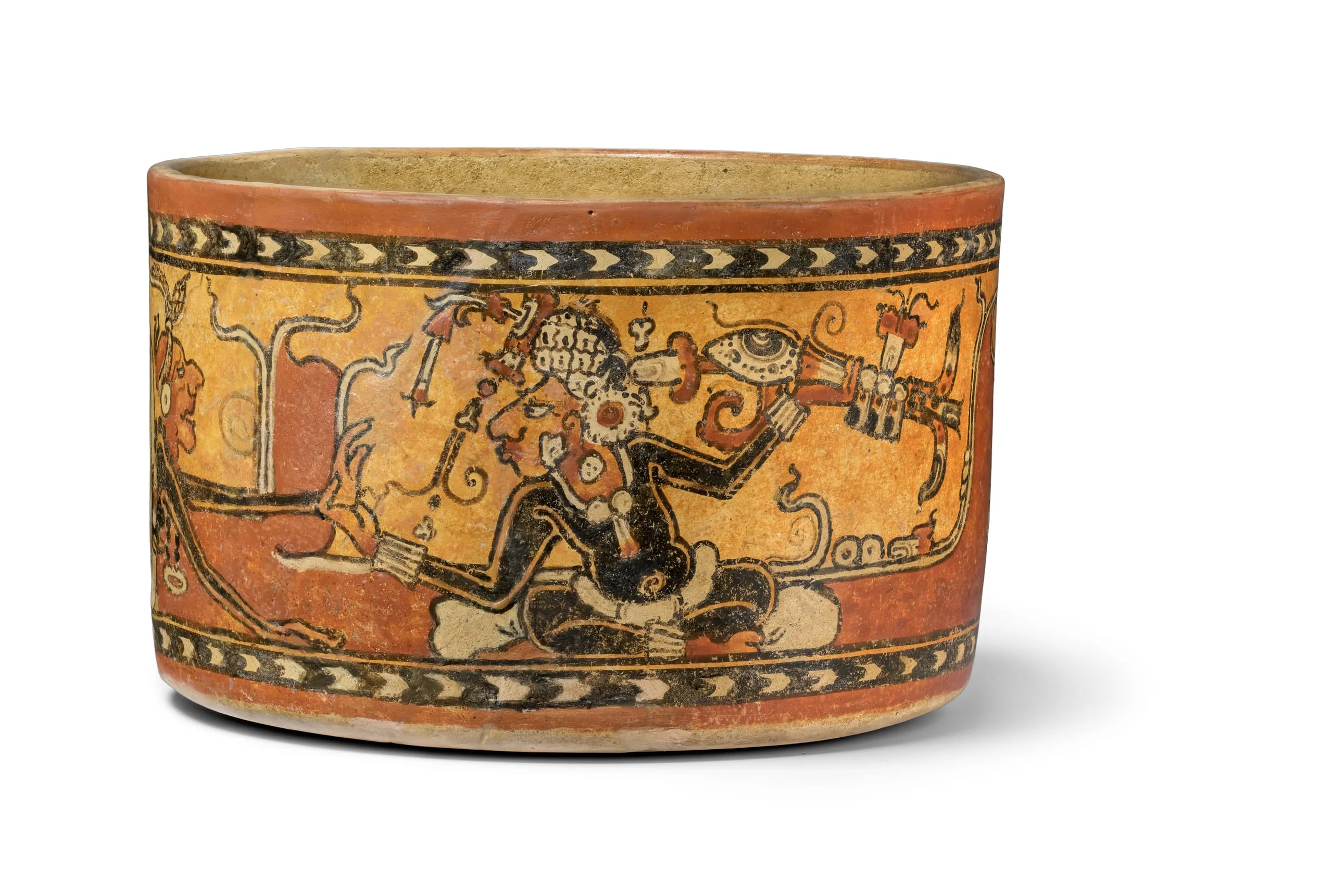
Drinking Cup with Meeting of Two Creator Deities, 600–900 CE
Unknown
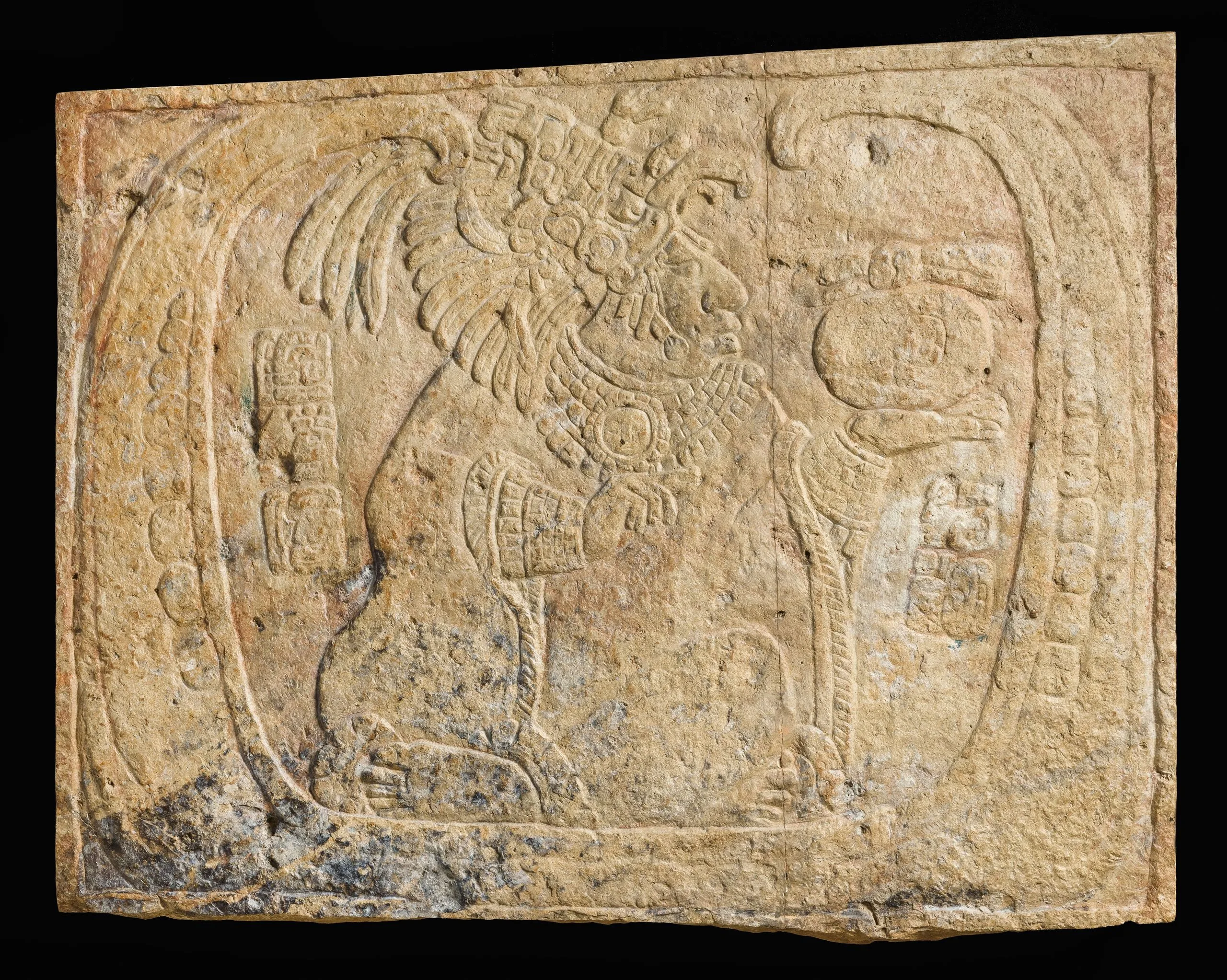
Lintel with Royal Woman in Lunar Cartouche, 750–850 CE
Unknown
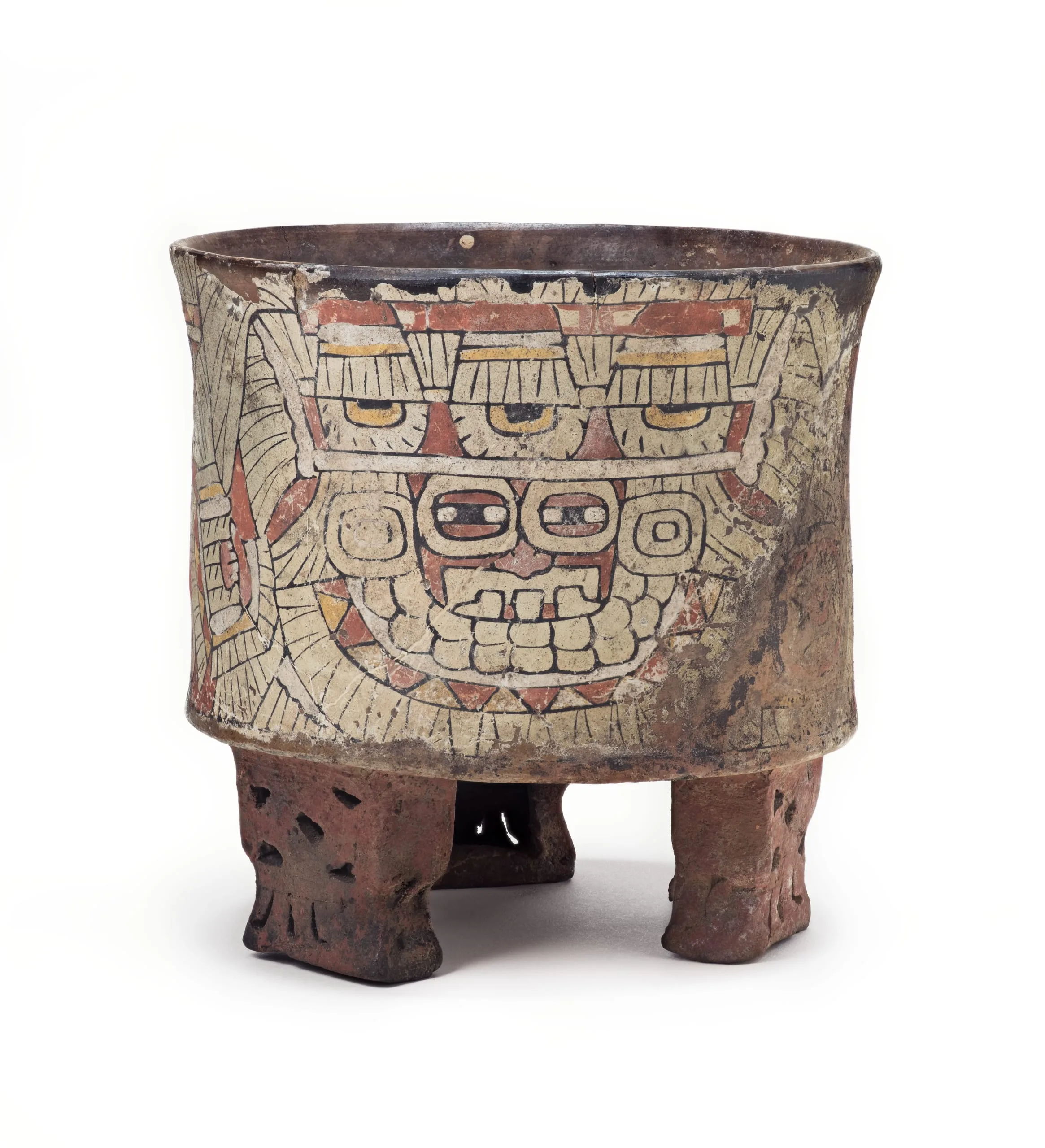
Tripod Vessel with Storm God Impersonator, 450–550 CE
Unknown
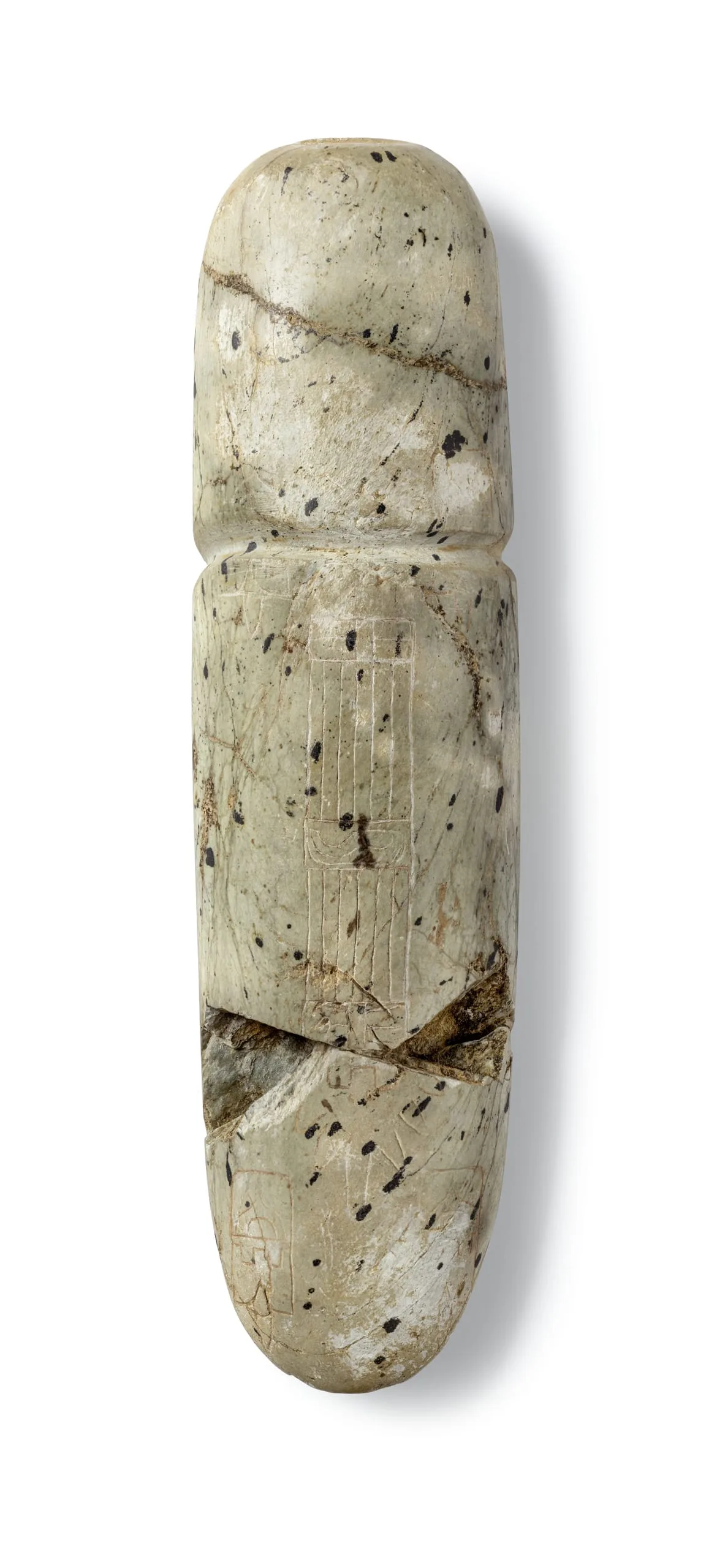
Celt with Maize Cosmogram, 900–400 BCE
Unknown
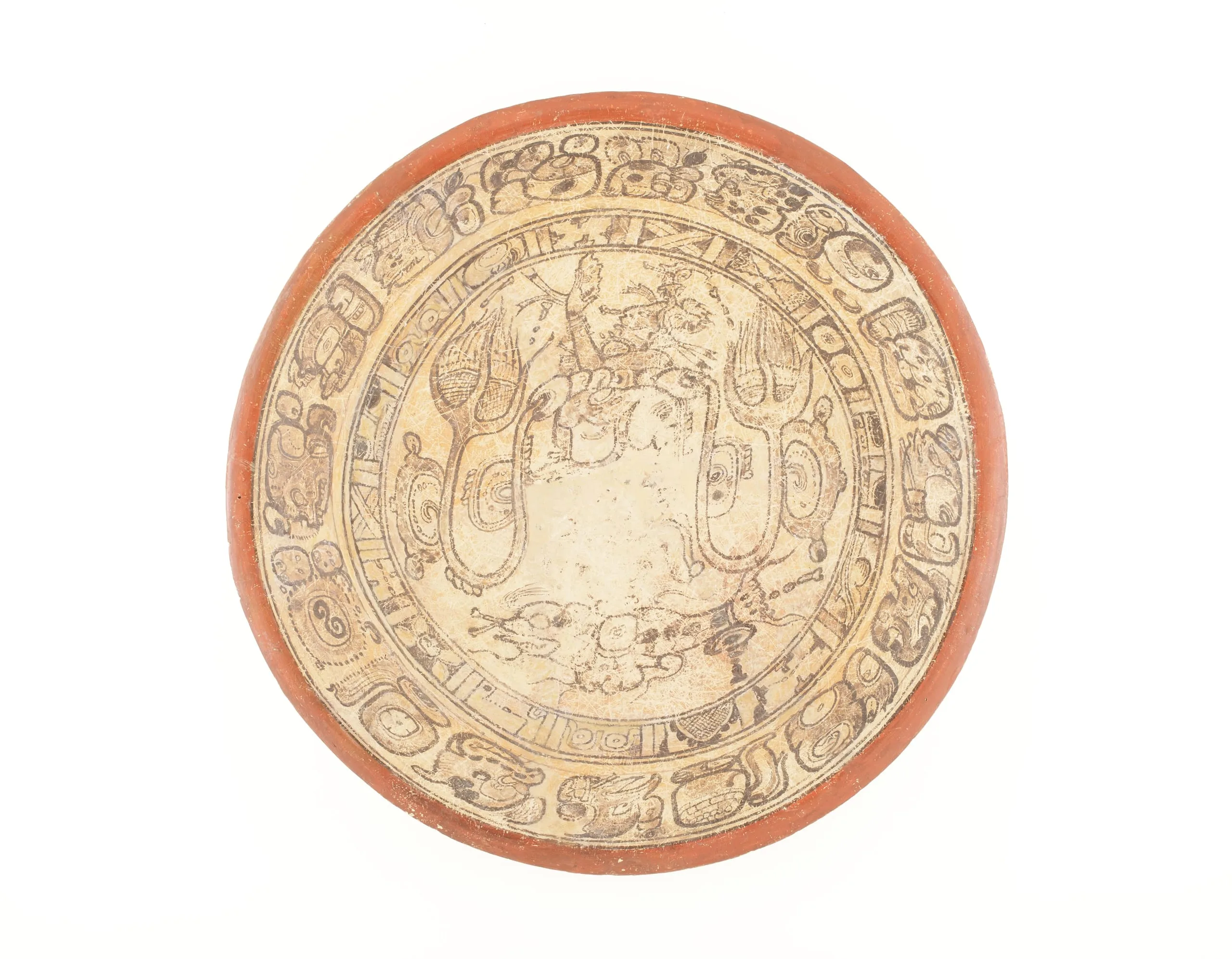
Dwelling of Warm Food of Yopaat Bahlam, 680–750 CE
Unknown
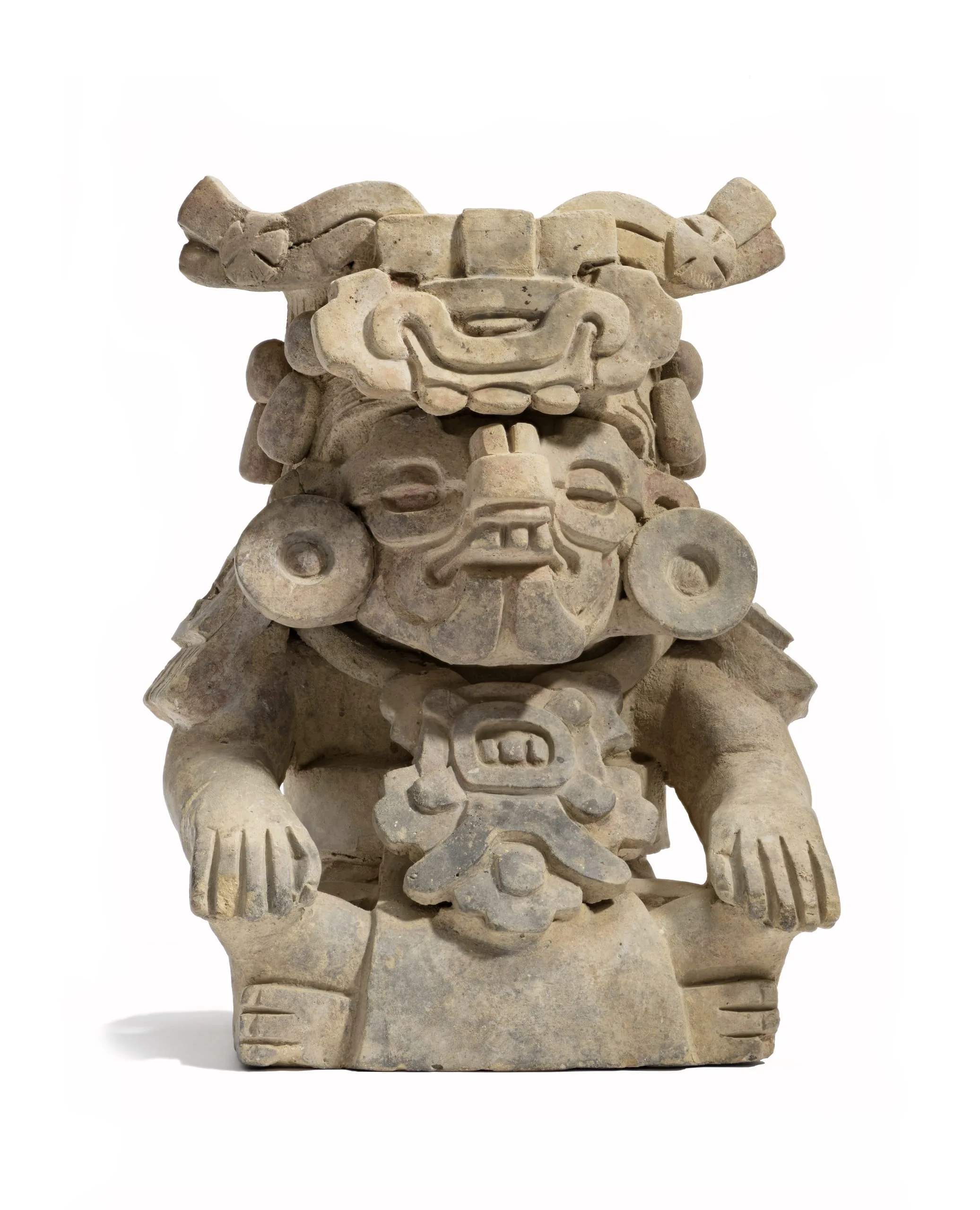
Copalera (Censer) of Cocijo Impersonator, 600–800 CE