Past Exhibitions
An archive of two decades of exhibitions at LACMA, including landmark presentations such as Magritte and Contemporary Art: The Treachery of Images (2006), John Baldessari: Pure Beauty (2010), Gifts of the Sultan: The Arts of Giving at the Islamic Courts (2011), James Turrell: A Retrospective (2013), and The Portable Universe/El Universo en tus Manos: Thought and Splendor of Indigenous Colombia (2022). Browse the full archive by year.
Shahn, Mooney, and the Apotheosis of American Labor
Jul 22–Nov 25, 2018 | Resnick Pavilion
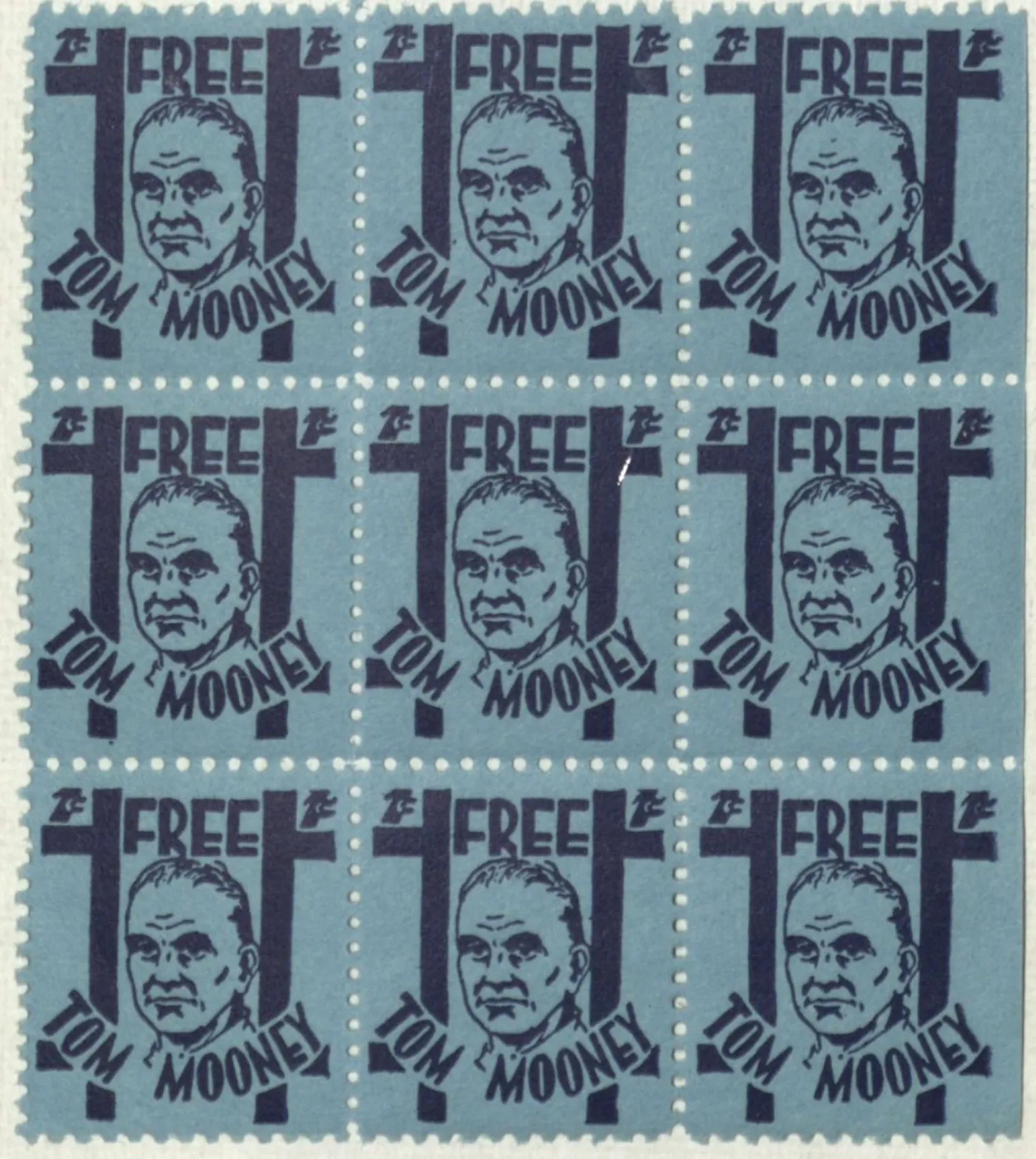
This exhibition celebrates one of Ben Shahn’s significant early social commentaries, Apotheosis, 1932–33, acquired recently by LACMA. The most famous socially concerned artist in Depression-era New York City, Shahn created searing indictments that were essential to the political scene of the time. Apotheosis is the last and largest painting of his series of 16 gouaches devoted to labor activist Tom Mooney. Honoring American labor and the freedom to unionize...
Material Play
Sep 11, 2017–Oct 31, 2018 | Hammer Building, Level 2
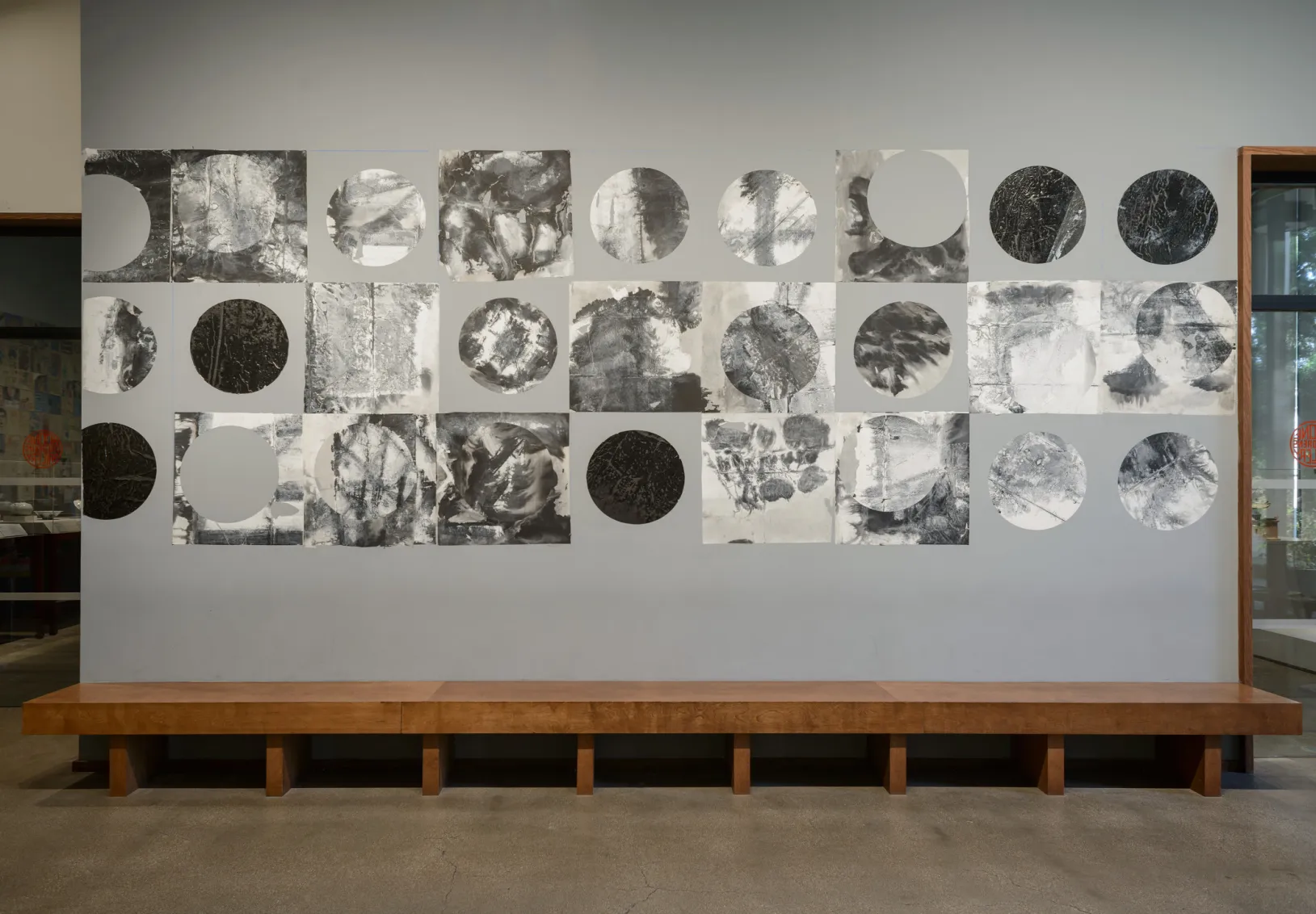
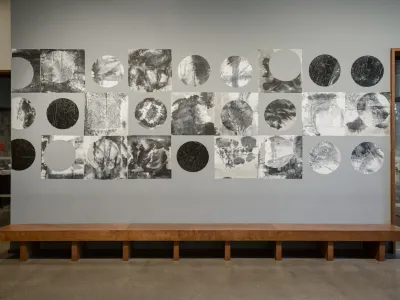
In fall 2017, artist Zheng Chongbin worked with families in the Boone Children’s Gallery to create paintings using the same process he uses in his work. Participants experimented with black sumi ink, white acrylic paint, and water, letting the materials interact and play with each other on Xuan paper. Zheng deconstructed the accumulated paintings and reconstructed them into one collaborative artwork, aptly titled Material Play.
Influenced by the Light and...
The Chiaroscuro Woodcut in Renaissance Italy
Jun 3–Sep 16, 2018 | Resnick Pavilion
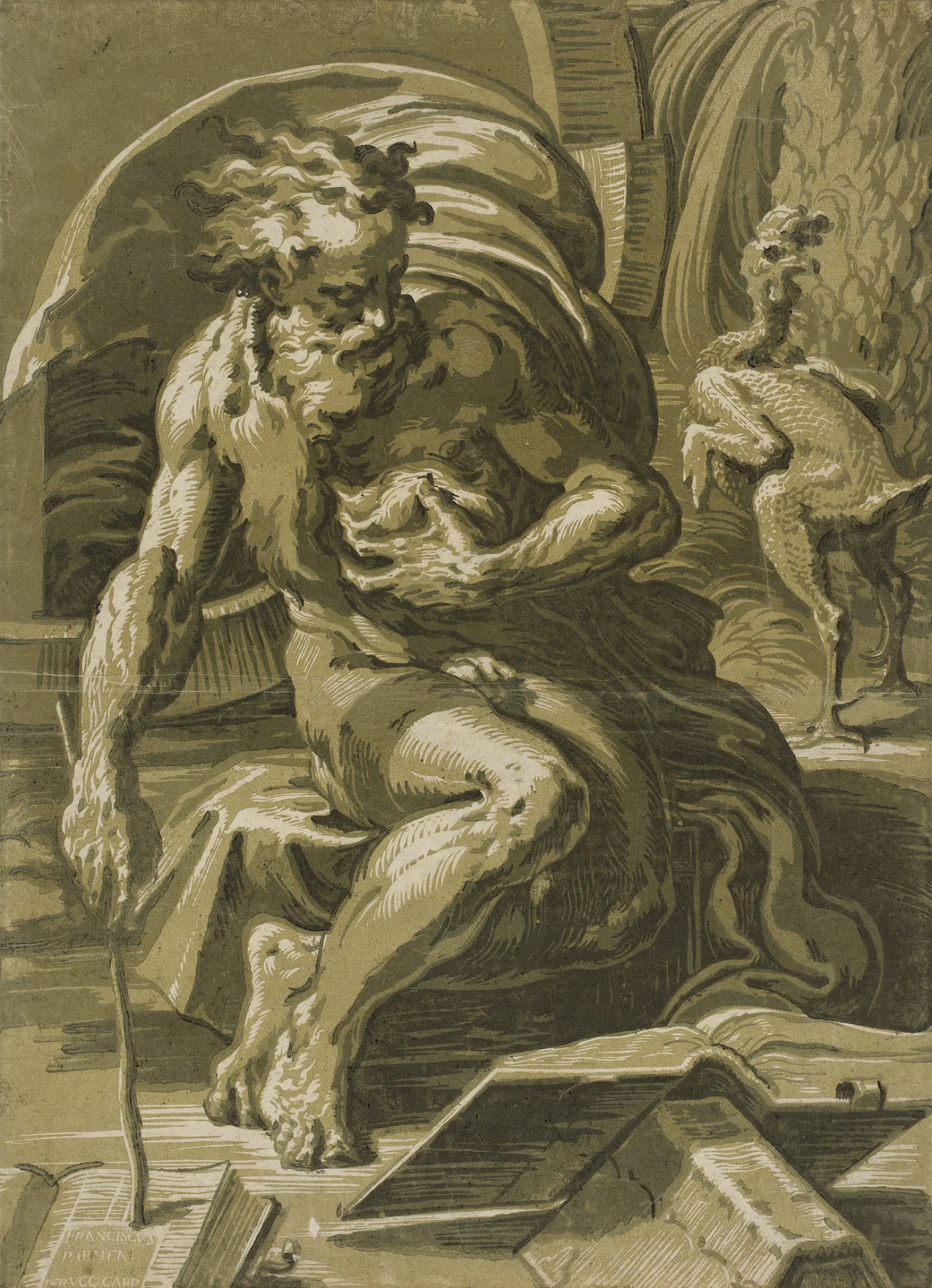
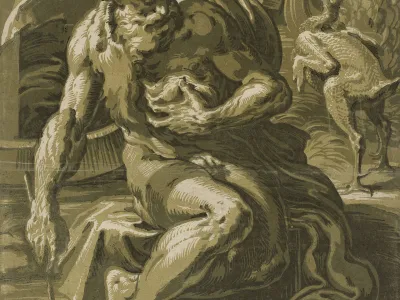
Displaying exquisite designs, technical virtuosity, and sumptuous color, chiaroscuro woodcuts are among the most striking prints of the Renaissance. First introduced in Italy around 1516, the chiaroscuro woodcut, which involves printing an image from two or more woodblocks inked in different hues, was one of the most successful early forays into color printing in Europe. Taking its name from the Italian for “light” (chiaro) and “shade” (scuro), the technique creates...
In the Fields of Empty Days: The Intersection of Past and Present in Iranian Art
May 6–Sep 9, 2018 | BCAM, Level 2
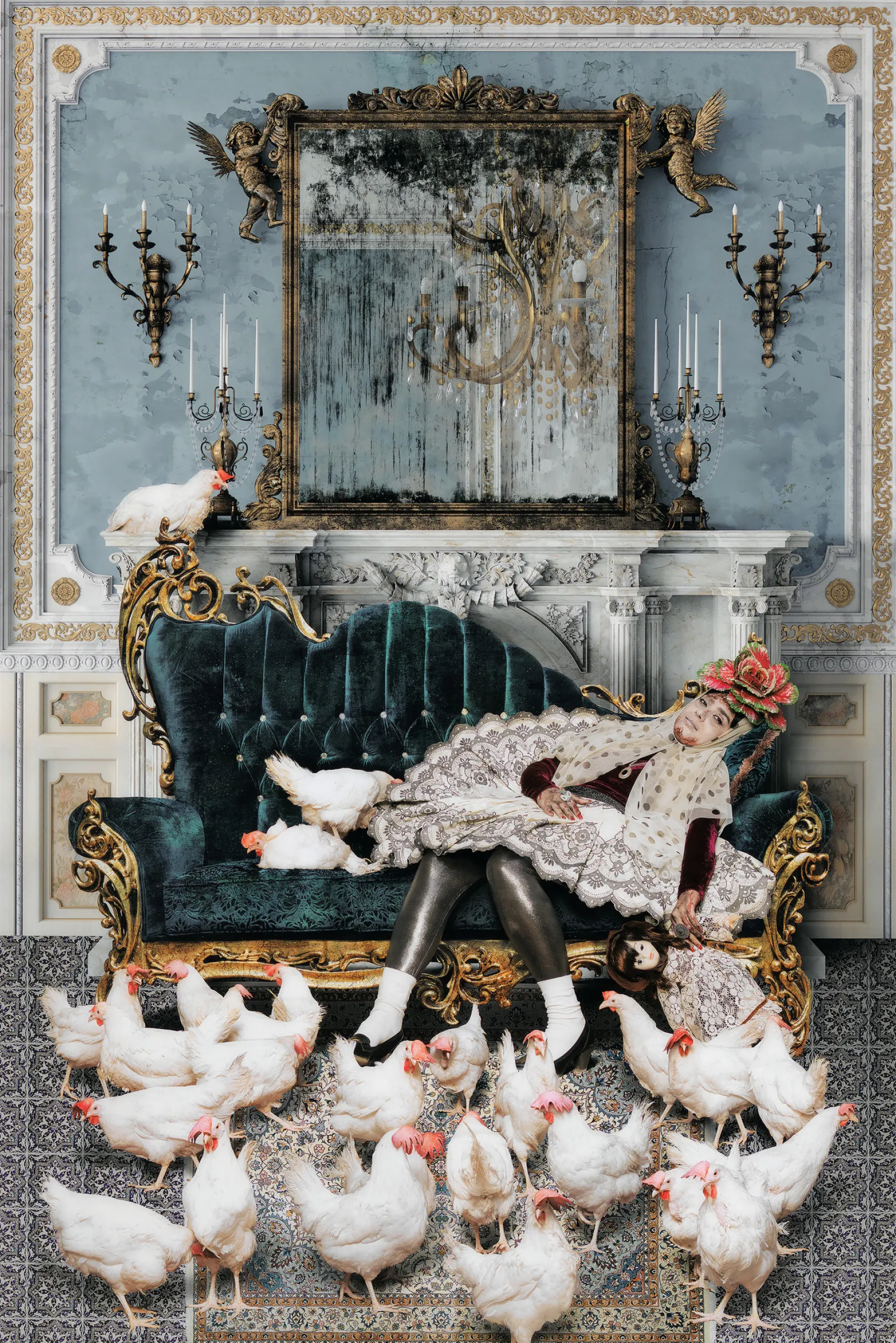
In the Fields of Empty Days explores the continuous and inescapable presence of the past in Iranian society. This notion is revealed in art and literature in which ancient kings and heroes are used in later contexts as paradigms of virtue or as objects of derision, while long-gone Shi‘ite saints are evoked as champions of the poor and the oppressed. Beginning in the 14th century, illustrated versions of the Shahnama or Book of Kings...
John Gerrard: Solar Reserve
Jul 12–Sep 3, 2018
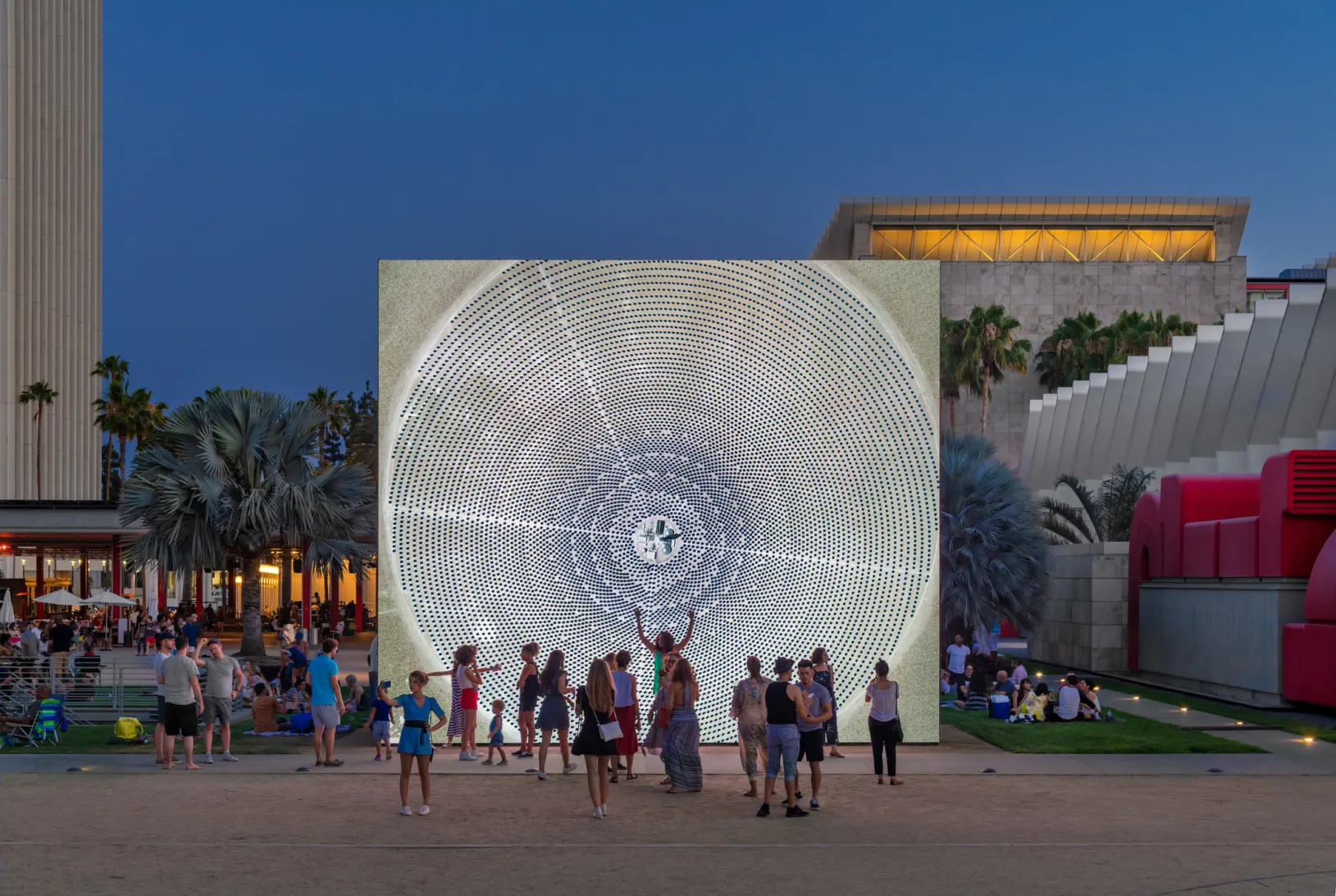
Known for his commitment to large-scale, real-time computer simulations, John Gerrard works to explore the power structures and energy networks that have facilitated the expansion of human endeavor in the past century. Displayed on a monumental, frameless LED wall, Solar Reserve (Tonopah, Nevada) 2014 is a meticulously-constructed simulation of an actual power plant known as a solar thermal power tower. Ten thousand concentric mirrors reflect sunlight upon the tower to heat molten...
Creatures of the Earth, Sea, and Sky: Painting the Panamanian Cosmos
Jul 30, 2017–Sep 3, 2018 | Ahmanson Building, Level 2
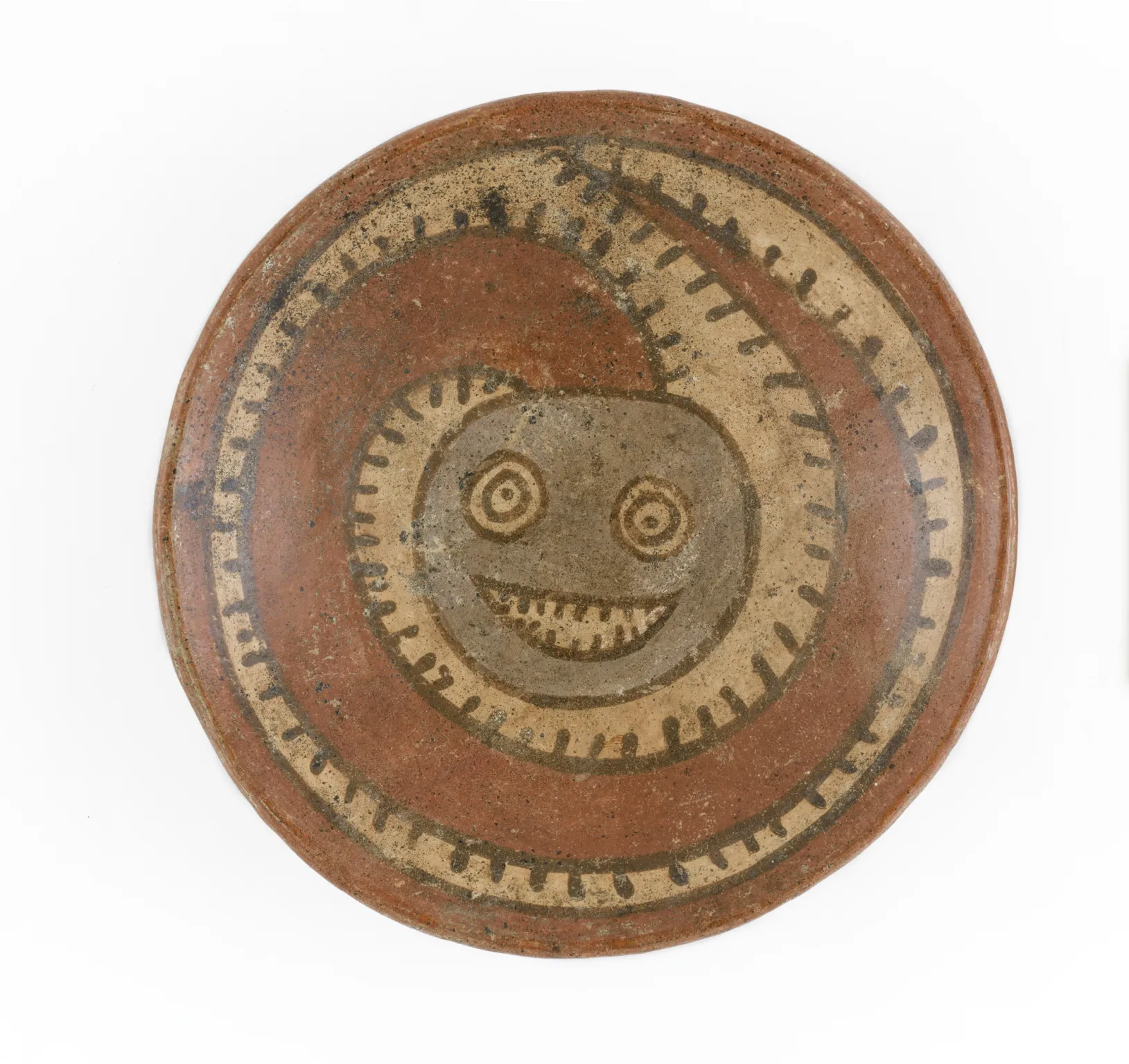
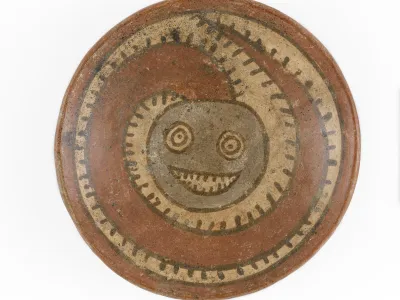
Ancient Panamanian art has not yet received the scholarly or public attention it deserves. Creatures of the Earth, Sea, and Sky: Painting the Panamanian Cosmos presents a unique opportunity to see a selection of extraordinary painted ceramics from LACMA’s collection, supported with loans from Drs Alan Grinnell and Feelie Lee. The dizzying slip-painting, covering every inch of the surface with strong, unusual colors and forming barely discernible figures, is identifiable...
City and Cosmos: The Arts of Teotihuacan
Mar 25–Sep 3, 2018 | Resnick Pavilion
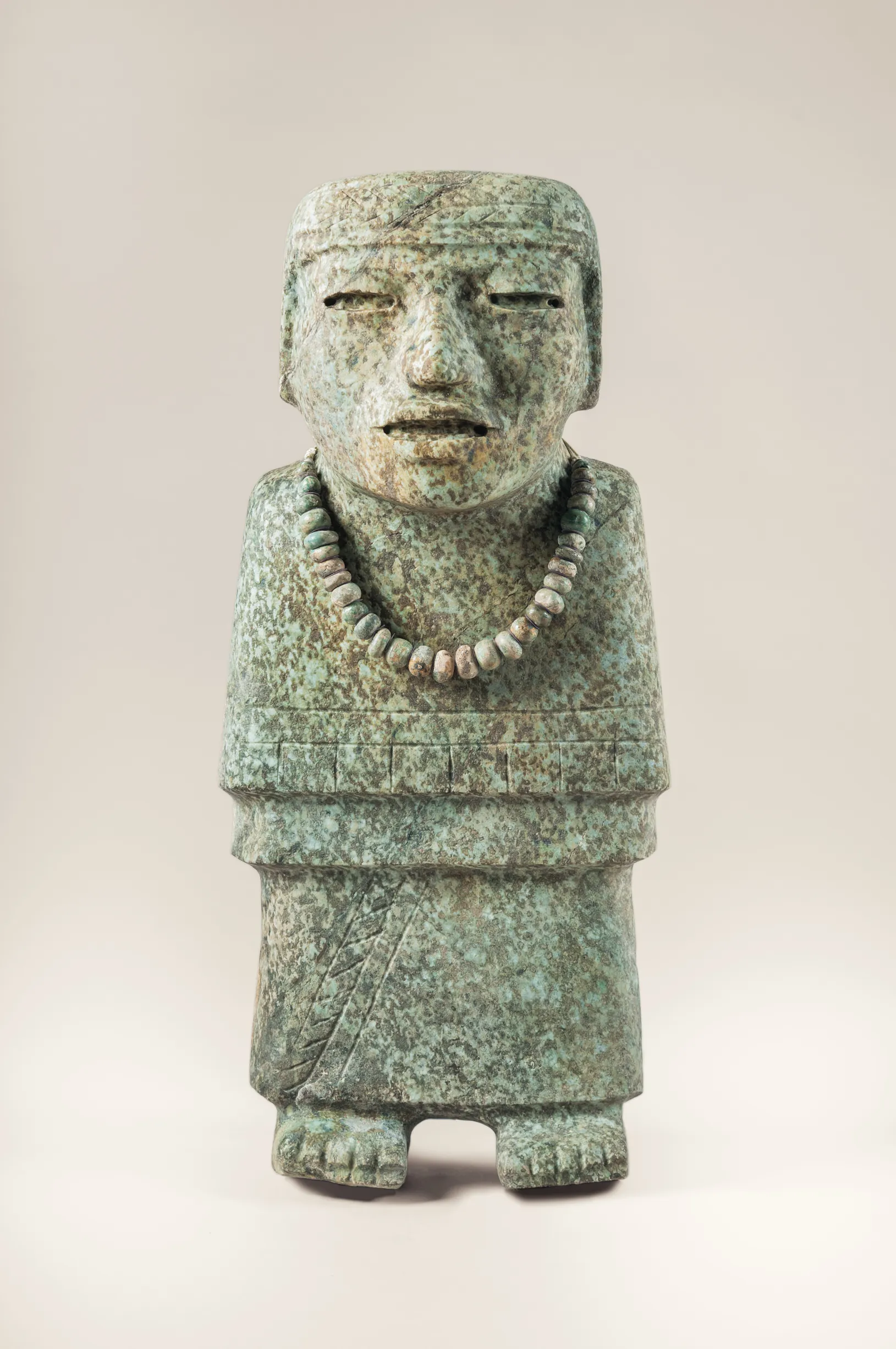
The ancient city of Teotihuacan flourished in central Mexico in the first millennium CE. This multi-ethnic, cosmopolitan city was the largest urban center in the Americas in its day. City and Cosmos: The Arts of Teotihuacan presents recent findings from Mexican national and international archaeological projects excavating at Teotihuacan's three main pyramids—the Sun, Moon, and the Feathered Serpent—and major residential compounds. These discoveries have fundamentally changed our understanding of the...
Picturing the Masses: Germany, 1900–1938
Apr 14–Aug 26, 2018 | Ahmanson Building, Level 2
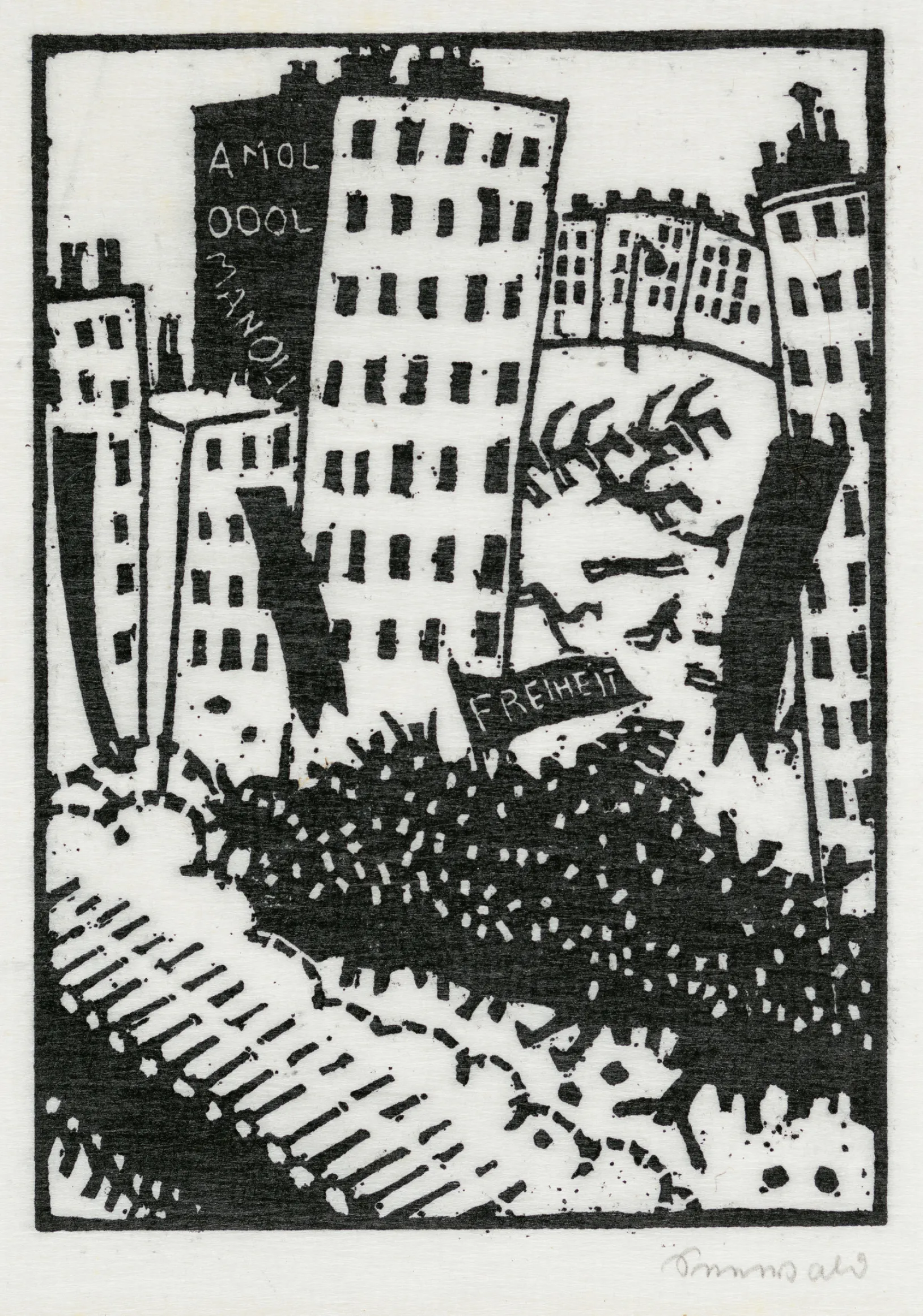
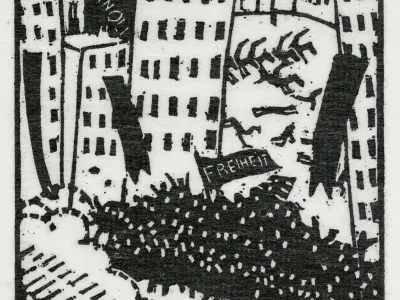
Mass movements are a modern phenomenon and became a popular subject of early 20th-century German art, a time of political revolutions, popular entertainments, proletarian workers, and mobilized citizen armies. Soldiers marching to the front during World War I, political forces activated by the energy of the German Revolution, and later, the spectacle of Nazi rallies were all mass movements, marshalled for different ends. The masses also came together for pleasure...
David Hockney: 82 Portraits and 1 Still-life
Apr 15–Jul 29, 2018 | BCAM, Level 3: Nathanson Gallery
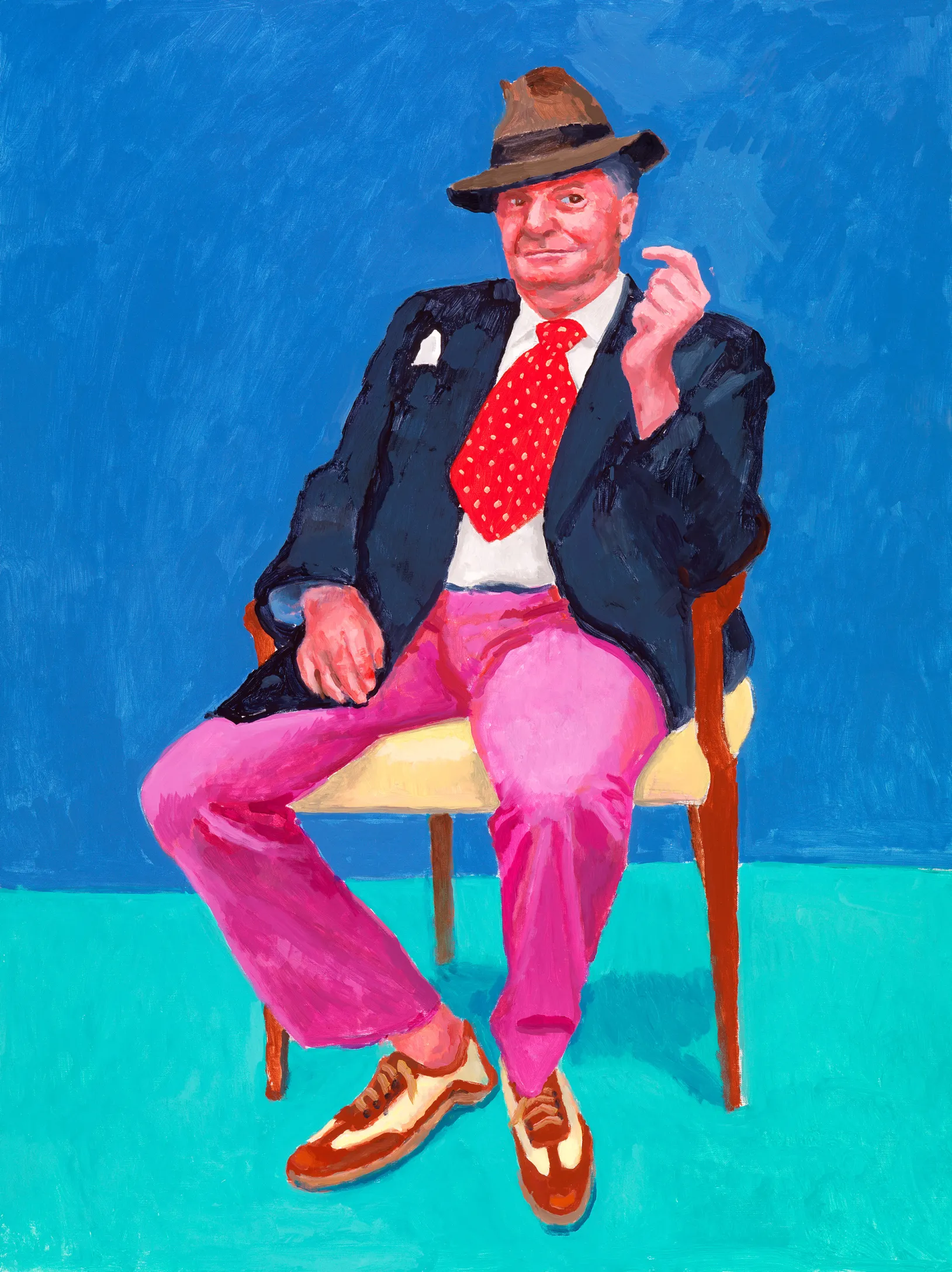
In 82 Portraits and 1 Still-life, David Hockney offers a vibrant and intimate view of people with whom he has developed relationships over the past 50 years. The majority of the portraits were painted in Hockney’s Los Angeles studio, all from life and over a period of two or three days, which the artist has described as “a 20-hour exposure.” None of Hockney’s portraits are commissioned; for this series...
A Tale of Two Persian Carpets (One by One): The Ardabil and Coronation Carpets
Sep 17, 2017–Jul 8, 2018 | Resnick Pavilion
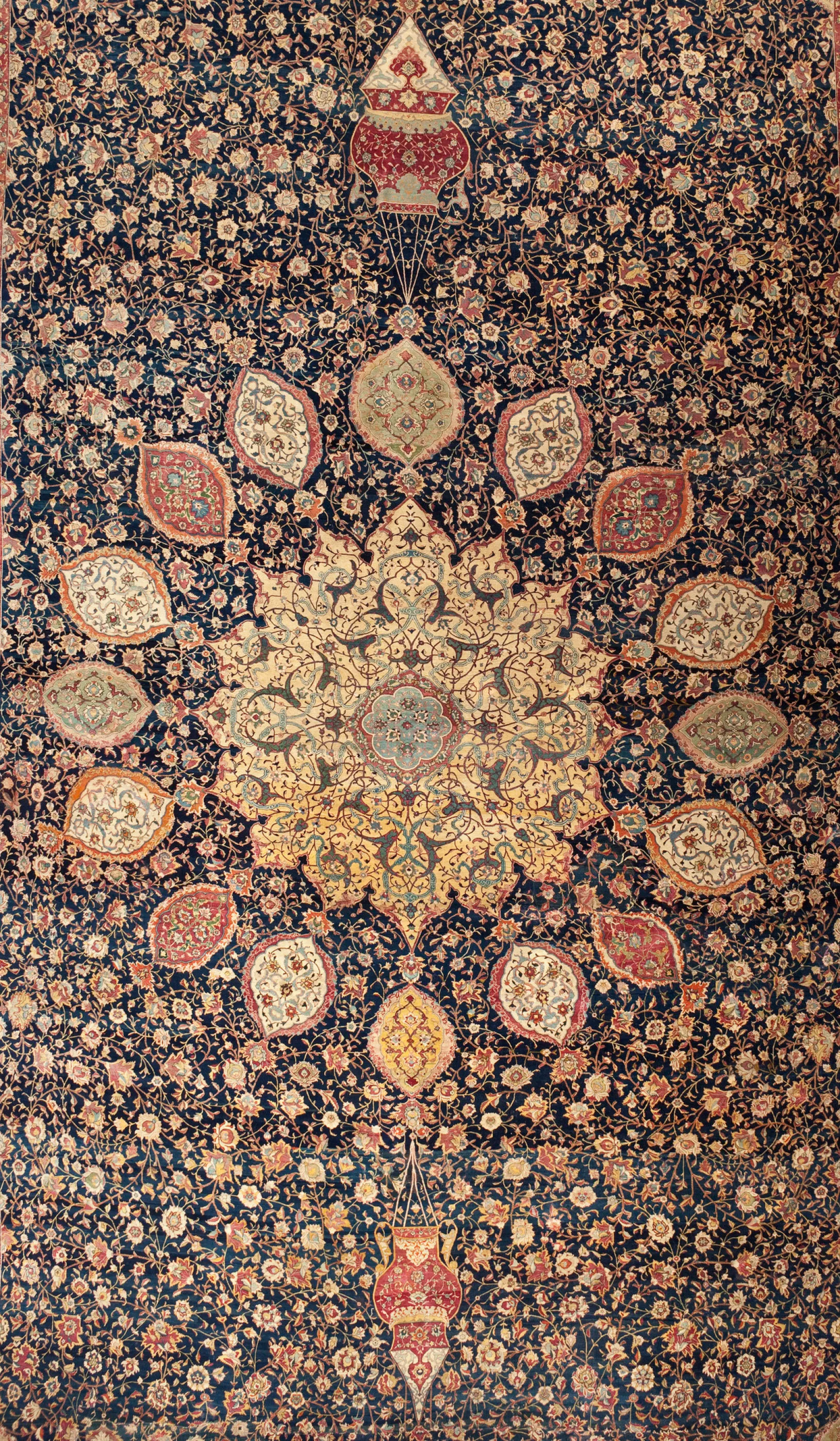
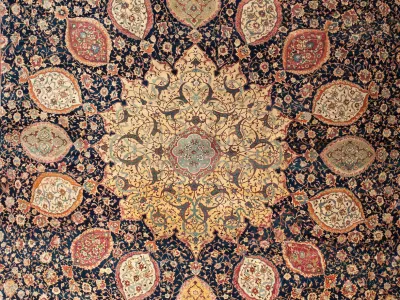
Dating to the first half of the 16th century, LACMA’s two spectacular Persian carpets, both the gift of J. Paul Getty, have only rarely been exhibited due in part to their size and their sensitivity to light. Now, these large and sumptuous carpets will be shown sequentially, affording visitors the opportunity to see two of the world’s most renowned Persian carpets and to learn of their fascinating history before and...
Ancient Bodies: Transformation, Personhood, and Power in Mesoamerica
Apr 12–Jul 8, 2018 | Art of the Americas Building, Level 4
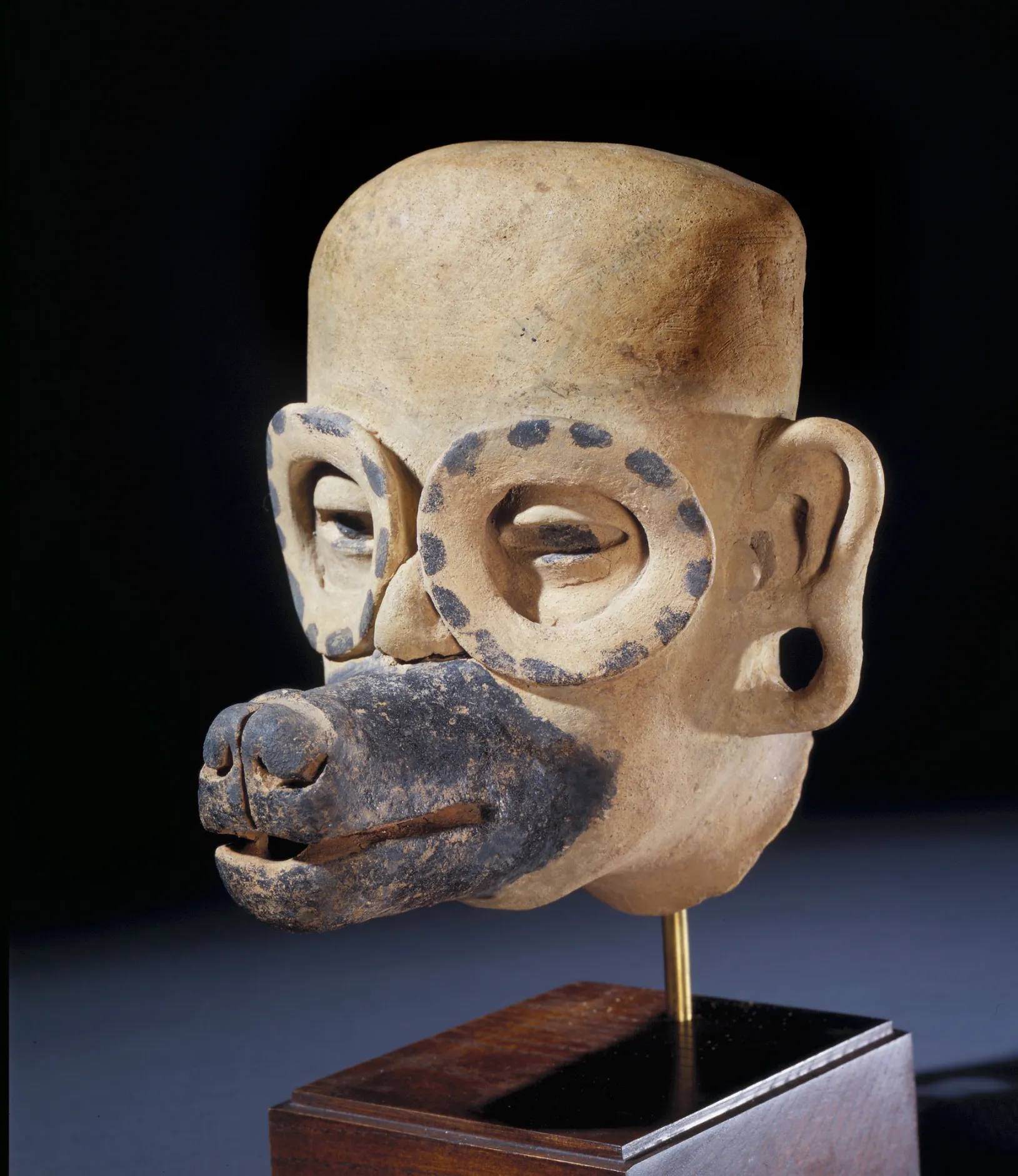
In ancient Mesoamerica, people transformed their bodies to express a range of roles in society and to gain access to metaphysical powers. Bodily conversions were achieved gradually over the course of a lifetime, or rapidly by modifying specific body parts or by wearing prestigious objects. As outward expressions of links between the physical world and other dimensions, altered bodies often reflected, and even cultivated, relationships with other people, animals, and...

Alejandro G. Iñárritu: CARNE y ARENA (Virtually present, Physically invisible)
Jul 2, 2017–Jul 1, 2018 | BCAM, Level 1
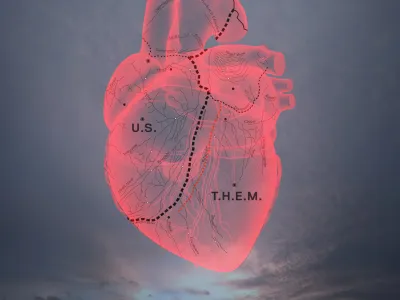
Alejandro G. Iñárritu’s conceptual virtual reality installation CARNE y ARENA (Virtually present, Physically invisible) explores the human condition of immigrants and refugees. Based on true accounts, the superficial lines between subject and bystander are blurred and bound together, allowing individuals to walk in a vast space and thoroughly live a fragment of the refugees’ personal journeys. An immersive installation that reunites frequent collaborators Iñárritu and Emmanuel Lubezki alongside producer Mary...
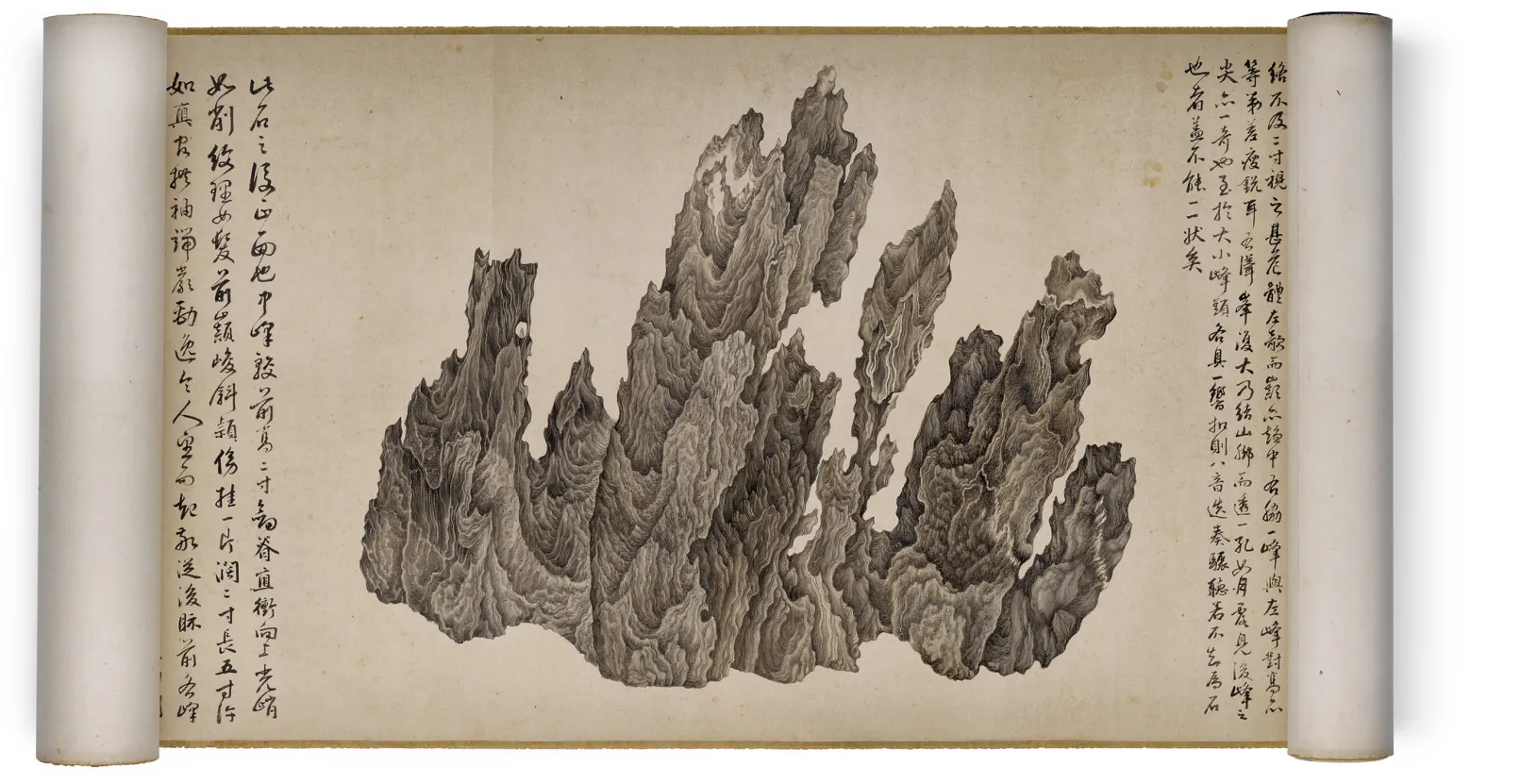
Wu Bin: Ten Views of a Lingbi Stone
Dec 10, 2017–Jun 24, 2018 | Resnick Pavilion
In ancient China strange and marvelous stones were valued for their beauty and as reflections of the hidden structures underlying the universe. Stones were seen as fluid and dynamic, constantly changing, and capable of magical transformations. Certain stones were believed to be able to speak, to emit clouds and rain, to predict the weather, to move about of their own accord, and to heal. Fantastic stones were perceived as mountains...
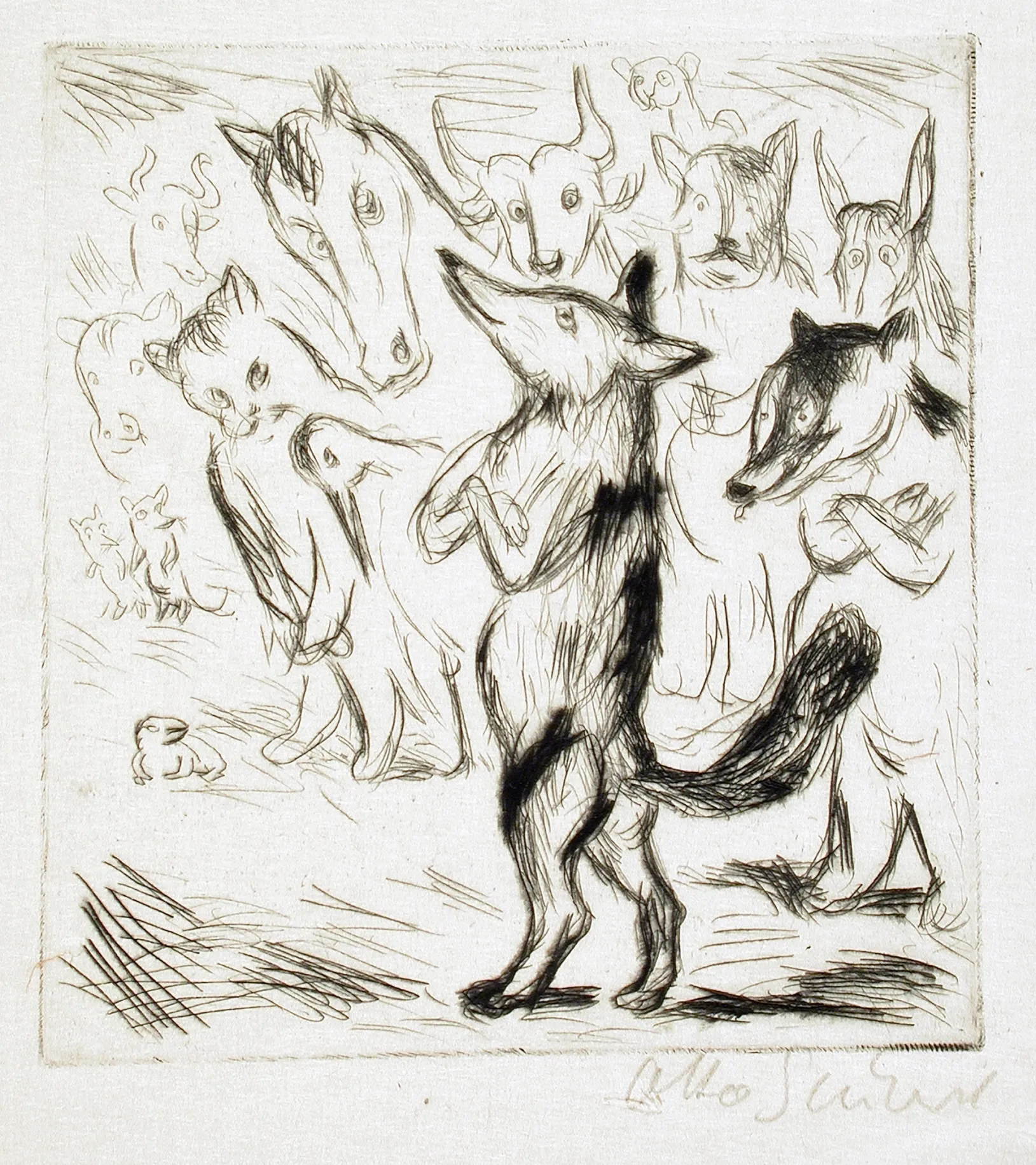
1917/1918: Looking Backward, Stepping Forward
Nov 4, 2017–Apr 1, 2018 | Ahmanson Building, Level 2
This display of European prints and drawings pinpoints two crucial years in Germany and Austria that would define the end of an era and lead toward a new future. Despite the sobering realities of World War I, those living beyond the battlefields sought normalcy in their day-to-day existence. Just as we—a century later—cope with uncertainty and upheaval, they instigated routines, examined their circumstances and beliefs, and escaped into fictional stories...
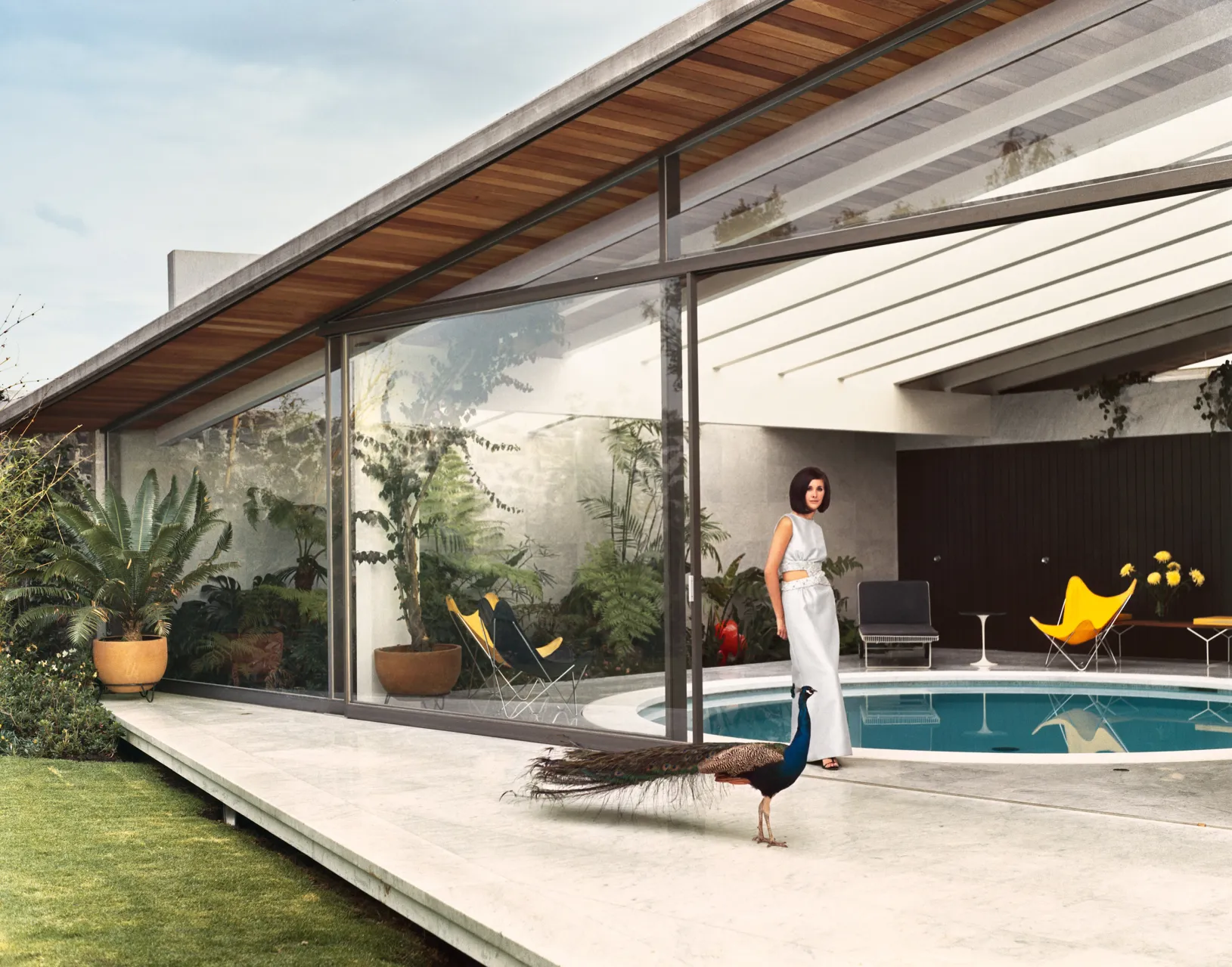
Found in Translation: Design in California and Mexico, 1915–1985
Sep 17, 2017–Apr 1, 2018 | Resnick Pavilion
Found in Translation: Design in California and Mexico, 1915–1985is a groundbreaking exhibition and accompanying book about design dialogues between California and Mexico. Its four main themes—Spanish Colonial Inspiration, Pre-Hispanic Revivals, Folk Art and Craft Traditions, and Modernism—explore how modern and anti-modern design movements defined both locales throughout the twentieth century. Half of the show’s more than 250 objects represent architecture, conveyed through drawings, photographs, and films to illuminate the...
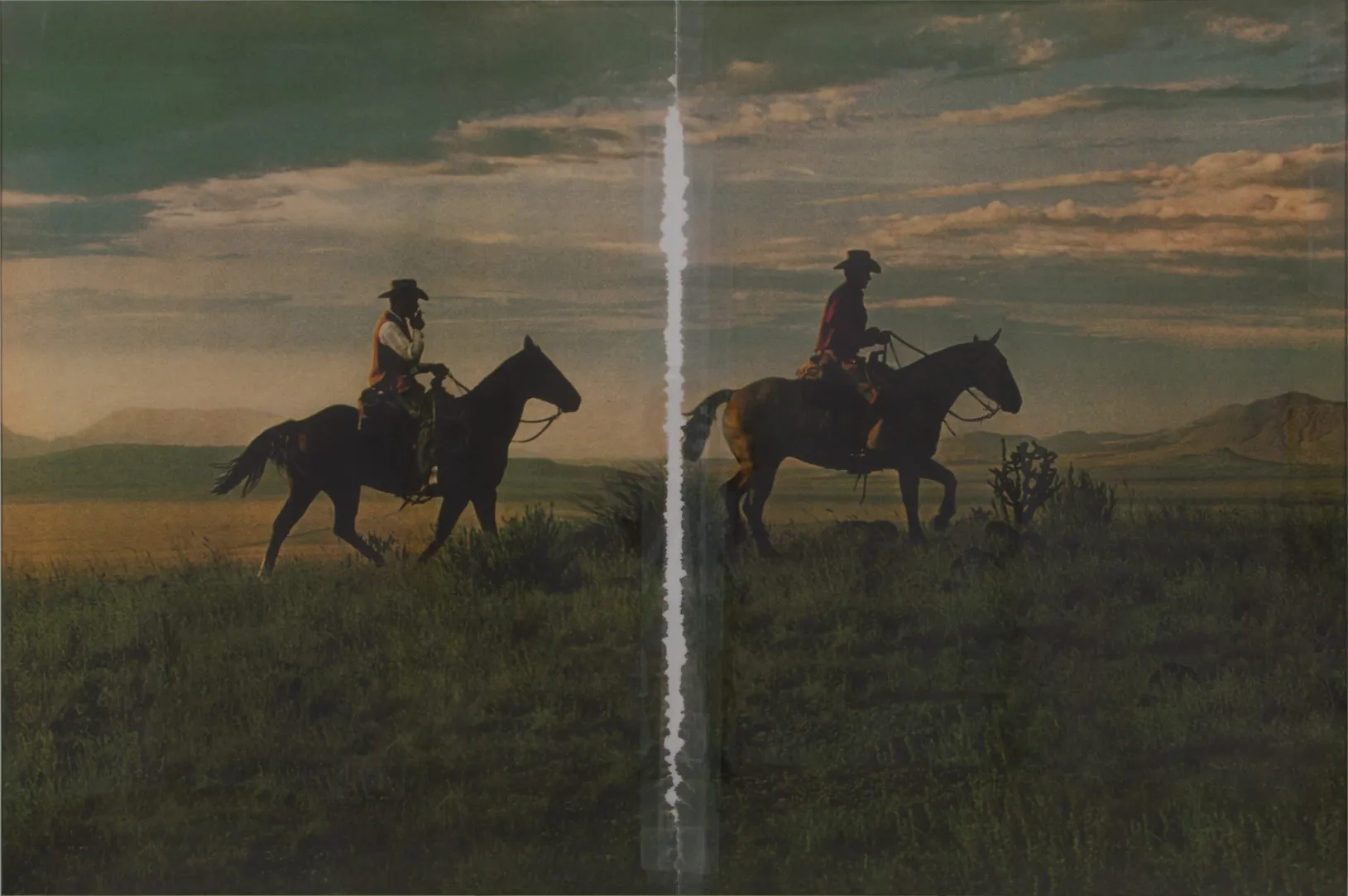
Richard Prince: Untitled (cowboy)
Dec 3, 2017–Mar 25, 2018 | BCAM, Level 3: Nathanson Gallery
In two photographic series from the 2010s, publicly exhibited for the first time, Richard Prince (United States, b. 1949) continues his career-long engagement with the motif of the cowboy. Untitled (cowboy), recently acquired by LACMA, and Untitled (original cowboy) achieve the grandeur of 19th-century history painting while also deconstructing the iconography of the American West. Once again challenging the conventional meanings and limits of the photographic medium, Prince reignites...
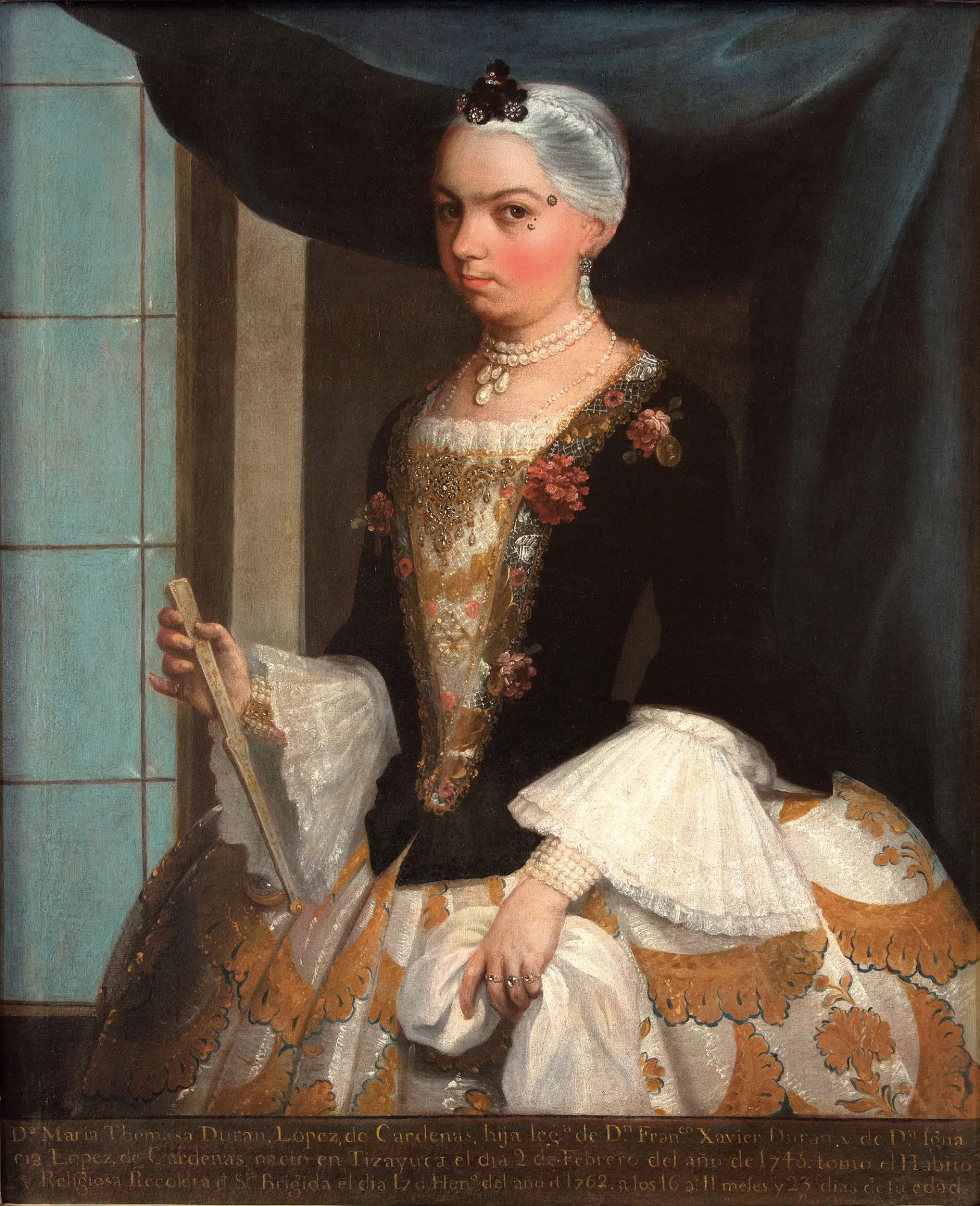
Painted in Mexico, 1700–1790: Pinxit Mexici
Nov 19, 2017–Mar 18, 2018 | Resnick Pavilion
Painted in Mexico, 1700–1790: Pinxit Mexici is a groundbreaking exhibition devoted to 18th century Mexican painting, a vibrant period marked by major stylistic developments and the invention of new iconographies. The exhibition’s over 100 works (many unpublished and restored for the exhibition), will make a lasting contribution to our understanding of Mexican painting in particular and transatlantic artistic connections in the 18th century in general. Its seven main themes—Great Masters...
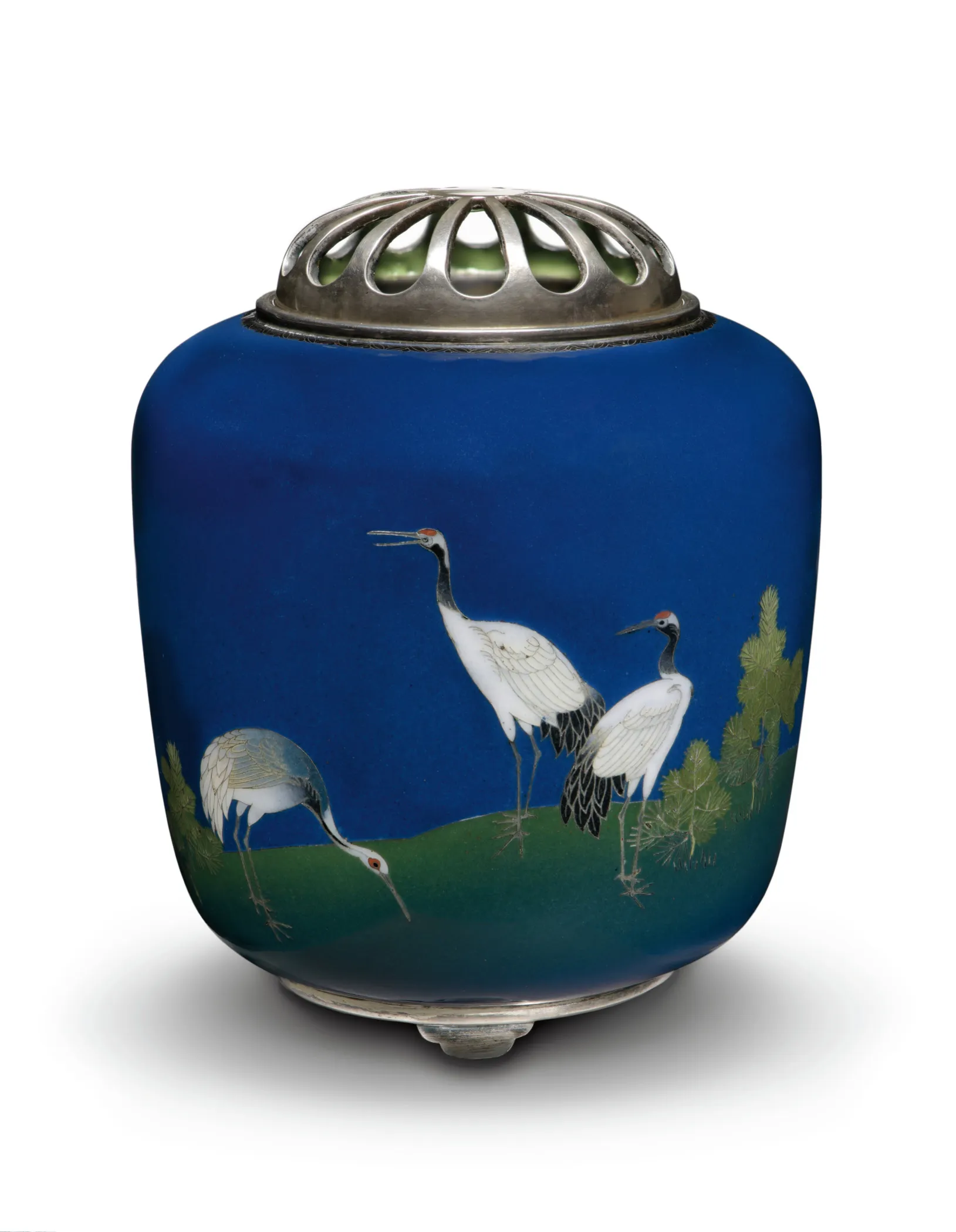
Polished to Perfection: Japanese Cloisonné from the Collection of Donald K. Gerber and Sueann E. Sherry
May 28, 2017–Feb 4, 2018 | Pavilion for Japanese Art
The 1830s marked the beginning of a renaissance in Japanese cloisonné production. Though small objects incorporating enamels were produced in Japan prior to the 19th century, a new generation of artisans developed techniques that enabled the creation of three-dimensional vessels, greater flexibility in surface design, and a number of different enameling styles. During the “golden age” of Japanese cloisonné production (approximately 1880–1910), intricate decorations, sophisticated use of color, expanding varieties...
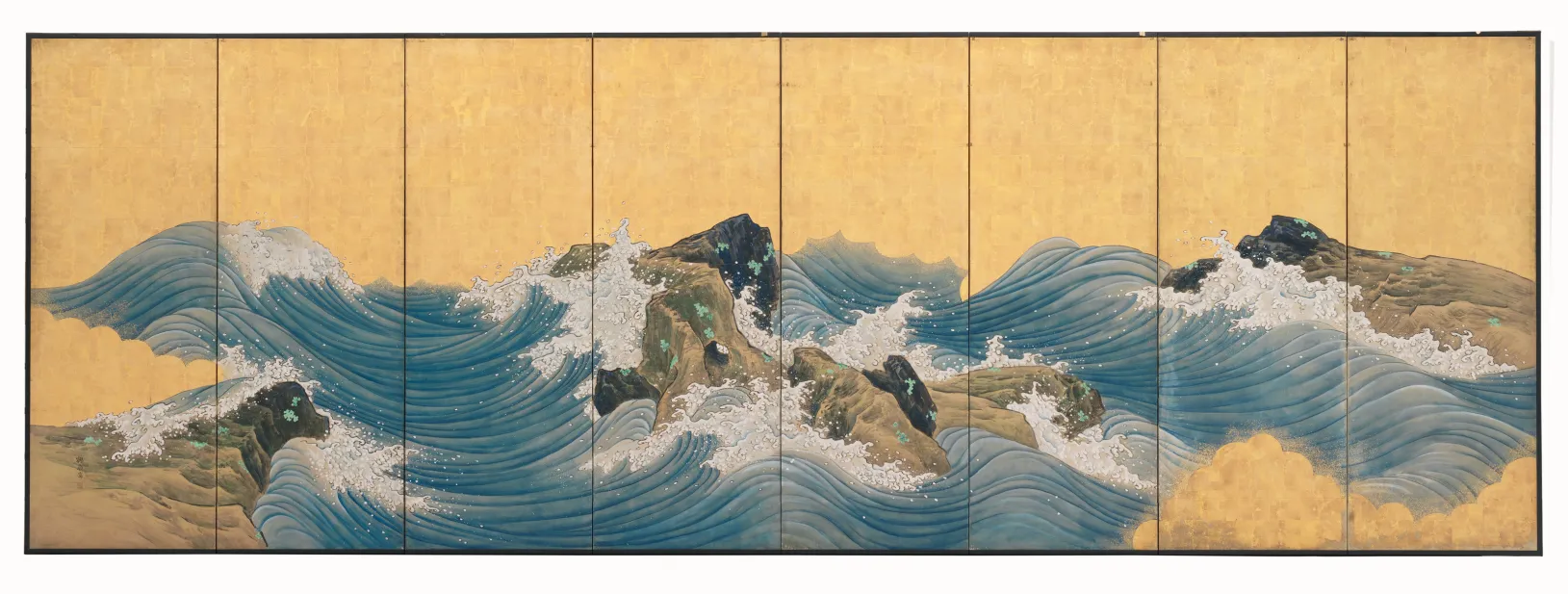
Atmosphere in Japanese Painting
Sep 15, 2017–Feb 4, 2018 | Pavilion for Japanese Art
In the Japanese language, there are about 50 words for rain, but also an equivalent surfeit of terms for snow, mist, and fog. In winter, Japan’s weather is dominated by a cold air mass from Siberia, which transfers moisture from the ocean, bringing heavy snow to the Japan Alps and lighter snow elsewhere. Summer brings tropical rain and humidity from the southeast over all the islands of Japan except Hokkaido in...
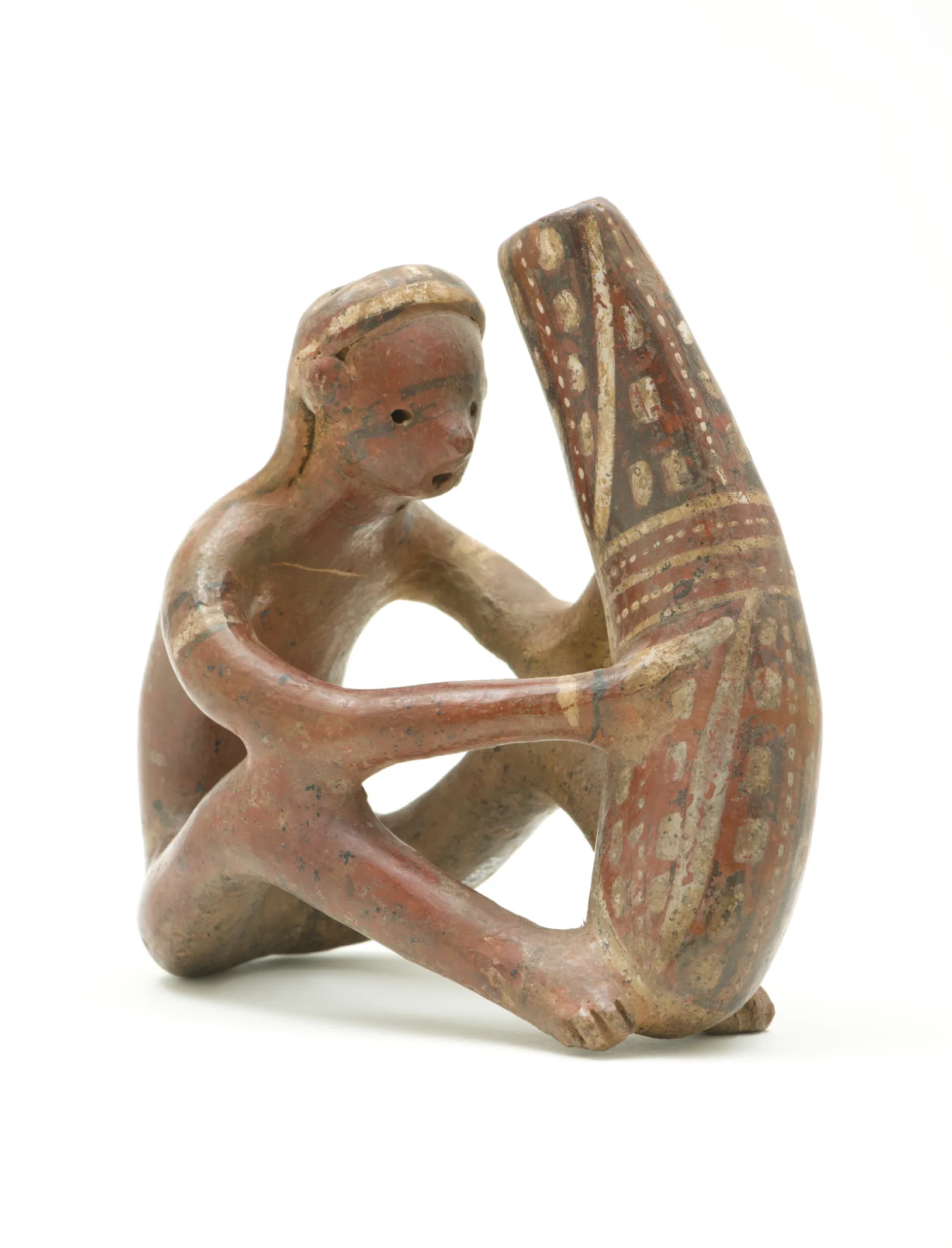
Ancient Bodies: Archaeological Perspectives on Mesoamerican Figurines
Jul 1, 2017–Feb 4, 2018 | Art of the Americas Building, Level 4
Ancient Bodies: Archaeological Perspectives on Mesoamerican Figurines explores the central role of archaeological excavation in situating ancient art and artifacts in a cultural framework. In April 2006, archaeologists discovered a masonry tomb chamber while excavating a grand pyramid in the ancient Maya city of El Perú-Waka’, Petén, Guatemala. The tomb, dating to 600–650 CE, contained the remains of a ruler of the city and a rich array of funerary objects...
Sarah Charlesworth: Doubleworld
Aug 20, 2017–Feb 4, 2018 | Art of the Americas Building, Level 2
Sarah Charlesworth (1947–2013) was a highly influential artist whose work examined the role that photographic images play in contemporary culture. She aligned closely with a group of New York-based artists in the 1980s known as the Pictures Generation, which included Jack Goldstein, Sherrie Levine, Richard Prince, and Laurie Simmons, among others. First identified by curator Douglas Crimp in his 1977 exhibition Pictures, at Artists Space in New York, these...
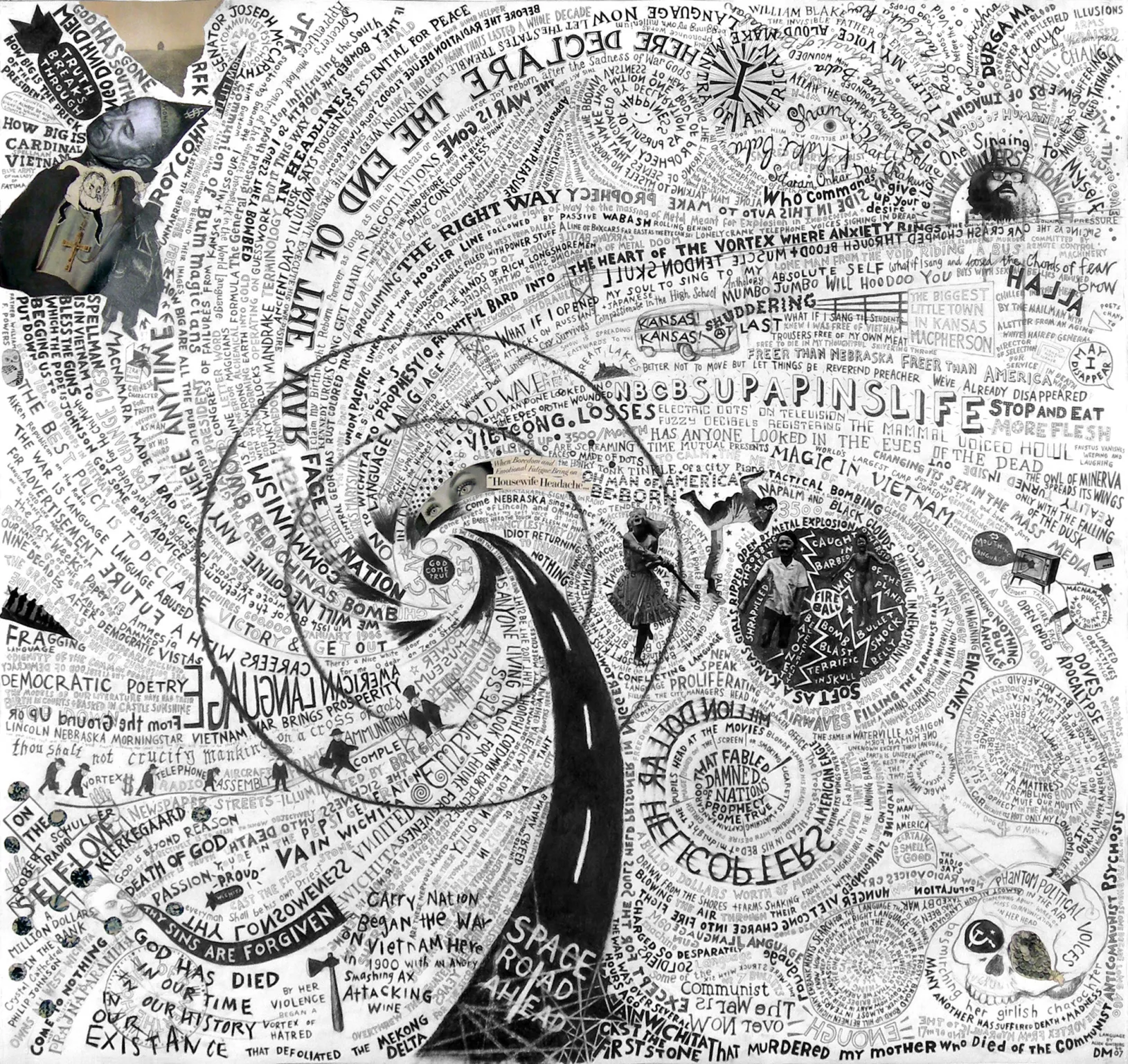
On the Move: A Century of Crossing Borders
Aug 19, 2017–Jan 28, 2018 | Ahmanson Building, Level 2
Borders—physical or ideological, fluid and contested—shape the way people experience the world around them. As these boundaries are navigated socially and politically, they also motivate diverse forms of art making. This exhibition shows how themes of transportation and movement have been explored in modern and contemporary art.
In 1913 Sonia Delaunay-Terk and poet Blaise Cendrars pictured the new Trans-Siberian Railway, and in 1927 Mieczyslaw Berman commemorated the first nonstop transatlantic...
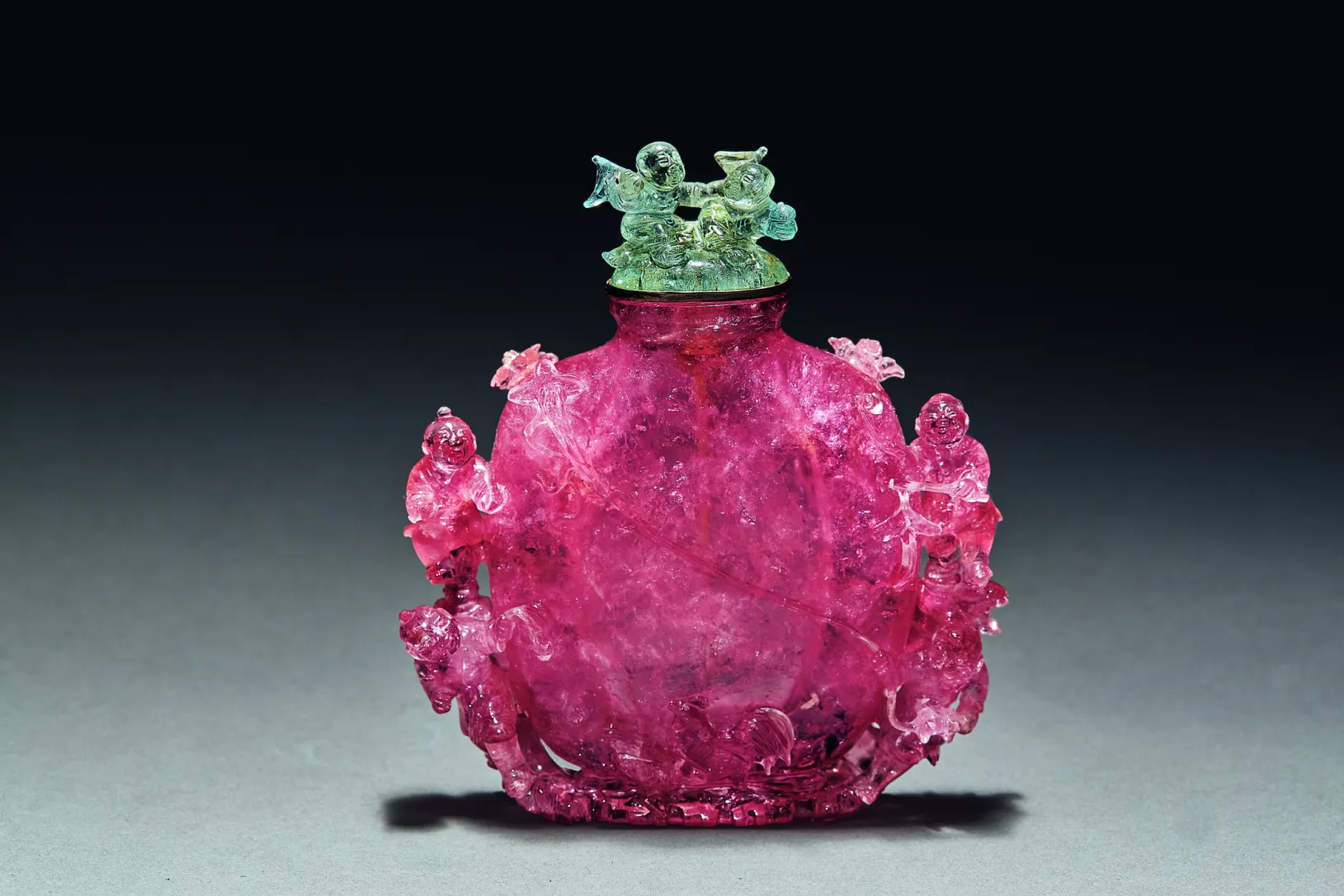
Chinese Snuff Bottles from Southern Californian Collectors
Oct 29, 2016–Jan 21, 2018 | Hammer Building, Level 2
Snuff, a powdered form of tobacco from the Americas, was initially brought to China by European traders in the late 16th century, during the Ming dynasty (1368–1644). It was in the 17th century, however, in the early Qing dynasty (1644–1911), that China witnessed a rise of snuff-taking among the upper classes. Inhaling snuff was perceived as more stylish and elegant than smoking tobacco, and this led to the subsequent use...
Chagall: Fantasies for the Stage
Jul 31, 2017–Jan 7, 2018 | Resnick Pavilion
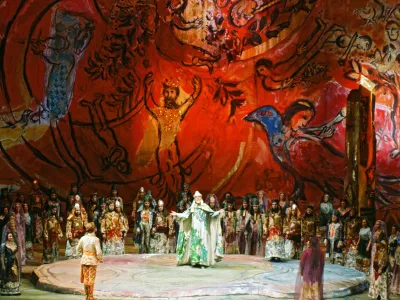
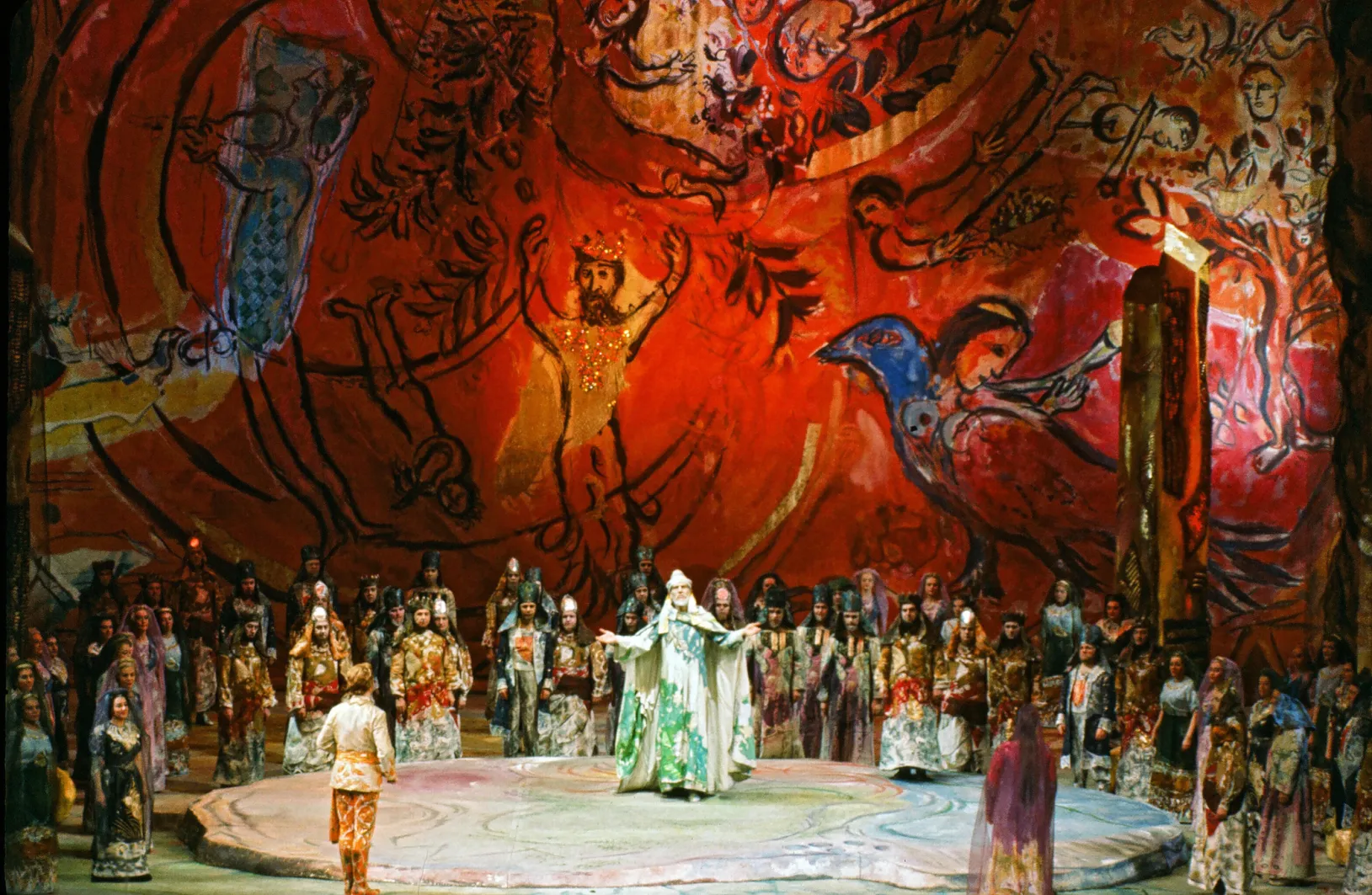
Chagall: Fantasies for the Stage highlights the principal role that music and dance played in Chagall’s artistic practice. The performing arts were a significant source of inspiration for Chagall throughout his long career: he depicted musicians in many of his paintings, collaborated on set designs for the Ballet Russes in 1911, created murals and theatrical productions for the Moscow State Jewish Theater in the 1920s, and designed costumes and monumental...