Collections
Spanish Colonial Art
The collection of Spanish colonial art presents the artistic achievements of Latin America, from Columbus’s first encounter with the people of the Caribbean through the region’s independence movements and the subsequent formation of nation states. In 1492, Columbus’s world-changing voyage joined the vast network of trade routes between Asia, Europe, and Africa to the sophisticated system of trade and interaction that already existed in the Americas. Not long after, Portugal colonized Brazil, and Spain created the viceroyalties of New Spain (present-day Mexico and Central America) and Peru (present-day South America except for the southern region and Brazil). With the blessing of the pope, the Spanish and Portuguese monarchs began converting the indigenous peoples to Christianity, and set up new administrative, juridical, and economic systems. Before the end of the sixteenth century, trade with Japan and China was established via the Spanish colony of the Philippines and the Manila galleons. Complex multiracial societies developed as Amerindians, Europeans, Asians, and Africans (who accompanied the early European expeditions as slaves) mixed.
The various forms of art produced throughout Latin America reflect the seminal changes in the development of new identities. The swiftness with which Europeans established themselves in the New World prompted a huge demand for artistic creations, especially with the founding of large religious institutions. Both fine and decorative arts flourished, reflecting the convergence of native and foreign traditions.
- Ilona Katzew, 2008
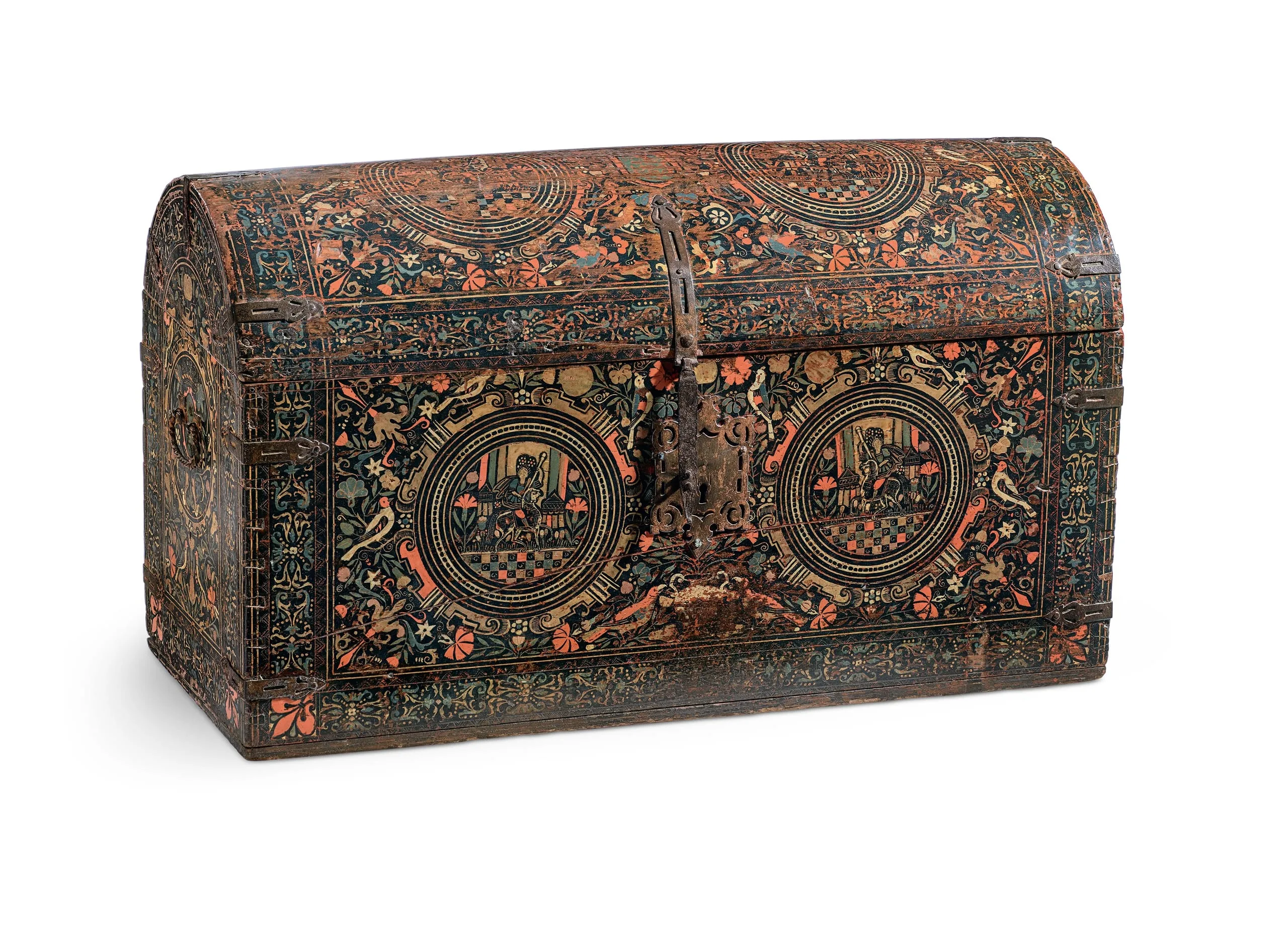
Unidentified artists
Trunk (Baúl), second half of the 17th century
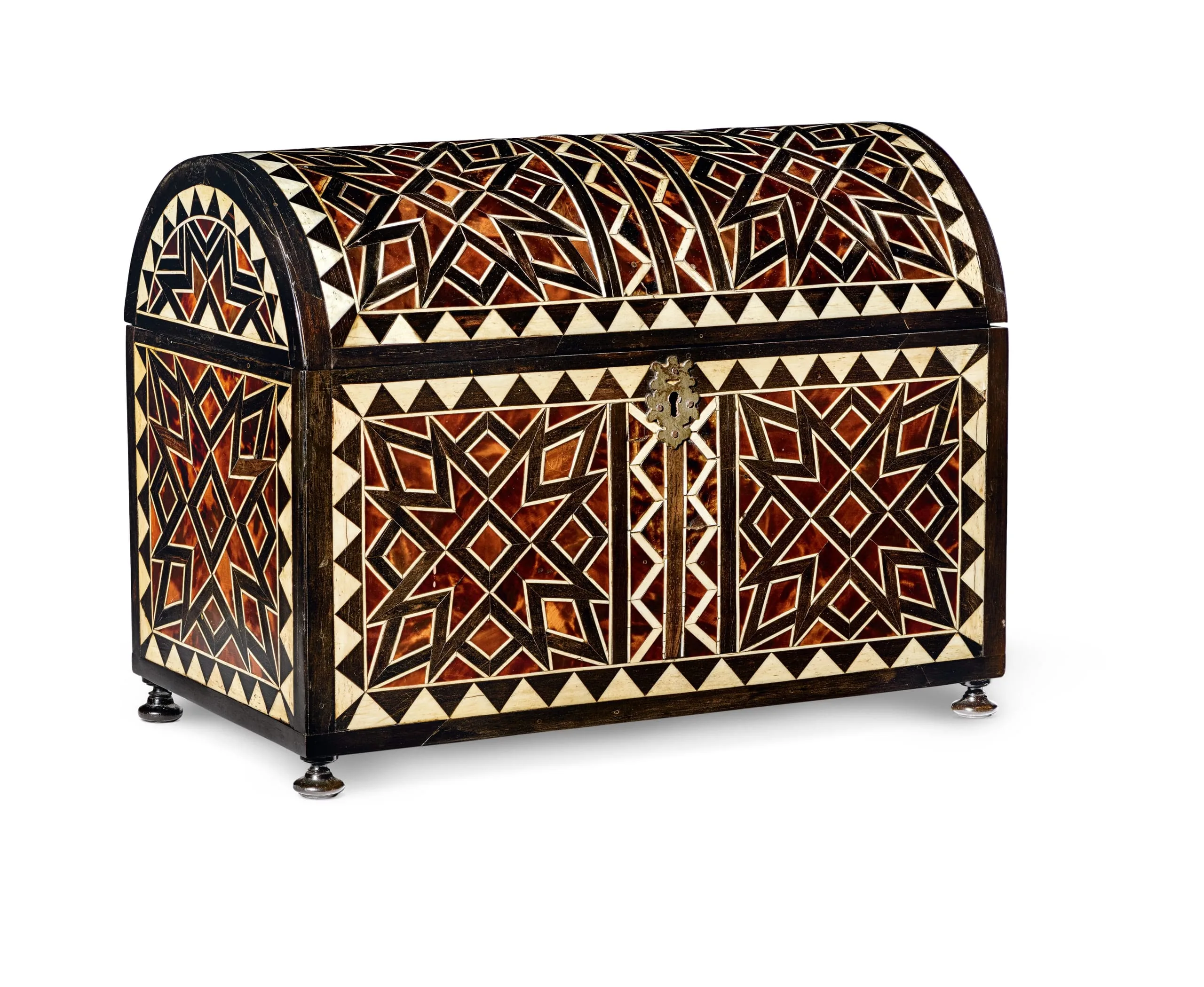
Unidentified artists
Chest (Baulito), late 17th or early 18th century
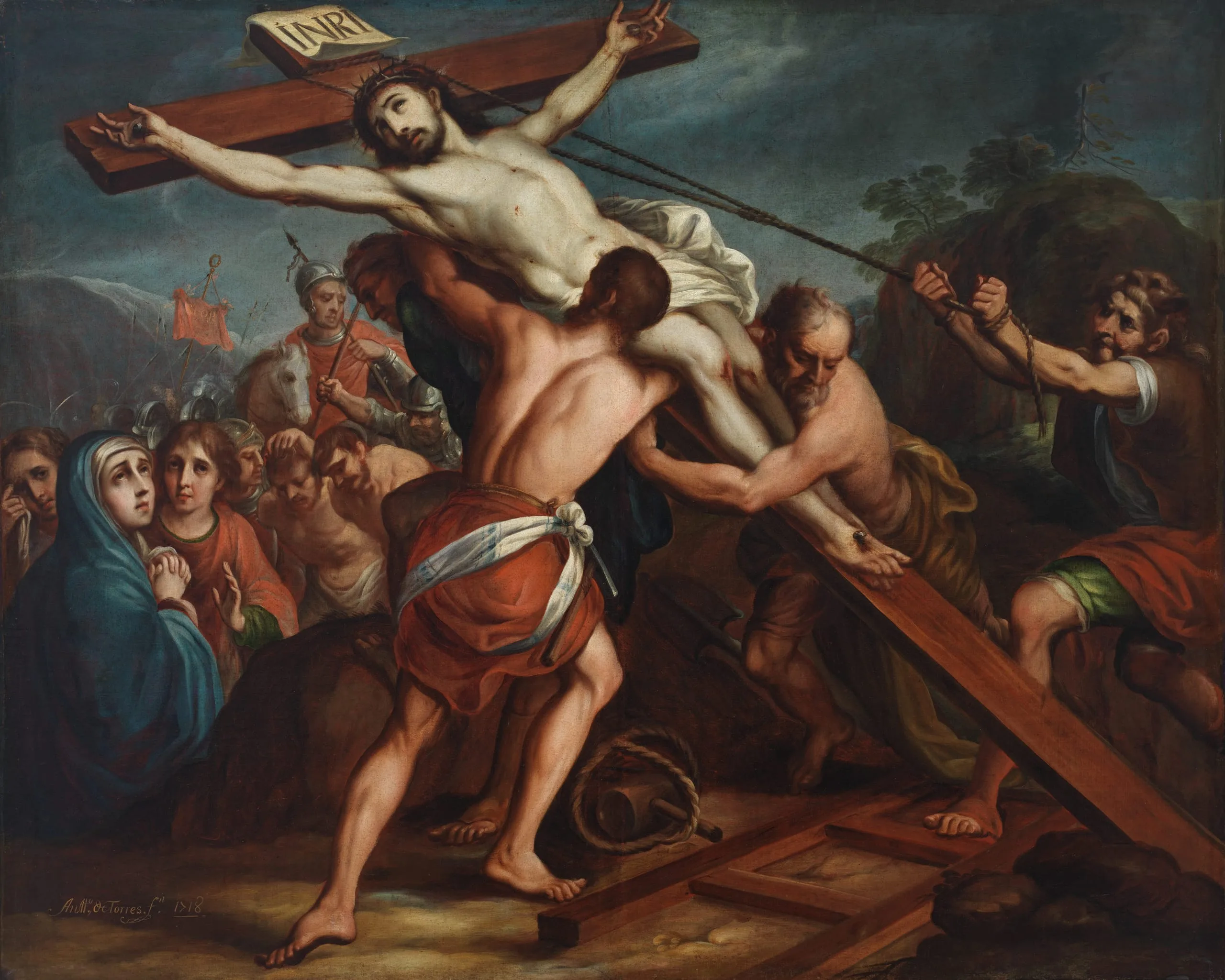
Antonio de Torres
The Elevation of the Cross (La elevación de la cruz), 1718
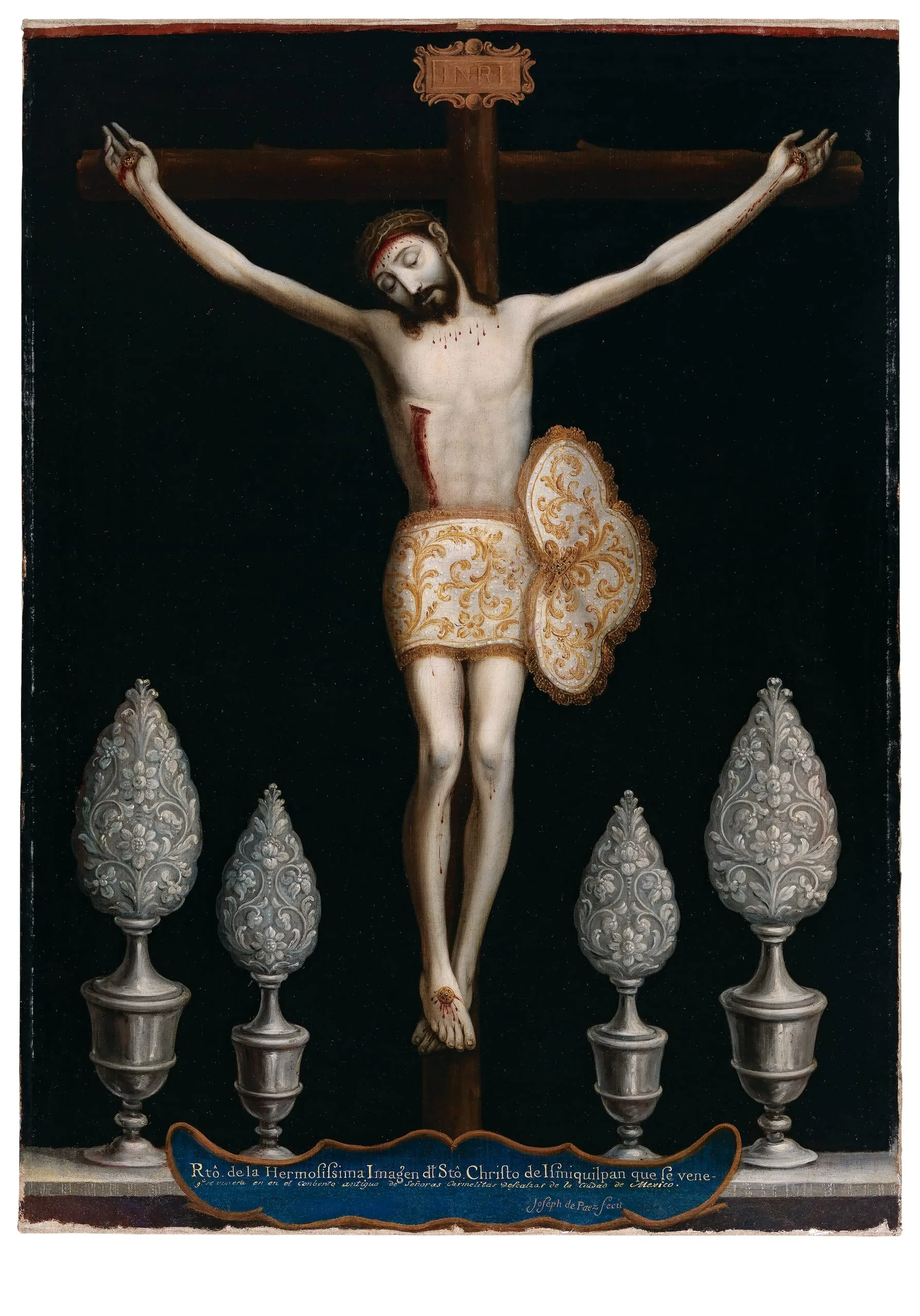
José de Páez
Christ of Ixmiquilpan or “Señor de Santa Teresa” (Cristo de Ixmiquilpan o “Señor de Santa Teresa”), circa 1750-1760
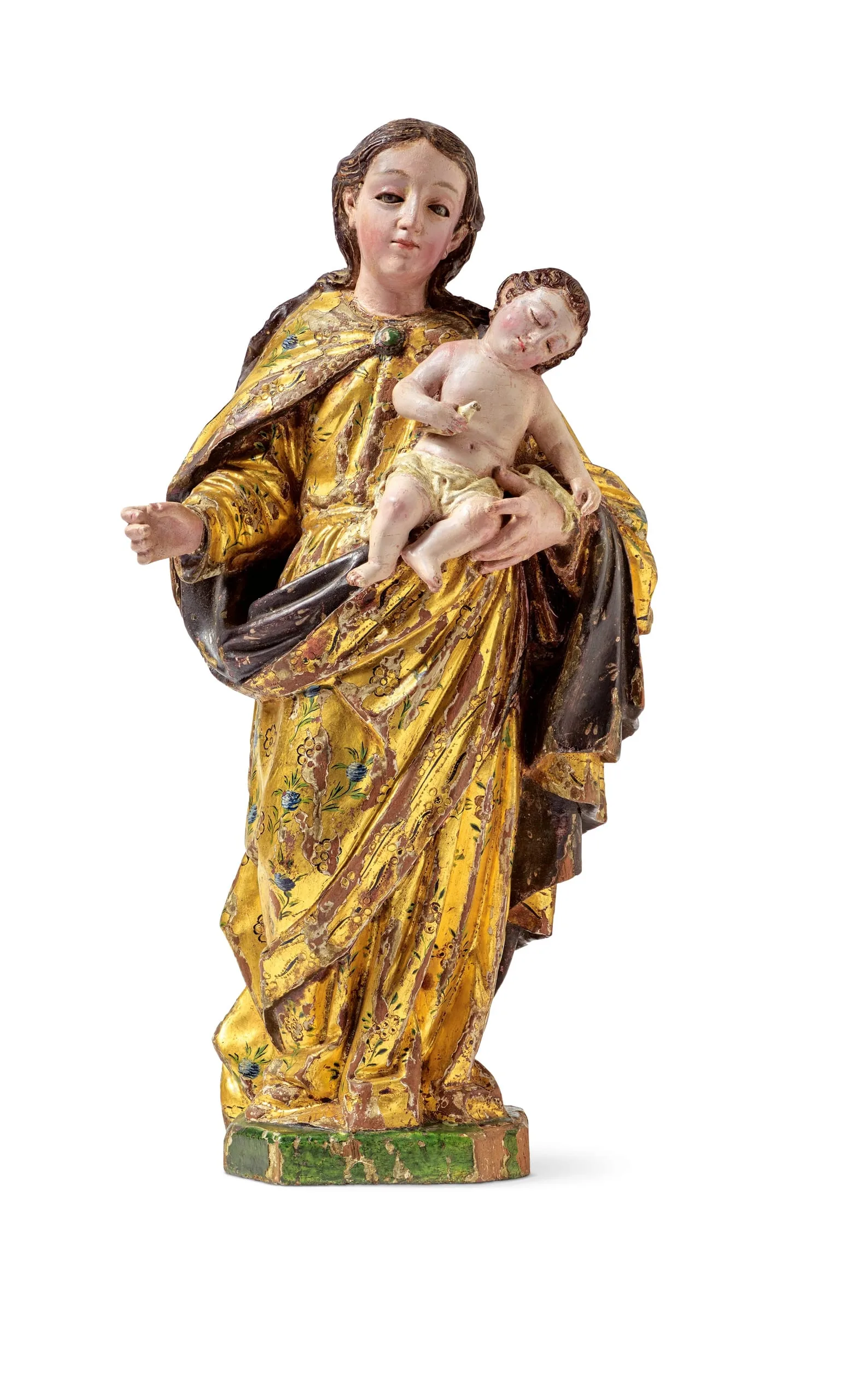
Unidentified sculptor
Virgin of the Rosary (Virgen del Rosario), circa 1750-1800
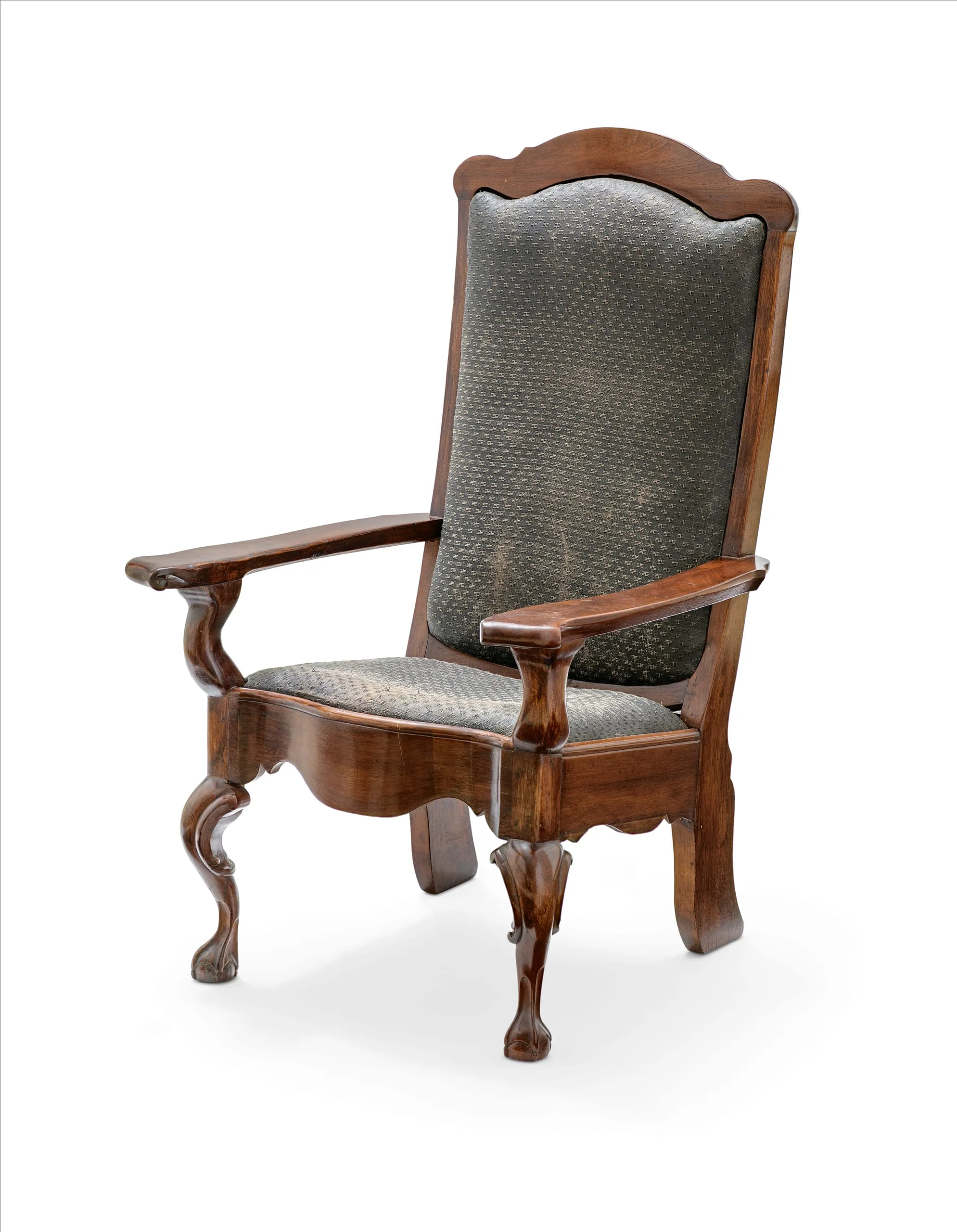
Unidentified artists
Easy Chair (Butaca), second half of the 18th century
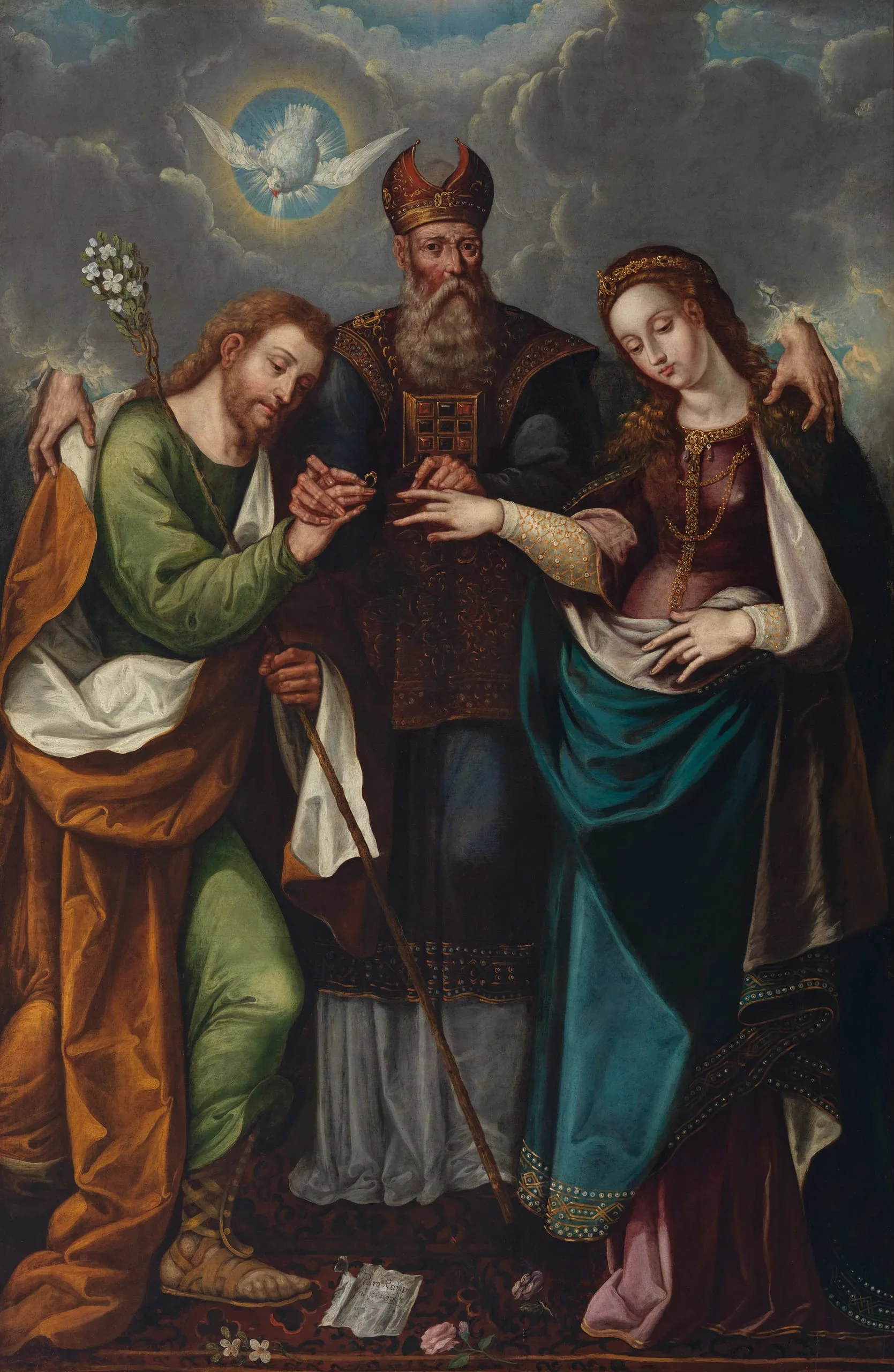
Pedro Ramírez el Mozo
The Marriage of the Virgin (Desposorios de la Virgen), 1668
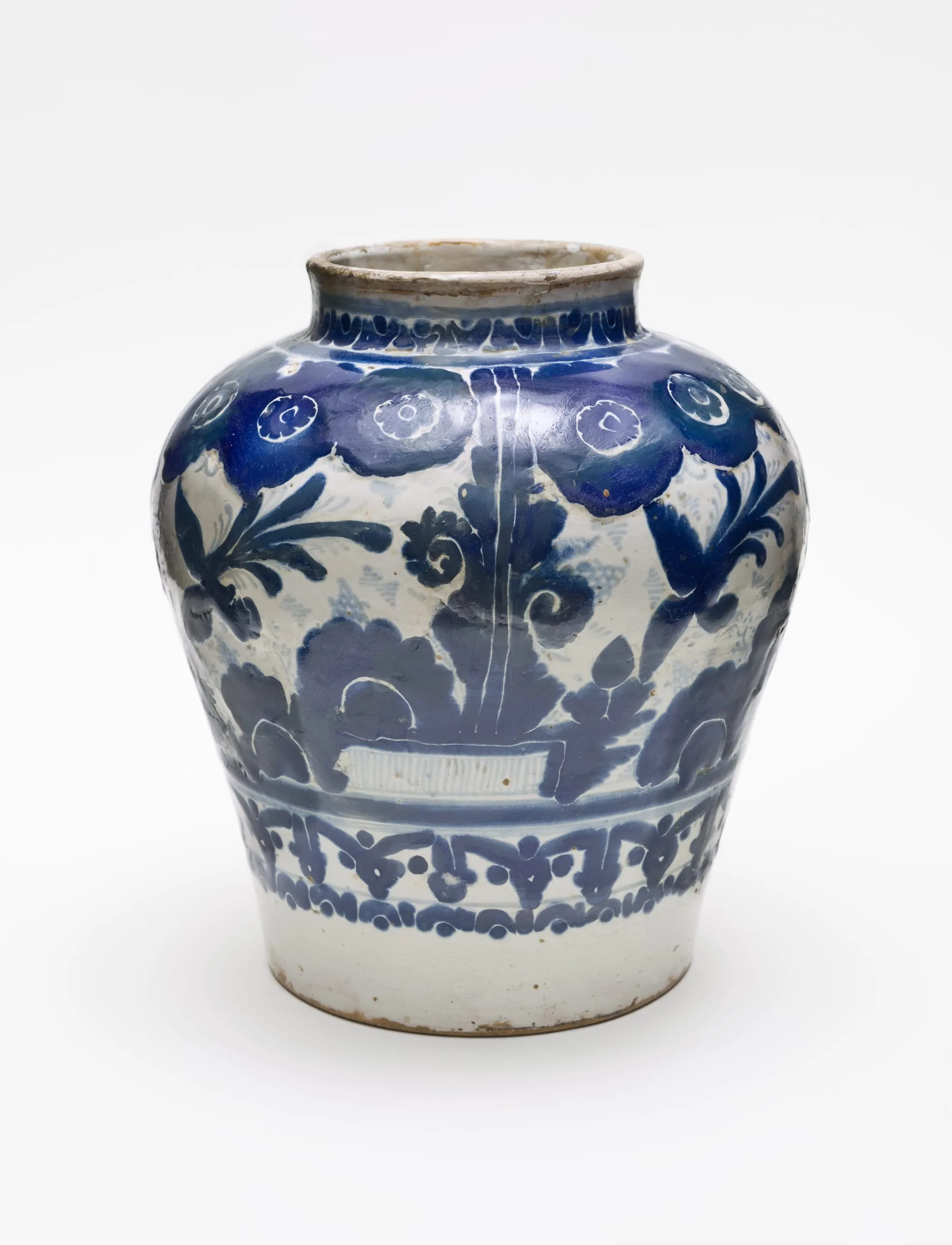
Unidentified artist
Jar (Jarrón), circa 1700-1750
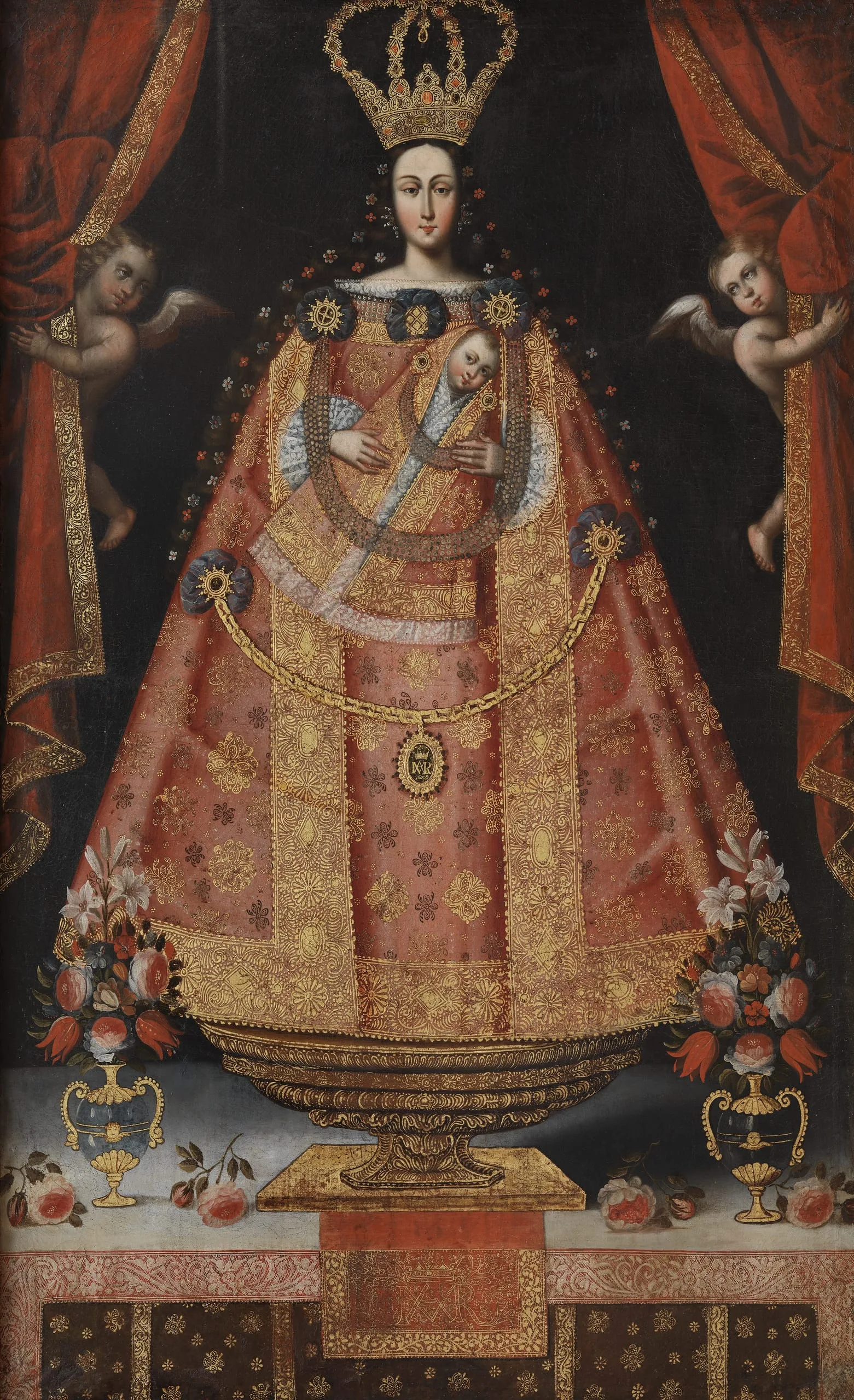
Unidentified artist
Virgin of Bethlehem (Virgen de Belén), circa 1700-1720
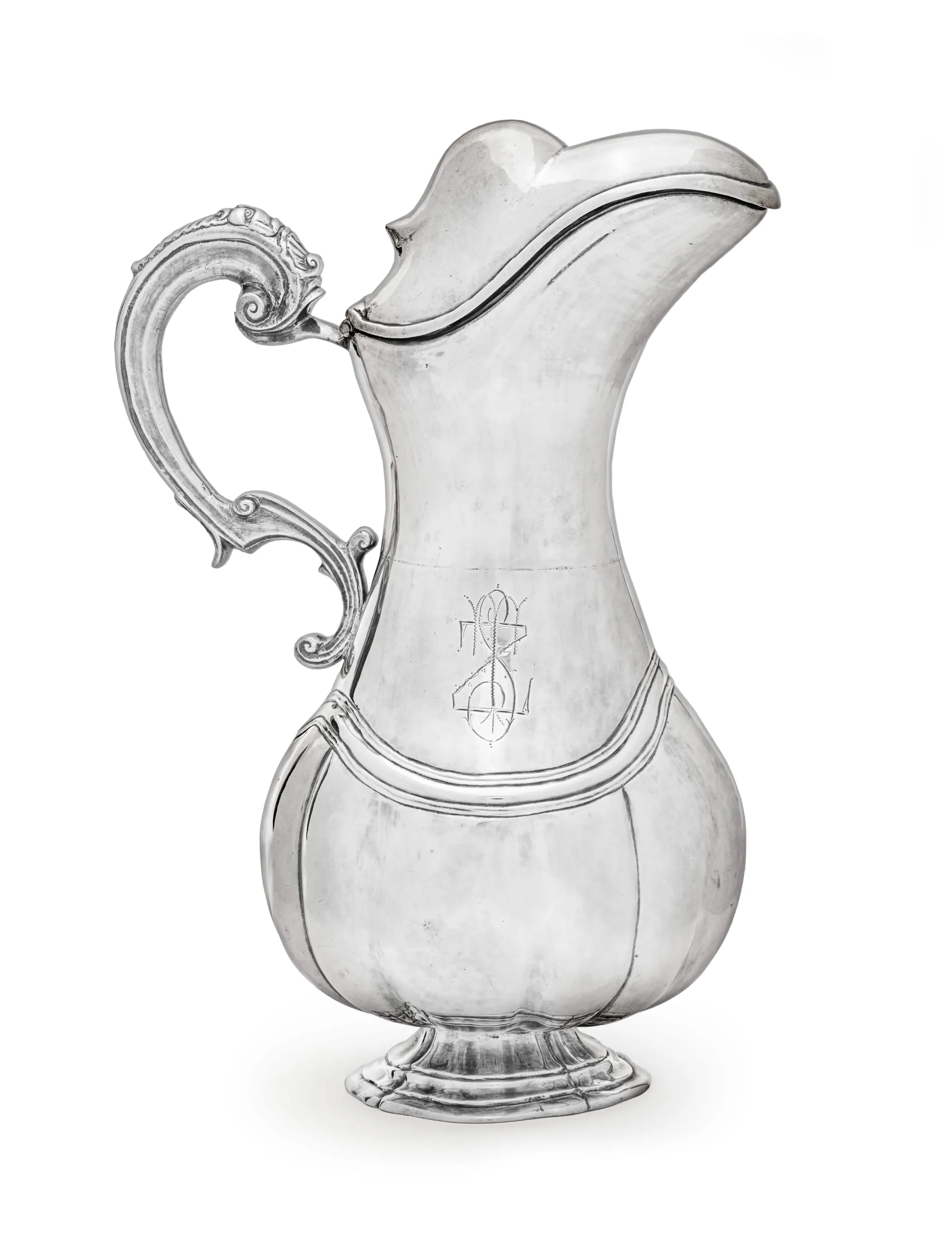
Unidentified artist
Pitcher (Jarra), circa 1765-1775
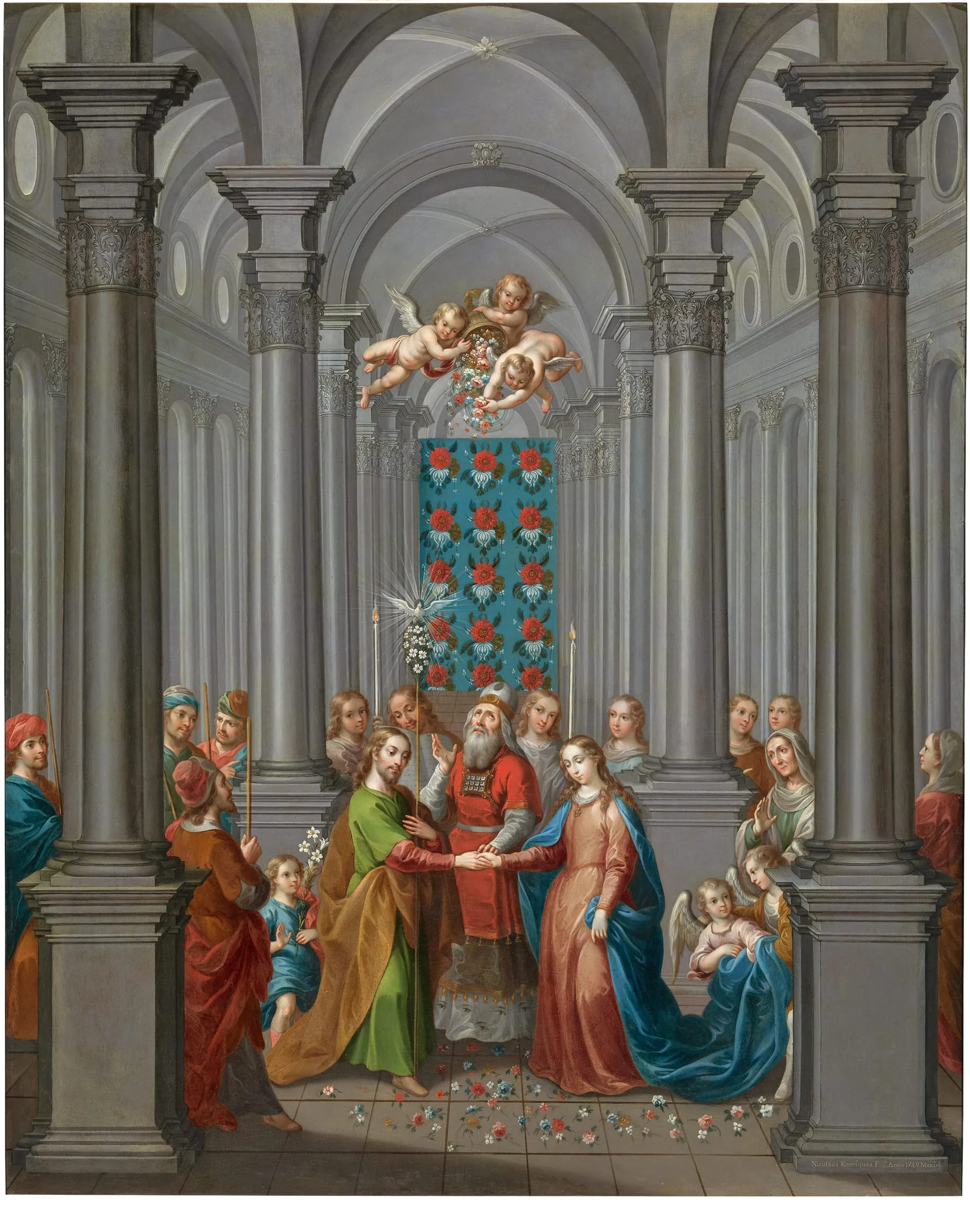
Nicolás Enríquez
The Marriage of the Virgin (Desposorios de la Virgen), 1745
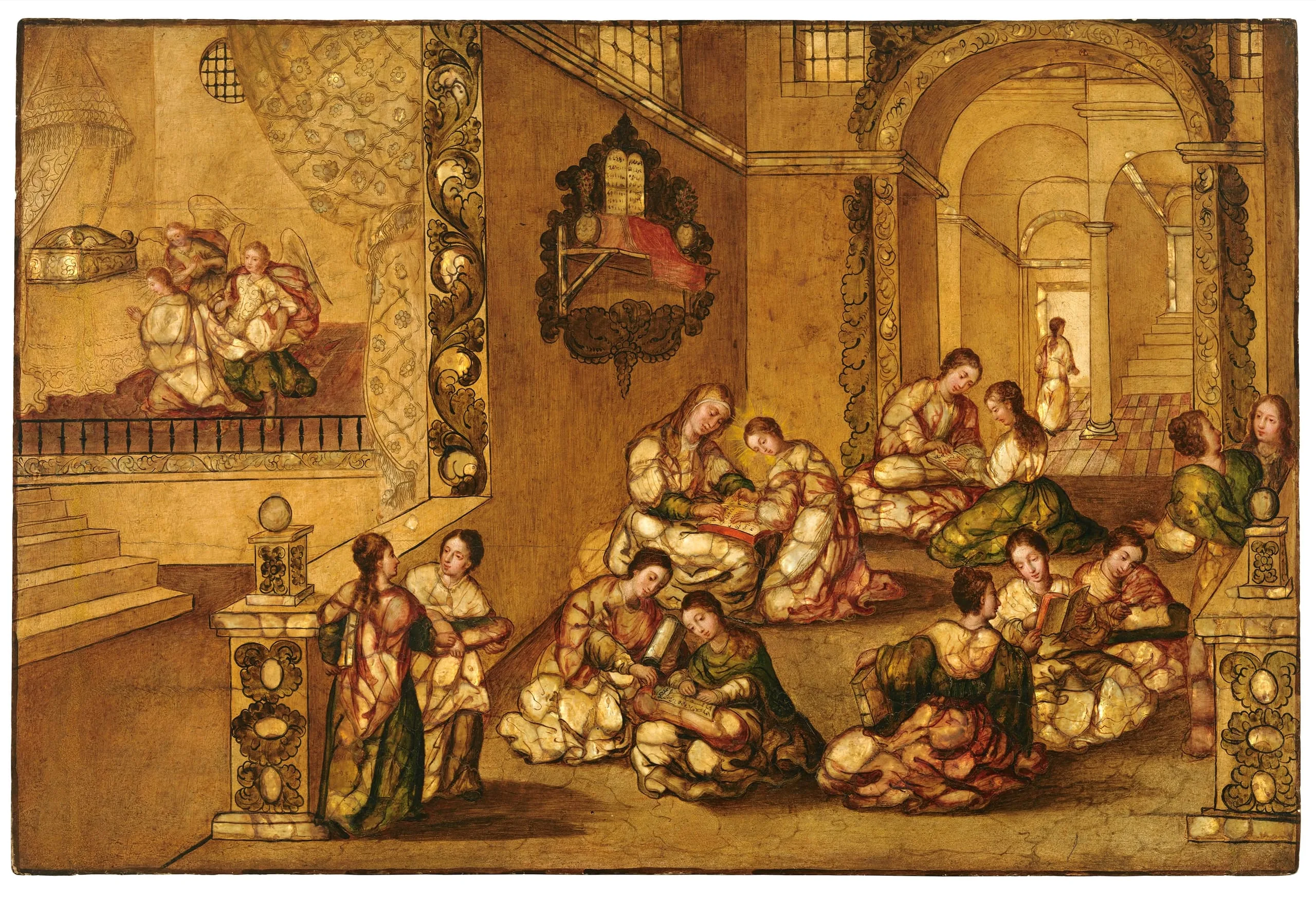
Miguel González
The Education of the Virgin (La educación de la Virgen), circa 1698
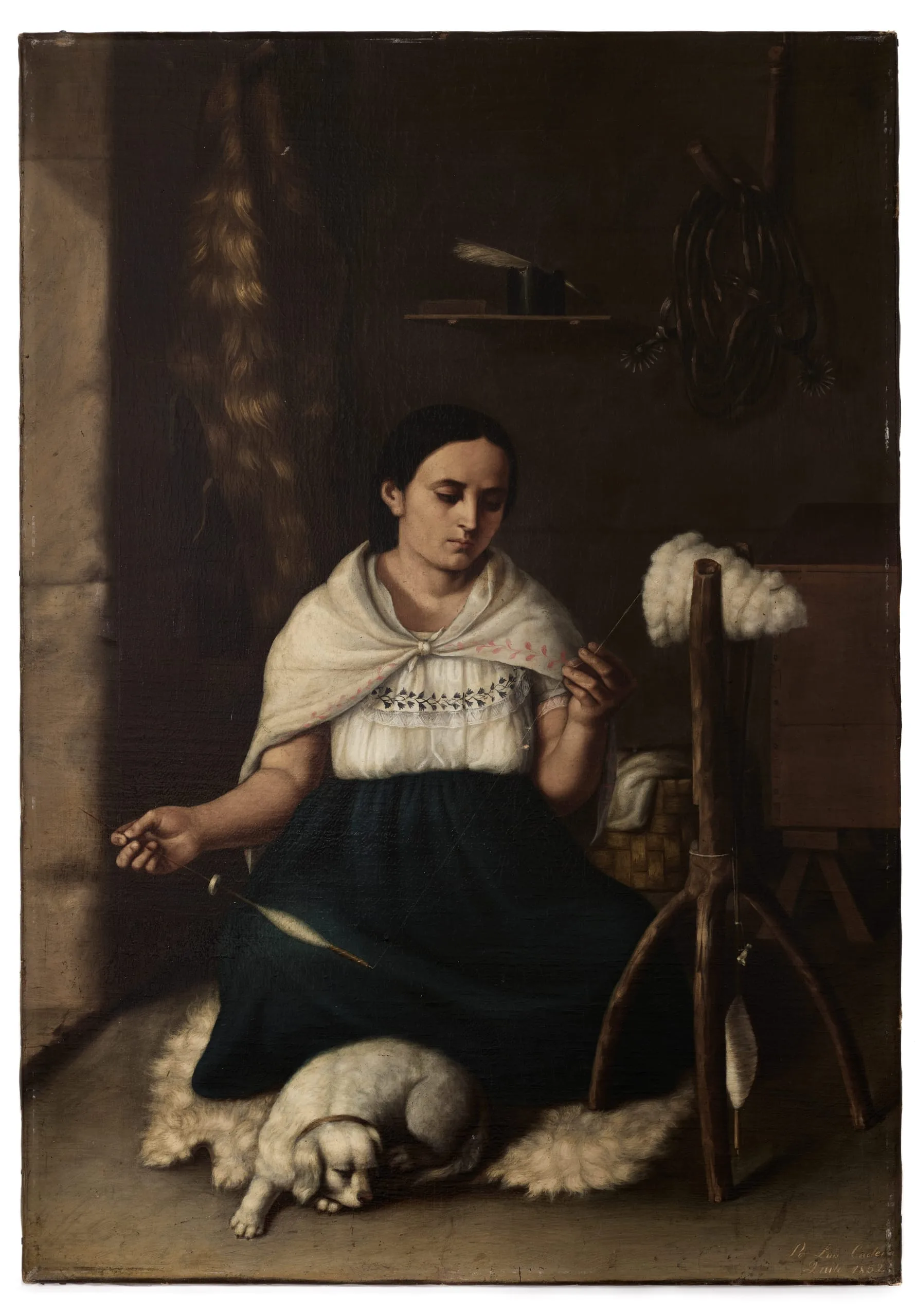
Luis Cadena
Spinning Peasant (Campesina hilandera), 1852
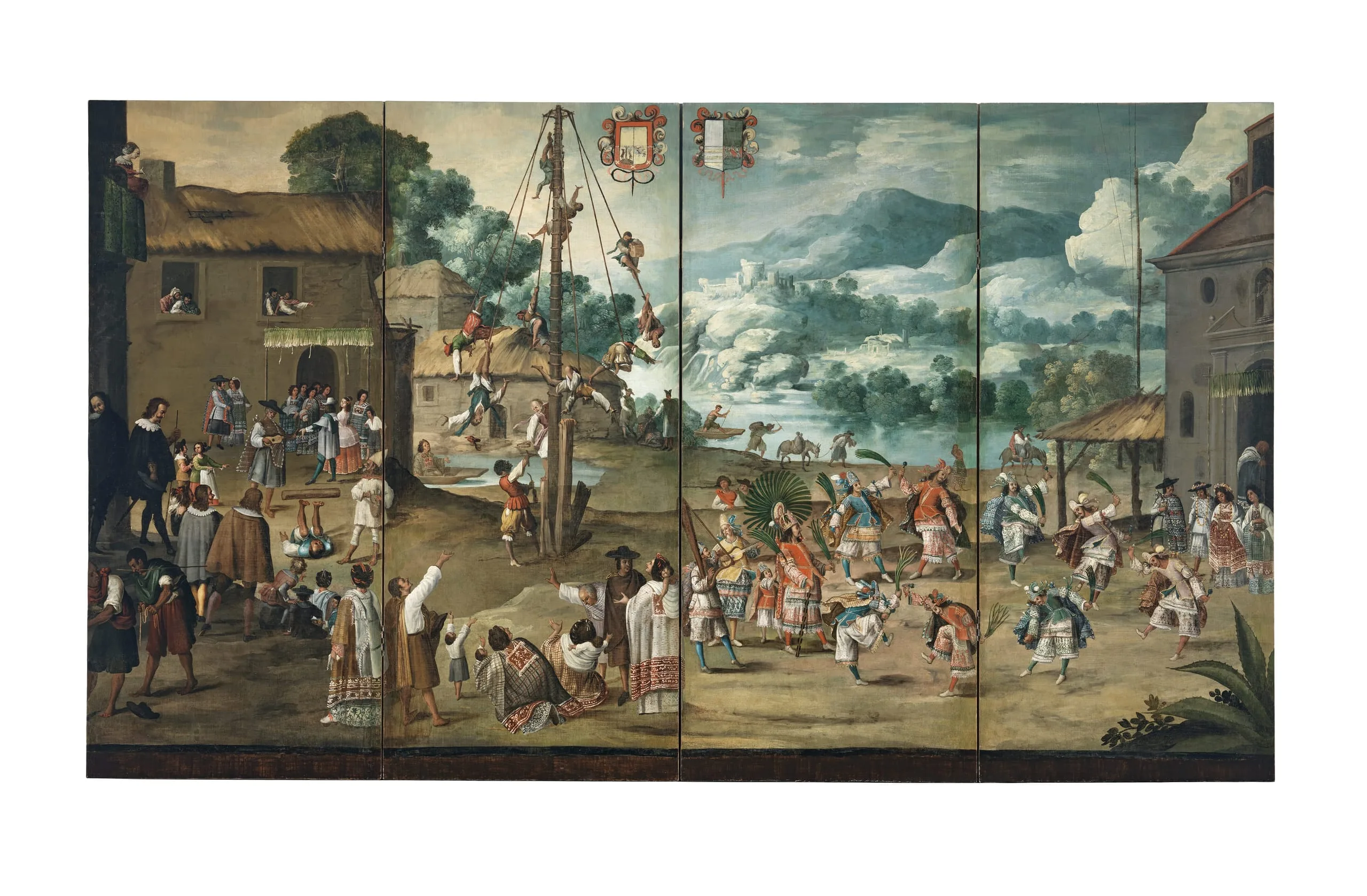
Unidentified artist
Folding Screen with Indian Wedding, Mitote, and Flying Pole (Biombo con desposorio indígena, mitote y palo volador), circa 1660-1690
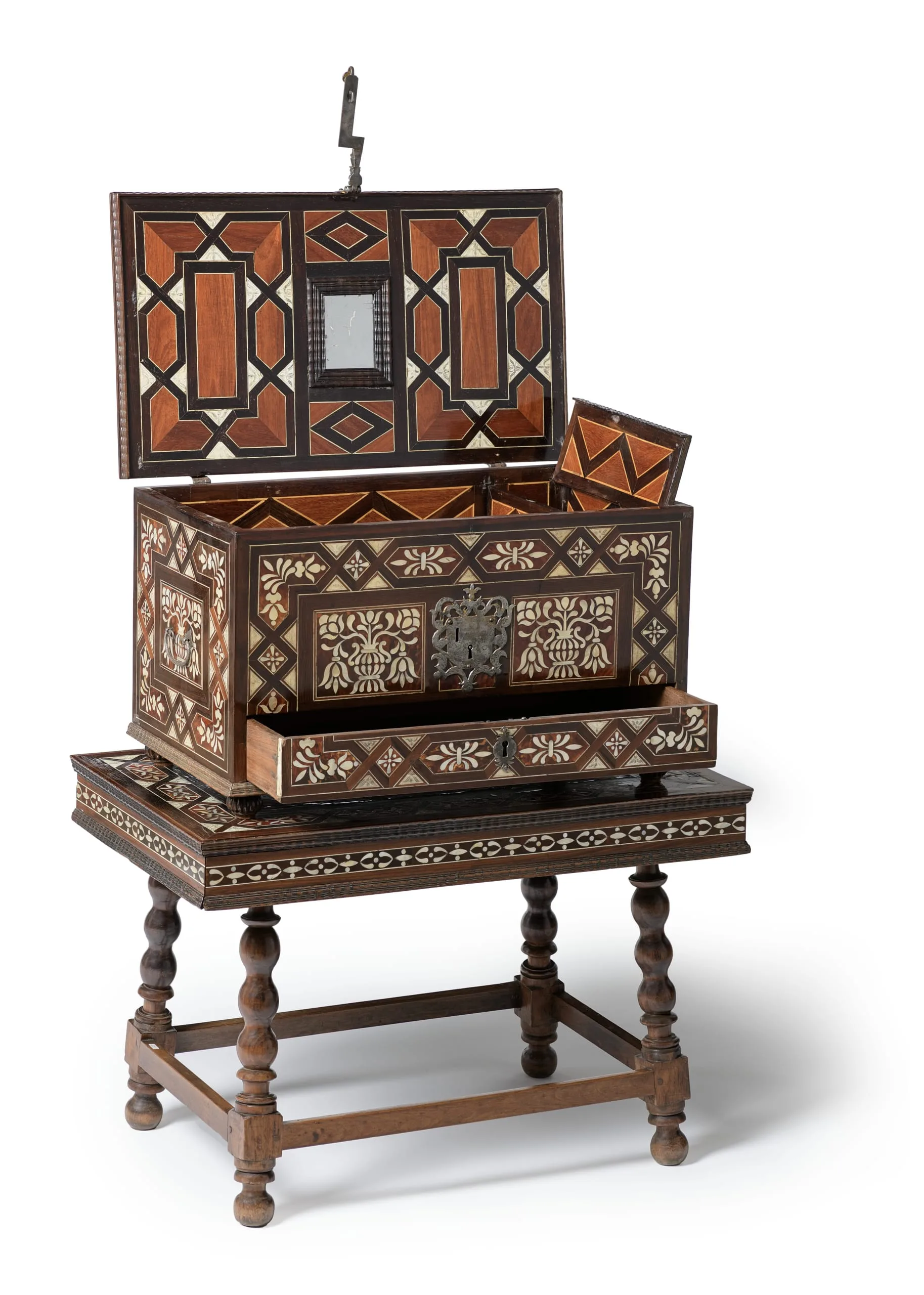
Unidentified artist
Chest with Matching Stand (Caja con bufete a juego), 18th century
![View of the City and Port of Bayonne (From the series Ports of France) (Vista de la villa y puerto de Bayona [De la serie Puertos de Francia])](https://collections-images.lacma.org/images/139946/139946-1-primary.webp)
Juan Patricio Morlete Ruiz
View of the City and Port of Bayonne (From the series Ports of France) (Vista de la villa y puerto de Bayona [De la serie Puertos de Francia]), 1771
![View of the Old Port of Toulon (From the series Ports of France) (Vista del puerto viejo de Tolón [De la serie Puertos de Francia])](https://collections-images.lacma.org/images/140006/140006-1-primary.webp)
Juan Patricio Morlete Ruiz
View of the Old Port of Toulon (From the series Ports of France) (Vista del puerto viejo de Tolón [De la serie Puertos de Francia]), 1771
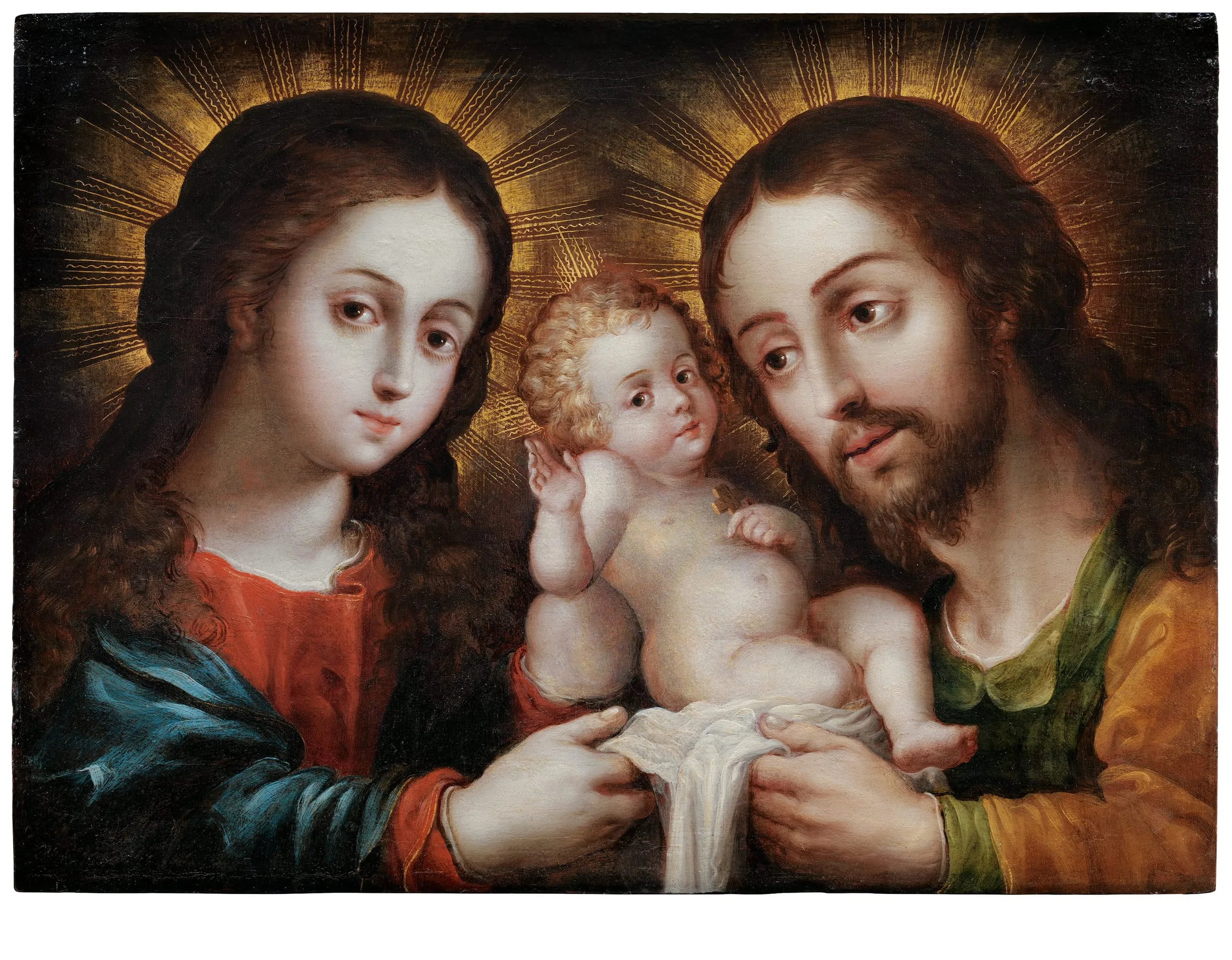
Nicolás Rodríguez Juárez
The Holy Family (La Sagrada Familia), late 17th-early 18th century
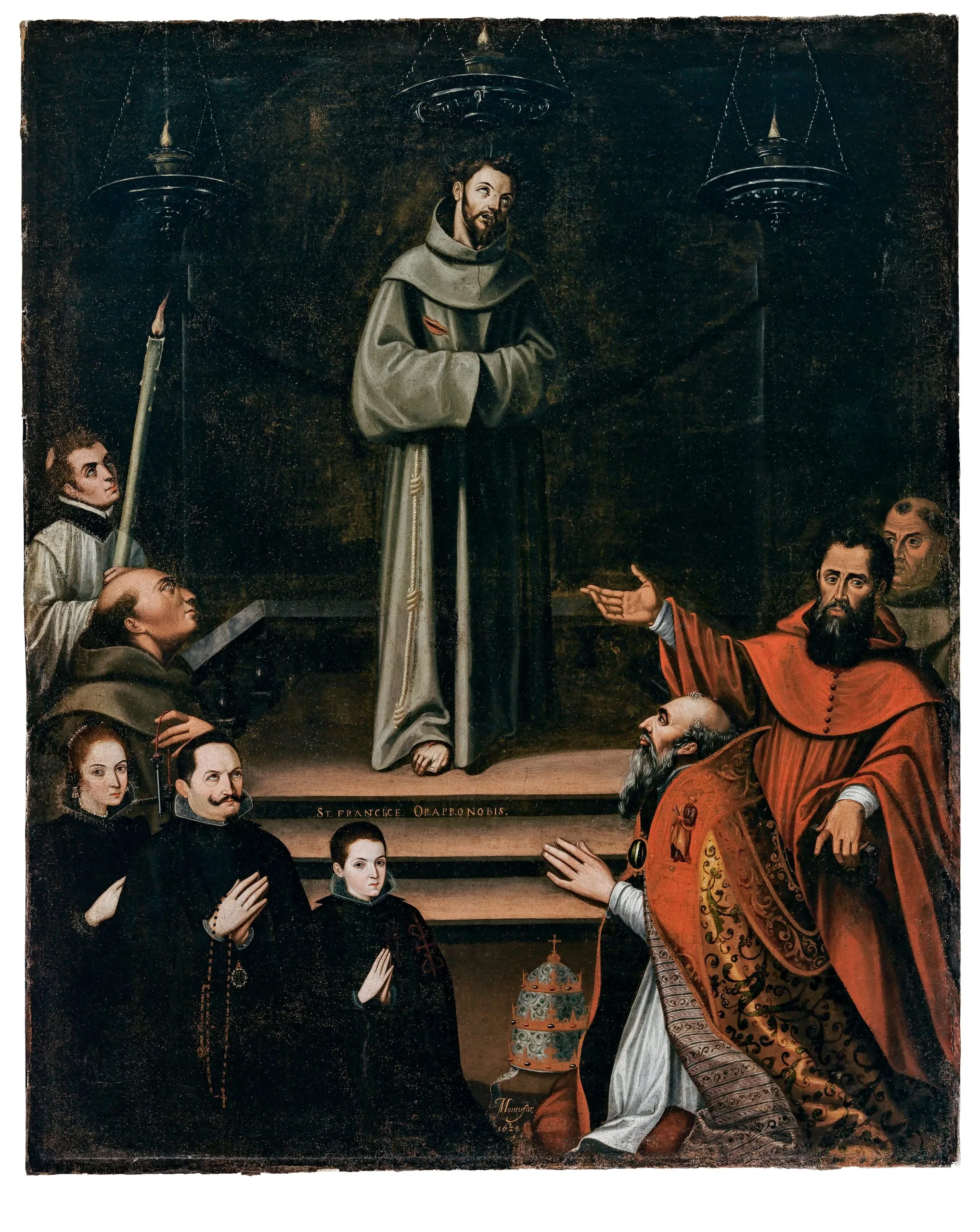
Antonio Montúfar
Saint Francis Appearing before Pope Nicholas V, with Donors (La aparición de san Francisco al Papa Nicolás V, con donantes), 1628
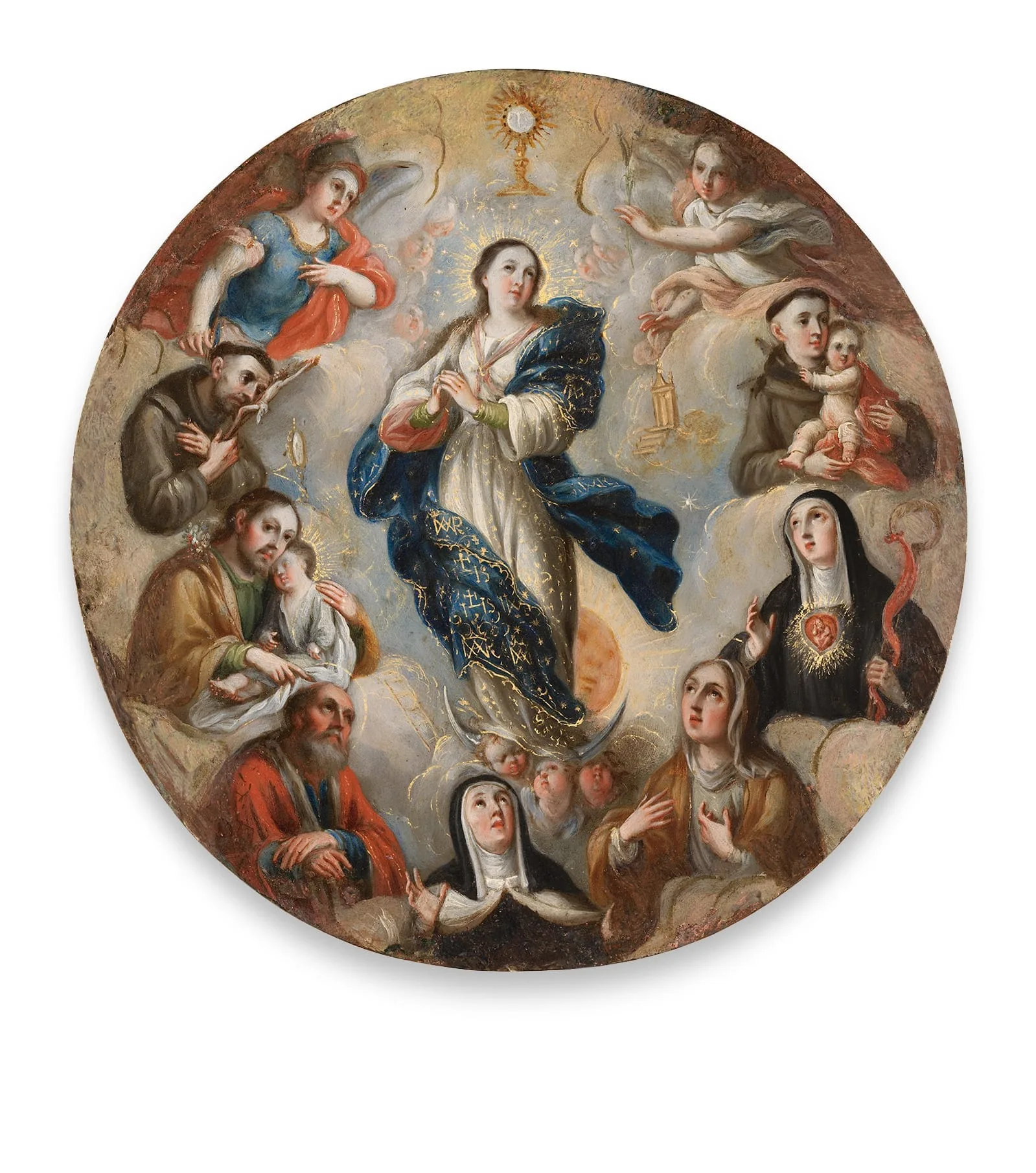
Attributed to Antonio de Torres
Nun’s Badge with the Immaculate Conception and Saints (Medallón de monja con la Inmaculada Concepción y santos), circa 1720