Collections
Spanish Colonial Art
The collection of Spanish colonial art presents the artistic achievements of Latin America, from Columbus’s first encounter with the people of the Caribbean through the region’s independence movements and the subsequent formation of nation states. In 1492, Columbus’s world-changing voyage joined the vast network of trade routes between Asia, Europe, and Africa to the sophisticated system of trade and interaction that already existed in the Americas. Not long after, Portugal colonized Brazil, and Spain created the viceroyalties of New Spain (present-day Mexico and Central America) and Peru (present-day South America except for the southern region and Brazil). With the blessing of the pope, the Spanish and Portuguese monarchs began converting the indigenous peoples to Christianity, and set up new administrative, juridical, and economic systems. Before the end of the sixteenth century, trade with Japan and China was established via the Spanish colony of the Philippines and the Manila galleons. Complex multiracial societies developed as Amerindians, Europeans, Asians, and Africans (who accompanied the early European expeditions as slaves) mixed.
The various forms of art produced throughout Latin America reflect the seminal changes in the development of new identities. The swiftness with which Europeans established themselves in the New World prompted a huge demand for artistic creations, especially with the founding of large religious institutions. Both fine and decorative arts flourished, reflecting the convergence of native and foreign traditions.
- Ilona Katzew, 2008
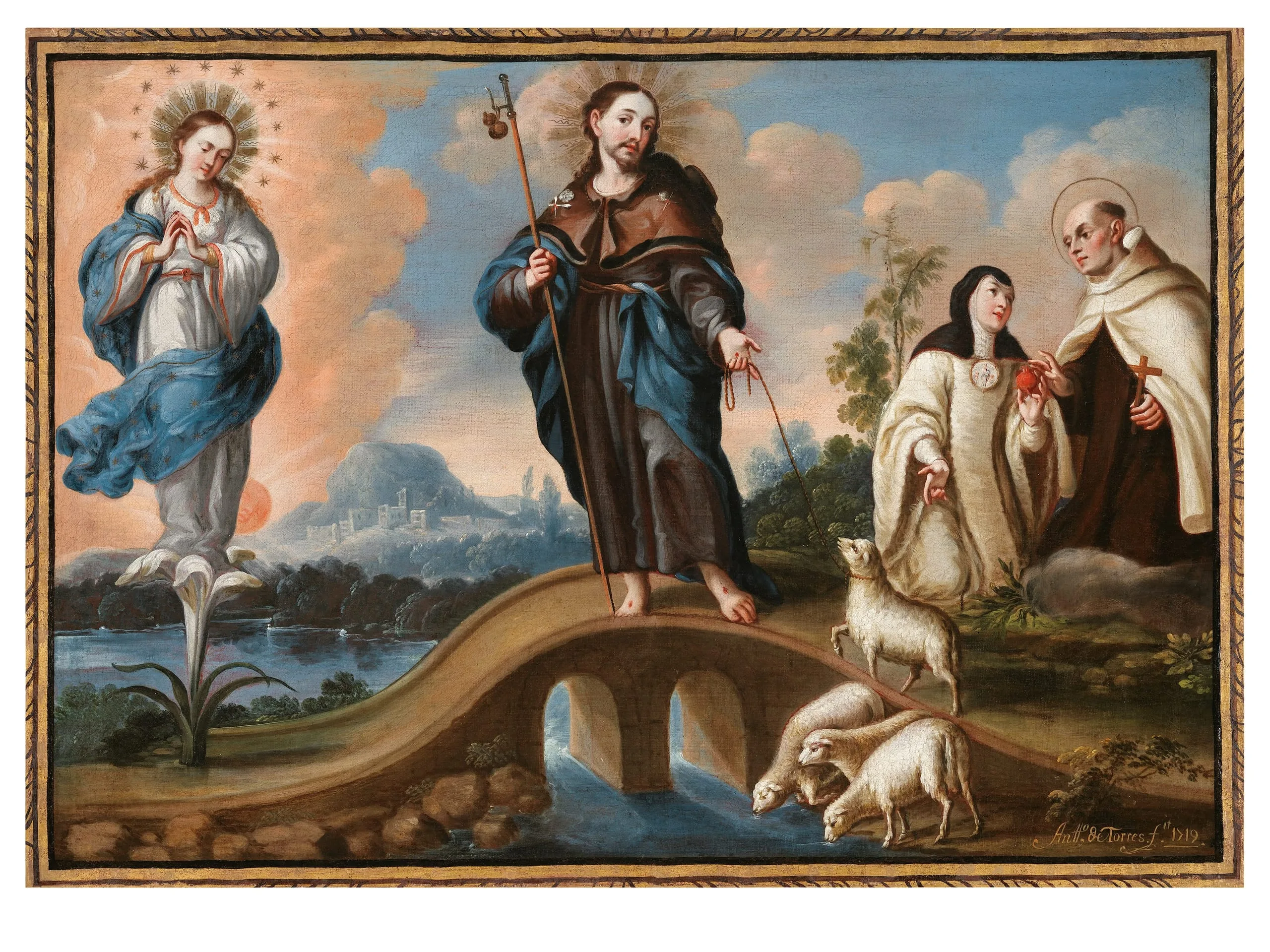
Antonio de Torres
Sacred Conversation with the Immaculate Conception and the Divine Shepherd (Sacra Conversación con la Inmaculada Concepción y el Divino Pastor), 1719
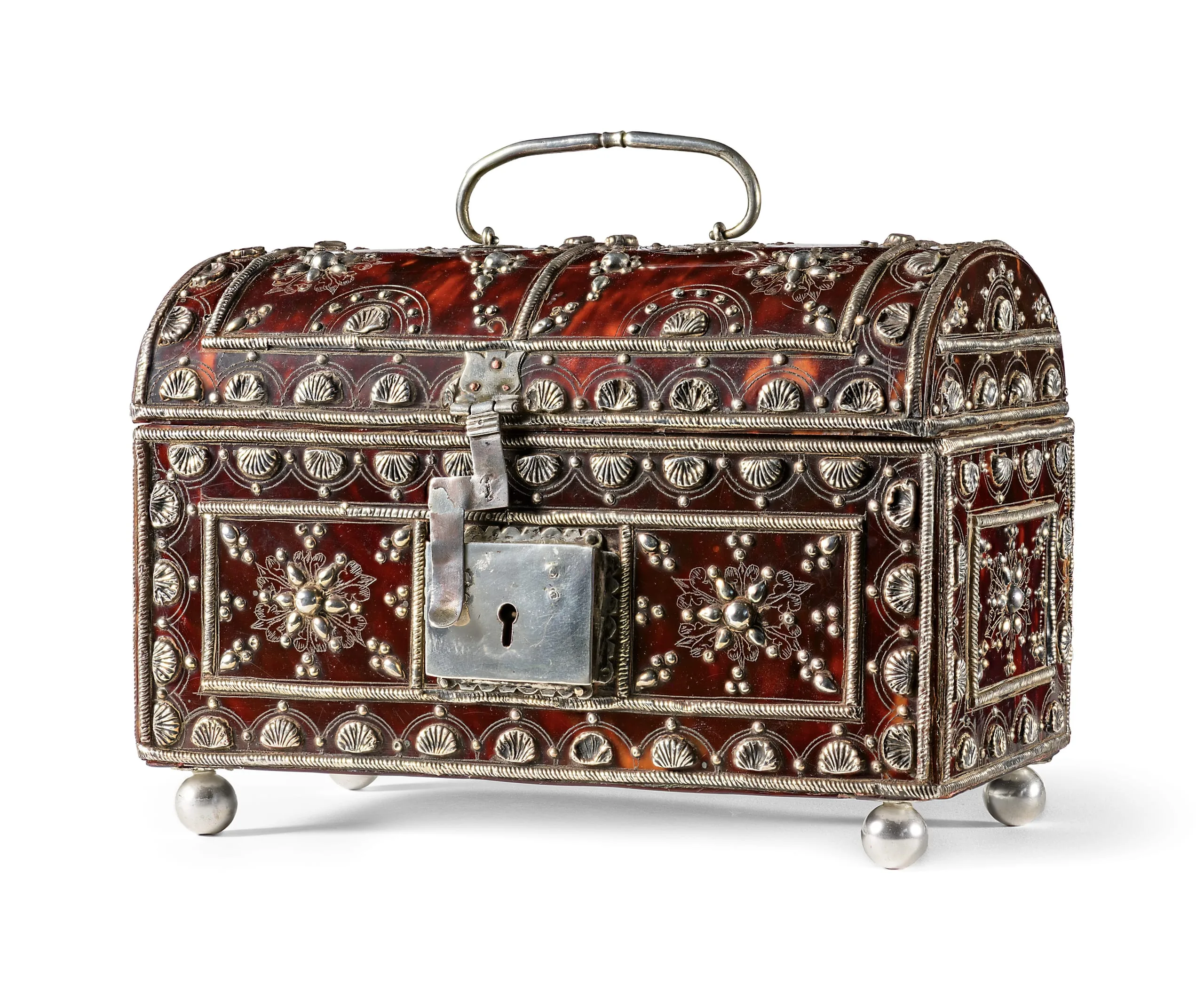
Ildefonso de Zúñiga
Casket (Arqueta), 1736
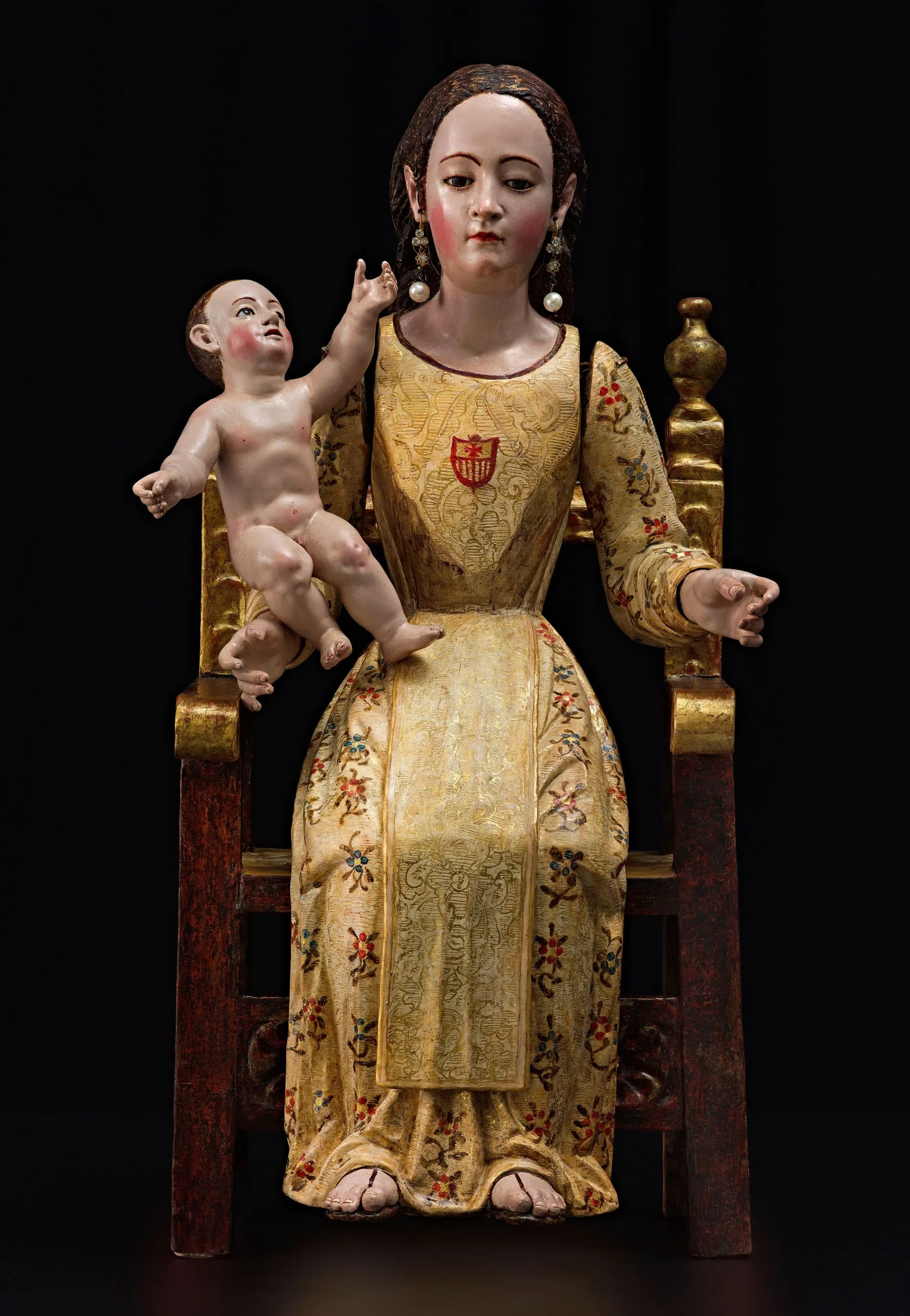
Unidentified sculptor and polychromer
Dressing Image of the Virgin of Mercy or “The Pilgrim of Quito” (Imagen vestidera de la Virgen de la Merced o “Peregrina de Quito”), circa 1700-1750
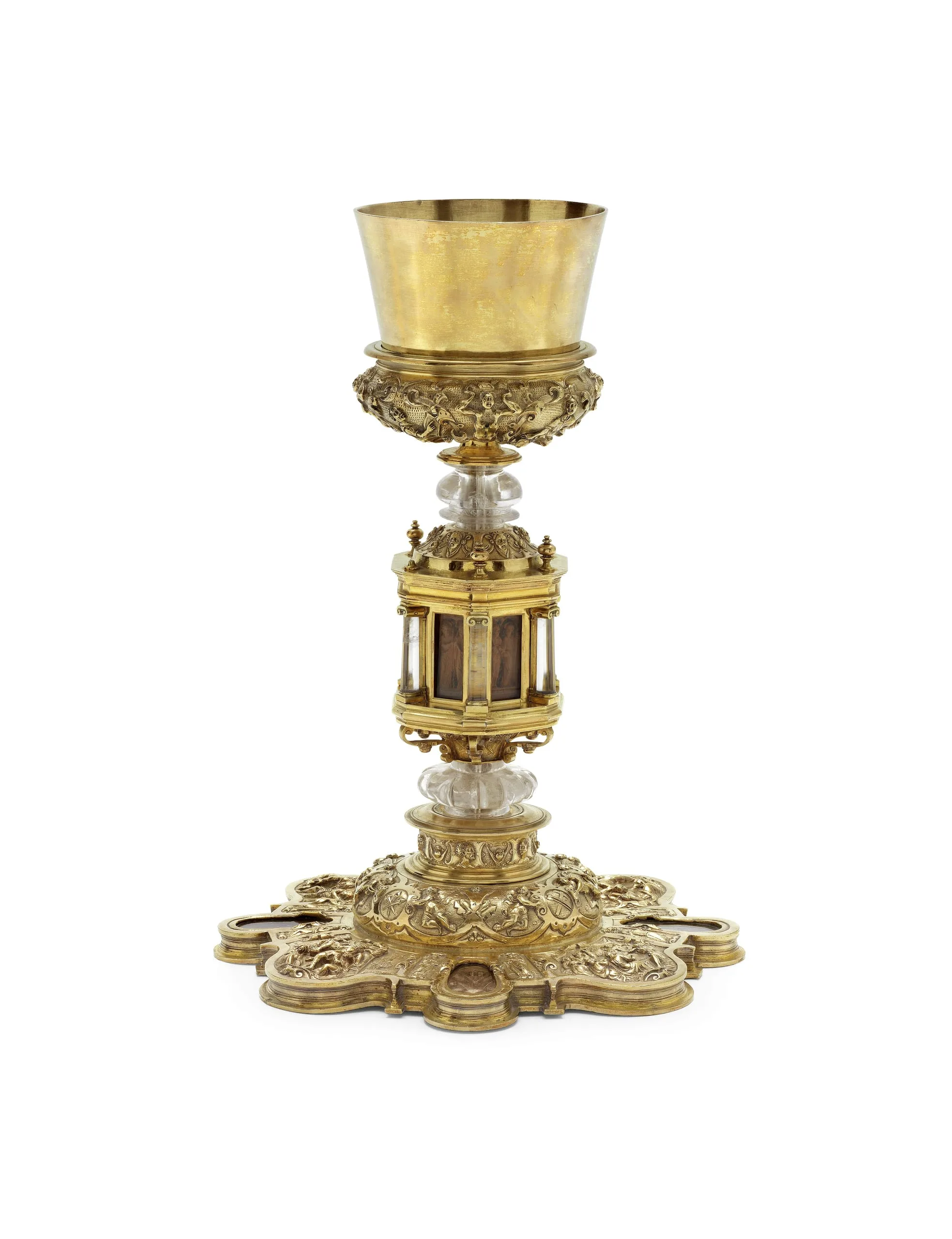
Unidentified artists
Chalice (Cáliz), 1575-1578
![View of the City and Harbor of Toulon (From the series Ports of France) (Vista de la villa y rada de Tolón [De la serie Puertos de Francia])](https://collections-images.lacma.org/images/139978/139978-1-primary.webp)
Juan Patricio Morlete Ruiz
View of the City and Harbor of Toulon (From the series Ports of France) (Vista de la villa y rada de Tolón [De la serie Puertos de Francia]), 1771
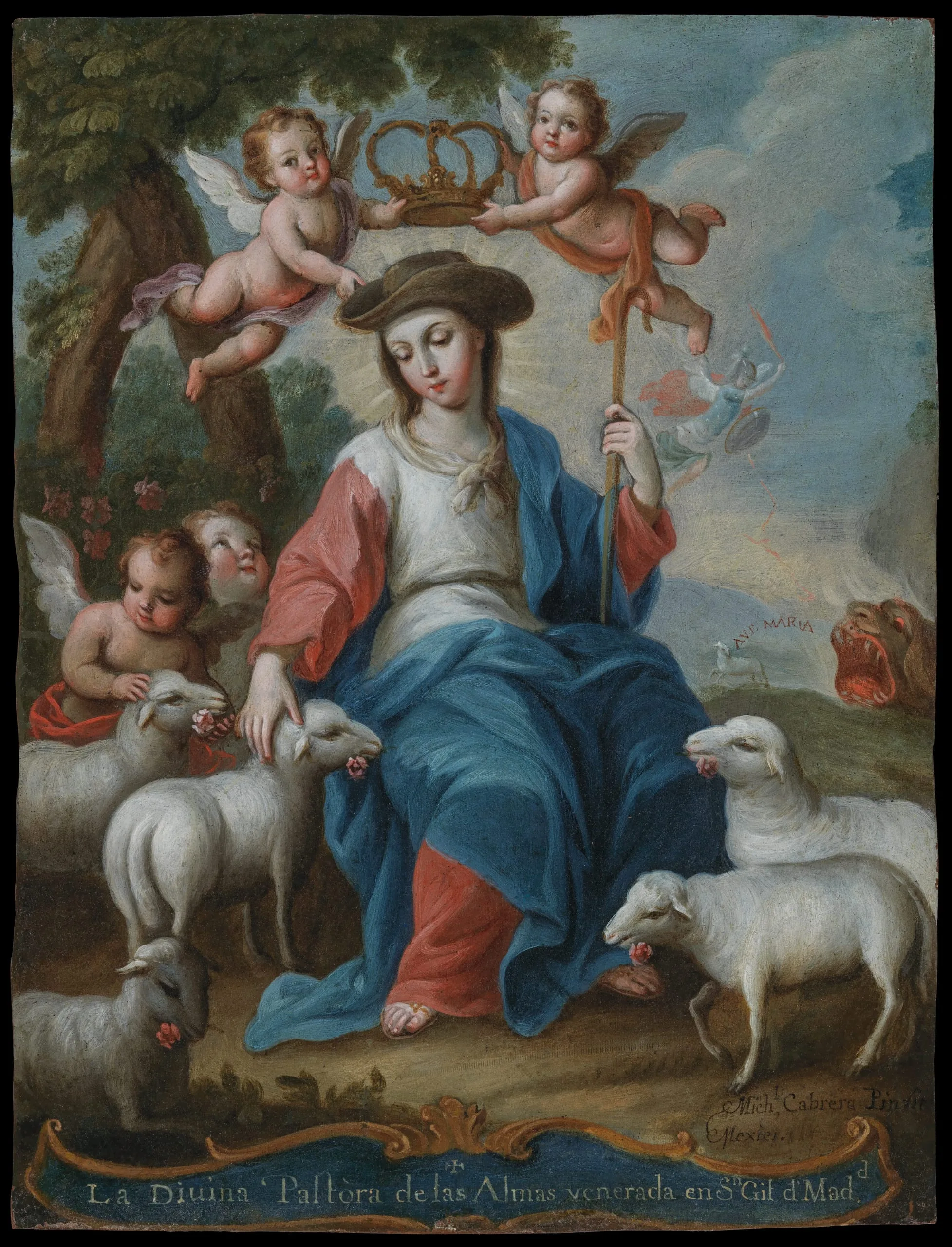
Miguel Cabrera
The Divine Shepherdess (La Divina Pastora), circa 1760
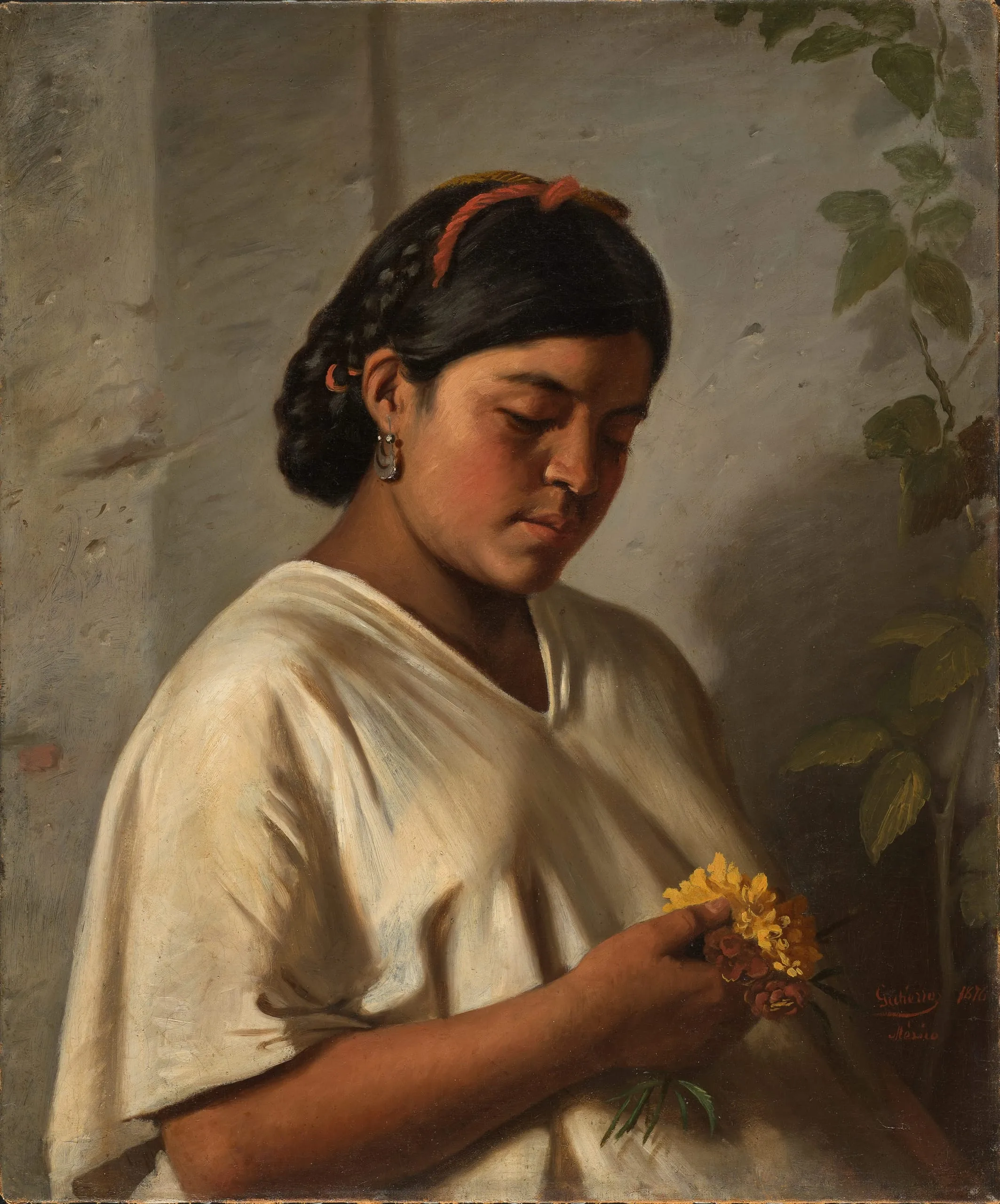
Felipe Santiago Gutiérrez
Indigenous Woman with Marigolds (Mujer indígena con cempasúchiles), 1876
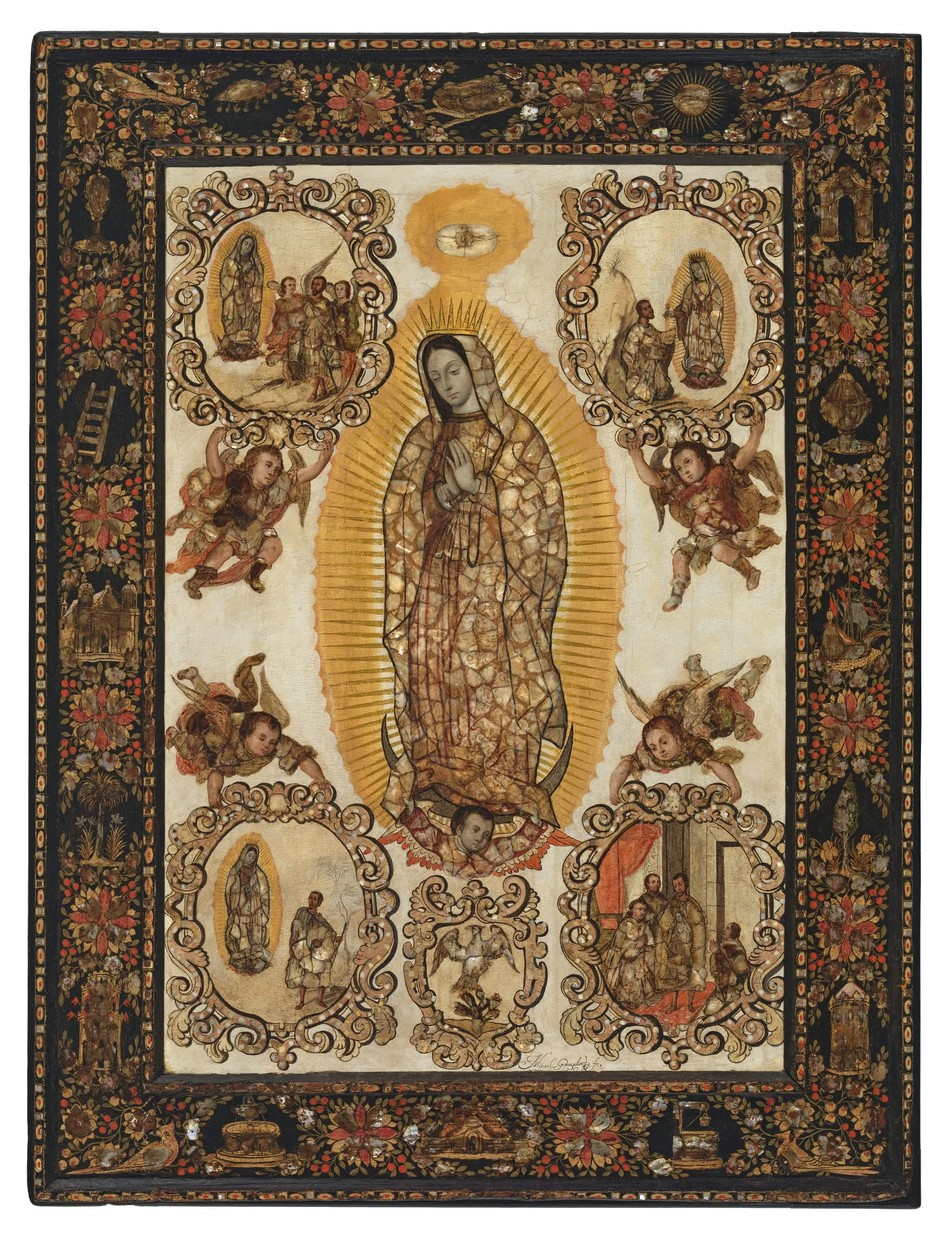
Miguel González
The Virgin of Guadalupe (Virgen de Guadalupe), circa 1690
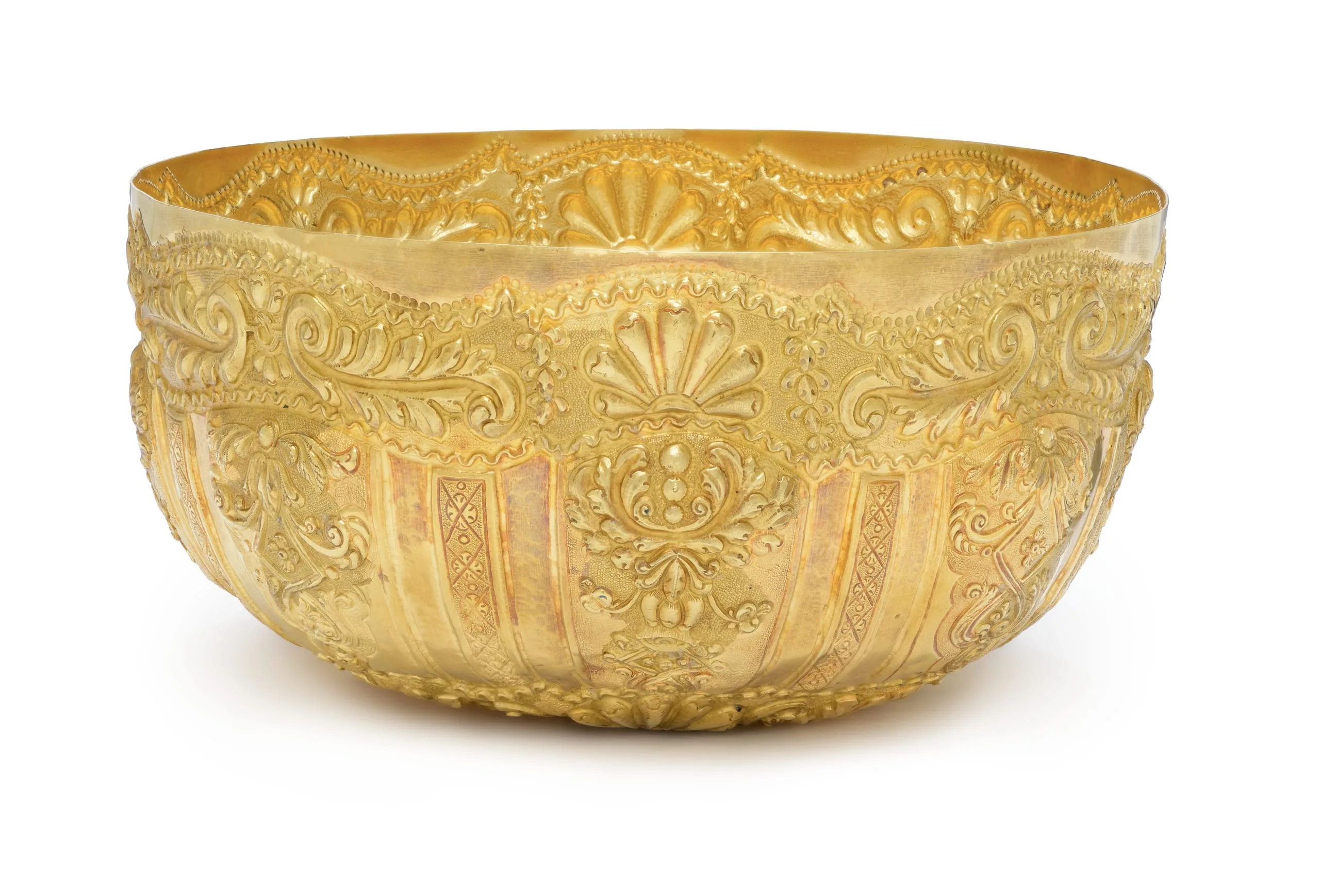
Unidentified artist
Manioc Flour Bowl (Farinheira), mid-18th century
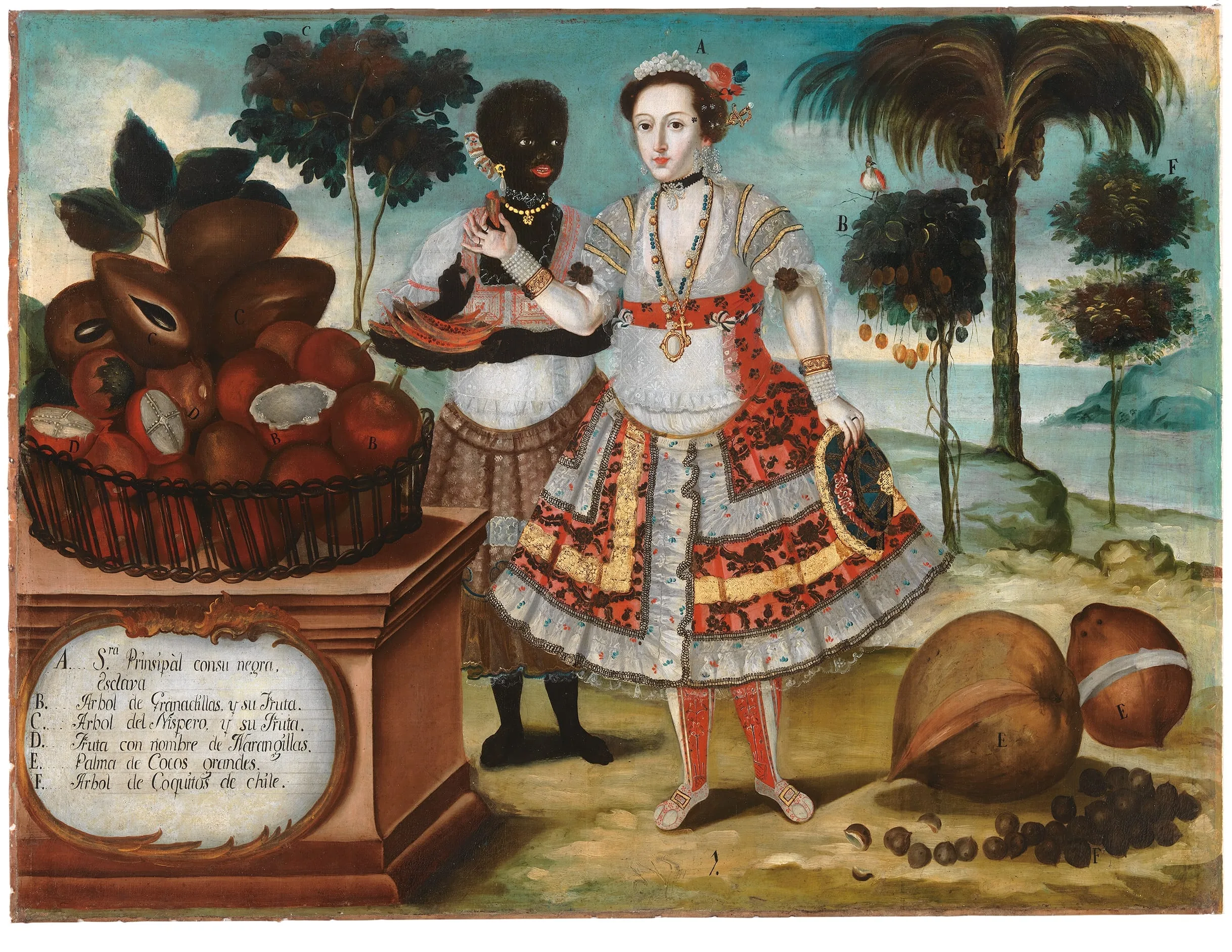
Vicente Albán
Noble Woman with Her Black Slave (Señora principal con su negra esclava), circa 1783
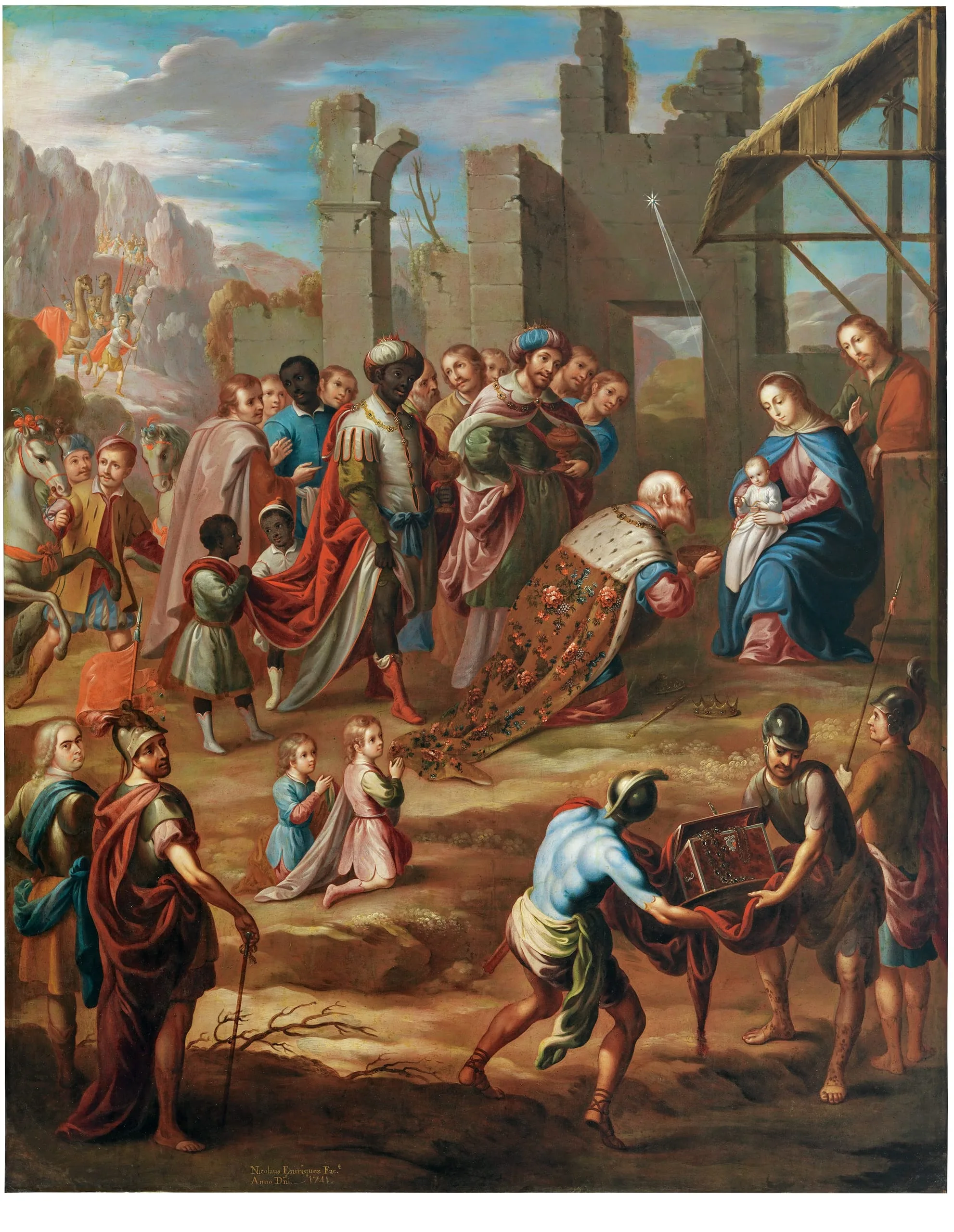
Nicolás Enríquez
The Adoration of the Kings with Viceroy Pedro de Castro y Figueroa, Duke of La Conquista (La adoración de los reyes con el virrey Pedro de Castro y Figueroa, duque de la Conquista), 1741
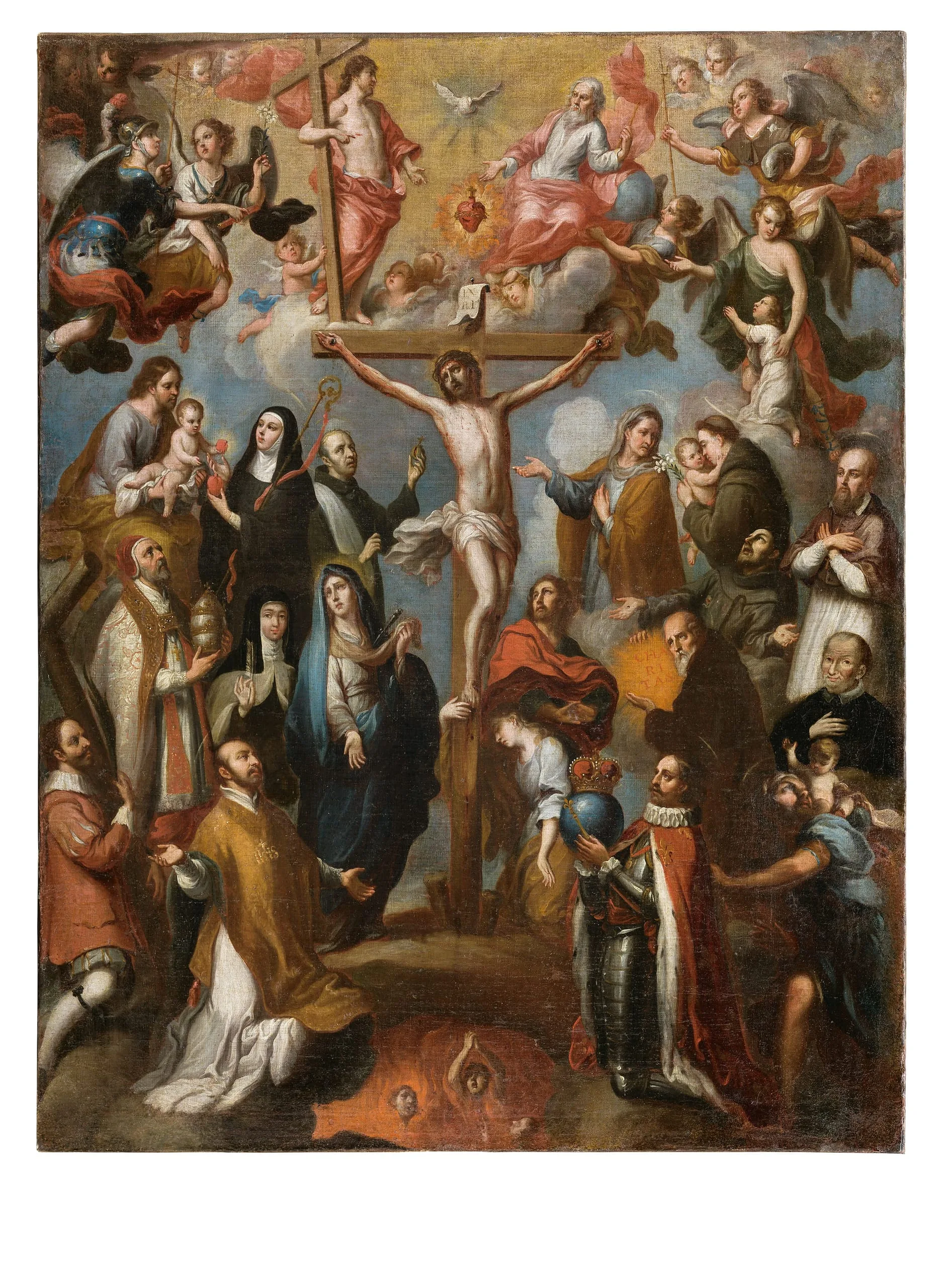
Attributed to Francisco Antonio Vallejo
Allegory of the Crucifixion with Jesuit Saints (Alegoría de la Crucifixión con santos jesuitas), circa 1770
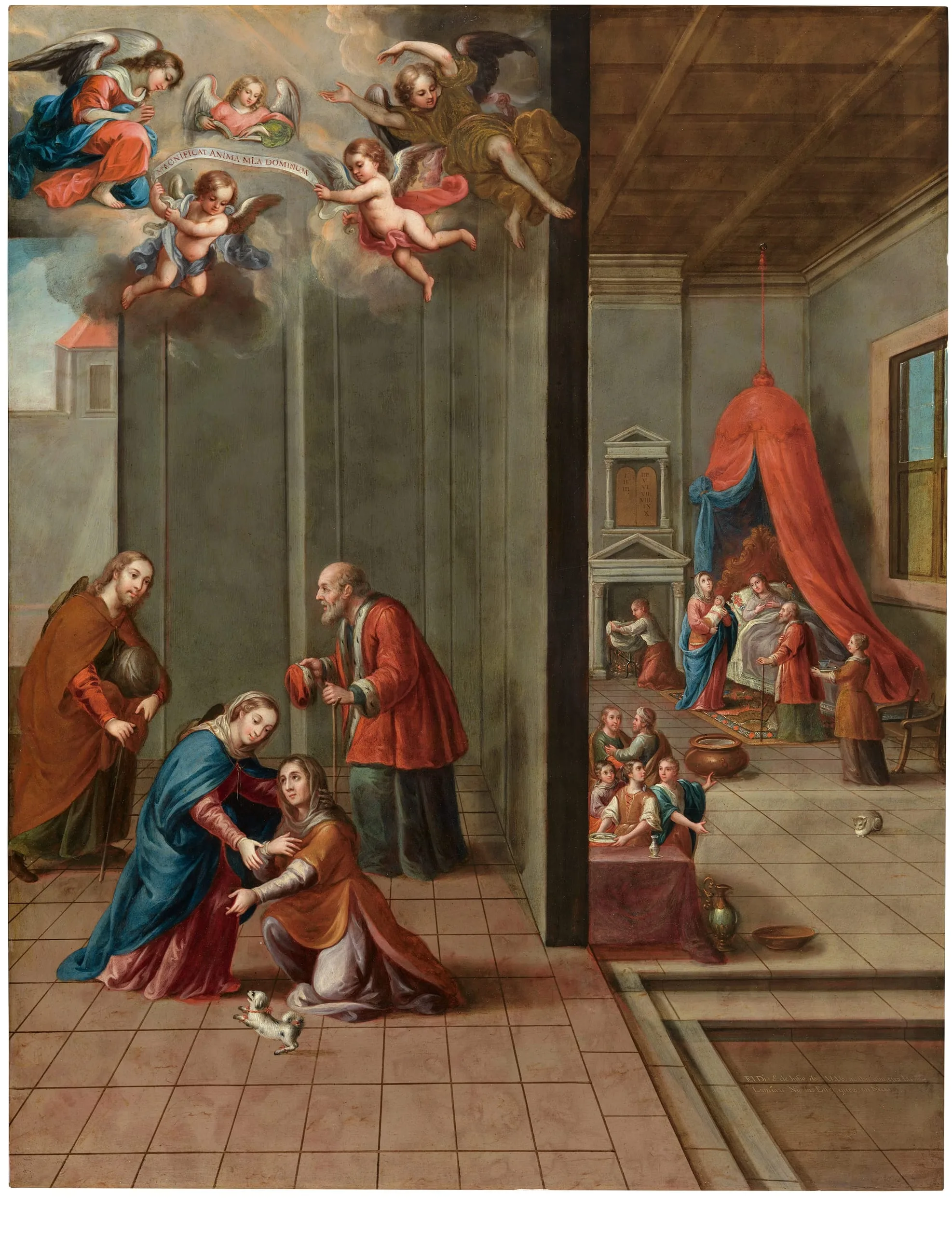
Nicolás Enríquez
The Visitation and the Birth of Saint John the Baptist (La visitación y el nacimiento de san Juan Bautista), 1746
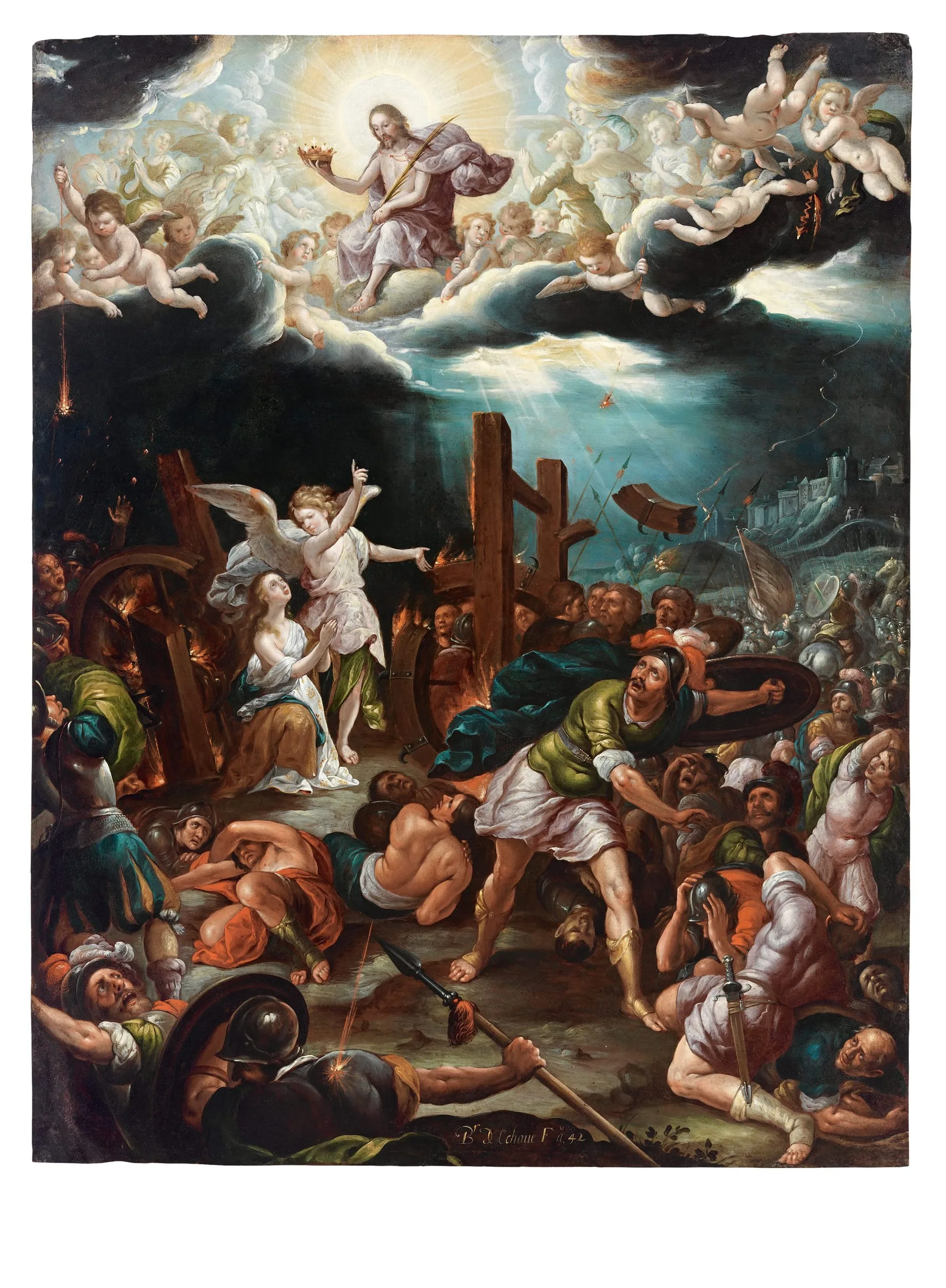
Baltasar de Echave Ibía
The Martyrdom of Saint Catherine of Alexandria (El martirio de santa Catalina de Alejandría), 1642
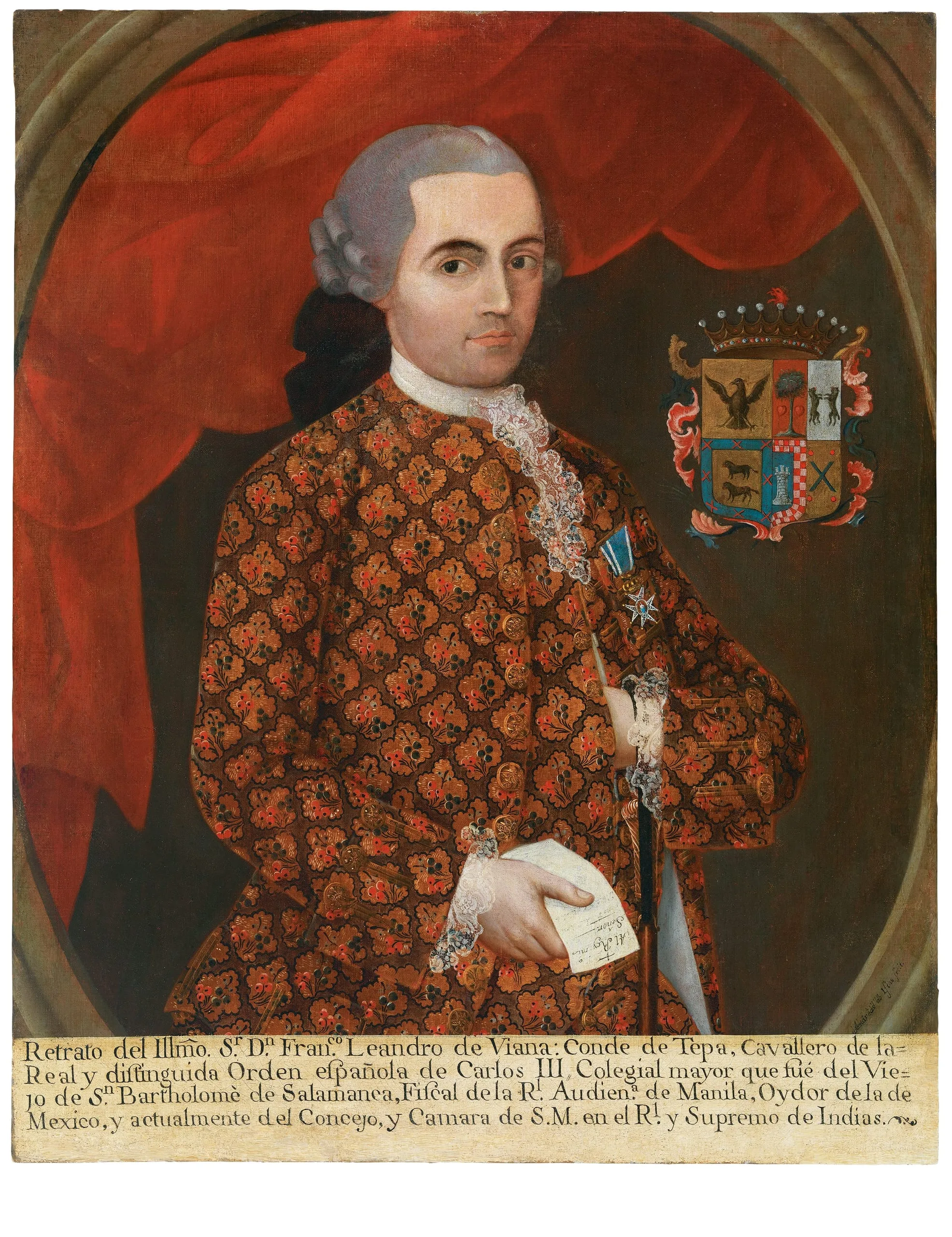
Andrés de Islas
Portrait of Don Francisco Leandro de Viana, Count of Tepa (Retrato de don Francisco Leandro de Viana, conde de Tepa), circa 1775-1780
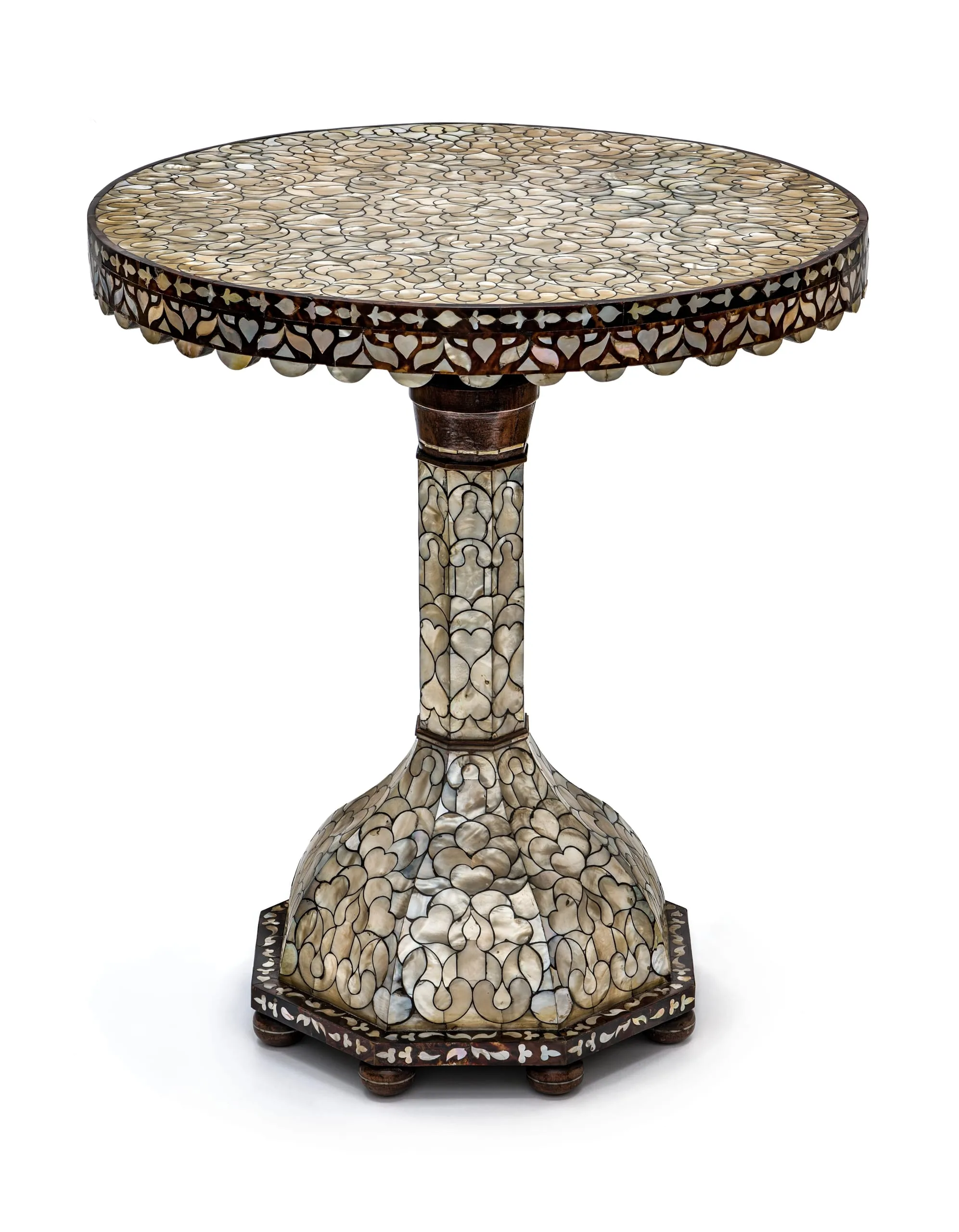
Unidentified artist
Side Table (Mesilla), last third of the 18th century
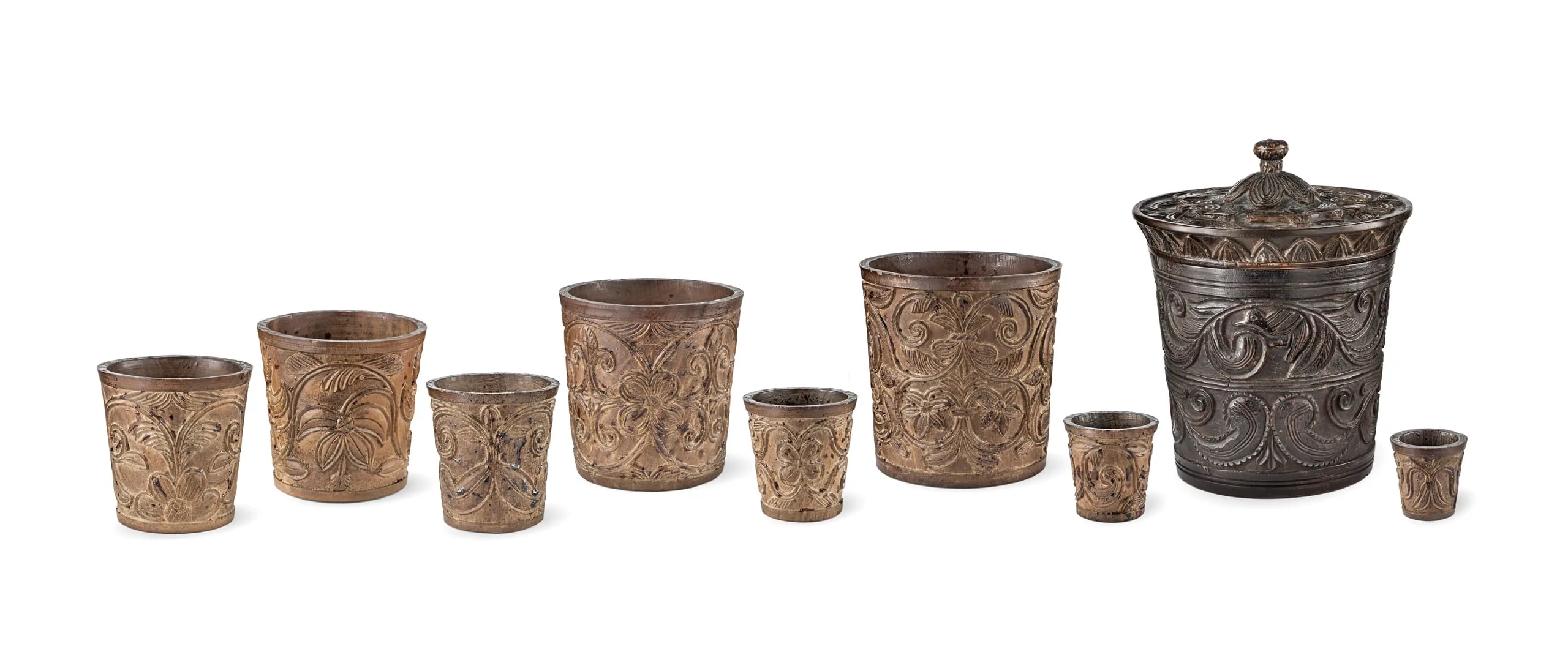
Unidentified artist
Measuring Cups (Vasos para medir), circa 1750-1800
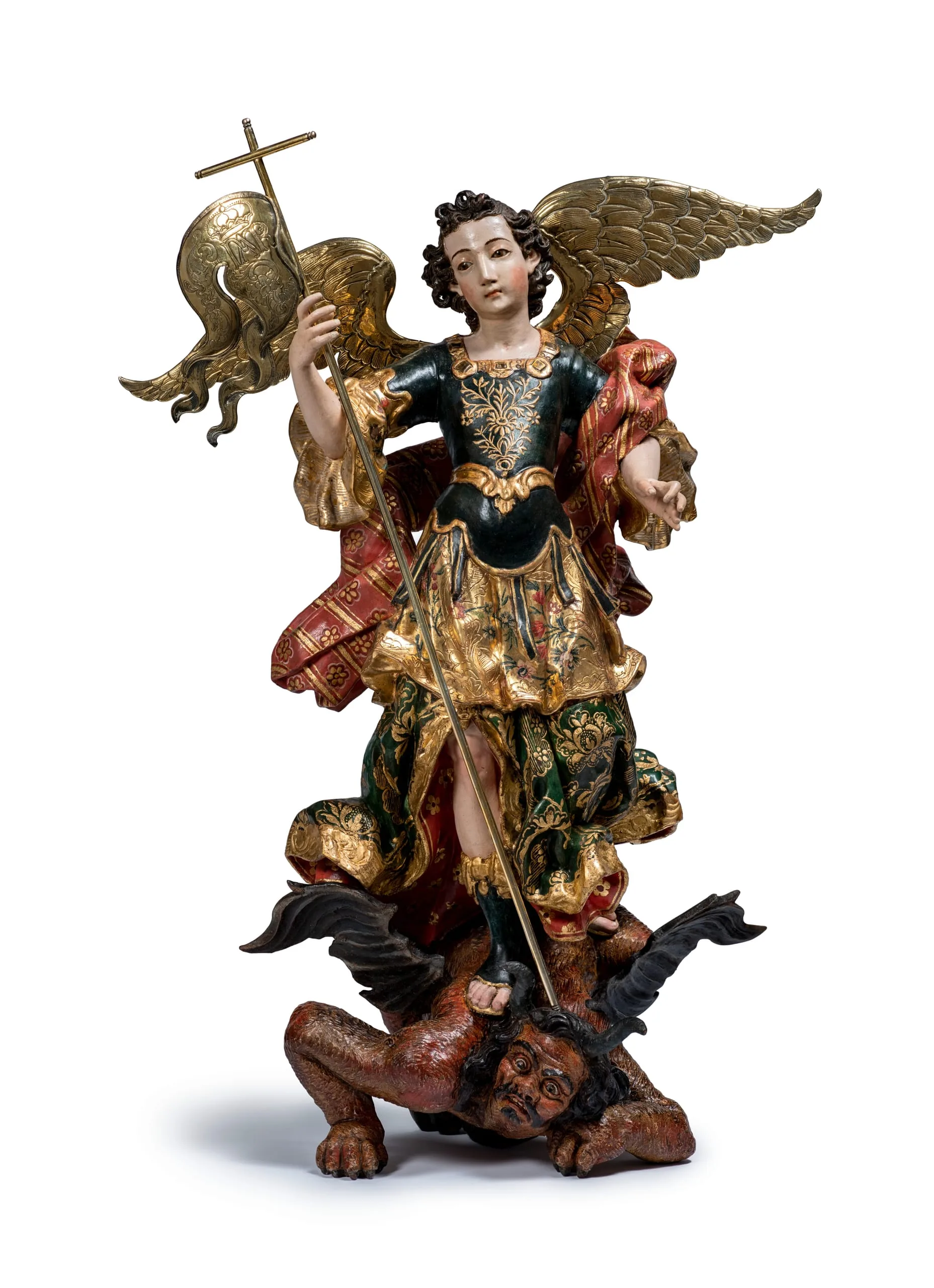
Unidentified sculptor and polychromer
Saint Michael Vanquishing the Devil (San Miguel triunfante sobre el demonio), second half of the 18th century
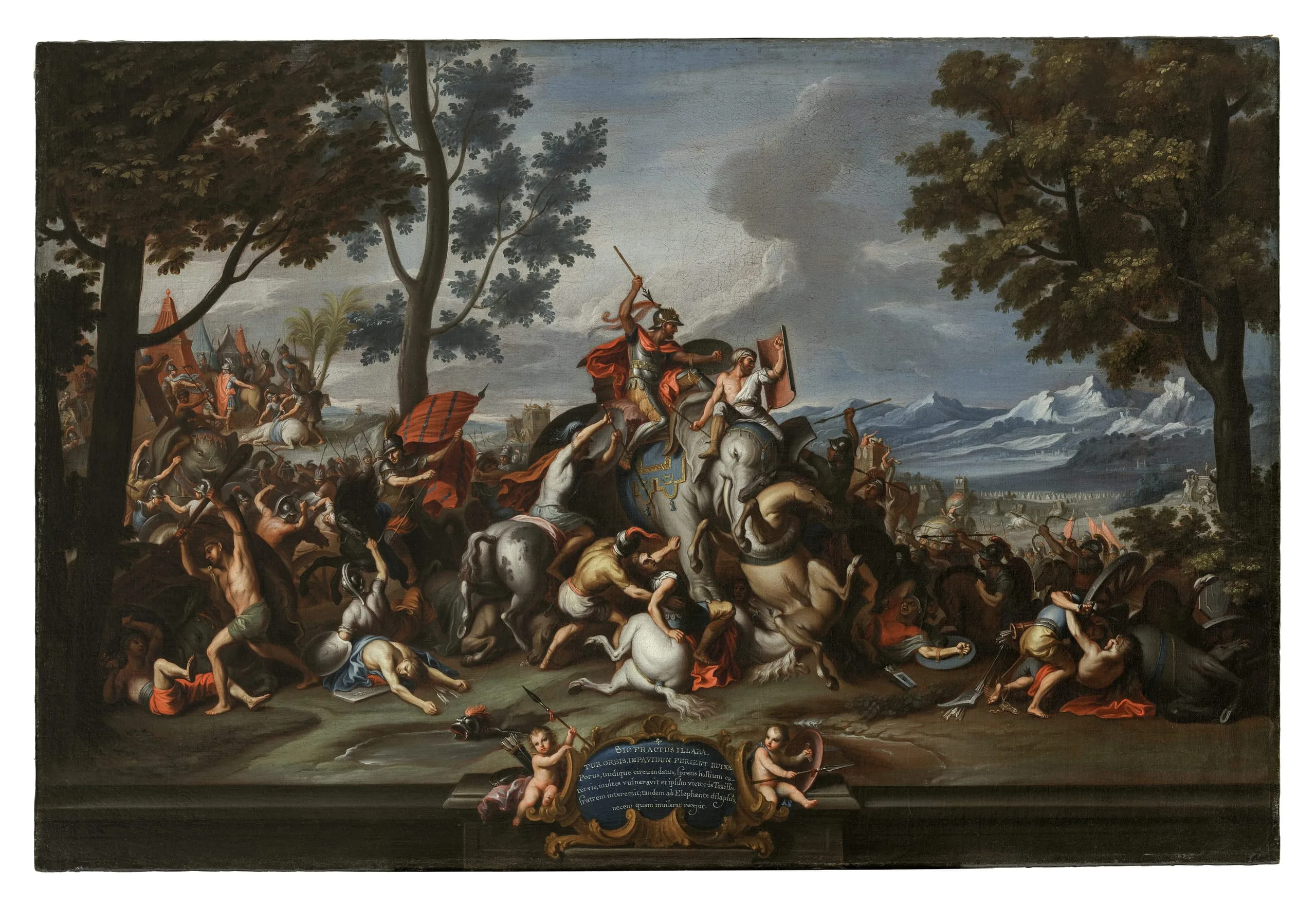
Juan Patricio Morlete Ruiz
Porus in Battle (La batalla de Poro), circa 1767
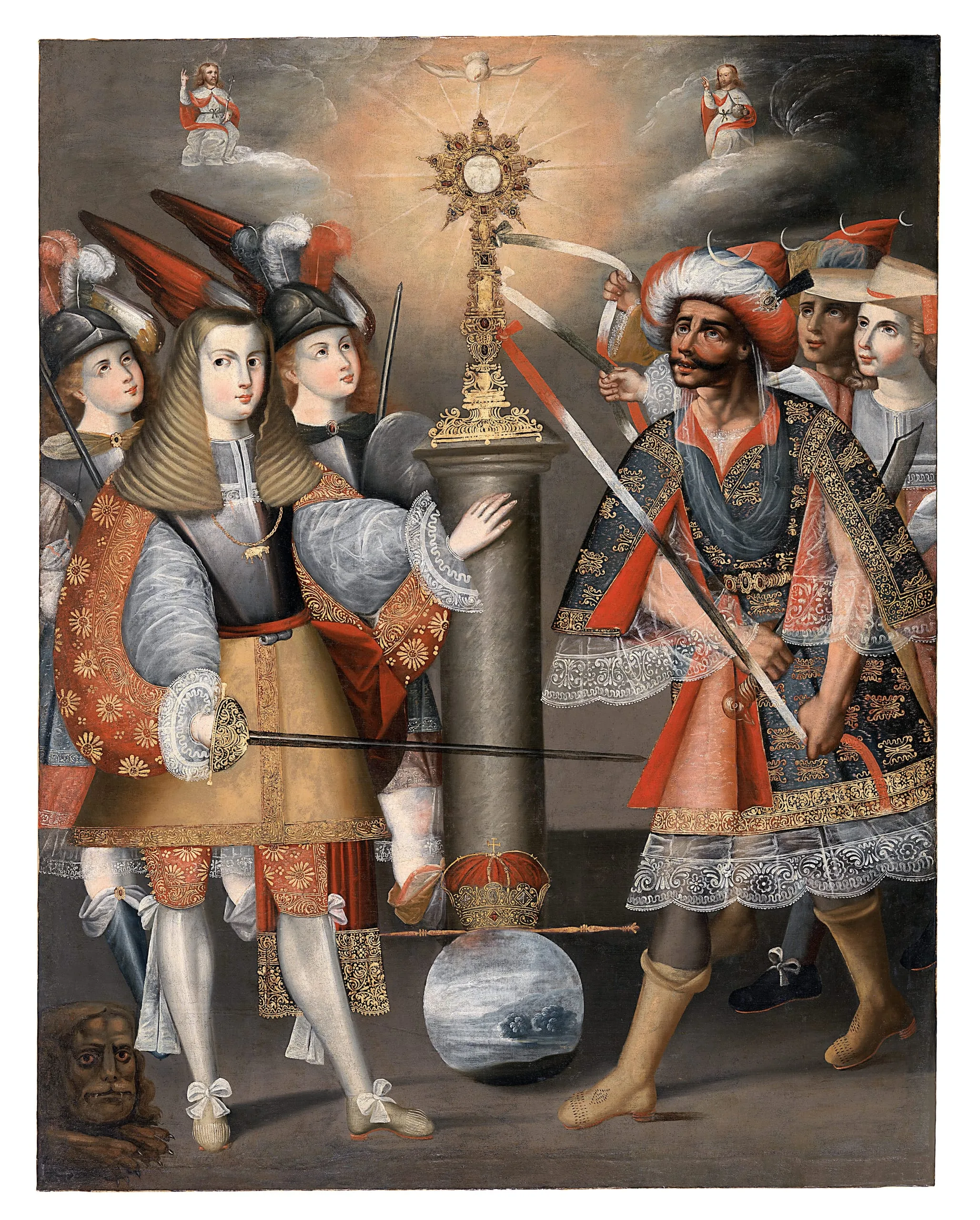
Unidentified artist
The Defense of the Eucharist and Charles II (La defensa de la Eucaristía y Carlos II), circa 1675-1700