Collections
Spanish Colonial Art
The collection of Spanish colonial art presents the artistic achievements of Latin America, from Columbus’s first encounter with the people of the Caribbean through the region’s independence movements and the subsequent formation of nation states. In 1492, Columbus’s world-changing voyage joined the vast network of trade routes between Asia, Europe, and Africa to the sophisticated system of trade and interaction that already existed in the Americas. Not long after, Portugal colonized Brazil, and Spain created the viceroyalties of New Spain (present-day Mexico and Central America) and Peru (present-day South America except for the southern region and Brazil). With the blessing of the pope, the Spanish and Portuguese monarchs began converting the indigenous peoples to Christianity, and set up new administrative, juridical, and economic systems. Before the end of the sixteenth century, trade with Japan and China was established via the Spanish colony of the Philippines and the Manila galleons. Complex multiracial societies developed as Amerindians, Europeans, Asians, and Africans (who accompanied the early European expeditions as slaves) mixed.
The various forms of art produced throughout Latin America reflect the seminal changes in the development of new identities. The swiftness with which Europeans established themselves in the New World prompted a huge demand for artistic creations, especially with the founding of large religious institutions. Both fine and decorative arts flourished, reflecting the convergence of native and foreign traditions.
- Ilona Katzew, 2008
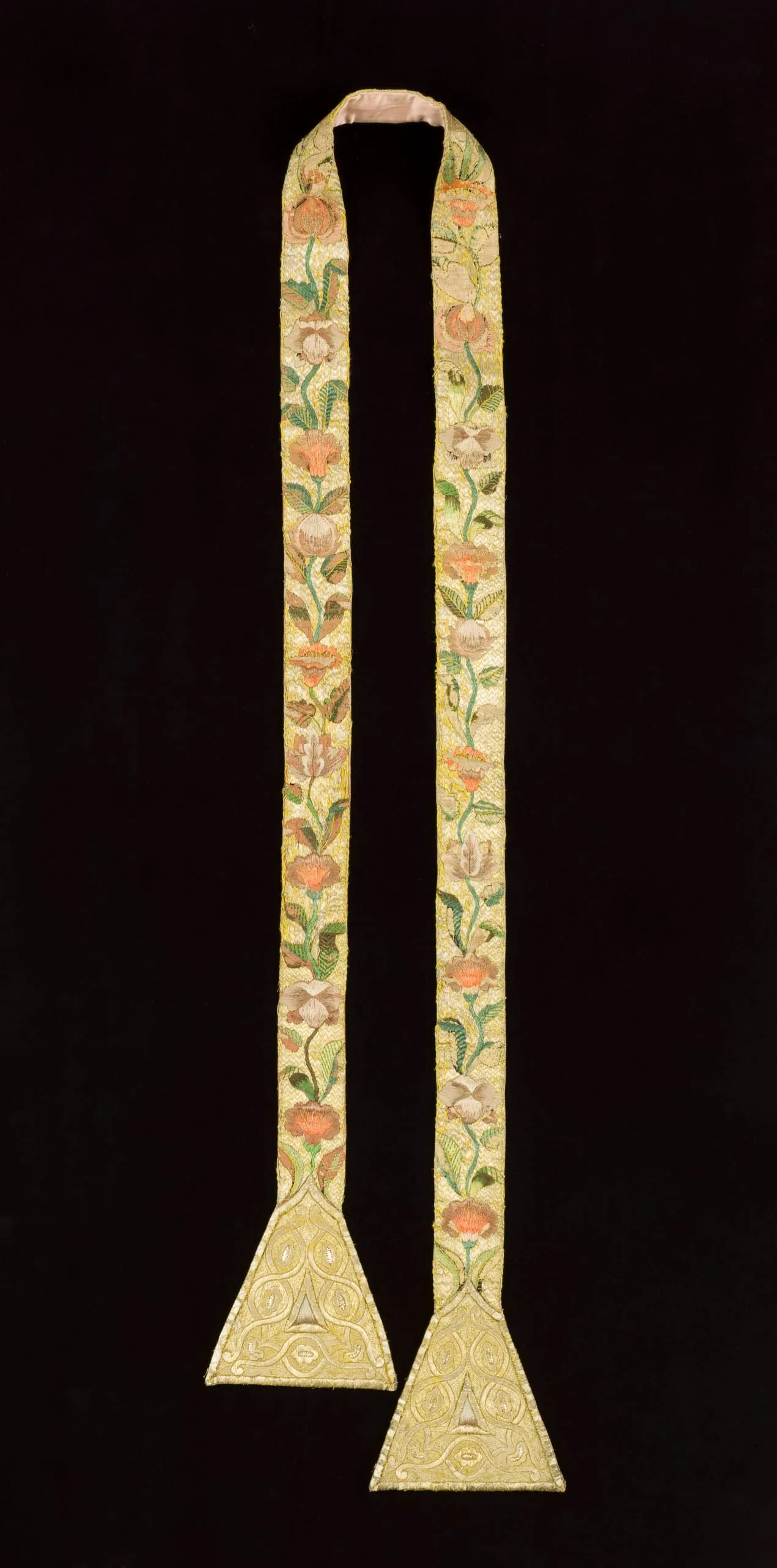
Attributed to Workshop of Manuel José de Mena Cárdenas
Set of Ecclesiastical Vestments: Stole (Partes de un terno eclesiástico: Estola), circa 1730
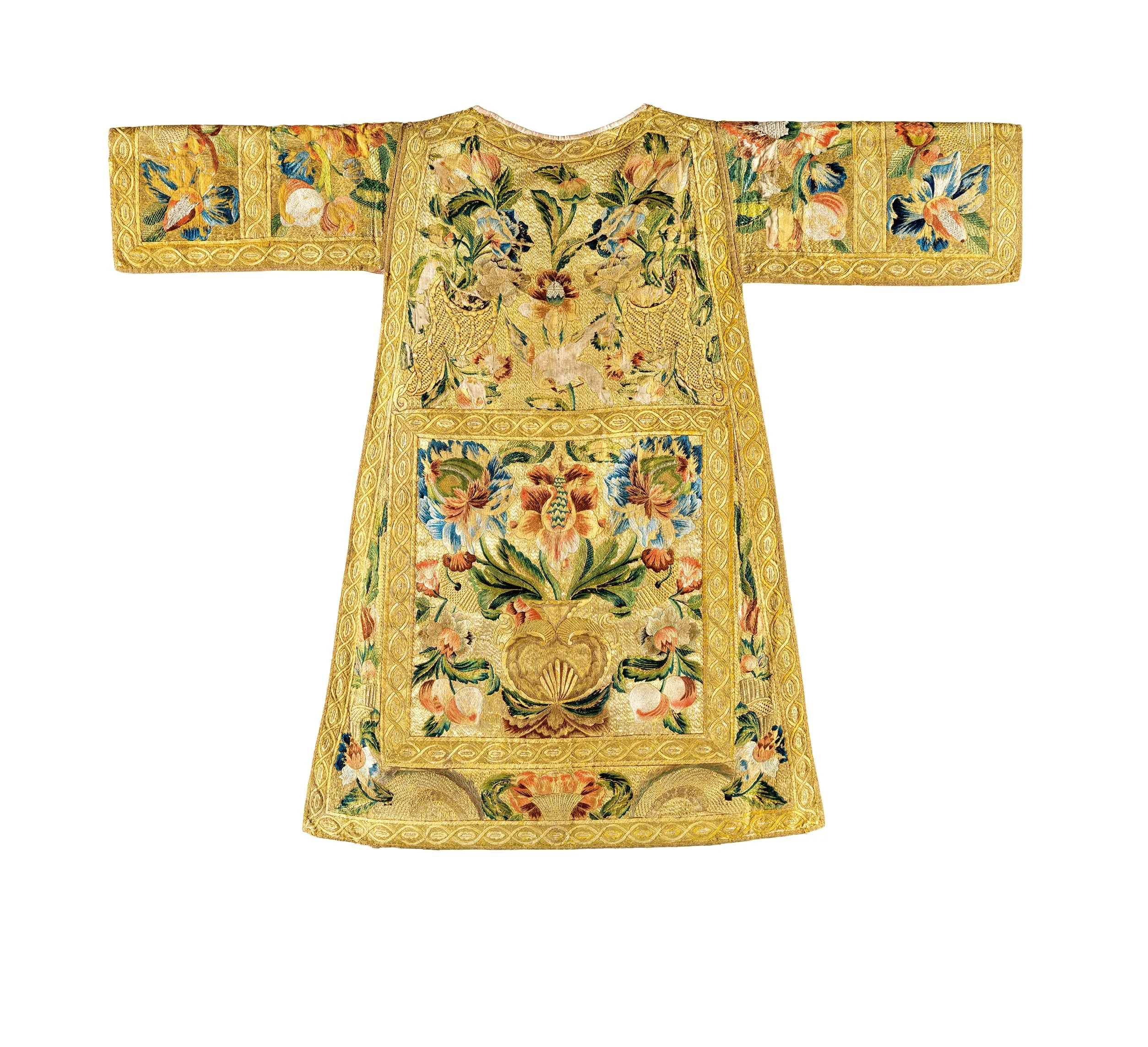
Attributed to Workshop of Manuel José de Mena Cárdenas
Set of Ecclesiastical Vestments: Dalmatic (Partes de un terno eclesiástico: Dalmática), circa 1730
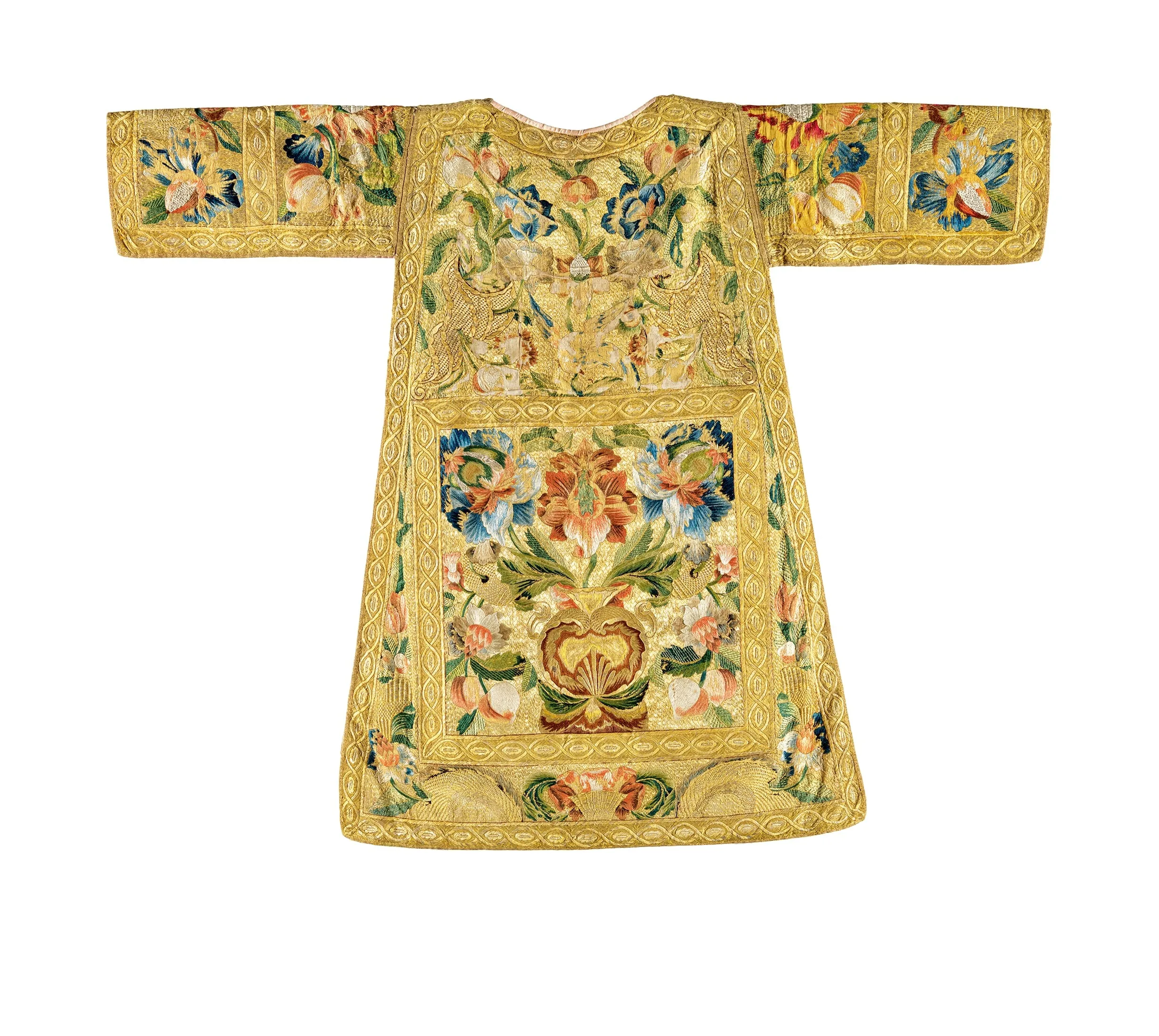
Attributed to Workshop of Manuel José de Mena Cárdenas
Set of Ecclesiastical Vestments: Dalmatic (Partes de un terno eclesiástico: Dalmática), circa 1730
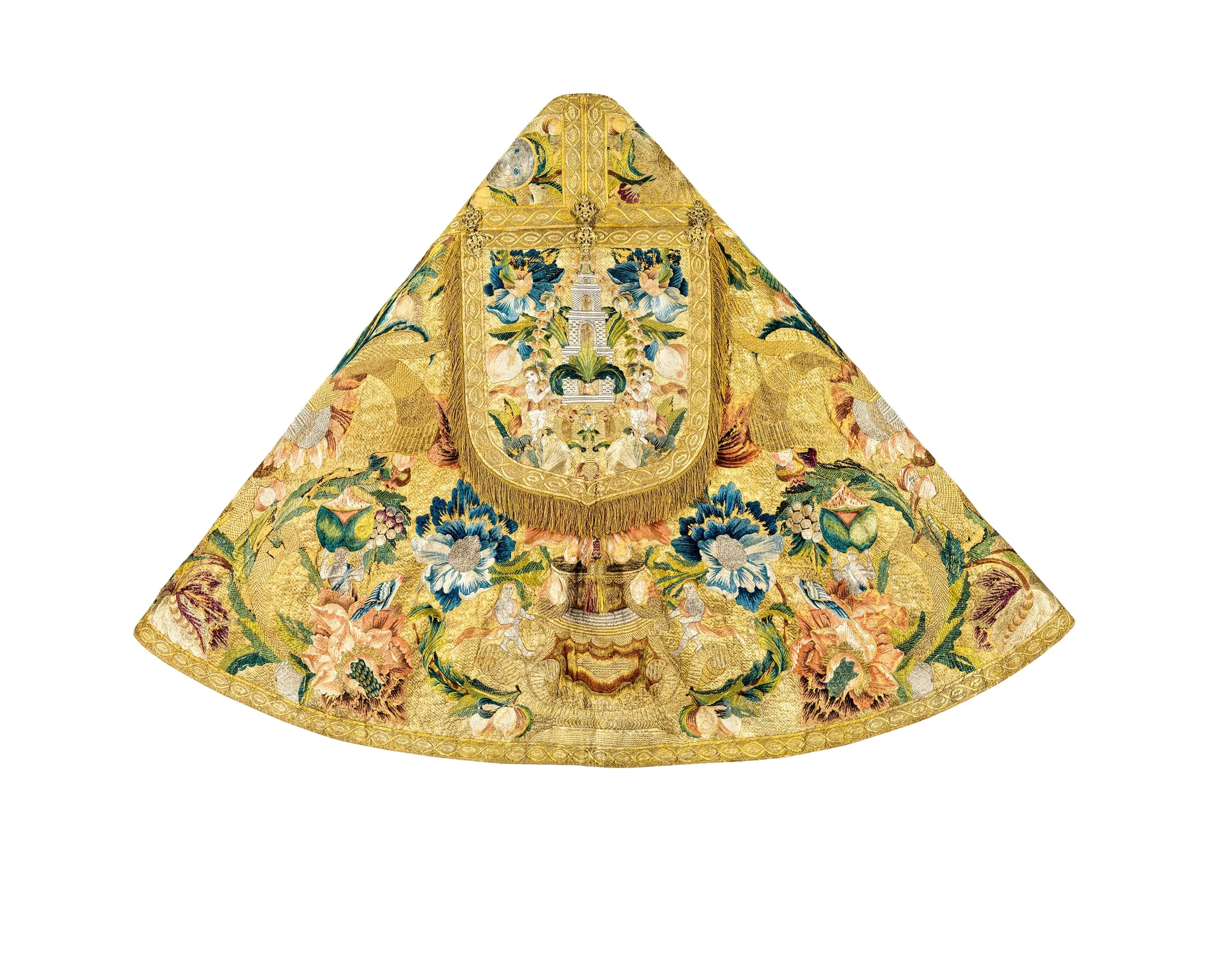
Attributed to Workshop of Manuel José de Mena Cárdenas
Set of Ecclesiastical Vestments: Cope with Hood (Partes de un terno eclesiástico: Capa pluvial con capucha), circa 1730
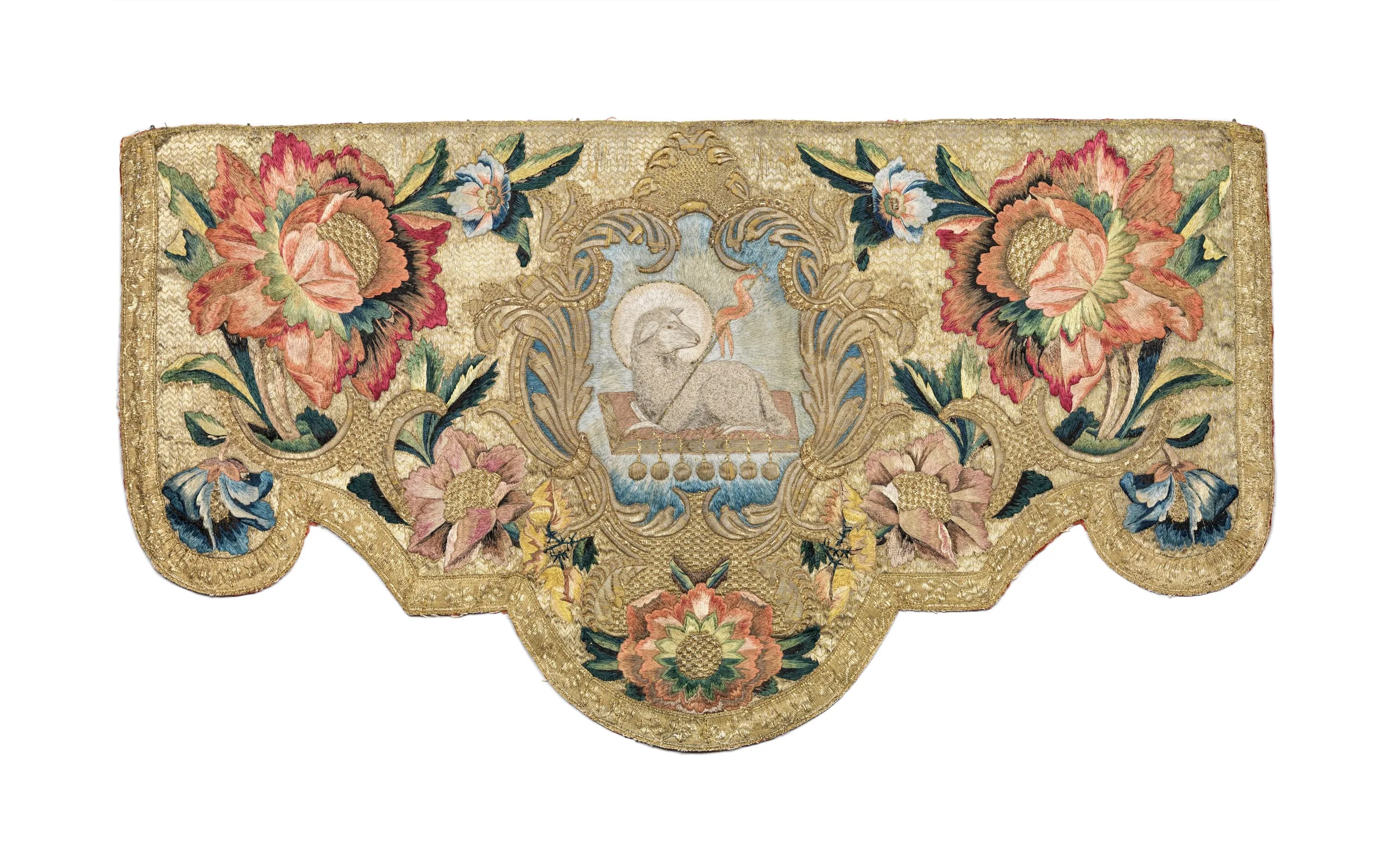
Attributed to Workshop of Manuel José de Mena Cárdenas
Set of Ecclesiastical Vestments: Lectern Hanging (Partes de un terno eclesiástico: Paño de atril), circa 1730
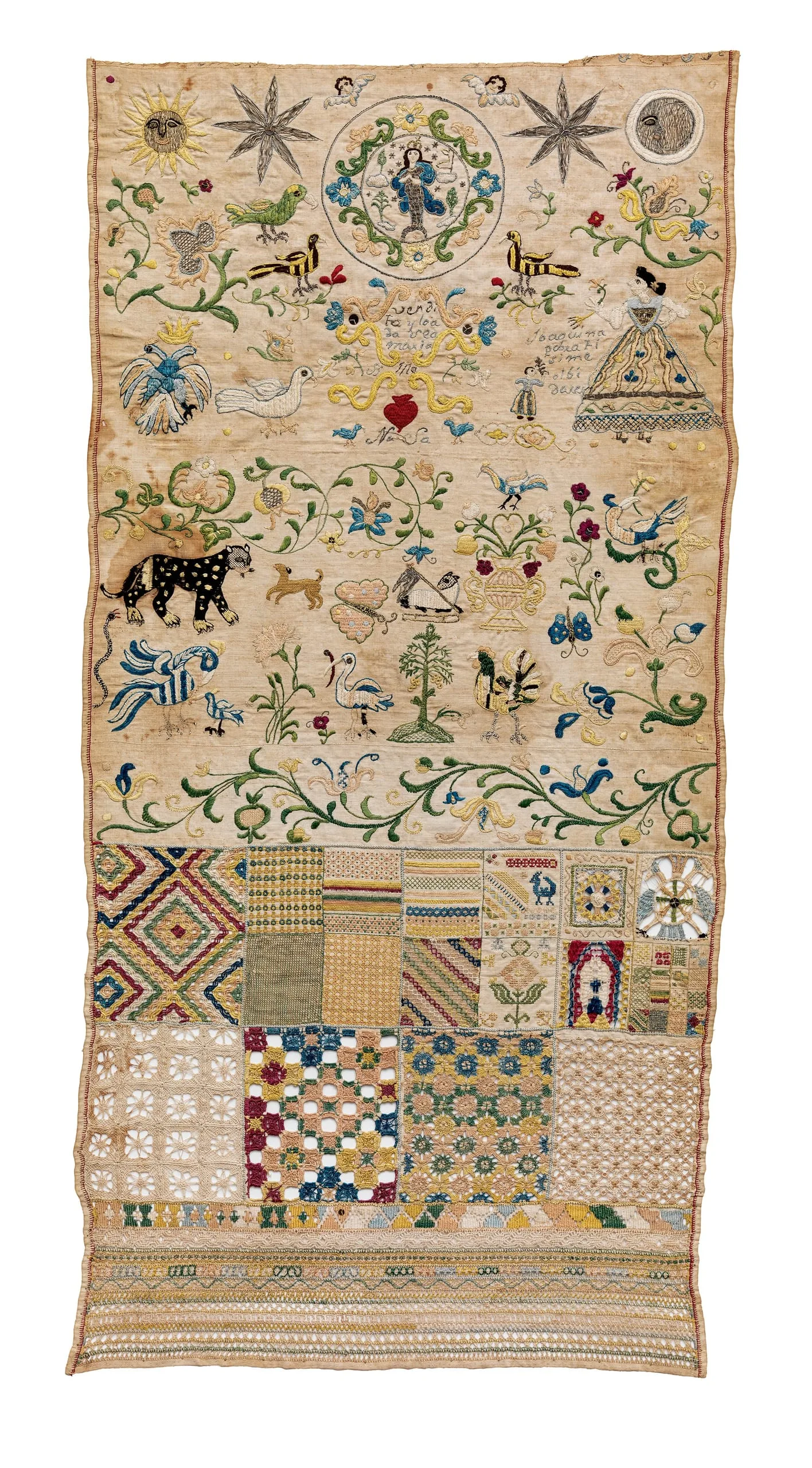
Joaquina
Sampler (Dechado), circa 1785
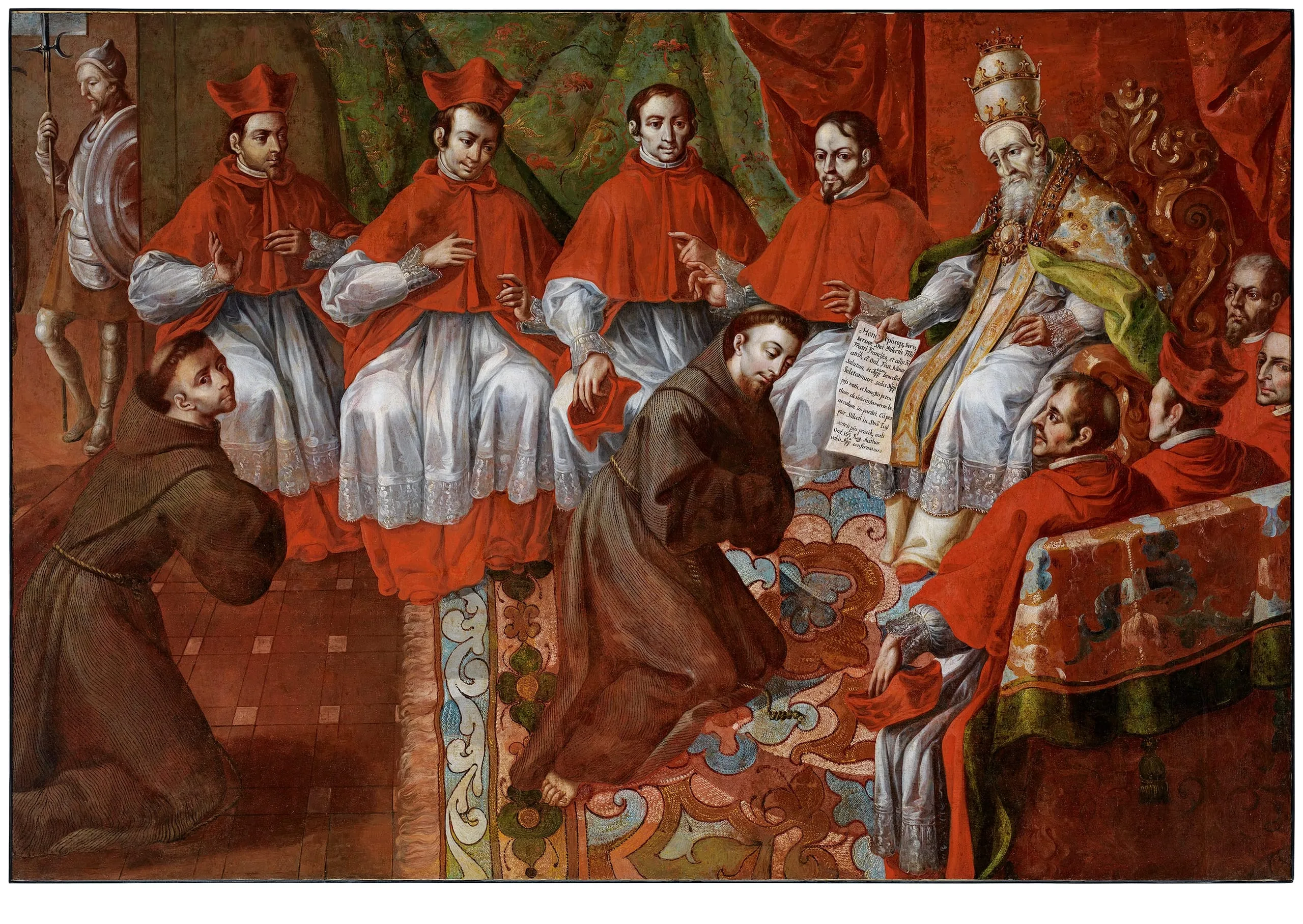
Attributed to Luis Berrueco
Saint Francis before Pope Honorius III (San Francisco ante el Papa Honorio III), circa 1710
![Man’s Processional Tunic (Uncu) (Túnica procesional masculina [uncu])](https://collections-images.lacma.org/images/133455/133455-1-primary.webp)
Unidentified artist
Man’s Processional Tunic (Uncu) (Túnica procesional masculina [uncu]), late 17th–early 18th century
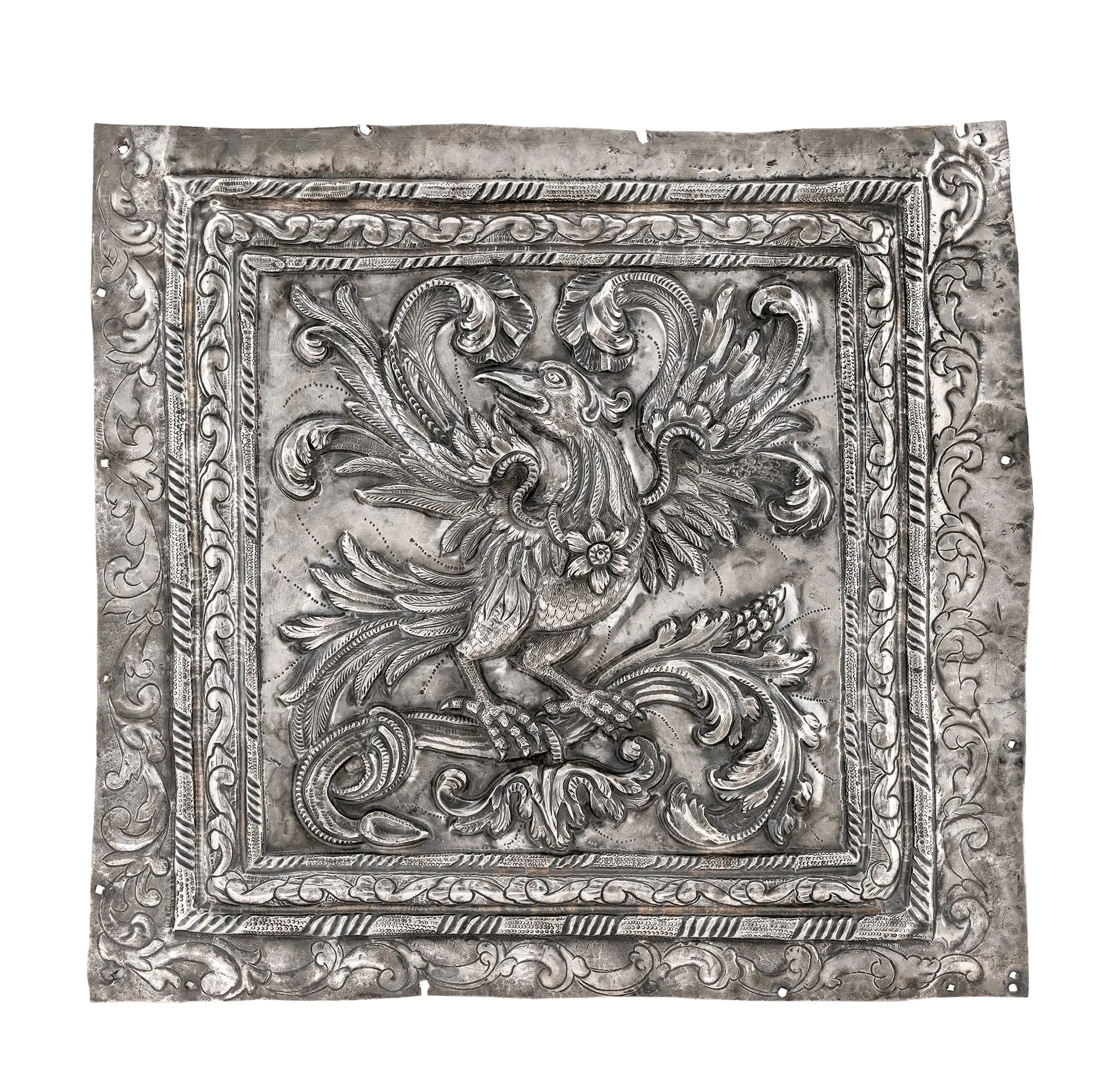
Unidentified artists
Altar Frontal Plaque with Birds (Placa de frontal de altar con aves), 18th century
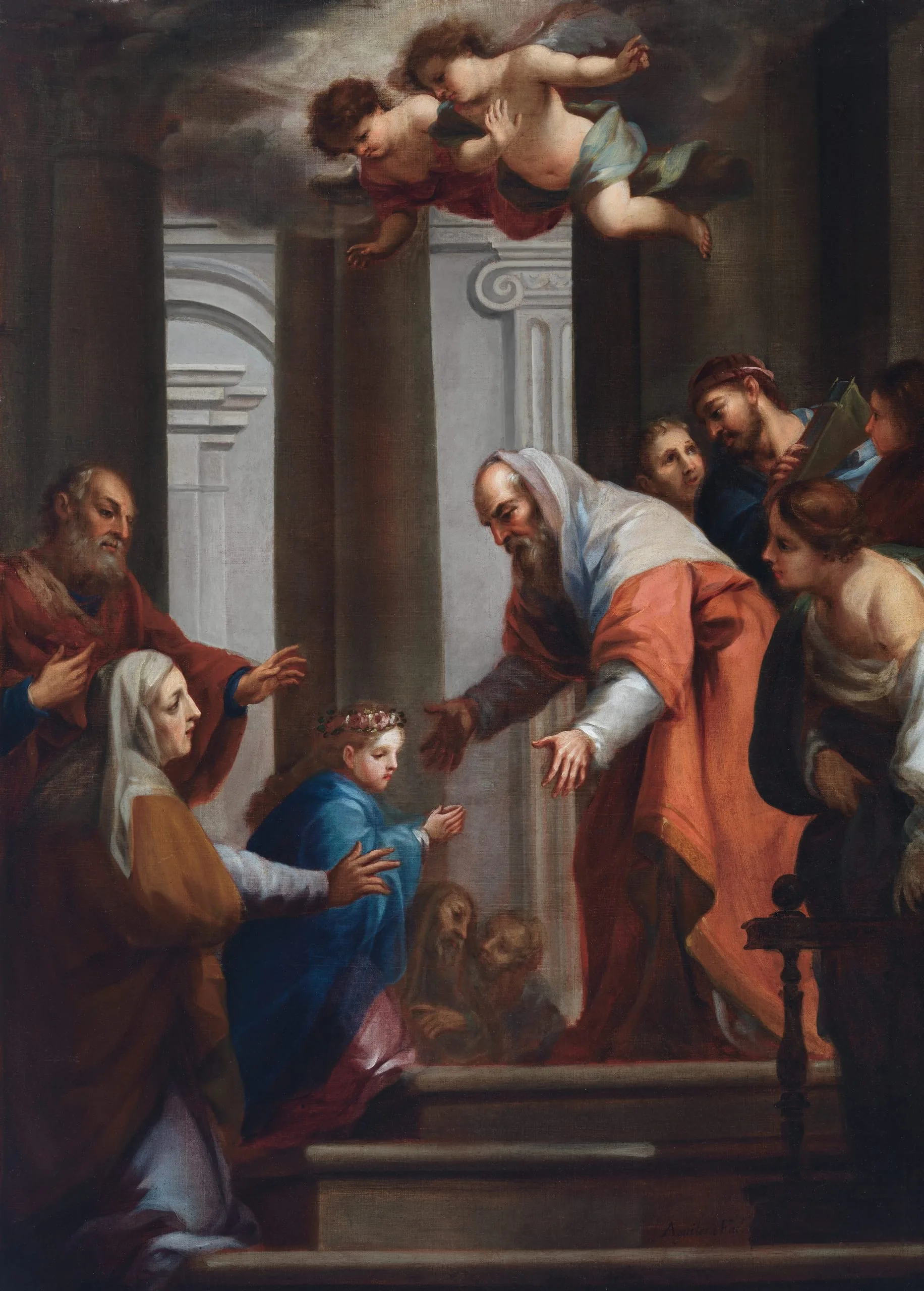
Juan Francisco de Aguilera
The Presentation of the Virgin in the Temple (La presentación de la Virgen en el Templo), 1720
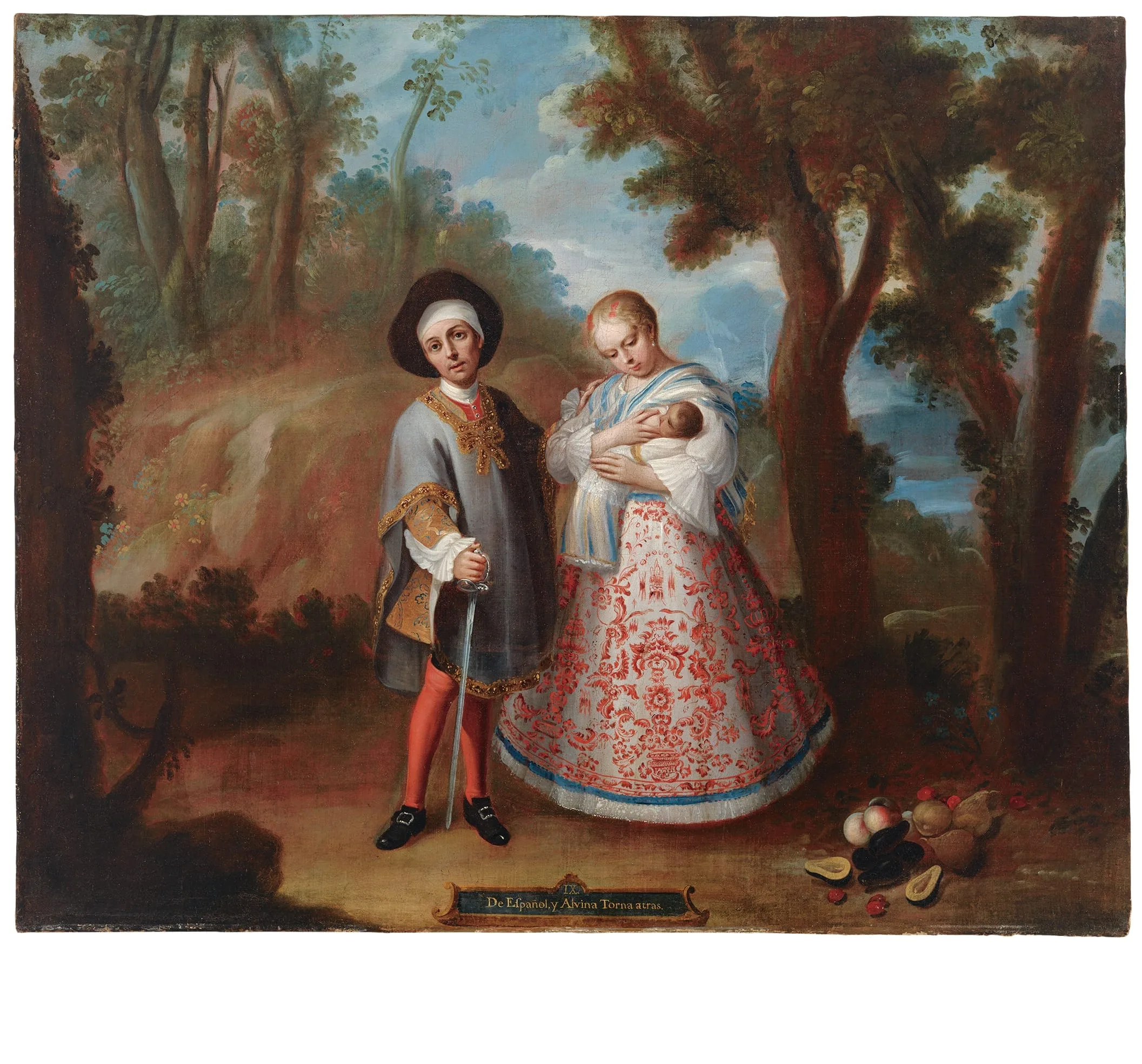
Juan Patricio Morlete Ruiz
IX. From Spaniard and Albino Woman, Return Backwards (IX. De español y albina, torna atrás), circa 1760
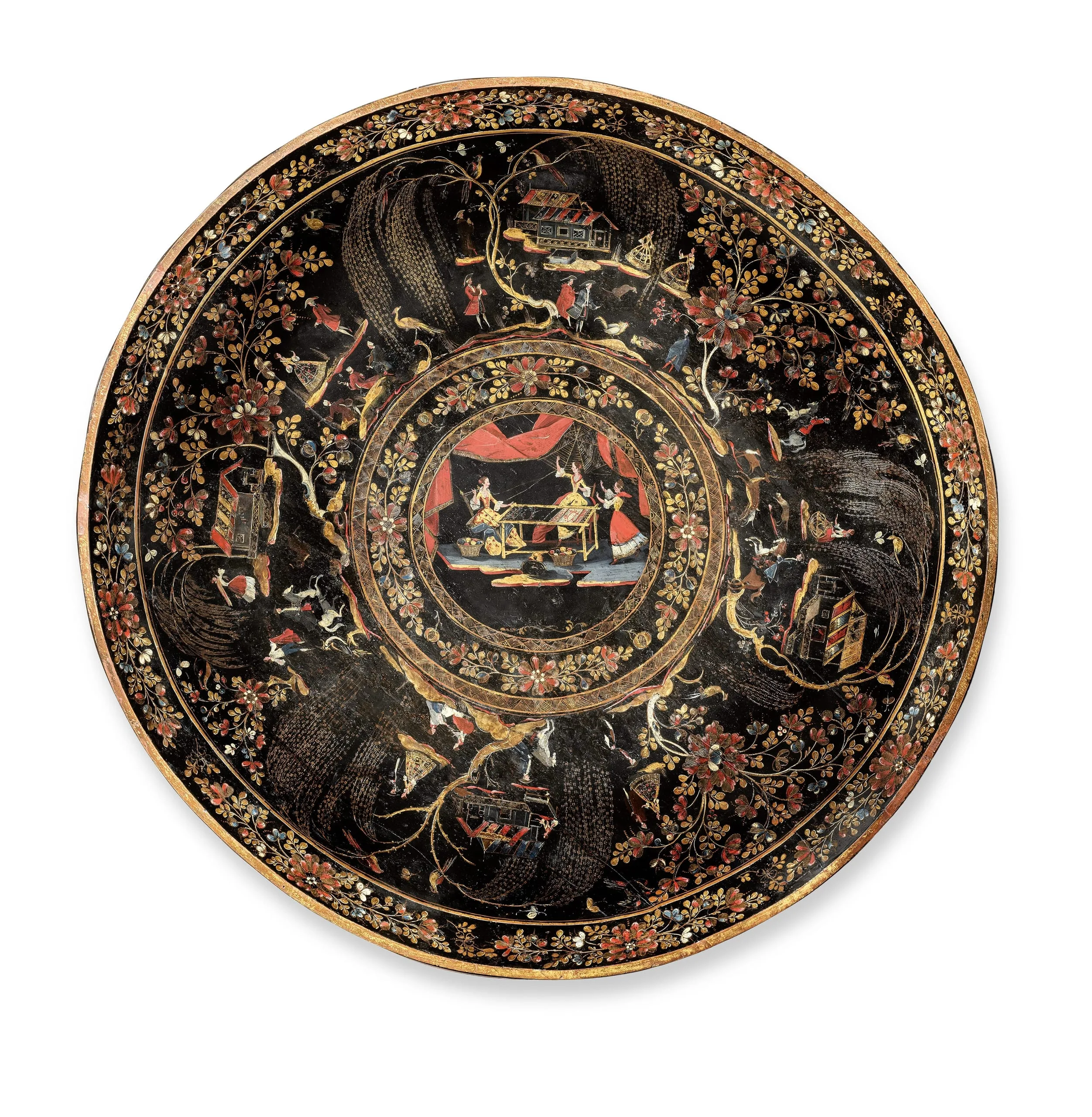
Attributed to José Manuel de la Cerda
Batea (Tray) with Arachne and Athena, circa 1760
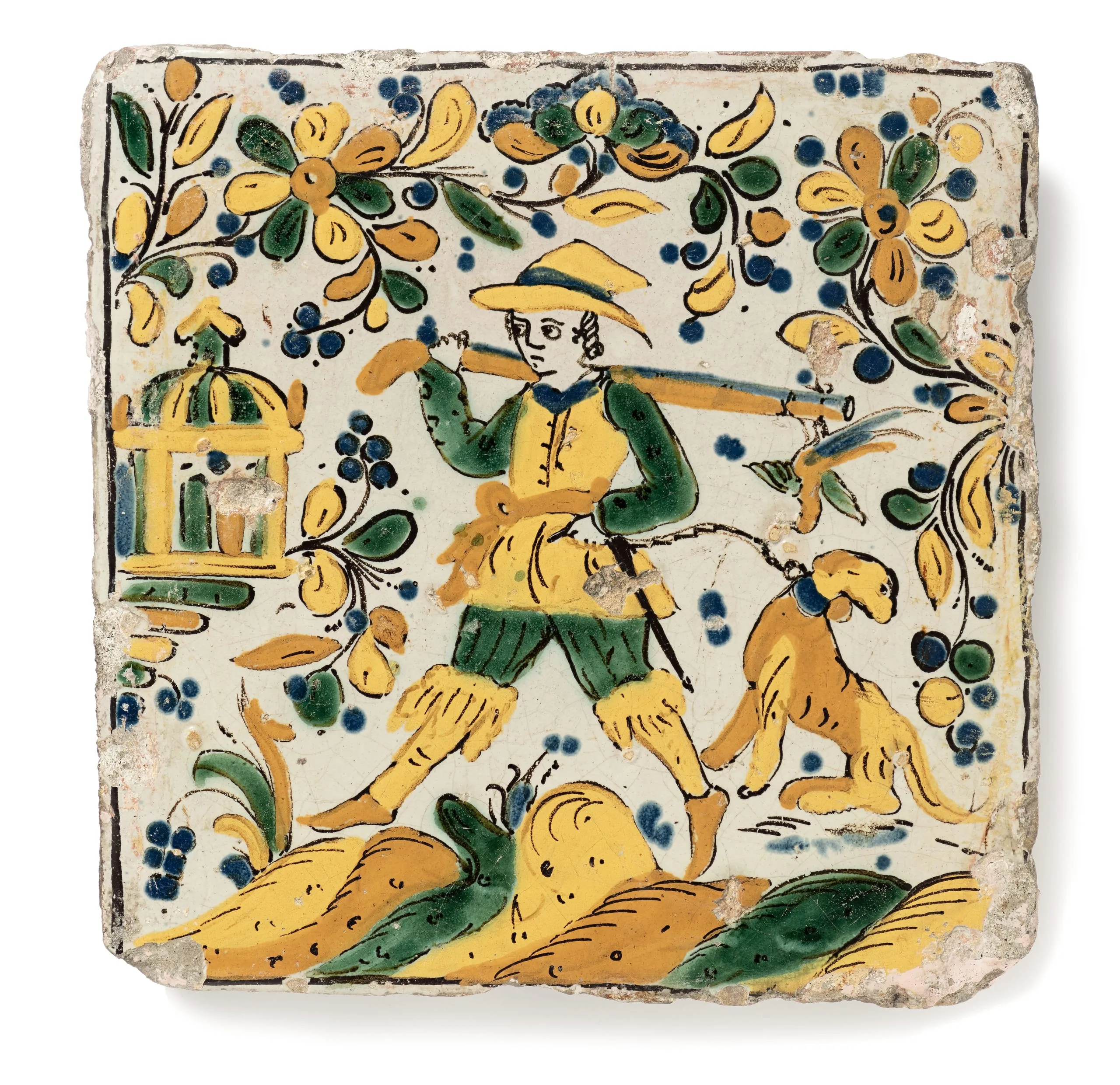
Unidentified artist
Tile with Hunter (Azulejo con cazador), circa 1690
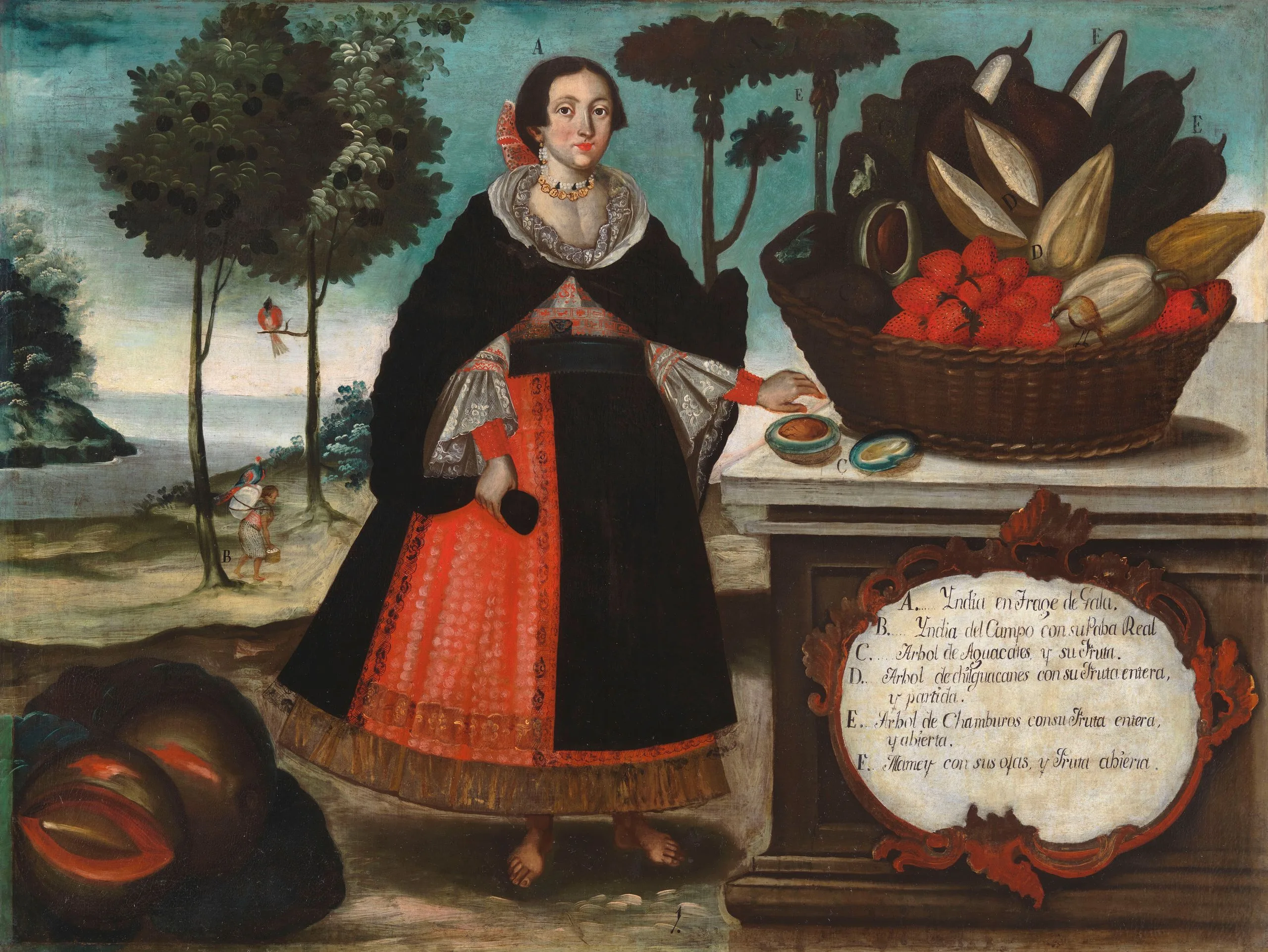
Vicente Albán
Indian Woman in Special Attire (India en traje de gala), circa 1783
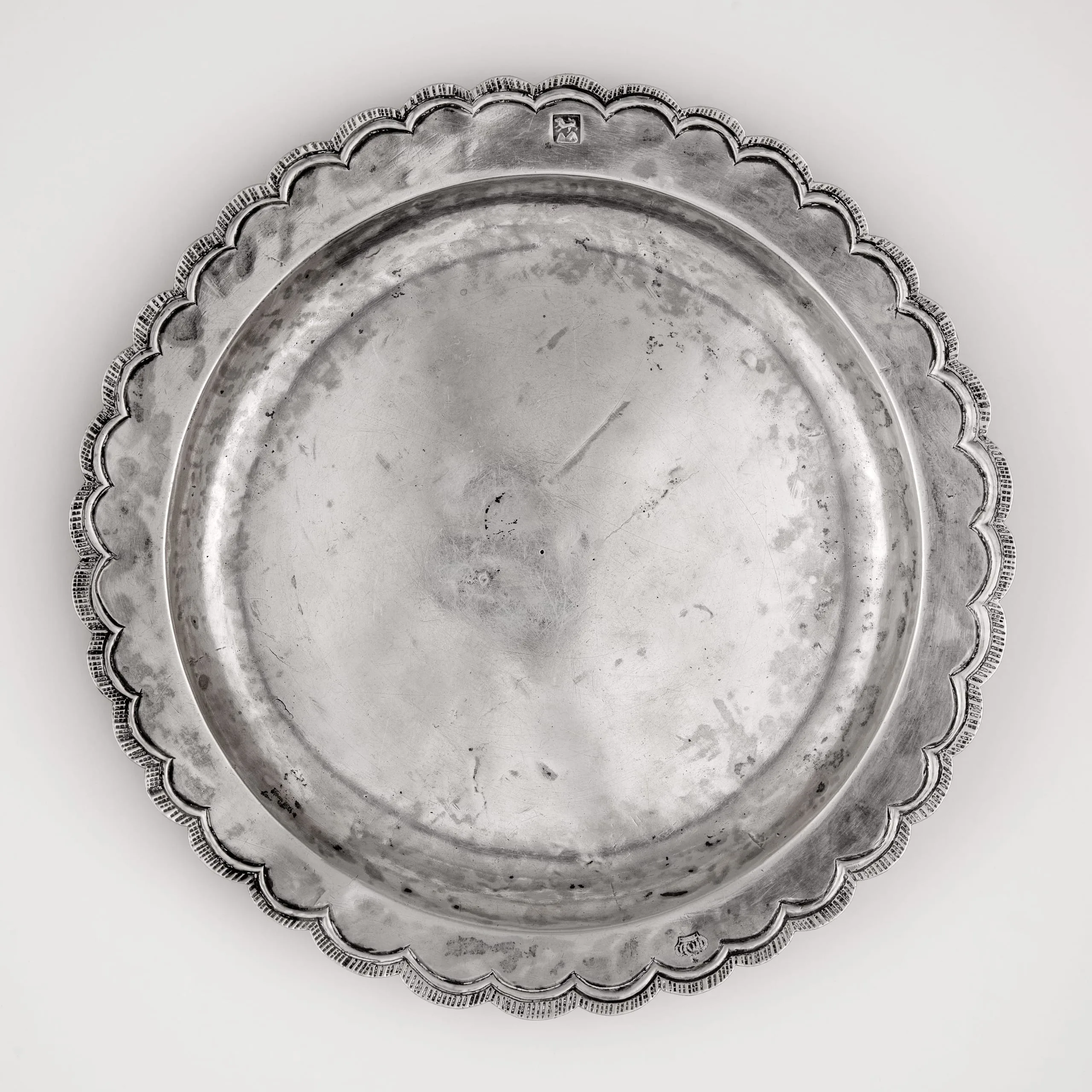
Unidentified artist
Plate (Plato), 19th century
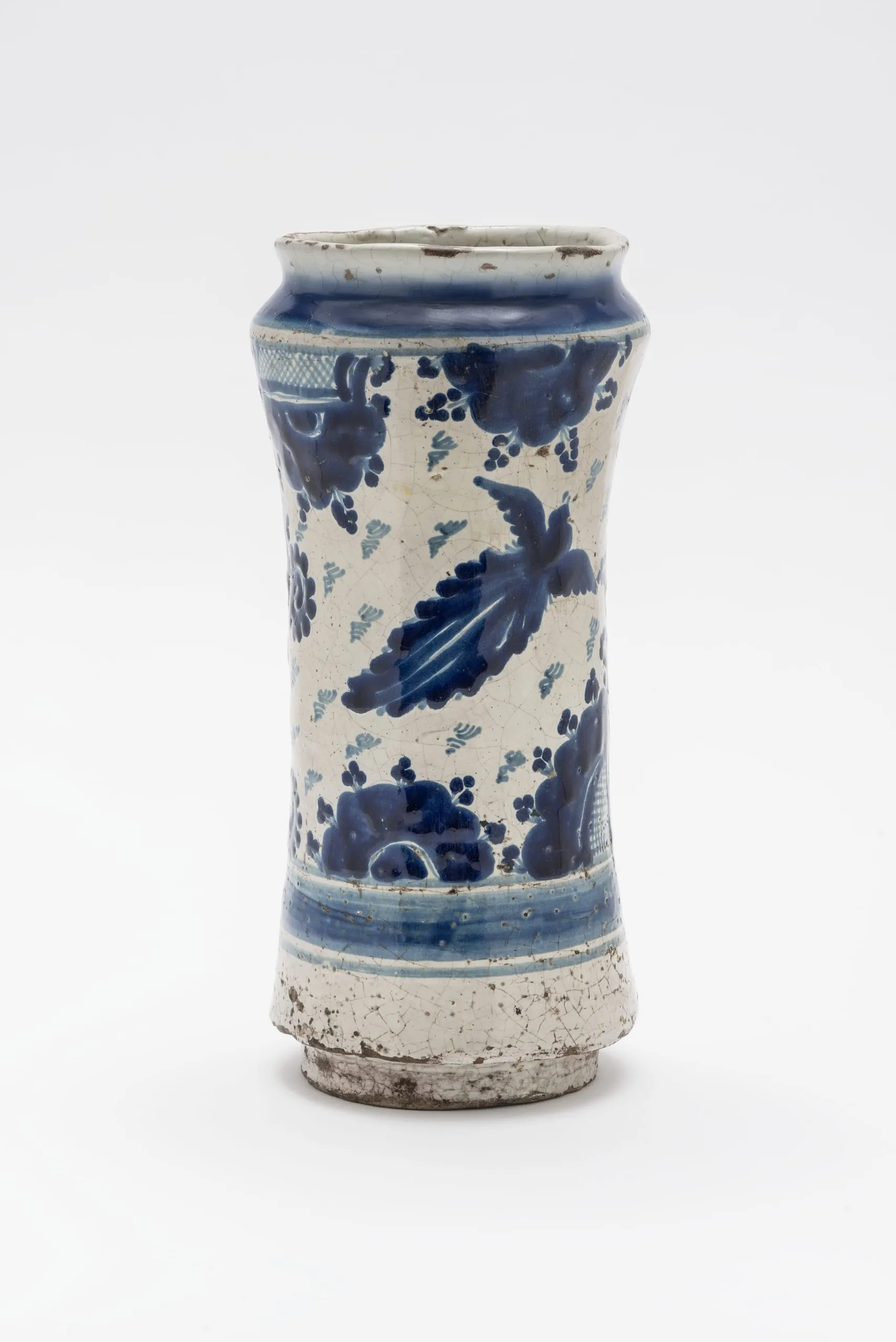
Unidentified artist
Apothecary Jar (Albarelo), circa 1750-1800
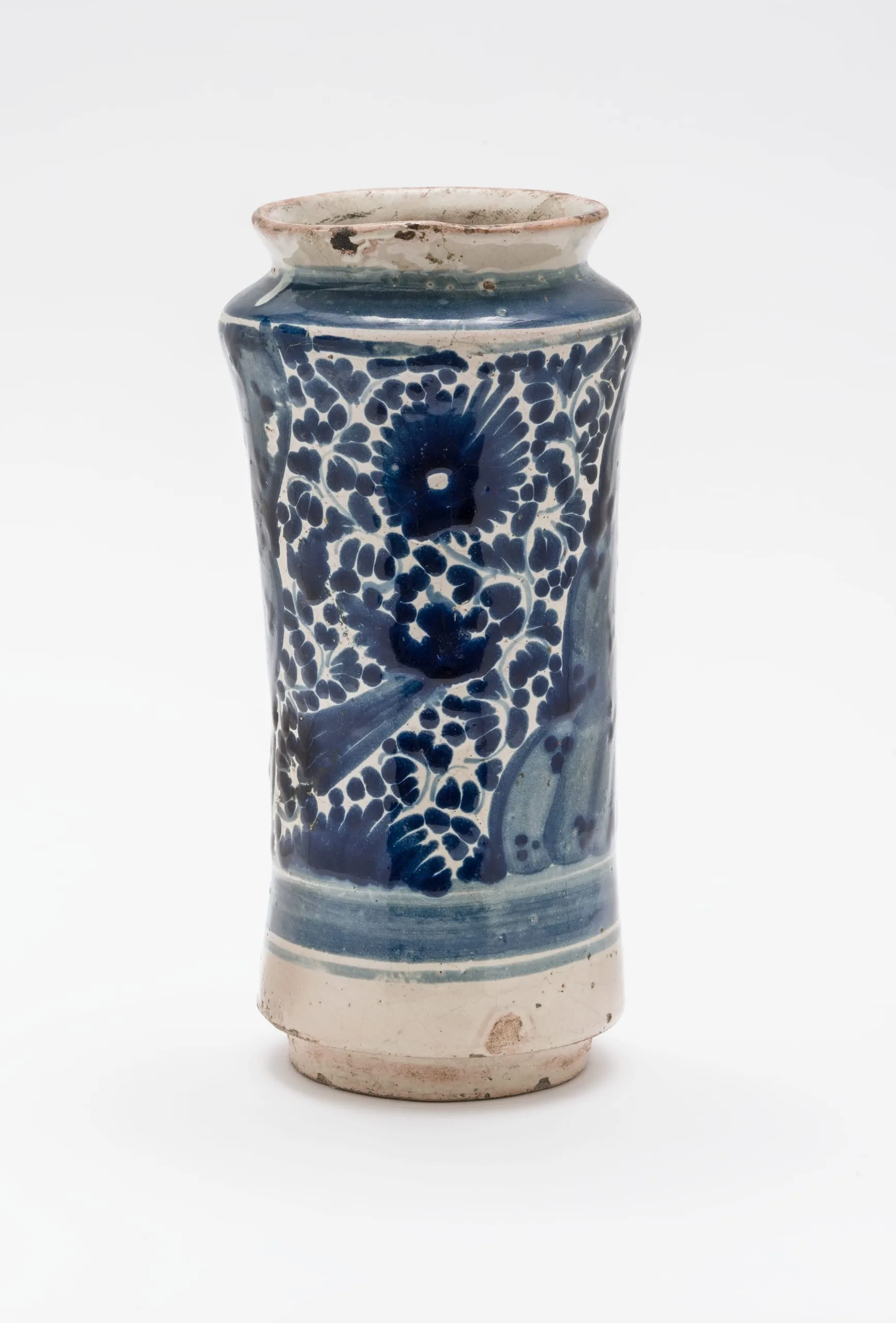
Unidentified artist
Apothecary Jar (Albarelo), circa 1750-1800
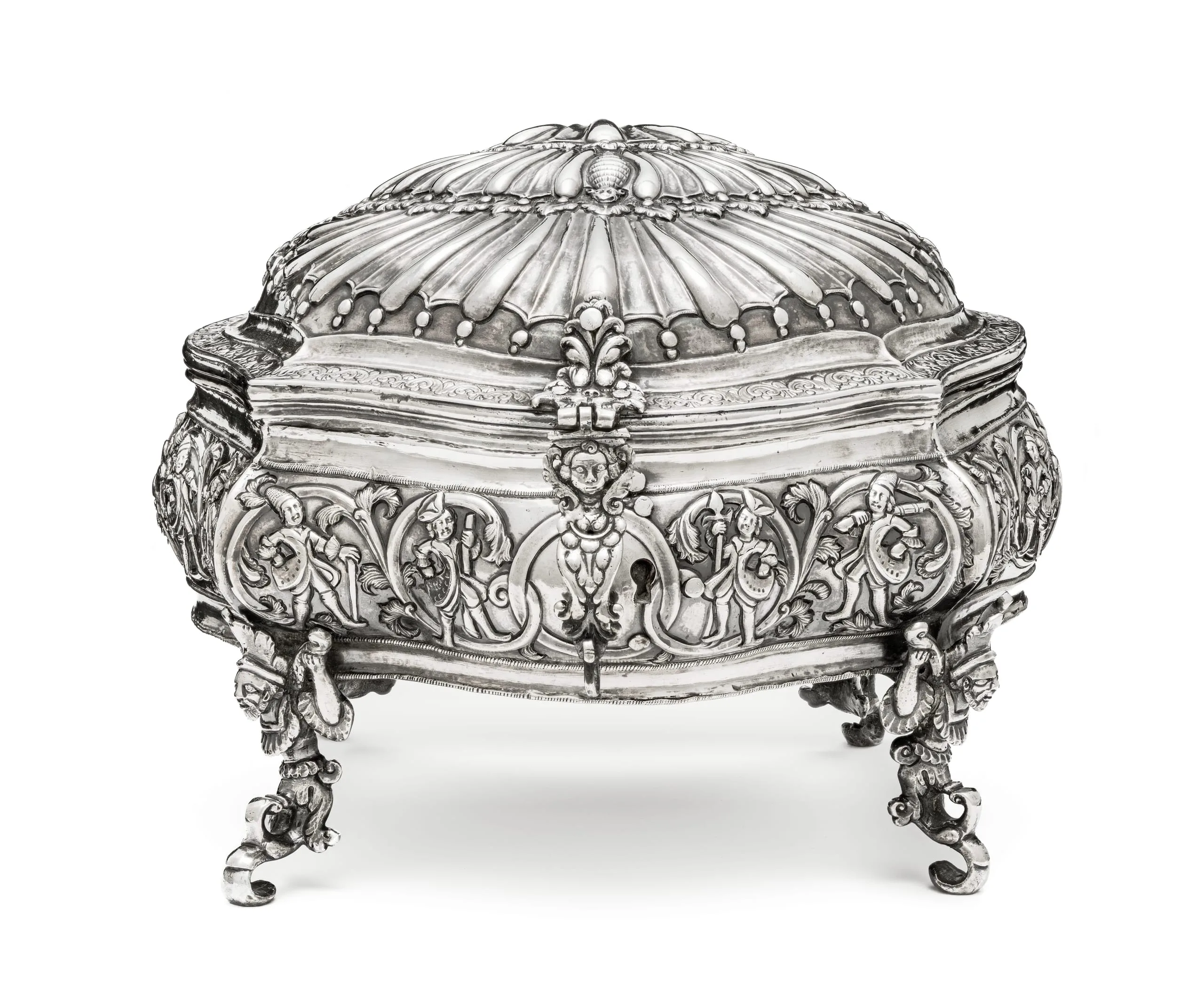
Unidentified artists
Herb Box (Yerbera), circa 1775-1790
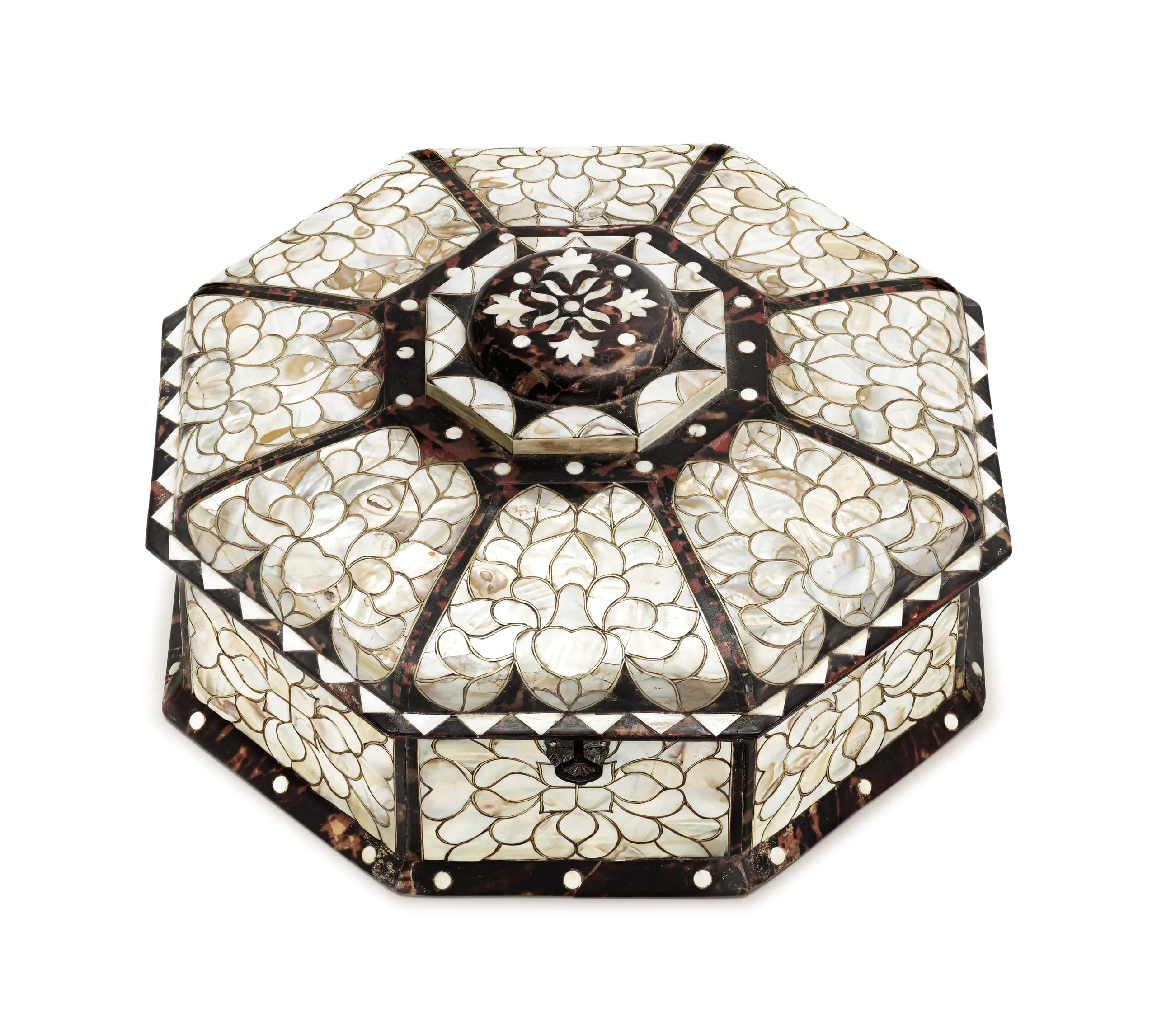
Unidentified artist
Sewing or Jewelry Box (Costurero o joyero), last third of the 18th century