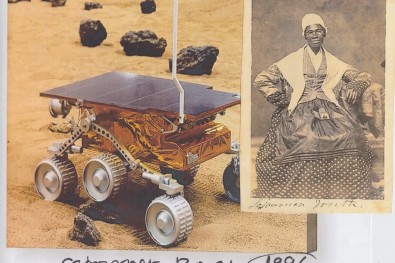
Julia Christensen’s ongoing project, Upgrade Available, investigates how “upgrade culture”—the perceived relentless need to endlessly upgrade electronics and recordable media to remain relevant—impacts life on a range of time scales. The artist’s work with the LACMA Art + Technology Lab has allowed her to explore how upgrade culture impacts institutional operations at the scale of the Los Angeles County Museum of Art. Her work at LACMA additionally led her to a collaboration with scientists at NASA’s Jet Propulsion Laboratory, where she is helping envision long-term space mission concepts that defy our current measure of technological obsolescence. At JPL’s Innovation Foundry, Julia has collaborated on spaceship/art concepts for a CubeSat with a 200-year operational lifespan, and an interstellar spacecraft that would travel to Proxima b, 4.2 light years from Earth.
Artist's Statement
When I sat down to write this recap of my time at the LACMA Art + Tech Lab, I picked up a copy of my 2020 book, Upgrade Available, and flipped to the section titled Space Time. This chapter details the portion of my LACMA Art + Tech project that emerged in collaboration with scientists and engineers at the Jet Propulsion Laboratory. That book, and the whole Upgrade Available project, was a deep dive into the slow, glacial change that unfolds underfoot while we aren’t watching; specifically, how systems of technology change the ways we experience collective frames of reference, like time, community, landscape, culture.
Before I came to the LACMA Art + Tech Lab, I had been to India several times to learn more about the global paths of the e-waste processing industry. Witnessing global e-waste processing plants in India made me think about the complicated human relationships with technology that transform e-waste into such complicated trash. I applied to the LACMA Art + Tech Lab with a plan to investigate e-waste scenarios brewing across Southern California, a tech-scape dotted with startups, Hollywood, the space industry.
As soon as I arrived at LACMA, my project about Los Angeles e-waste quickly became a project about the impact of obsolete technology on museums. I photographed the old technology embedded throughout the LACMA buildings, some of which were about to be torn down in anticipation of the now-recently-opened Zumthor buildings. I found old wifi hubs embedded in the light posts of Chris Burden’s Urban Light, air-conditioning units built into the floor beneath seats in the Bing Theater, telephone booths without telephones that had never been removed from lobbies and corridors. It felt weirdly urgent to catalog all this detritus before these buildings went down; a warning, or a bellwether. A new building was about to be built, and it too would include shiny new technology that would rapidly obsolesce and probably remain embedded in gallery walls and floors for another half-century. A museum exists to maintain a cultural story over many human lifetimes; how does obsolete technology disrupt and intervene in this cycle?
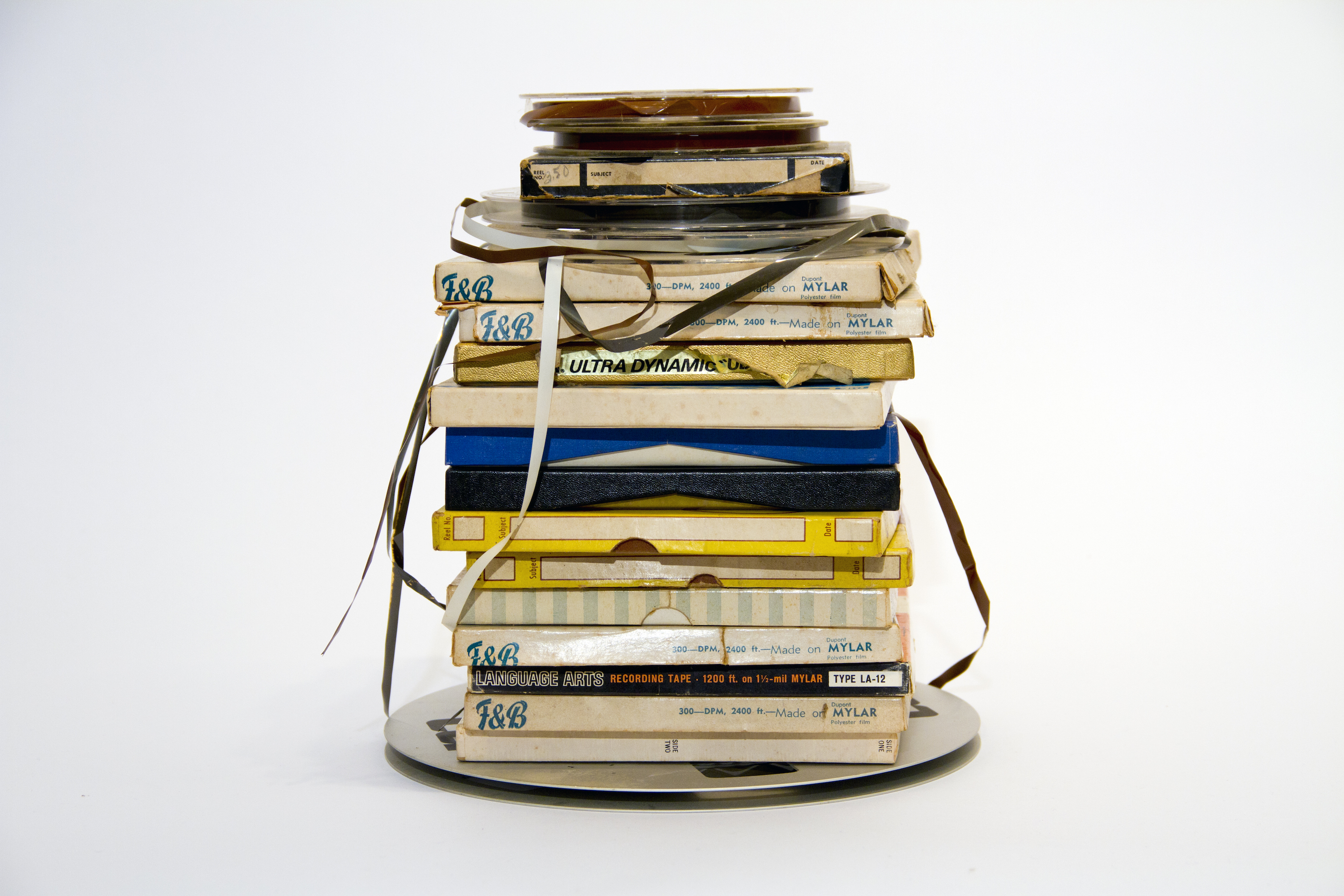
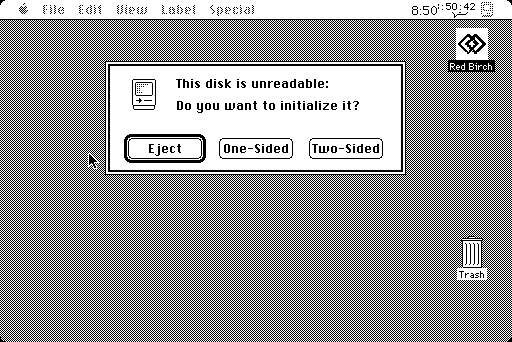
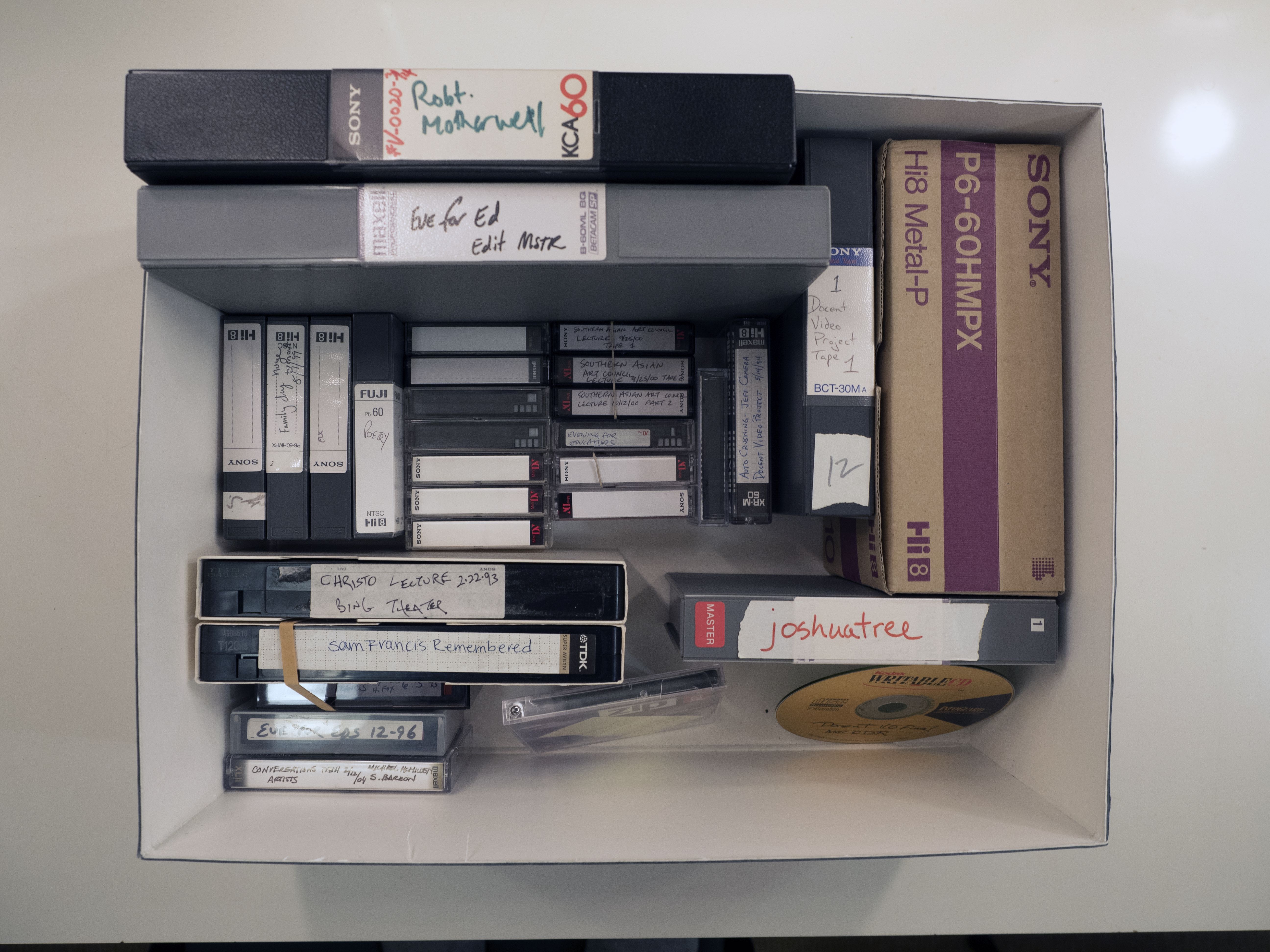
This question led me into the media archives of the museum, where I dug through LACMA’s thorough documentation of its history, which is stored on every format of recordable media produced since 1965, the year that LACMA opened. Reel-to-reel ¼ inch tape, MiniDV, Zip disks, Beta tapes, slides, floppy disks, you name it. At the time, Twitter was still Twitter, and LACMA’s archivist Jessica Gambling was trying to figure out how to archive the museum’s Twitter feed, let alone come up with processes to transfer documentation from 60 years’ worth of media formats into something accessible on a contemporary Mac. Of course, Twitter has since moved on to become something else, and so the archivist’s game continues to change.
The biggest shift in my series of projects about obsolescence at LACMA came in 2017, when I met scientists and engineers at NASA’s Jet Propulsion Laboratory, who were also thinking about obsolescence, but in the context of long-term space missions. I hit it off with a crew of JPL employees who made up the A-Team, an interdisciplinary group of scientists and engineers that apply systematic brainstorm methods to untangle very complex problems in a facility at JPL aptly called Left Field. When I met the A-Team, they were sifting through the potential challenges of an interstellar mission to Proxima B, an exoplanet in the Alpha Centauri star system. Their prompt: “Can we design a spacecraft, starting now, in 2017, that will be ready to launch in 2069 on a mission to another star system? What scientific discoveries do we need this future interstellar craft to attempt? It will take 42 years for the craft to get to its destination, so we will learn more about Proxima B after it has already left Earth; how do we design a craft that can respond to cultural and scientific changes on Earth, while in situ? Once it arrives at Proxima B, it will take roughly 4 years for the data to travel back to Earth, so what kind of format should we use to describe its findings?”
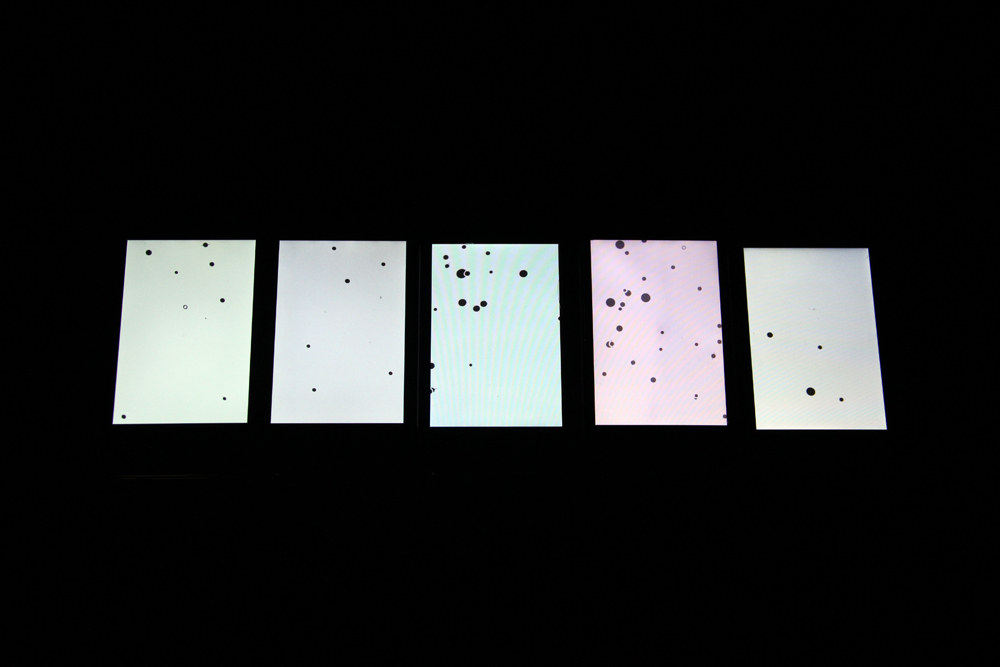
I joined the A-Team at JPL for about a dozen daylong studies investigating such questions. In collaboration with team members, I developed another art project, called The Tree of Life, a public art installation that consists of trees that “sing” via radio waves about their ecological data, in duet with a spacecraft in LEO “singing” back about its operational data. The aggregate sine wave of this data-song can be inscribed on the side of the future interstellar craft, a new “golden record” that tells the story of Earth’s trees in conversation with human technology.
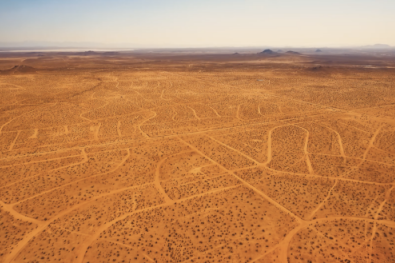
As The Tree of Life project grew roots of its own, my JPL collaborators and I formed our own organization to continue our work outside of any space agency or company: The Space Song Foundation. This non-profit, which we still run to this day, has a mission to find long-term solutions for technological obsolescence on Earth and in outer space. The Tree of Life is our primary project. We currently have a singing Joshua Tree in Hinkley, CA at the Center for Land Use Interpretation’s Desert Research Station.
This artwork persists through this time marked by rapid change. Here we are, most of us still on Earth, still grappling with systems of technology that change the ways we experience those collective frames of reference: time, community, landscape, culture.