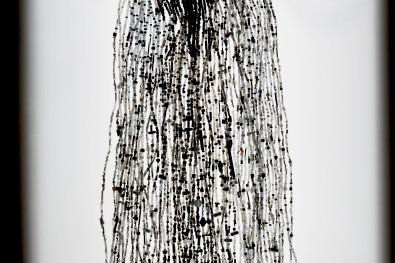
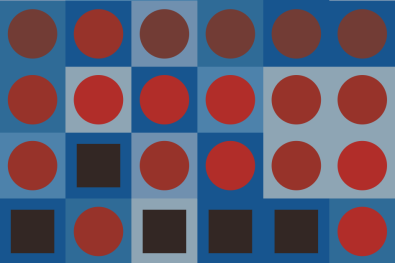
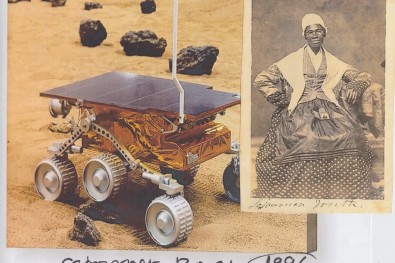
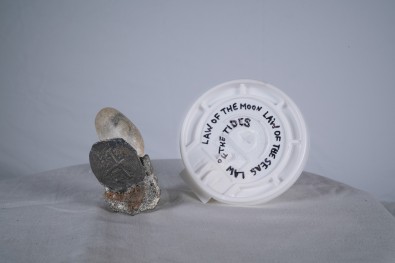
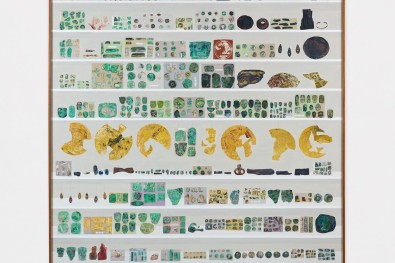
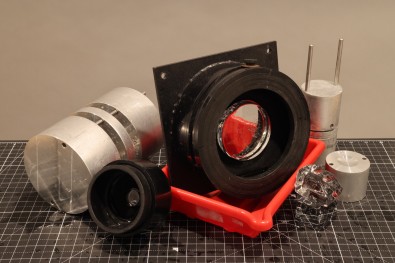
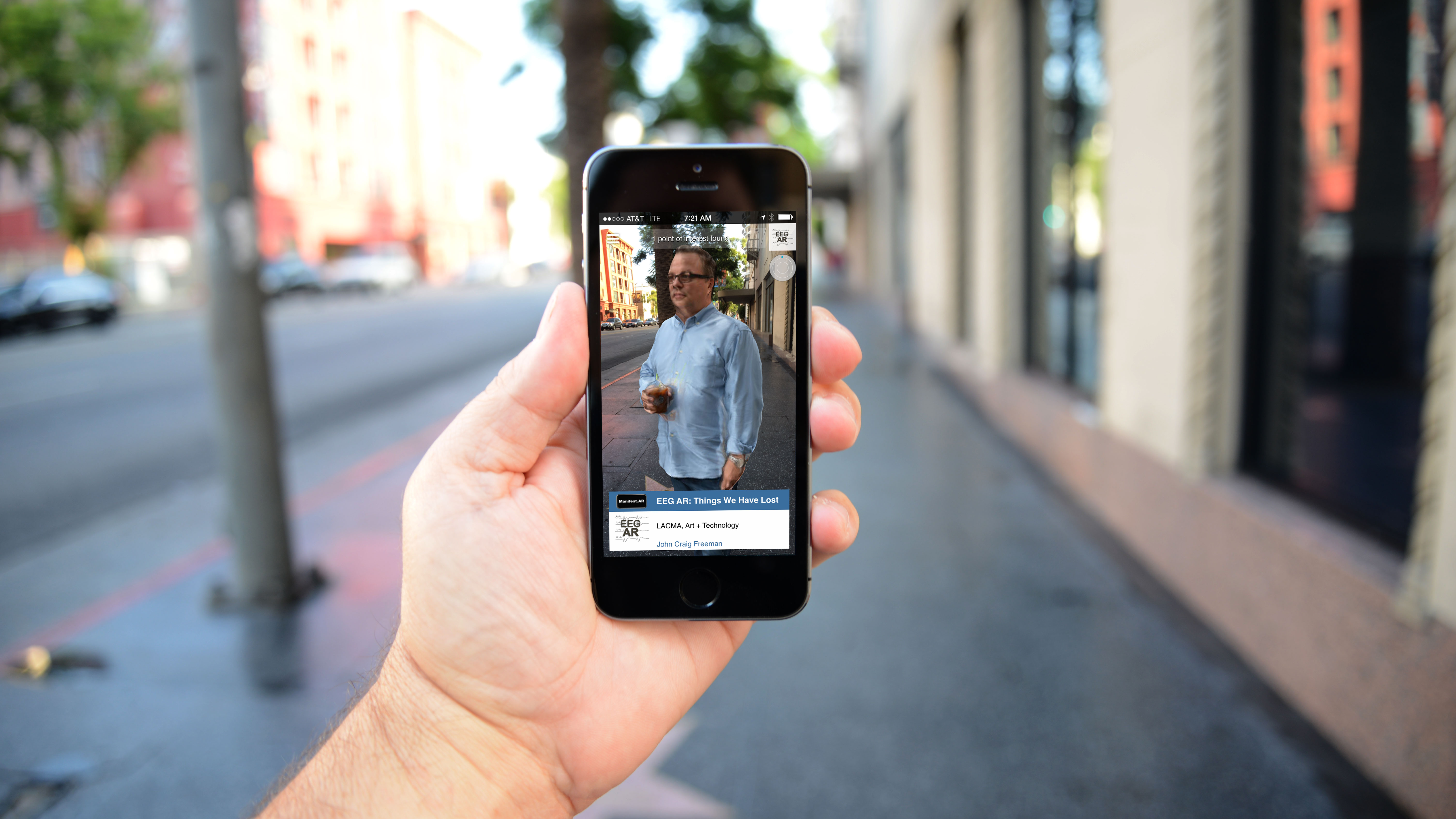
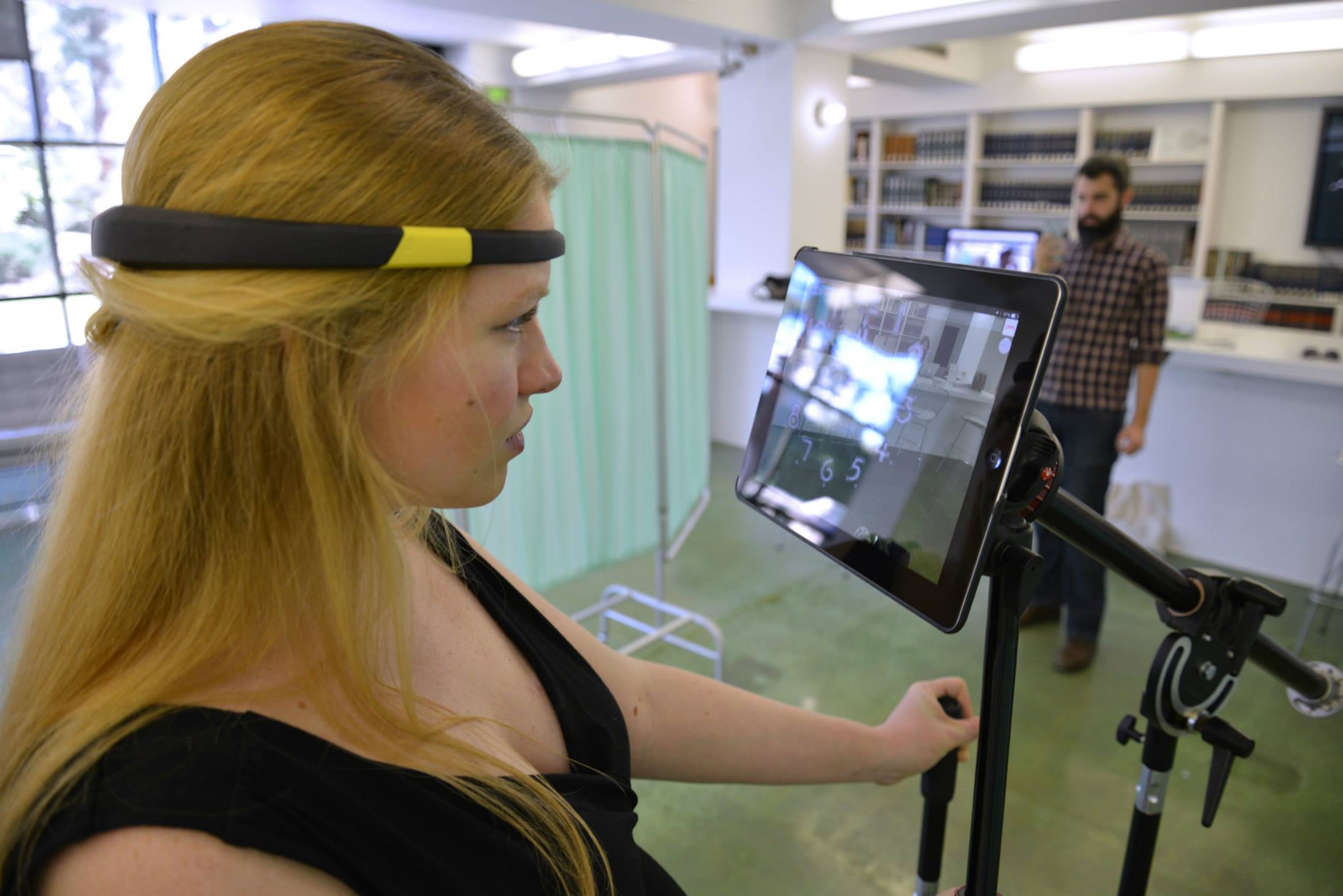
John Craig Freeman drew on crowdsourcing, augmented reality, and EEG (electroencephalography) technology in a project titled EEG AR: Things We Have Lost. The artist interviewed people on the streets of Los Angeles about things, tangible or intangible, that they have lost, creating a database of lost objects. A later performance at LACMA allowed participants to “conjure” virtual objects using brainwave technology and augmented reality. Freeman is a founding member of the collective Manifest.AR, whose work seeks to expand the notion of public space by exploring how digital networked technology is transforming our sense of place.
Artist's Statement
When LACMA called to tell me I was one of five artists selected for their inaugural Art + Technology Lab from a pool of over 450 submissions, I felt a sense of validation. My work at the intersection of public space and emerging technology had found its perfect venue—a museum with the vision to revive the spirit of their groundbreaking 1960s program.
My project, “EEG AR: Things We Have Lost,” had already traveled from Liverpool to Coimbra, Portugal to Basel, Switzerland, but Los Angeles promised something different. Each city reveals itself through what its people have lost. In Liverpool, where I first conceived the project in 2012, the responses were deeply personal—lost wedding rings, childhood toys, departed relatives. In Coimbra, the economic crisis dominated—people spoke of lost pensions and financial security. In Basel a group of teenage boys unanimously agreed they had lost time.
Spring 2015 found me and my team of Emerson College research assistants walking the streets of Los Angeles. We’d approach strangers with a disarmingly simple question: “What have you lost?” The responses in LA were as diverse as the city itself. A woman in Silver Lake told us about losing her sense of purpose after her children left home. A man near MacArthur Park described losing his homeland when he immigrated thirty years ago. I’ll never forget the older gentleman who paused thoughtfully before answering. “The years, I would imagine,” he began with a chuckle, “but we’ve got a bit of sense of humor to compensate for it, hopefully.” His expression shifted to something more philosophical as he continued, “Probably wisdom and experience to compensate for the loss of youth.” Then with perfect comic timing, he pointed to his mouth and ran a hand through his hair: “A few teeth. The color of my hair.” We both laughed, and in that moment I realized how this project created space for people to reflect on loss not just with sadness, but with humor and grace.
Each story became data—GPS coordinates marked exactly where these conversations occurred. Back at the lab, we translated these losses into virtual objects and avatars, creating a digital layer of collective memory mapped precisely onto the physical geography of Los Angeles.
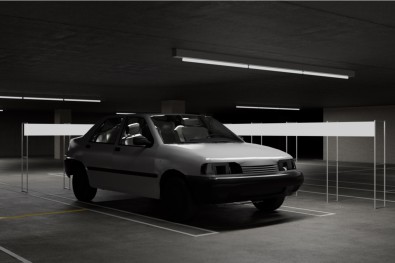
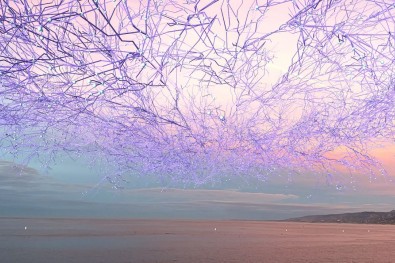
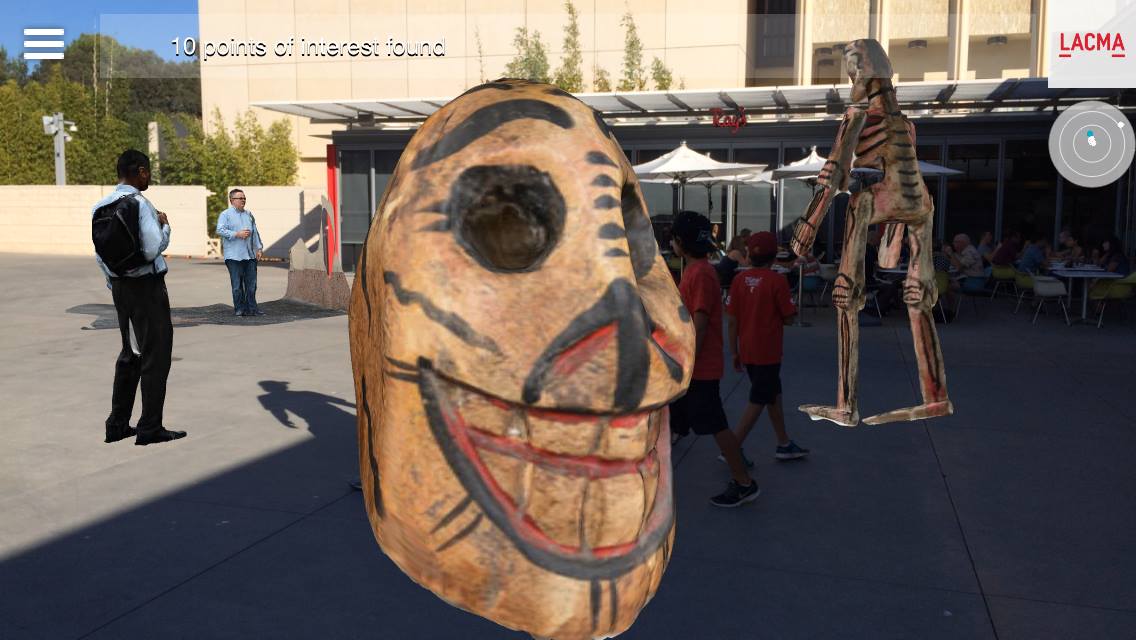
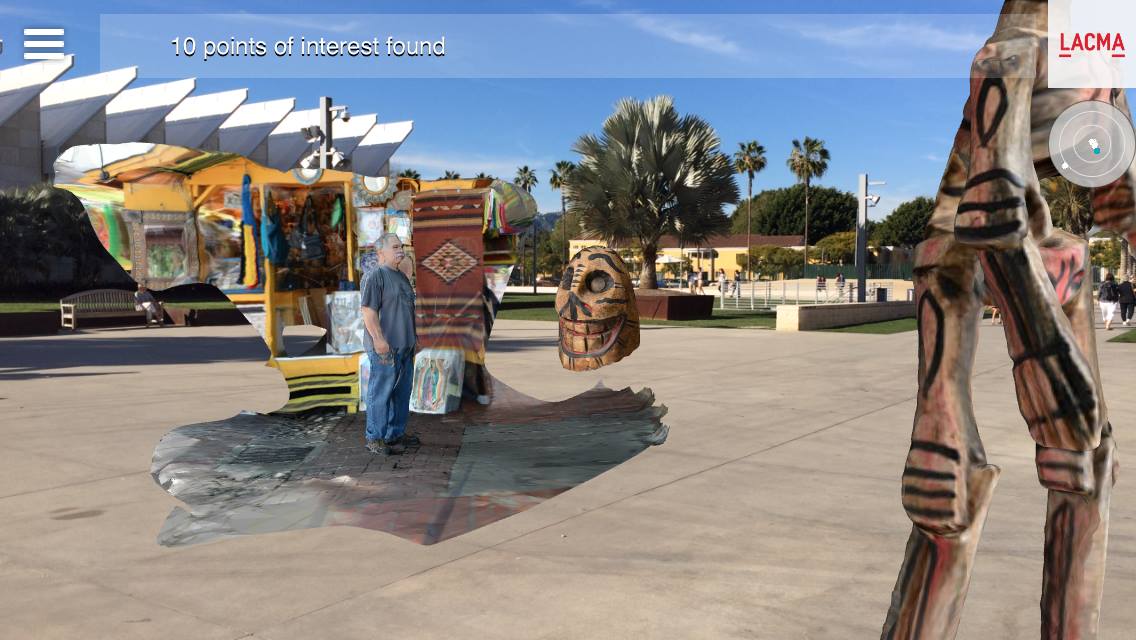
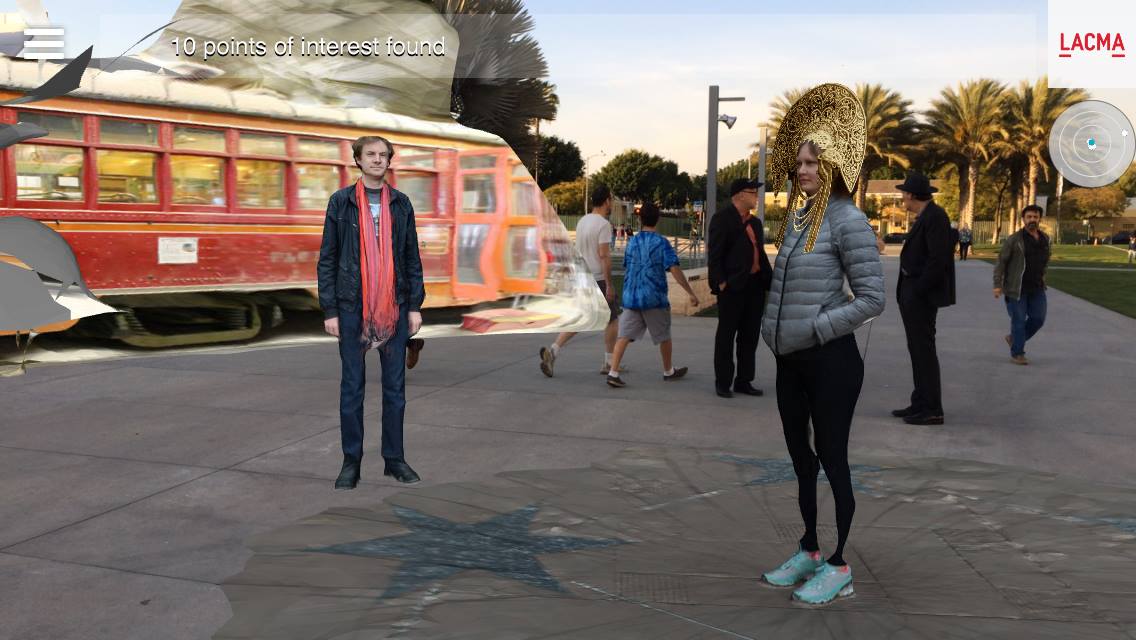
Visitors to the museum’s plaza could explore a captivating collection of virtual lost objects through mobile augmented reality viewing devices—essentially screens on wheels. These digital artifacts, positioned at specific GPS coordinates, included a worn leather jacket symbolizing lost fame, an extinct thylacine representing vanished species, a solitary rowboat embodying the fear of mortality, and LA’s iconic Red Car trams evoking nostalgia for a bygone Los Angeles era. Each virtual object emerged from interviews with Los Angeles residents about tangible and intangible things they had lost, creating a citywide network of collective memory that transformed public spaces into landscapes of shared loss and reflection. These moments of connection—where technology becomes invisible and the human experience takes center stage—are why I create.
The most profound aspect of this work isn’t the technology itself—the augmented reality, the electroencephalography components that allowed viewers to interact with lost objects using brainwave activity. It’s how technology can make the invisible visible, and can transform public spaces into galleries of collective memory.
Each city’s version of “Things We Have Lost” creates a unique cognitive map. Los Angeles revealed itself as a city of personal reinvention, where losses often marked transitions—former careers, past relationships, abandoned dreams—but also as a place where new beginnings emerged from these very losses.
As an artist, I don’t create finished objects for passive consumption. I create frameworks for engagement, systems that reveal the unseen connections between people and places. At LACMA, watching visitors wheel our AR devices around the plaza, discovering virtual objects that represented someone else’s loss but somehow resonated with their own experience—that’s when I knew the project had succeeded. Technology had become transparent, and for a moment, strangers connected through shared understanding of what it means to lose something precious, and perhaps, in the sharing, to find something new.