Kyle McDonald, Daisy Mahaina from Vaka Valo Association, and Dr. Marianne George document ancient Polynesian navigation techniques with new technology, including “Te Lapa”: a faint burst of light that emanates from land, but has never been recorded. The project aims to build a custom camera rig that can sense this very faint light, and capture the first-ever video of Te Lapa. Documentation resulting from the project will serve as a pedagogical tool.
Artist's Statement
When voyagers first settled the Pacific thousands of years ago, their deep environmental knowledge guided their complex navigation techniques and boat building traditions. Today, that knowledge has reached a bottleneck due to the impact of colonialism and missionary policies forbidding inter-island voyaging. But on the island of Taumako, a Polynesian outlier in the remote Temotu province of Solomon Islands, the knowledge is alive.
My name is Kyle McDonald, I am an artist and I mostly create interactive installations with a research-based practice that focuses on new technologies. I grew up sailing small boats, and after a long hiatus I started sailing again around 2018. It awakened something in me that connected me to my body and environment in a way I had forgotten from too many years of sitting in front of a computer. I wanted to learn everything I could about sailing, and that led me to the navigators of Taumako. I learned about their traditions from a paper by Dr. Marianne “Mimi” George, a cultural anthropologist who has been working with them for over thirty years.
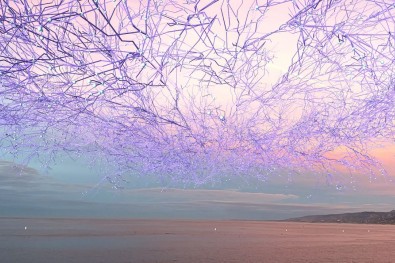
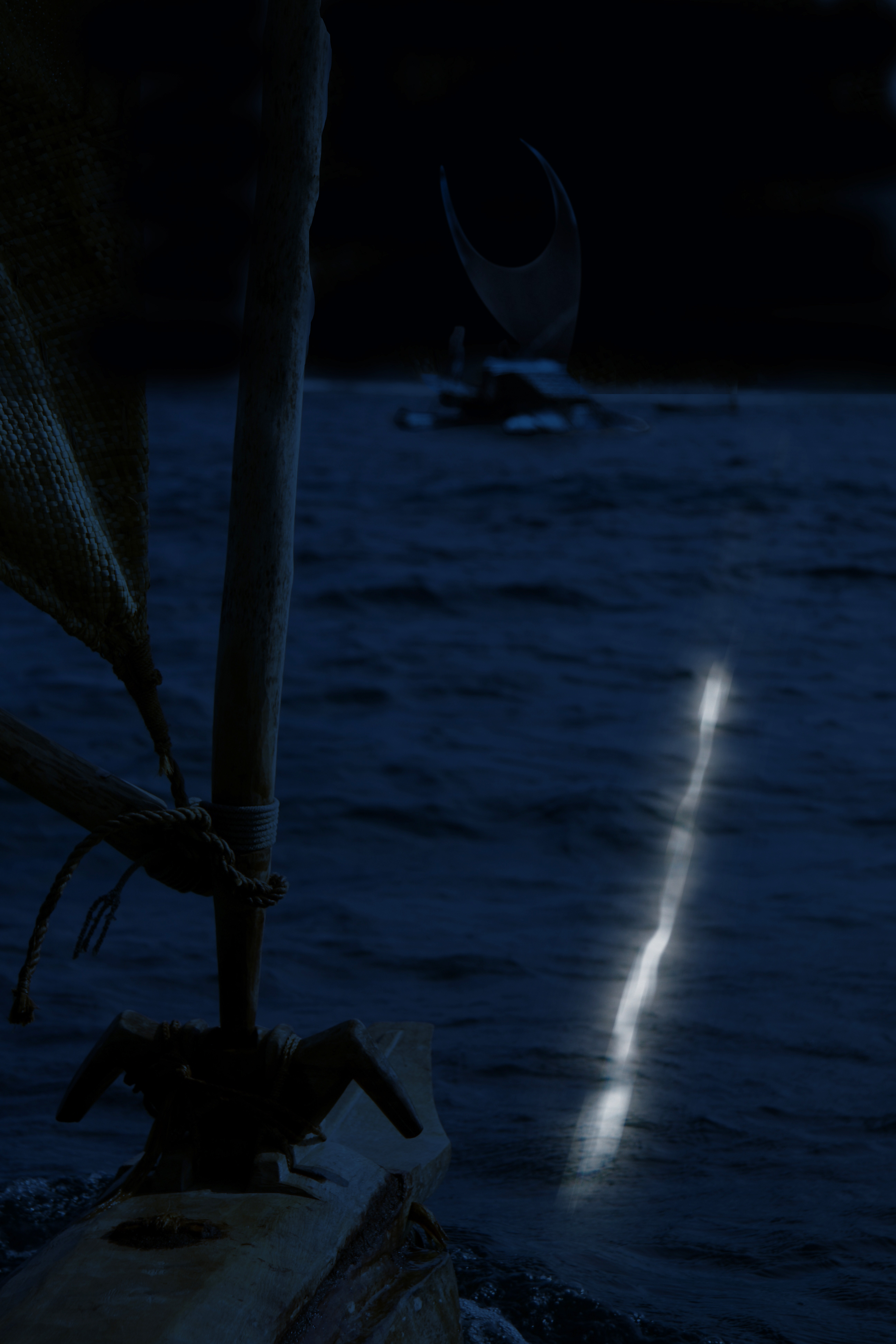
In Mimi’s writing, she describes te lapa, a brief flash of light that travels in a straight line from distant islands to the navigator, on the surface of the water. People who use te lapa explained that ancestors send the light. It takes less than a second to travel from the horizon to the viewer, and you might see it a handful of times any given night. If you know how to look for it, ancestors will guide you to your destination.
When I heard about te lapa, I felt an epistemic tear open in my reality. I reached out to Mimi to see if there was some way I could help. She took me on and introduced me to her collaborators from Taumako. We started conspiring to build a special imaging system that might be able to capture this extremely low-light phenomenon.
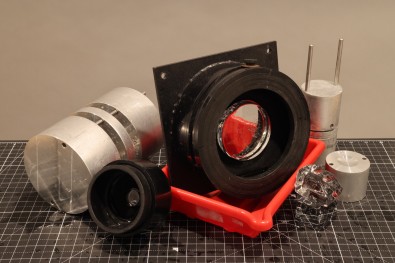
Five years later, this work has blossomed into hundreds of discussions between myself, Mimi, and many collaborators across the Pacific—primarily Luke Vaikawi, director of the voyaging organization Holau Vaka Taumako Association. We built a special low-light camera system, one of the most sensitive on the planet, and have spent many nights miles offshore watching the ocean at night and sharing stories.
Our collaboration exists at a meeting point between computational technologies and indigenous technologies. It pushes the envelope of what is technically possible while also pushing an epistemological envelope, asking what we can know and how we know it. Somewhere between the technological and the spiritual, the phenomenological and the ancestral. On my first trip to Taumako, we also sat with more mundane questions: How can we keep electronics running when the salt water in the air corrodes everything? What happens when the internet becomes available for the first time? Instead of “moving fast and breaking things”, how can I learn to find my role in a community?
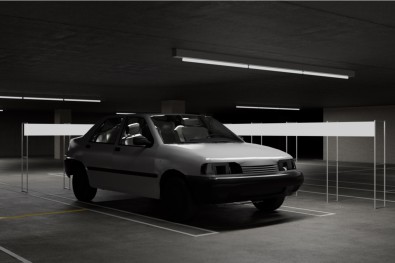
While we have yet to document te lapa on camera, we have recorded numerous discussions and stories. We have built simulations of swell patterns connected to the te lapa, built simulations that help us discuss what it looks like more clearly. And our collaboration has extended beyond te lapa—we have spent months on experimental sailing vessels designed to find a meeting point between sophisticated traditional designs and modern materials, in hopes of finding a workaround for the legislation that keeps traditional vessels from voyaging due to being “unsafe.”
Contributing to this work has reshaped my personal assumptions about the role of technology and culture in the midst of ecological and climate collapse. The advanced hydrodynamic hull and aerodynamic sail of the traditional Te Puke sailing canoe, deeply entangled in a regenerative and reciprocal relationship with the local ecology, embedded in the collective consciousness of the community—I’m learning to apply this infrastructure to my thinking on digital technology as well. What does it look like when our tools are created by all of us, passed down with care, and in a regenerative relationship with our environment? What happens when we stop imagining ourselves in an absolute position, oriented to a compass, untethered from our ecosystem—and instead position and orient ourselves relationally, reconnecting with all of our ancestors?