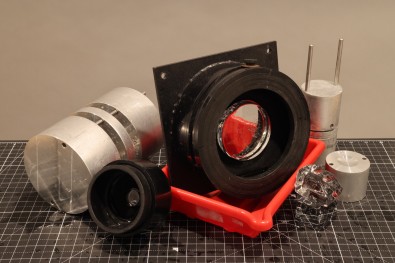
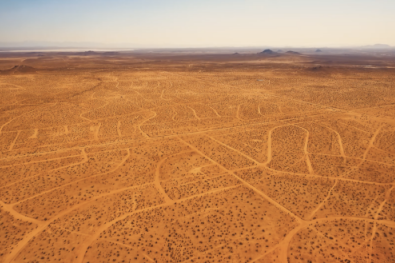
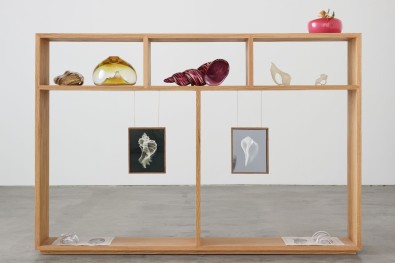
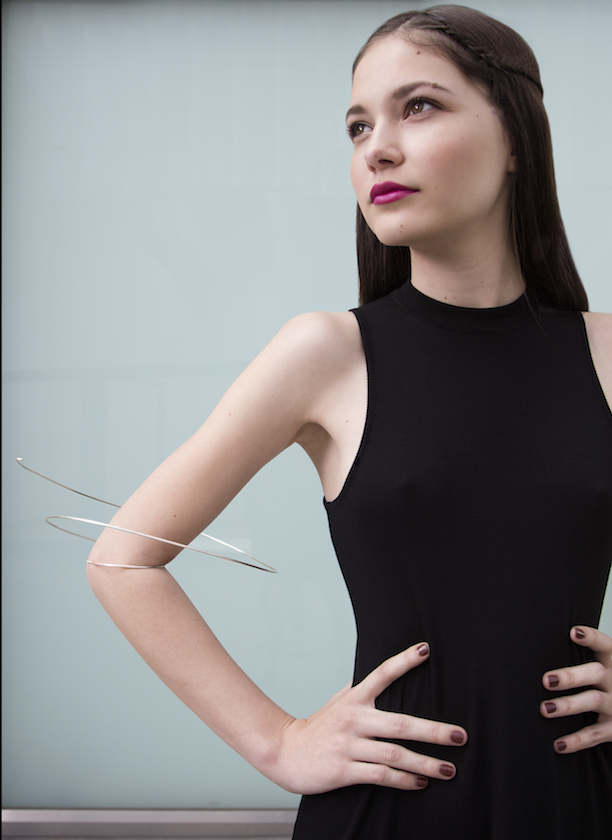
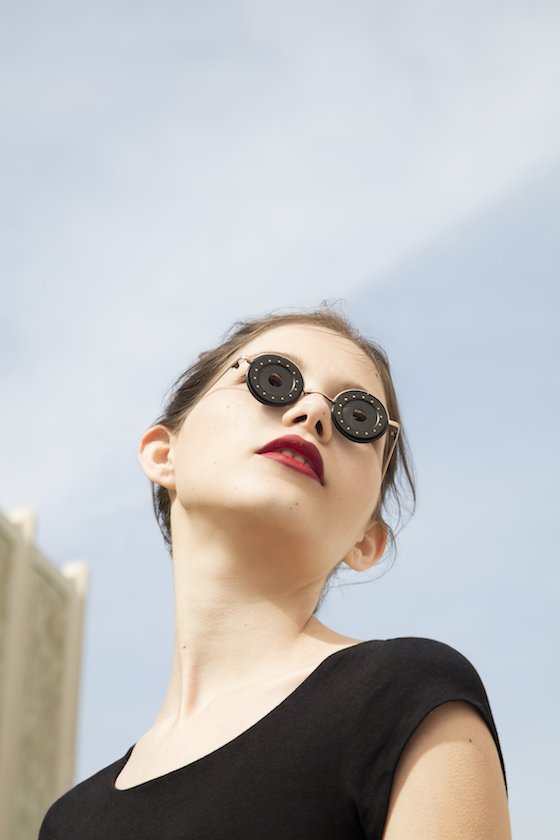
Jonathon Keats received a grant to explore how wearable technology could enhance, diminish, or alter the identity of the wearer. The initial project was titled Superego Suits. Shortly after beginning the program, the artist's research in neuroscience and his conversations with architecture firm Gensler led to a project that teased out ideas related to the future of work and the relationship between workers. The artist then worked with Hyundai Motor Company to extend his ideas about wearables into the automotive realm. Titled the Roadable Synapse, the project’s first iteration underwent more than two years of research and development before it was realized in the summer of 2017.


Artist's Statement
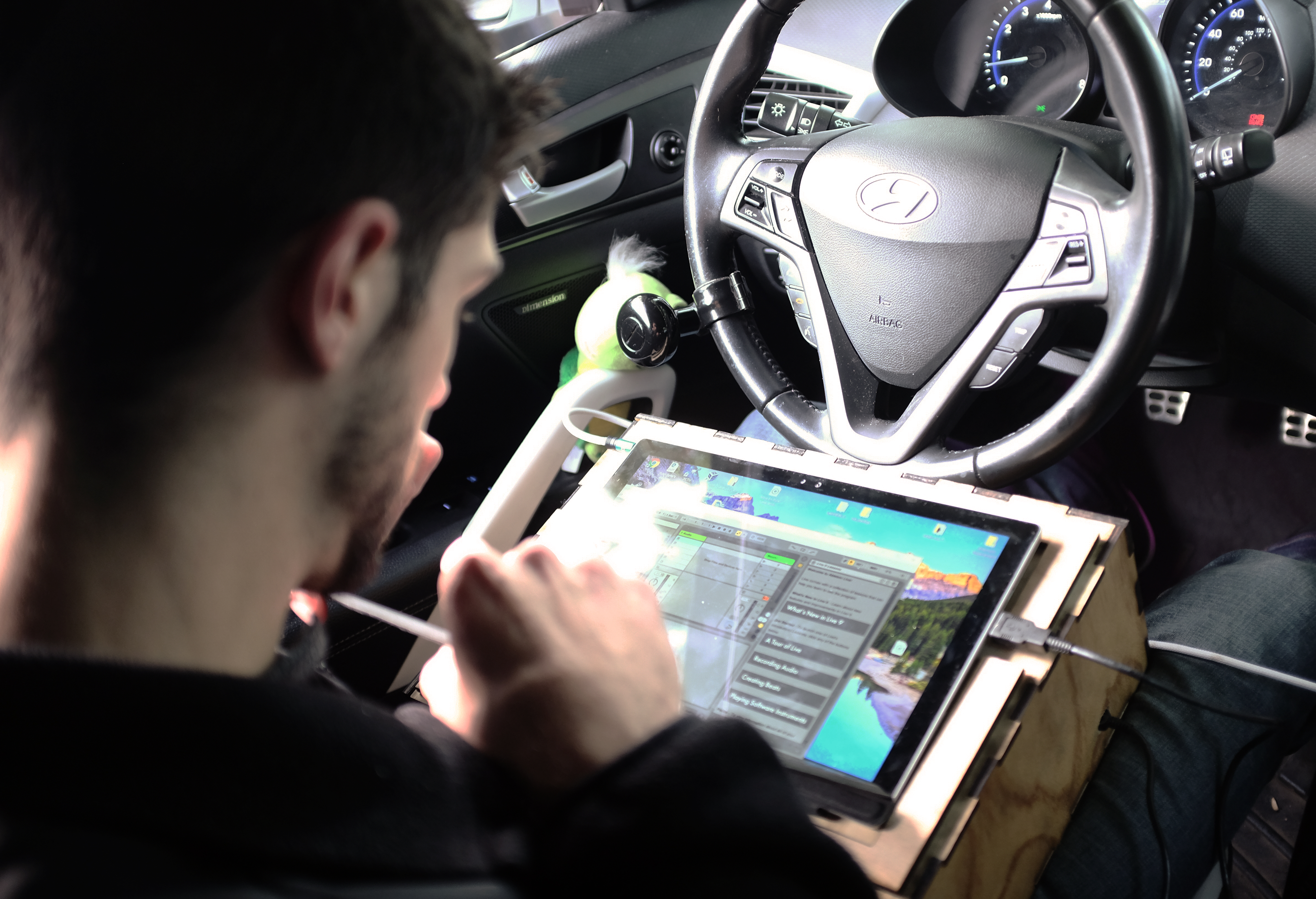
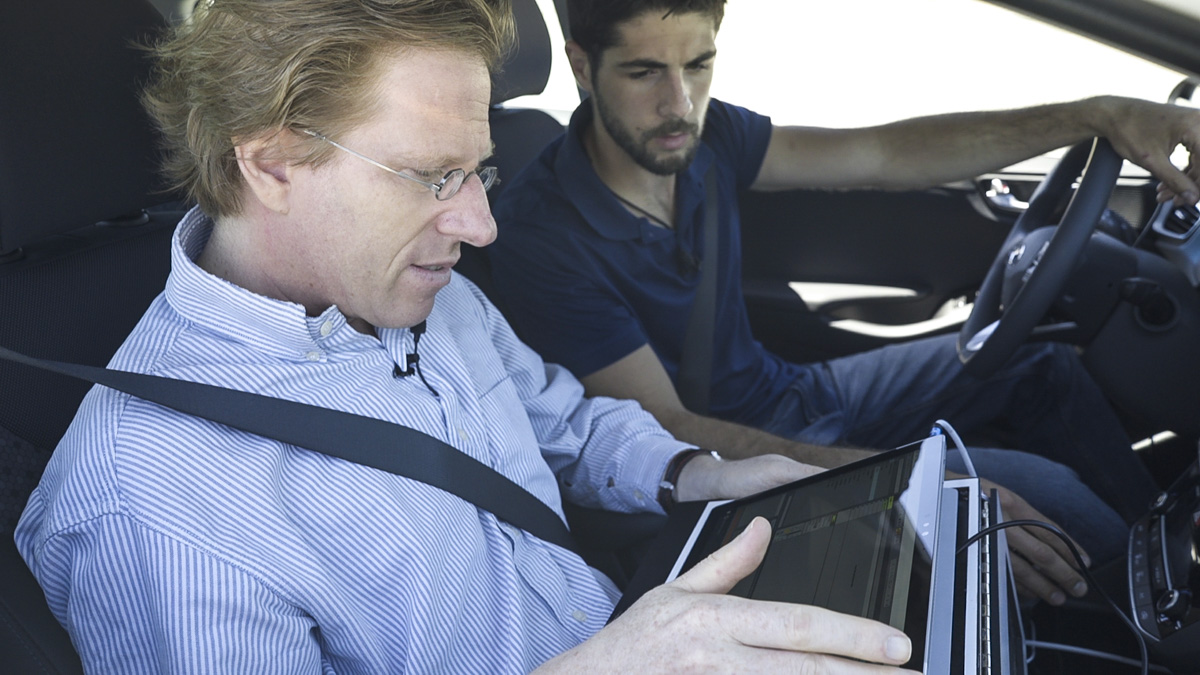
On June 24, 2015, I flew from Milan to Los Angeles for the first convening of Art + Technology Lab fellowship recipients. Arriving at LACMA on the morning of the 25th, still thoroughly jetlagged, I found myself seated across the table from John Suh, vice president at Hyundai. Not knowing what to say, having never owned a vehicle of any kind and barely able to drive, I struck up a conversation by telling him that the car of the future would most definitely not be autonomous. He looked at me quizzically and asked what I foresaw instead, politely leaving aside the fact that every industry insider was counting down the months before self-driving cars would be ubiquitous. I had come to the Lab with a project that proposed to apply neuroscience to fashion—allowing the wearer of a garment to change how she perceived herself by modulating interoception—so the human brain was very much on my mind at the time. I informed Dr. Suh that the future was bionic, drivers perceiving vehicles as extensions of their bodies and their vehicles being controlled with brain-computer interfaces. He nodded and gave me an engineer. A couple years later, we presented a concept car in LACMA’s central plaza.
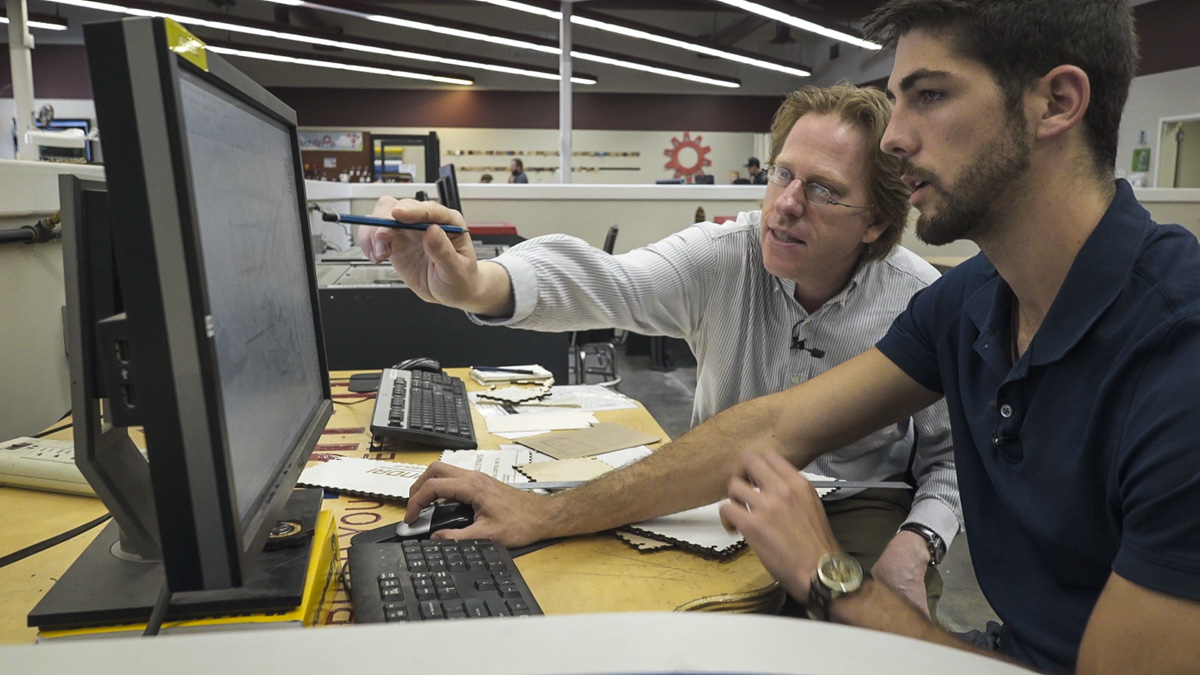
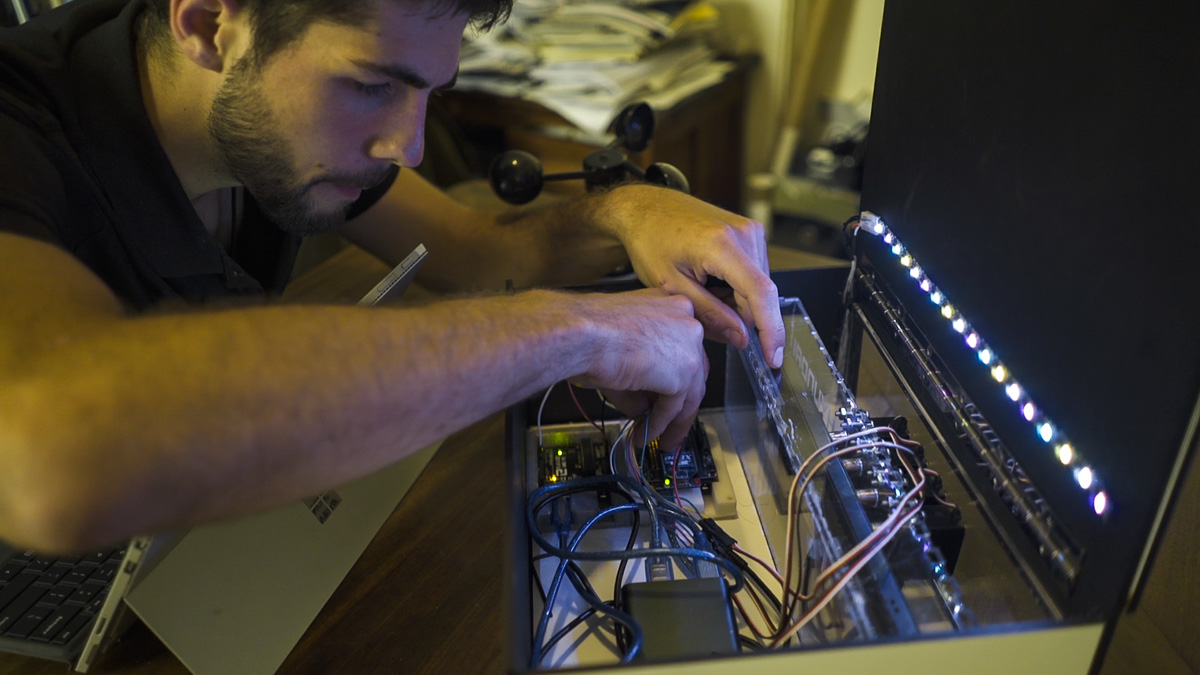
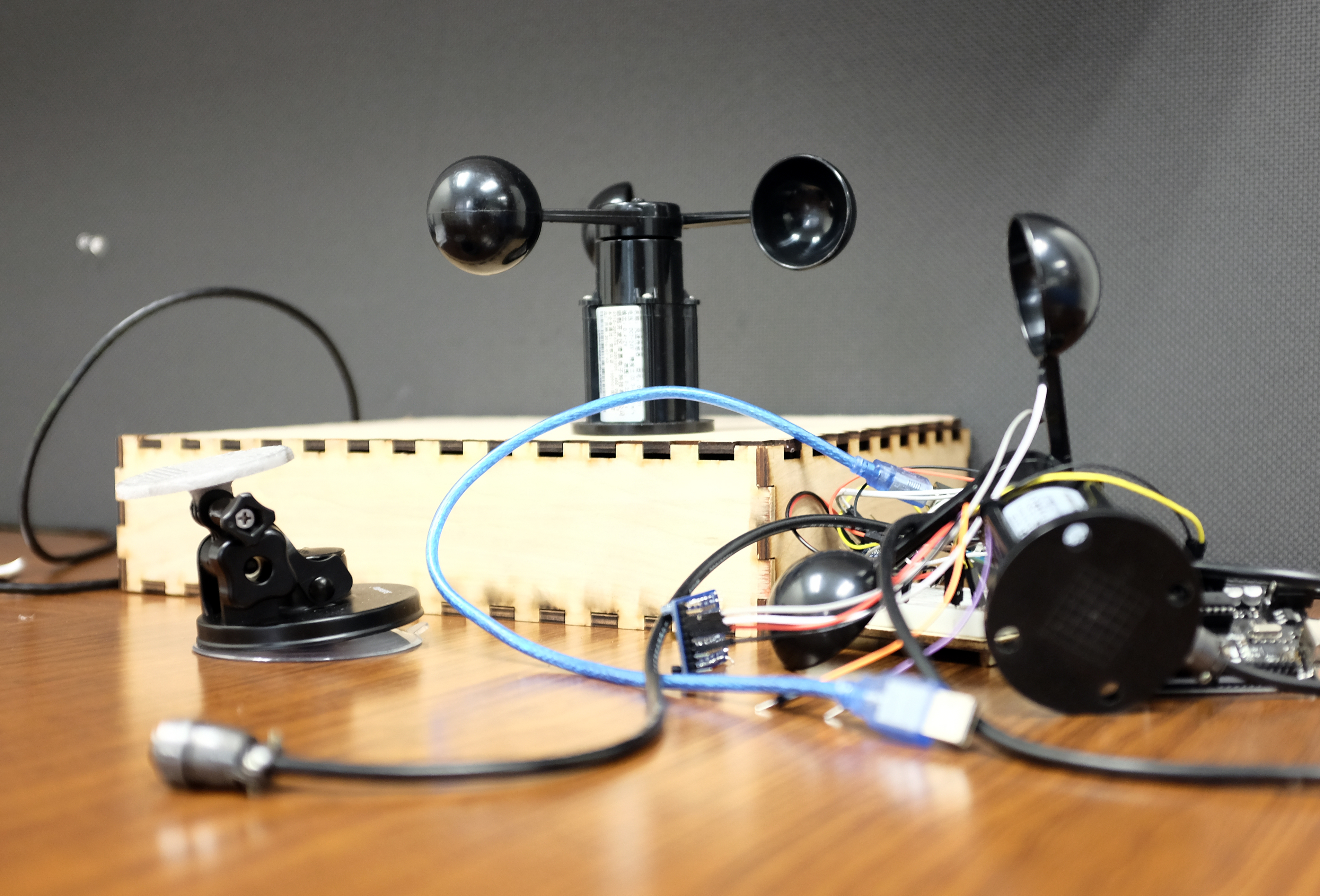
Admittedly, it wasn’t that easy. Persuading John that I was serious took multiple meetings, and the research-and-development process owed as much to the engineer Ryan Ayler as to me. Much depended on a rented laser cutter and a borrowed glue gun. And we never managed to get our hands on a brain-computer interface, let alone to build one. Nonetheless, the Roadable Synapse (as I dubbed the prototype) instantiated the concept convincingly enough to land articles in The San Francisco Chronicle and Wired. As self-driving cars took to the road in increasing numbers, my contrarian vision settled in some small way into the historical record.
Over the years, the Art + Technology Lab has supported many impressive projects, some of which have been widely exhibited or become products. The Roadable Synapse, on the other hand, was dismantled the day after our demo because the car that provided a chassis had to be returned to a local Hyundai dealer. But the capacity of the Art + Technology Lab to support such a gambit, and the level of assistance provided by both LACMA and Hyundai in support of an idea, impresses me to this day. Art and technology are both vitally important in our society, but I strongly believe that space and time are equally needed to envision what could be and to provoke conversation about possibilities. The Roadable Synapse was not a car any more than my LACMA-supported Superego Suit was a garment. Both were created as thought experiments. The Art + Technology Lab provided me with the means to conceive and build philosophical instruments.